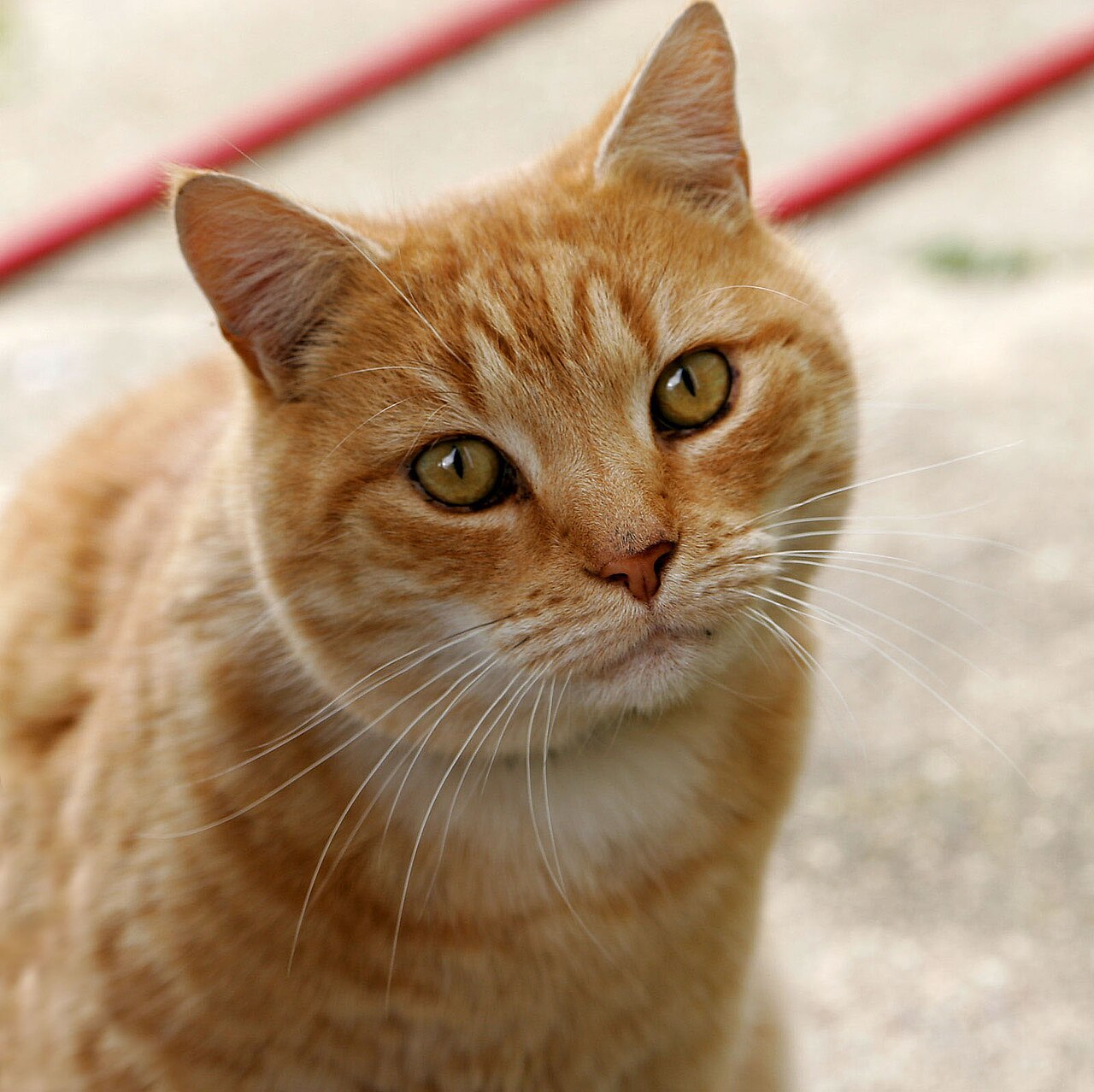
Native Biome: Domestic / companion
Bengal
Felis catus
Named for the Asian leopard cat (Prionailurus bengalensis) ancestry in early hybrid programs; today’s Bengals are domestic cats.
Linnaean Taxonomic Tree
4.5–7 kg
Female: 3.5–5.5 kgVery athletic and fast
Burst AccelerationDomestic companion — not typically free-living
Captivity: 12–16 years typicalCompare Look-Alikes
vs Domestic Shorthair (Tabby)
Vision
Through their eyes
🐣Growth & Lifespan
Birth to old age slider
🔍 Distinctive Diagnostic Markings & Anatomy
Critical morphological field marks naturalists use to verify species identification in the wild.
Short dense glittering coat with spotted or marbled leopard-like rosettes; strong contrast preferred.
Slightly small rounded head relative to body; whisker pads prominent.
Oval; gold/green common.
Medium ears; large shoulders; spotted belly common.
Thick, medium length, spotted/ringed with dark tip.
Males larger and more muscular.
🍖 Trophic Role & Hunting Strategy
MesopredatorHigh play/prey drive; loves water and interactive hunting games.
🏕️ Social Behavior & Activity Rhythms
CrepuscularEnergetic, intelligent; needs enrichment.
Attentive; kittens show pattern early
Life Cycle, Growth & Lifespan Journey
| Age | Stage | Length/Height | Weight |
|---|---|---|---|
| Birth | Blind Cub | 28–35 cm | 0.8–1.4 kg |
| 6 Months | Active Juvenile | 110–135 cm | 25–38 kg |
| 2 Years | Dispersing Subadult | 220–270 cm | 130–175 kg |
| 4+ Years | Prime Resident Apex Tiger | 260–330 cm | 180–260 kg |
How Big Will a Bengal Get?
Calculate estimated adult weight, shoulder height, remaining growth timeline, and weekly development rate based on current age and biometrics.
Conservation Status & Population Dynamics
Domestic breed — not a wild population
Subject to ongoing wildlife telemetry monitoring
- •Irresponsible breeding
- •Obesity / sedentary lifestyle
- •Breed-specific health risks
- Responsible breed clubs
- Health testing programs
- Rescue & rehoming networks
Field Intelligence & Diagnostic Hub for Bengal
Thick, medium length, spotted/ringed with dark tip.
Audio frequency analysis, territorial roar/call synthesis, and harmonic resonance measurements.
Ecosystem food web, trophic interactions, and cohabiting species in Worldwide companion breed.
⚖️ Look-Alike Species Differentiation Matrix
Instant one-click comparison tools to prevent common field misidentifications
Bengal vs. Domestic Shorthair (Tabby)
Key DifferentiationBengals show bold rosettes/marble with a glittery coat and more muscular wild-type outline than typical tabbies.
How to Identify Bengal from a Photograph
Standard operating procedures for photographers and field naturalists submitting sightings for verification.
- 📷Side profile showing body proportions
- 📷Front face for ear/eye/muzzle shape
- 📷Three-quarter view of coat texture and markings
- 🔍Rosetted or marbled leopard-like coat
- 🔍Glitter/sheen to coat
- 🔍Muscular long body
- 🔍Spotted belly often present
- ⚠️Confusing with spotted Domestic Shorthair tabbies
- ⚠️Confusing with Savannah cats (usually taller/leggy)
Frequently Asked Questions About Bengal
Verified answers compiled by zoologists, wildlife biologists, and field guides.
Related Identification Tools
Identify similar animals with focused photo tools for dogs, cats, birds, reptiles, fish, bugs, and more.