🐜 Ant Bites
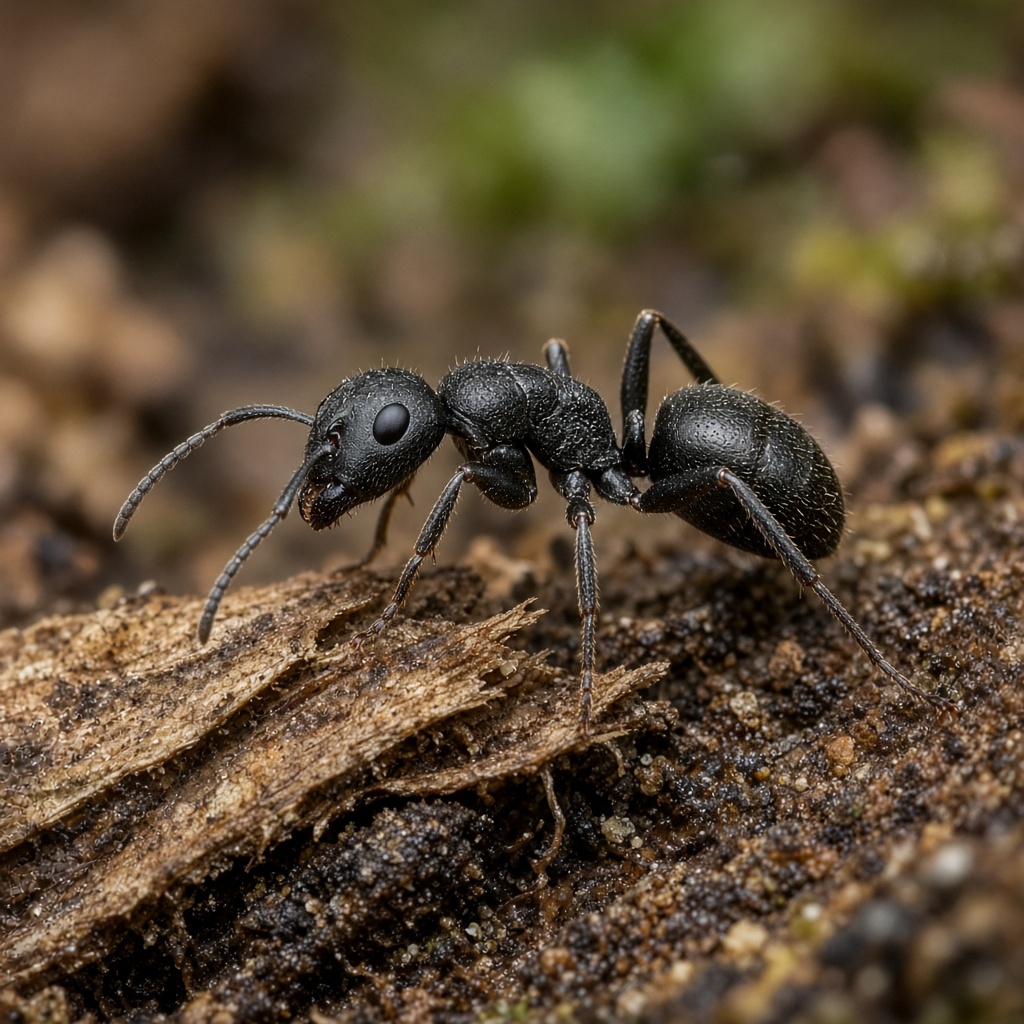
Formicidae (family)
Small raised red bumps—sometimes several nearby—after outdoor contact with ants (fire ants can be more severe).
Quick identification
- Small raised red bumps
- Sometimes several nearby
- Feet/ankles/hands after nest contact
- Fire ants can cause pustules
- Outdoor or kitchen trail exposure
Appearance of the bite
Typical bite size
Usually small bumps; fire ant reactions can look more dramatic
Color
Red; fire ants may form white-headed pustules
Shape
Small papules or pustules in a group
Texture
Itchy or burning; may sting
About the insect
Insect size
About 1–5 mm for many common ants
Insect color
Black, brown, or reddish depending on species
Habitat / exposure
Soil nests, sidewalks, lawns, kitchens, and woodland trails
- Disturbing nests outdoors
- Bare feet on lawns/sidewalks
- Indoor trails in kitchens
Typical bite pattern
Pattern: Small red bumps or pustules; fire ants may leave itchy white-headed bumps
Common location: Feet, ankles, and hands after outdoor or nest contact
Timing: Anytime ants are disturbed outdoors or indoors
Typical number: Often several bites near where ants contacted skin
How it changes over time
Burning or itching may start quickly. Fire ant pustules can develop over a day. Marks may itch for several days.
Key clues for identification
Multiple small bumps after nest/lawn contact suggest ants. Fire ant regions should raise concern for pustules. Unlike bed bug overnight lines on sleeping skin, ant patterns follow contact with trails or nests.
Reaction variability
Species matter: mild ants vs fire ants differ a lot. Some people swell more. Appearance alone is not definitive.
Lookalikes
- Flea bites
- Chigger bites
- Bee/wasp sting (much larger single welt)
Basic care
Wash the area and use itch relief. Avoid breaking pustules. Keep an eye on swelling.
When to seek medical care
Seek urgent care for breathing difficulty, facial/throat swelling, widespread hives, many stings, or rapidly worsening swelling. Seek care for infection signs or fever.
Ant FAQ
What do ant bites look like?›
Small raised red bumps—sometimes several nearby—after outdoor contact with ants (fire ants can be more severe). Typical bite size: Usually small bumps; fire ant reactions can look more dramatic. Color: Red; fire ants may form white-headed pustules.
How can I tell ant bites apart from lookalikes?›
Multiple small bumps after nest/lawn contact suggest ants. Fire ant regions should raise concern for pustules. Unlike bed bug overnight lines on sleeping skin, ant patterns follow contact with trails or nests.
How do ant bites change over time?›
Burning or itching may start quickly. Fire ant pustules can develop over a day. Marks may itch for several days.
Do ant bites look the same on everyone?›
Species matter: mild ants vs fire ants differ a lot. Some people swell more. Appearance alone is not definitive.
When should I seek medical care for ant bites?›
Seek urgent care for breathing difficulty, facial/throat swelling, widespread hives, many stings, or rapidly worsening swelling. Seek care for infection signs or fever.
Educational disclaimer
AnimalIDFinder provides educational information about insects and common bite or sting patterns. This page does not diagnose disease, confirm what bit you from a skin photo alone, or replace a clinician. For emergencies, call local emergency services.