🐝 Bee Bites
Apis mellifera (and related bees)
Painful swollen bump; a honey bee may leave a stinger. Clearly a sting, not a typical overnight bite cluster.
Quick identification
- Immediate pain
- Raised red swollen bump
- Honey bee may leave a stinger
- Daytime outdoor flower/nest contact
- Not an overnight bite line pattern
Appearance of the bite
Typical bite size
Swelling often larger than a mosquito bite; can expand over hours
Color
Red with possible pale center around the sting site
Shape
Raised circular welt
Texture
Painful and warm; may throb
About the insect
Insect size
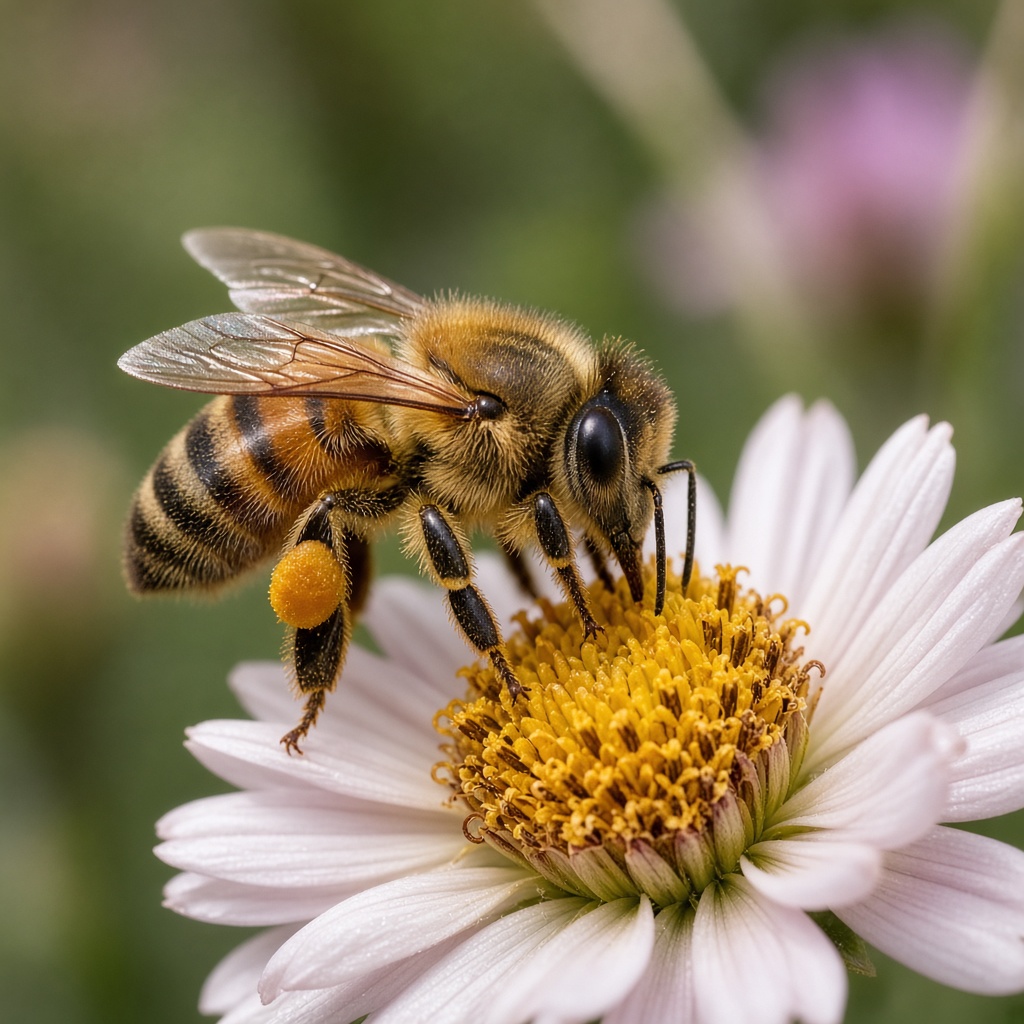
About 10–15 mm for honey bees (species vary)
Insect color
Fuzzy yellow/orange and black; hairy thorax
Habitat / exposure
Gardens, flowers, hives; outdoors in warm seasons
- Daytime outdoor contact with flowers or nests
- Bare feet on clover/lawns
- Handling or disturbing bees
Typical bite pattern
Pattern: Immediate pain with a raised red welt; stinger may remain (honey bee)
Common location: Wherever stung—often hands, arms, or bare feet outdoors
Timing: Daytime outdoor contact
Typical number: Usually one sting site unless multiple bees are involved
How it changes over time
Pain is immediate. Redness and swelling often increase over the first hours, then gradually improve over a few days. Large local reactions can stay swollen longer.
Key clues for identification
A left-behind stinger strongly suggests a honey bee. Wasps usually do not leave a stinger and can sting repeatedly. Unlike flea/bed bug patterns, bee stings are acute painful events tied to outdoor contact—not overnight clusters.
Reaction variability
Some people get modest swelling; others develop large local reactions. Prior stings can increase allergy risk. Appearance alone cannot rule allergy in or out.
Lookalikes
- Wasp sting
- Hornet sting
- Horsefly bite
Basic care
Remove a visible stinger by scraping, wash the area, and use a cold compress. Elevate the limb if swollen.
When to seek medical care
Seek urgent care for difficulty breathing, swelling of the face or throat, widespread hives, dizziness, or other severe allergic symptoms. Also seek care for stings in the mouth/throat, many stings, or infection signs.
Bee FAQ
What do bee stings look like?›
Painful swollen bump; a honey bee may leave a stinger. Clearly a sting, not a typical overnight bite cluster. Typical bite size: Swelling often larger than a mosquito bite; can expand over hours. Color: Red with possible pale center around the sting site.
How can I tell bee stings apart from lookalikes?›
A left-behind stinger strongly suggests a honey bee. Wasps usually do not leave a stinger and can sting repeatedly. Unlike flea/bed bug patterns, bee stings are acute painful events tied to outdoor contact—not overnight clusters.
How do bee stings change over time?›
Pain is immediate. Redness and swelling often increase over the first hours, then gradually improve over a few days. Large local reactions can stay swollen longer.
Do bee stings look the same on everyone?›
Some people get modest swelling; others develop large local reactions. Prior stings can increase allergy risk. Appearance alone cannot rule allergy in or out.
When should I seek medical care for bee stings?›
Seek urgent care for difficulty breathing, swelling of the face or throat, widespread hives, dizziness, or other severe allergic symptoms. Also seek care for stings in the mouth/throat, many stings, or infection signs.
Educational disclaimer
AnimalIDFinder provides educational information about insects and common bite or sting patterns. This page does not diagnose disease, confirm what bit you from a skin photo alone, or replace a clinician. For emergencies, call local emergency services.