🩸 Flea Bites
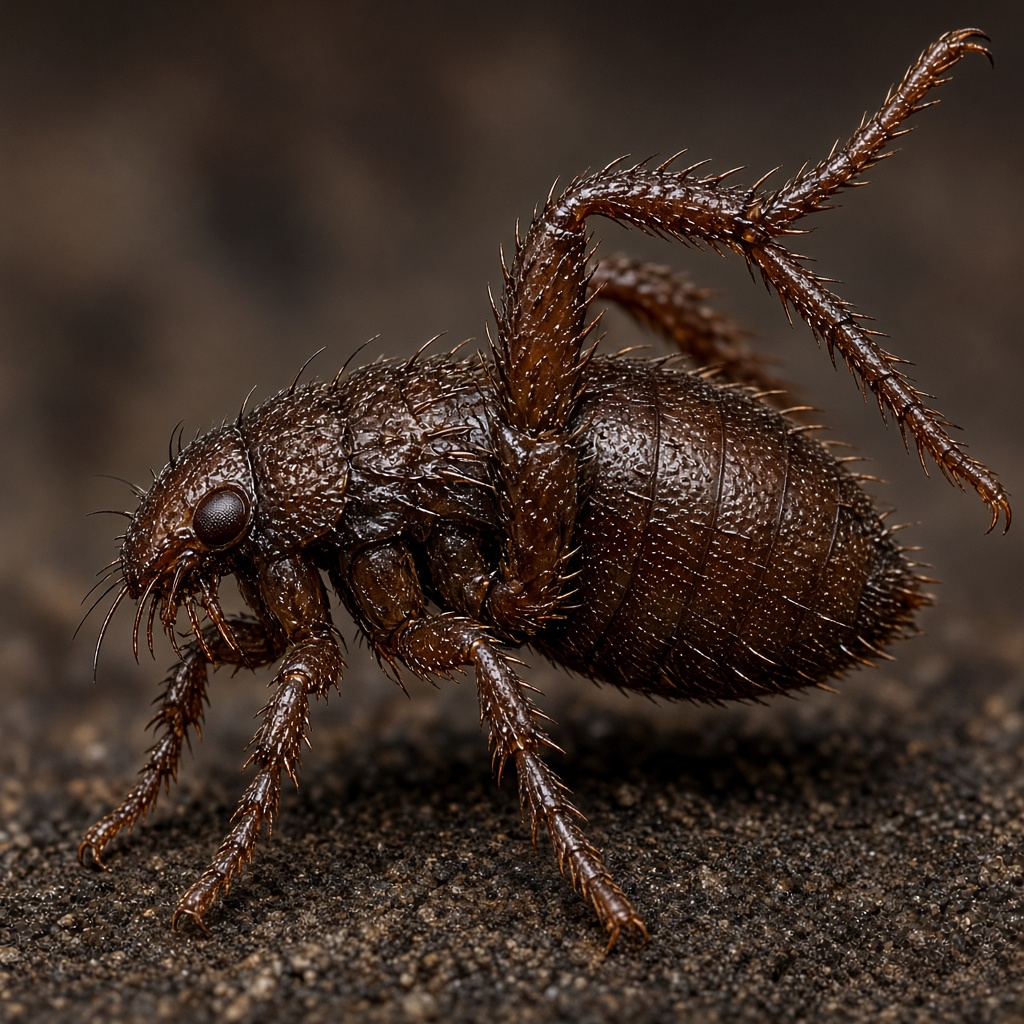
Siphonaptera (order)
Small itchy red spots around ankles—often linked to pets or carpets.
Quick identification
- Small itchy red spots
- Often around lower legs and ankles
- May appear in small clusters
- Pets, carpets, or animal areas are common clues
- Reactions vary by person
Appearance of the bite
Typical bite size
Usually small (a few millimeters), sometimes with a tiny dark center
Color
Bright red to pink
Shape
Small round spots or raised bumps
Texture
Itchy; may look like tiny punctures with a halo
About the insect
Insect size
About 1–3 mm; laterally flattened
Insect color
Dark brown to reddish-brown
Habitat / exposure
Pets, carpets, furniture, and outdoor mammal nests
- Household pets or visiting animals
- Carpets and upholstered furniture
- Outdoor grassy areas with animals
Typical bite pattern
Pattern: Small itchy red spots, sometimes with a dark center; often clustered rather than one large welt
Common location: Lower legs and ankles most often
Timing: Anytime indoors with pets; outdoors near animals
Typical number: Often several bites in a localized cluster, especially on ankles
How it changes over time
Flea bites can itch intensely soon after or within hours. Redness may persist for days. Scratching can worsen irritation or lead to secondary infection.
Key clues for identification
Flea bites often cluster on lower legs and ankles and are linked to pets or carpets. Unlike many mosquito bites (scattered on exposed skin after outdoor dusk exposure), fleas lean toward ankle-focused indoor patterns. Unlike bed bugs, they are less specifically tied to sleeping skin uncovered in bed.
Reaction variability
Some people notice only tiny red dots; others develop larger itchy bumps. Pets in the home raise suspicion, but appearance alone cannot confirm fleas.
Lookalikes
- Bed bug bites
- Chigger bites
- Mosquito bites
Basic care
Treat pets as advised by a veterinarian, vacuum thoroughly, and wash bites gently with itch relief as needed.
When to seek medical care
Seek urgent care for breathing difficulty, facial/throat swelling, or widespread hives. See a clinician for increasing warmth, pain, pus, red streaking, or fever.
Flea FAQ
What do flea bites look like?›
Small itchy red spots around ankles—often linked to pets or carpets. Typical bite size: Usually small (a few millimeters), sometimes with a tiny dark center. Color: Bright red to pink.
How can I tell flea bites apart from lookalikes?›
Flea bites often cluster on lower legs and ankles and are linked to pets or carpets. Unlike many mosquito bites (scattered on exposed skin after outdoor dusk exposure), fleas lean toward ankle-focused indoor patterns. Unlike bed bugs, they are less specifically tied to sleeping skin uncovered in bed.
How do flea bites change over time?›
Flea bites can itch intensely soon after or within hours. Redness may persist for days. Scratching can worsen irritation or lead to secondary infection.
Do flea bites look the same on everyone?›
Some people notice only tiny red dots; others develop larger itchy bumps. Pets in the home raise suspicion, but appearance alone cannot confirm fleas.
When should I seek medical care for flea bites?›
Seek urgent care for breathing difficulty, facial/throat swelling, or widespread hives. See a clinician for increasing warmth, pain, pus, red streaking, or fever.
Educational disclaimer
AnimalIDFinder provides educational information about insects and common bite or sting patterns. This page does not diagnose disease, confirm what bit you from a skin photo alone, or replace a clinician. For emergencies, call local emergency services.