🪰 Horsefly / deer fly Bites
Tabanidae (family)
Larger, painful welt that may bleed briefly—more pain than itch.
Quick identification
- Painful welt more than itchy bump
- May bleed briefly
- Larger swelling than a typical mosquito bite
- Daytime outdoor exposure
- One or a few painful bites
Appearance of the bite
Typical bite size
Often larger than a mosquito bite; swelling can be noticeable
Color
Red, angry-looking welt
Shape
Raised dome or swollen patch
Texture
Painful; may ooze a little blood at first
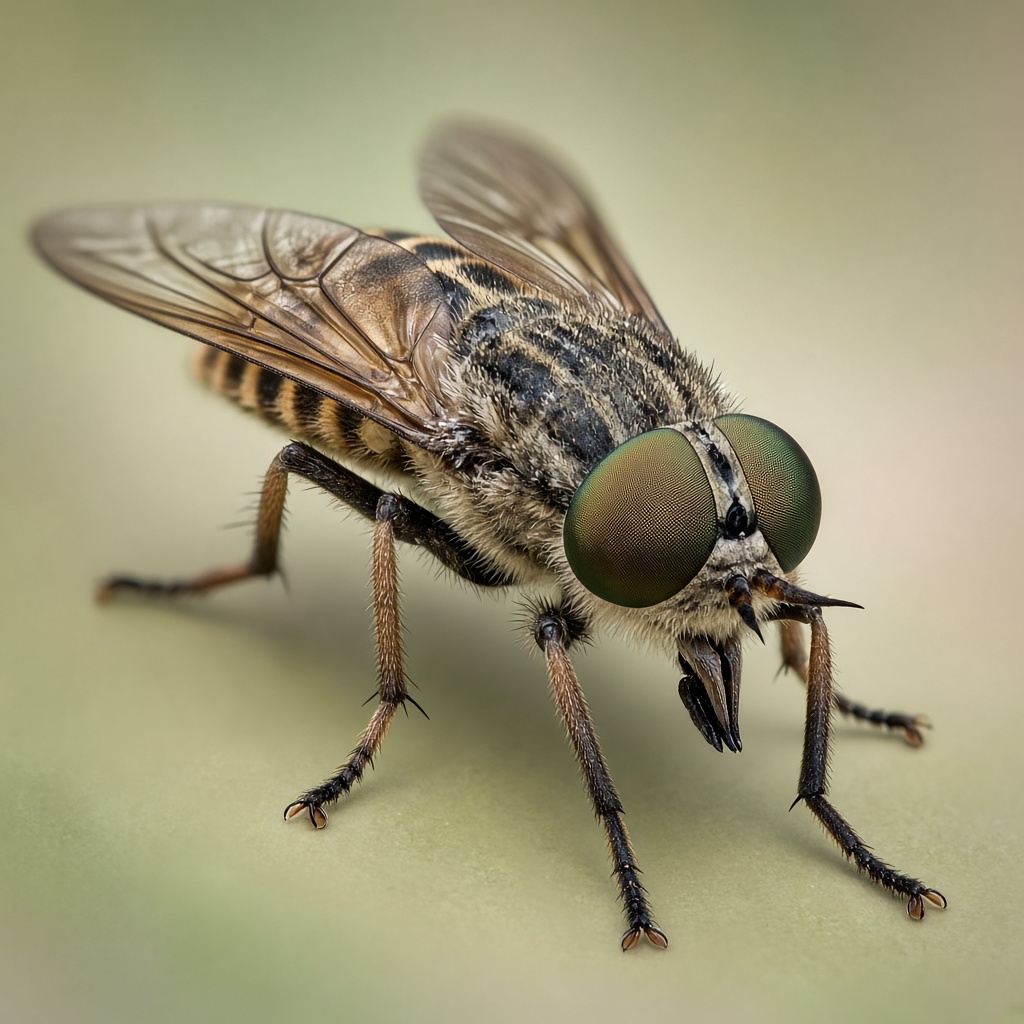
About the insect
Insect size
Often 10–25 mm (larger than a house fly)
Insect color
Dark body; deer flies often have patterned wings
Habitat / exposure
Outdoors near livestock, wetlands, trails, and sunny fields
- Daytime outdoors in warm months
- Near animals, water, or open fields
- Exposed arms, legs, neck, scalp
Typical bite pattern
Pattern: Large painful welt; may bleed; bigger/more painful than typical mosquito bites
Common location: Exposed arms, legs, neck, and scalp outdoors
Timing: Daytime outdoors in warm months
Typical number: Often one or a few painful bites rather than many tiny spots
How it changes over time
Pain is usually immediate. Swelling and redness can increase over hours, then gradually improve over days. Some people bruise or remain tender longer.
Key clues for identification
Pain-forward welts after daytime outdoor exposure suggest biting flies more than itchy overnight bed-bug clusters. Unlike bee/wasp stings, horseflies are flies that slash/bite and may cause brief bleeding.
Reaction variability
Swelling size varies. A “big bug bite” outdoors is not automatically a horsefly—wasps and bees can look similar. Appearance alone is not definitive.
Lookalikes
- Wasp sting
- Bee sting
- Large mosquito bite
Basic care
Clean the area and use cold compresses. Avoid scratching if a scab forms.
When to seek medical care
Seek urgent care for trouble breathing, dizziness, facial/throat swelling, or rapidly spreading redness. See a clinician for infection signs or severe swelling.
Horsefly / deer fly FAQ
What do horsefly bites look like?›
Larger, painful welt that may bleed briefly—more pain than itch. Typical bite size: Often larger than a mosquito bite; swelling can be noticeable. Color: Red, angry-looking welt.
How can I tell horsefly bites apart from lookalikes?›
Pain-forward welts after daytime outdoor exposure suggest biting flies more than itchy overnight bed-bug clusters. Unlike bee/wasp stings, horseflies are flies that slash/bite and may cause brief bleeding.
How do horsefly bites change over time?›
Pain is usually immediate. Swelling and redness can increase over hours, then gradually improve over days. Some people bruise or remain tender longer.
Do horsefly bites look the same on everyone?›
Swelling size varies. A “big bug bite” outdoors is not automatically a horsefly—wasps and bees can look similar. Appearance alone is not definitive.
When should I seek medical care for horsefly bites?›
Seek urgent care for trouble breathing, dizziness, facial/throat swelling, or rapidly spreading redness. See a clinician for infection signs or severe swelling.
Educational disclaimer
AnimalIDFinder provides educational information about insects and common bite or sting patterns. This page does not diagnose disease, confirm what bit you from a skin photo alone, or replace a clinician. For emergencies, call local emergency services.