🔍 Lice Bites
Pediculus / Pthirus (genera)
Itching of scalp, body, or pubic area; look for nits and crawling insects—not a classic “yard bite.”
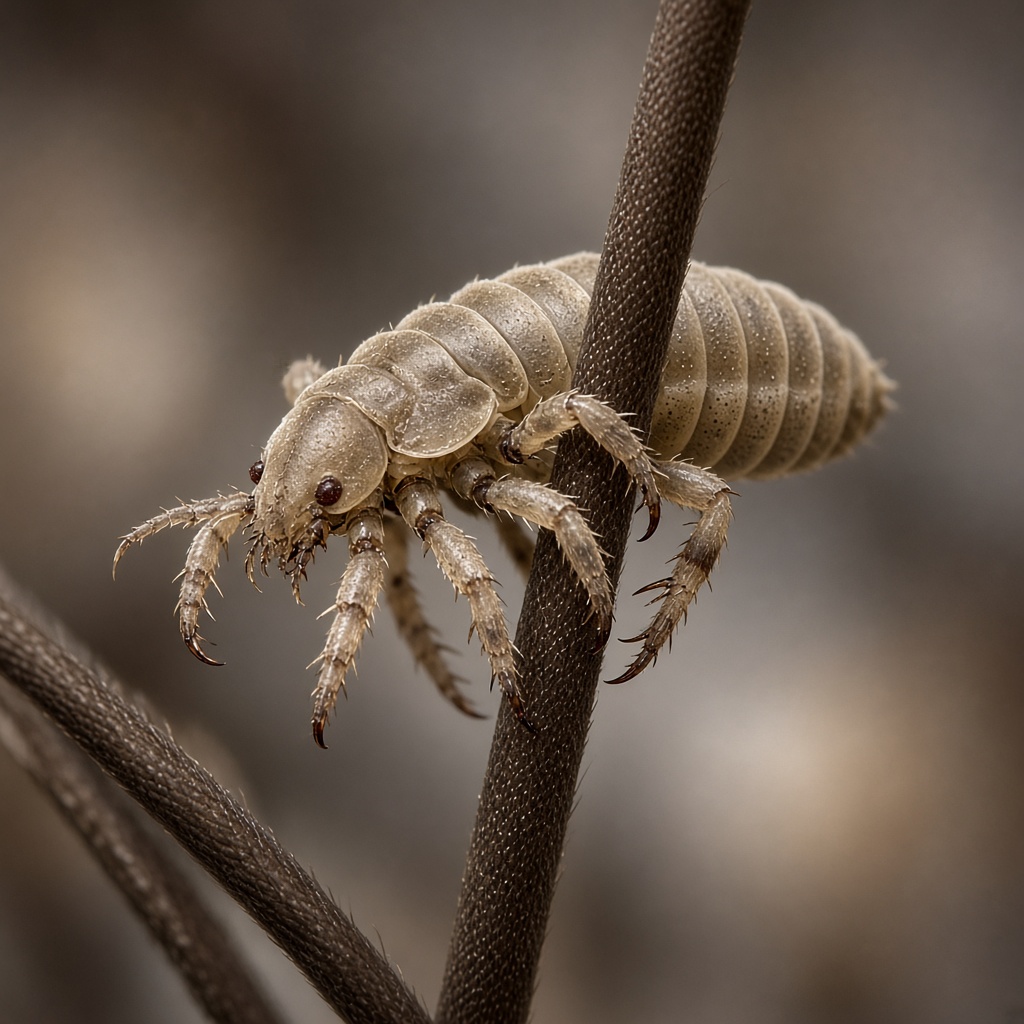
Quick identification
- Persistent itching of scalp or clothing contact areas
- Nits (eggs) glued to hair shafts
- Crawling insects may be seen
- Spreads by close contact or shared items
- Not a typical outdoor “single welt” pattern
Appearance of the bite
Typical bite size
Small red marks; scalp irritation may look patchy rather than one welt
Color
Red irritation; scratch marks common
Shape
Small papules or irritated scalp skin
Texture
Itchy; may feel crawly
About the insect
Insect size
About 2–3 mm
Insect color
Tan to grayish-white
Habitat / exposure
Human hair, clothing seams, or pubic hair depending on species
- Close personal contact
- Shared hats, brushes, bedding (species-dependent)
- School/household clusters for head lice
Typical bite pattern
Pattern: Itchy scalp or skin with small red marks; nits on hair are a key clue
Common location: Head lice: scalp; body lice: clothing contact areas; pubic lice: coarse hair
Timing: Ongoing until treated
Typical number: Multiple irritation sites possible; infestation rather than one outdoor bite
How it changes over time
Itching can build over days as infestation continues. Scratching may cause secondary irritation.
Key clues for identification
Nits and live lice are stronger evidence than a generic red bump. Unlike mosquito or flea welts after outdoors/pets, lice patterns follow hair and close-contact settings.
Reaction variability
Some infestations itch intensely; others are milder. Not every itchy scalp is lice—confirm with careful inspection.
Lookalikes
- Dandruff (nits glue firmly)
- Dry scalp
- Other itchy rashes
Basic care
Use appropriate lice treatments and wash bedding/clothing as directed. Follow school or household guidance when relevant.
When to seek medical care
See a clinician if you are unsure of the diagnosis, treatments fail, or skin becomes infected from scratching. Seek urgent care for severe allergic symptoms.
Lice FAQ
What do lice bites look like?›
Itching of scalp, body, or pubic area; look for nits and crawling insects—not a classic “yard bite.” Typical bite size: Small red marks; scalp irritation may look patchy rather than one welt. Color: Red irritation; scratch marks common.
How can I tell lice bites apart from lookalikes?›
Nits and live lice are stronger evidence than a generic red bump. Unlike mosquito or flea welts after outdoors/pets, lice patterns follow hair and close-contact settings.
How do lice bites change over time?›
Itching can build over days as infestation continues. Scratching may cause secondary irritation.
Do lice bites look the same on everyone?›
Some infestations itch intensely; others are milder. Not every itchy scalp is lice—confirm with careful inspection.
When should I seek medical care for lice bites?›
See a clinician if you are unsure of the diagnosis, treatments fail, or skin becomes infected from scratching. Seek urgent care for severe allergic symptoms.
Educational disclaimer
AnimalIDFinder provides educational information about insects and common bite or sting patterns. This page does not diagnose disease, confirm what bit you from a skin photo alone, or replace a clinician. For emergencies, call local emergency services.