🟤 Mite Bites
Acari (various)
Itchy rash from tiny mites (including some bird/rodent mites); hard to see without magnification.
Quick identification
- Itchy red bumps or rash
- Insect itself rarely seen
- May relate to dust, nests, or stored materials
- Can be widespread
- Medical rashes (including scabies) need clinical diagnosis
Appearance of the bite
Typical bite size
Small bumps; rash areas can appear larger as groups
Color
Red to pink
Shape
Scattered papules or patchy rash
Texture
Itchy; may resemble eczema or other dermatitis
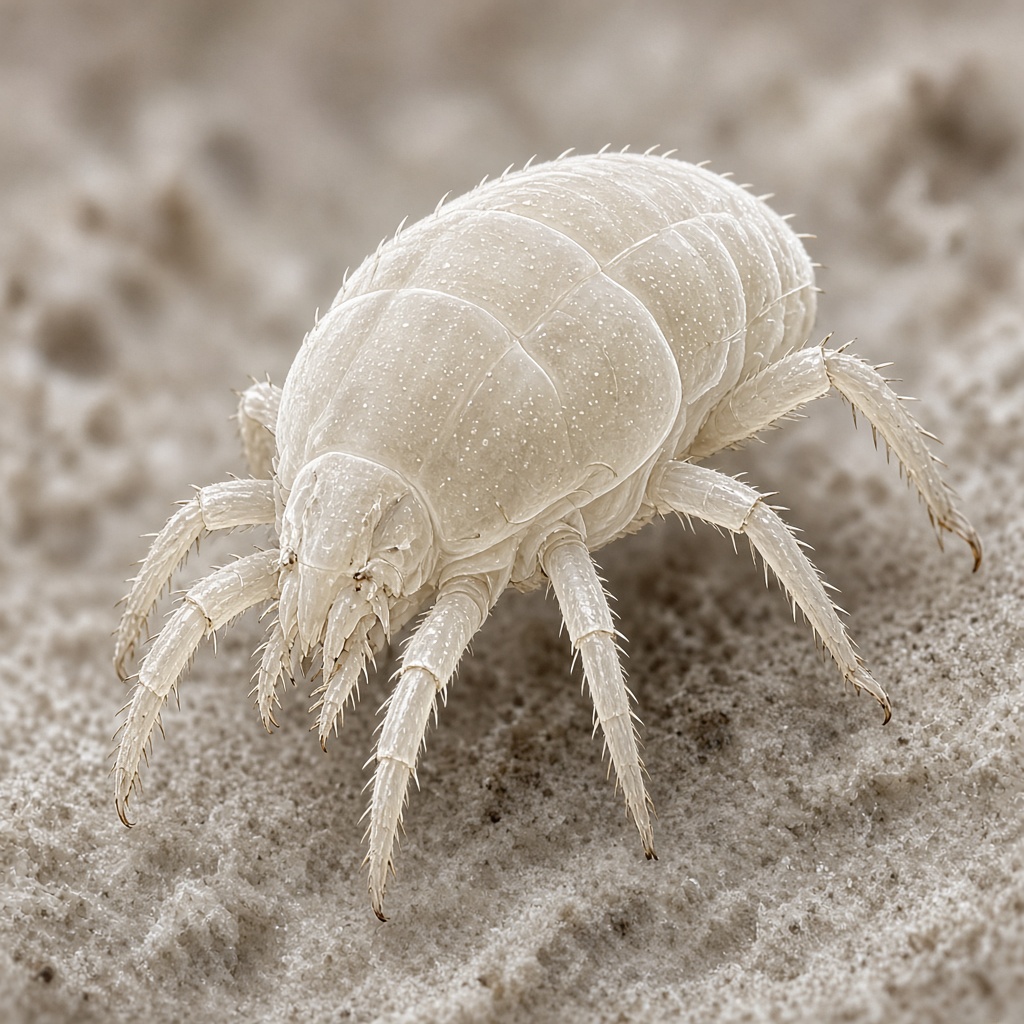
About the insect
Insect size
Often under 1 mm—easy to miss
Insect color
Pale to reddish; varies by species
Habitat / exposure
Dust, stored products, bird/rodent nests, and some outdoor vegetation
- Contact with infested materials or nests
- Indoor dust/storage areas
- Pets or wildlife nesting nearby
Typical bite pattern
Pattern: Itchy red bumps or rash; mite rarely visible
Common location: Arms, torso, and areas contacting infested materials
Timing: Can persist while mites remain in the environment
Typical number: Often multiple itchy spots rather than one isolated welt
How it changes over time
Itching may continue while exposure continues. Clearing the environmental source is often needed for improvement.
Key clues for identification
Hard-to-see mites plus environmental clues (nests, dust, stored goods) matter more than matching one photo. Scabies and other medical rashes require clinician diagnosis—do not self-diagnose from a website image.
Reaction variability
Rash intensity varies widely. Many itchy rashes look similar—appearance alone cannot confirm mites.
Lookalikes
- Chigger bites
- Flea bites
- Eczema
- Scabies (medical diagnosis)
Basic care
Address environmental sources (nests, pets, dust). Use gentle skin care and itch relief. Seek professional diagnosis when rash is persistent or uncertain.
When to seek medical care
See a clinician for persistent unexplained rash, suspected scabies, infection signs, fever, or severe allergic symptoms. Educational pages are not a diagnosis.
Mite FAQ
What do mite bites look like?›
Itchy rash from tiny mites (including some bird/rodent mites); hard to see without magnification. Typical bite size: Small bumps; rash areas can appear larger as groups. Color: Red to pink.
How can I tell mite bites apart from lookalikes?›
Hard-to-see mites plus environmental clues (nests, dust, stored goods) matter more than matching one photo. Scabies and other medical rashes require clinician diagnosis—do not self-diagnose from a website image.
How do mite bites change over time?›
Itching may continue while exposure continues. Clearing the environmental source is often needed for improvement.
Do mite bites look the same on everyone?›
Rash intensity varies widely. Many itchy rashes look similar—appearance alone cannot confirm mites.
When should I seek medical care for mite bites?›
See a clinician for persistent unexplained rash, suspected scabies, infection signs, fever, or severe allergic symptoms. Educational pages are not a diagnosis.
Educational disclaimer
AnimalIDFinder provides educational information about insects and common bite or sting patterns. This page does not diagnose disease, confirm what bit you from a skin photo alone, or replace a clinician. For emergencies, call local emergency services.