كيف تفرق بين الحيوانات المتشابهة
قم بتحميل صورة لتشغيل التحديد البصري AI المستهدف بين الأنواع، واختبر معرفتك الميدانية من خلال الاختبارات التفاعلية، واستكشف مقارنات التشريح جنبًا إلى جنب.
Butterfly مقابل Moth - كيف نفرق بينهما
الاختلافات البصرية الرئيسية، وقواعد تحديد المجال، والنقاط التشريحية، وتحليل AI الزوجي.
The easiest way to tell a butterfly from a moth is antenna shape and resting position: butterflies have slender antennae ending in round club knobs and rest with wings folded straight up over their back, whereas moths have feathery or comb-like antennae and rest with wings spread flat.
| الميزة | 🦋 Butterfly | 🦋 Moth |
|---|---|---|
| Antennae Tip | Thin with round bulbous club knob | Feathery, comb-like, or thread-like |
| Wing Resting | Folded vertically upright over back | Draped flat or tent-like over body |
| Flight Schedule | Active during sunny daylight (diurnal) | Active under dark night skies (nocturnal) |
| Body Texture | Smooth, slender abdomen | Stout, furry body with heat scales |
| Cocoon Type | Smooth hard chrysalis | Silky spun cocoon woven with hair |
أي واحد هذا؟Butterfly vs Moth
هل شاهدت حيوانًا في صورة أو ملاحظة ميدانية؟ قم بتحميله هنا، وسوف يقوم AI بتقييم سماته البصرية الدقيقة على وجه التحديد بين هذين النوعين المرشحين!
مراقب الميزات الميدانية التشريحية
انقر فوق أجزاء معينة من الجسم أو العلامات الموجودة أدناه لفحص سمات التباين التشريحية جنبًا إلى جنب.
Butterfly
Antennae Tip السمةLong and thin with a round bulbous club knob at the tip.
Moth
Antennae Tip السمةFeathery, comb-like, or fuzzy without a tip knob.
مقارنة الحجم والمقياس مع المعيار البشري
شاهد كيف يقيس Butterfly وMoth نسبة إلى الإنسان العادي (👤 1.8 م / 80 كجم).
💡 ملاحظة ميدانية: Moths outnumber butterflies 9 to 1!
💡 ملاحظة ميدانية: Butterflies thrive in warm sunshine
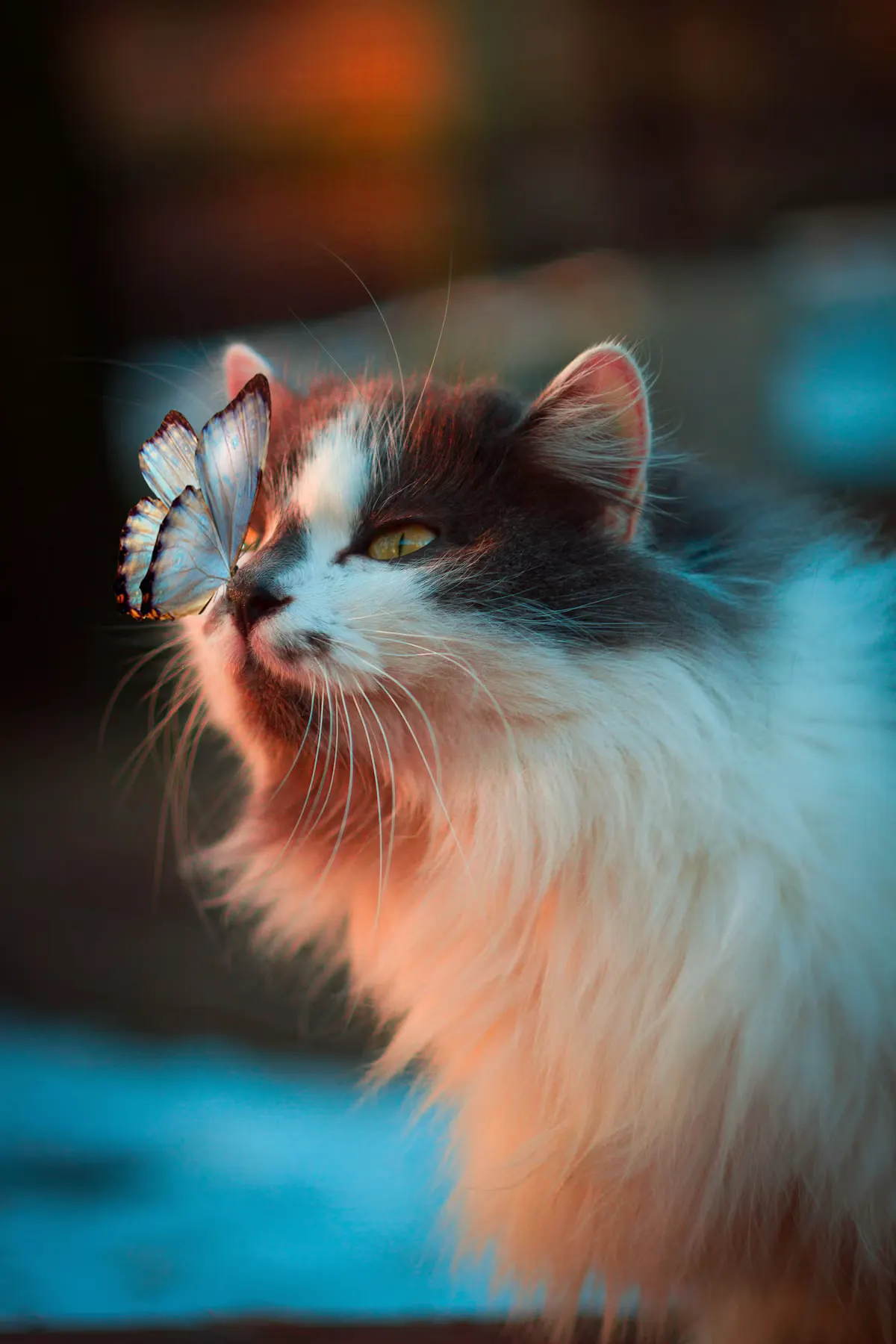
🦋Butterfly
Rhopalocera
- Thin antennae with clubbed ends
- Vibrant bright wing colors
- Rests with wings folded upright

🦋Moth
Heterocera
- Feathery or saw-toothed antennae
- Drab earth-tone wings (brown/grey)
- Stout fuzzy body
مقارنة السمات
مصفوفة مقارنة الأنواع المكونة من 14 نقطة
تصنيف مفصل جنبًا إلى جنب، والأبعاد التشريحية، والموائل، والانهيار السلوكي.
| البعد البيولوجي | 🦋 Butterfly | 🦋 Moth |
|---|---|---|
| Wingspan | 2 – 28 cm | 0.8 – 30 cm |
| Species Count | ~17,500 species worldwide | ~160,000 species worldwide |
| Antennae Shape | Slender with round bulbous club knobs | Feathery, comb-like, or thread-like |
| Wing Resting Position | Folded vertically upright over back | Spread flat or tented over body |
| Body Texture | Smooth, slender, lean abdomen | Stout, furry, covered in heat scales |
| Wing Coloration | Vibrant, bright iridescent hues | Muted browns, greys, earth tones |
| Active Flight Time | Diurnal (sunny daytime hours) | Nocturnal (under dark night skies) |
| Pupal Stage | Smooth exposed chrysalis hanging on twigs | Silky woven cocoon hidden in soil |
| Eye Structure | Apposition compound eyes (high resolution) | Superposition compound eyes (night vision) |
| Wing Coupling | Overlapping wing veins (no frenulum) | Bristled frenulum locks fore/hind wings |
| Habitat | Sunny gardens, meadows, open forests | Forests, fields, porch light fixtures at night |
| Diet | Flower nectar, tree sap, mineral mud | Nectar, rotting fruit, or non-feeding adult |
| Lifespan | 2 weeks – 9 months (Monarch migration) | 1 – 2 weeks (many adults lack mouthparts) |
| Conservation Status | Various (Monarch endangered) | Varies by species |
لماذا يخلط الناس بين Butterfly وMoth؟
غالبًا ما تخدع التشابهات السطحية المراقبين. إليكم سبب تشابههما وكيفية تجنب الفخ.
السمات المشتركة السطحية
- Insects belonging to the order Lepidoptera with large scale-covered wings
- Complete metamorphosis life cycles (egg → caterpillar → chrysalis/cocoon → adult)
- Feed on flower nectar using coiled proboscis tongue tubes
الفروق الميدانية النهائية
- Butterflies fly during the day in warm sunshine; Moths are predominantly nocturnal.
- Butterfly antennae end in distinct rounded bulbs/clubs; Moth antennae are feathery or thread-like.
- Butterflies rest with wings folded vertically straight up; Moths rest with wings spread flat or draped over their back.
ما الذي يجب أن أبحث عنه في البرية؟
راقب علامات أو سلوكيات الحقول الرئيسية وحدد السمات المطابقة لإجراء حساب تشخيصي مباشر.
Antennae Shape: Butterfly antennae are long and thin with a round knob at the tip; Moth antennae are feathery or comb-like.
Wing Resting Position: Butterflies hold their wings vertically over their back when resting; Moths hold wings flat against their body.
Activity Time: Butterflies are active during sunny days (diurnal); Moths are active at night (nocturnal).
Body Texture: Moths usually have stout, furry bodies; Butterflies have smooth, slender bodies.
هل يمكنك التمييز بينهم؟
اختبر مهاراتك في الملاحظة على السمات التشريحية الرئيسية واحصل على شارات التصنيف!
"Which insect rests with its wings folded vertically upright over its back?"
كاشف فكرة الحيوان الغامض🔎
هل يمكنك تحديد الأنواع التي يعتمد هذا على أدلة ميدانية خطوة بخطوة؟ تخمين في وقت سابق للحصول على نقاط أعلى!
Flies primarily under the cover of night (nocturnal) and is famously drawn toward porch lights and campfire glows.
اكشف عن دليل المرحلة 2 لقراءة الموقع أو علامات المعطف أو الأسرار التشريحية...
اكشف عن دليل المرحلة 3 لقراءة الموقع أو علامات المعطف أو الأسرار التشريحية...
اكشف عن دليل المرحلة 4 لقراءة الموقع أو علامات المعطف أو الأسرار التشريحية...
هل أنت مستعد للتخمين؟
حدد الحيوان المرشح الذي يطابق هذه القرائن الميدانية الآن (100 نقطة):
أسئلة التعريف الشائعة
Why are moths drawn to artificial lights at night?
Moths navigate using a system called transverse orientation—keeping a natural light source like the moon at a constant angle. Artificial lights trick their navigation, causing them to spiral inward toward the light.
Do all moths fly only at night?
Not all! While ~90% of moths are nocturnal, there are diurnal day-flying moths (like the Hummingbird Hawk-Moth and Sunset Moth) that feature bright colors like butterflies.
How do butterfly caterpillars differ from moth caterpillars?
Moth caterpillars often have thick hairy bristles (like woolly bear caterpillars) or spin silk cocoons. Butterfly caterpillars are usually smoother, though some have fleshy spikes.
حقيقة ممتعة للمقارنة:
Moths outnumber butterflies 9 to 1! There are roughly 160,000 species of moths compared to only 17,500 species of butterflies.
هل وجدت حيوانًا وما زلت غير متأكد من نوعه؟
قم بتحميل أي صورة للسماح لـ AI بفحص وريداتها أو شكل المنقار أو الخطم أو أنماط القياس الدقيقة!