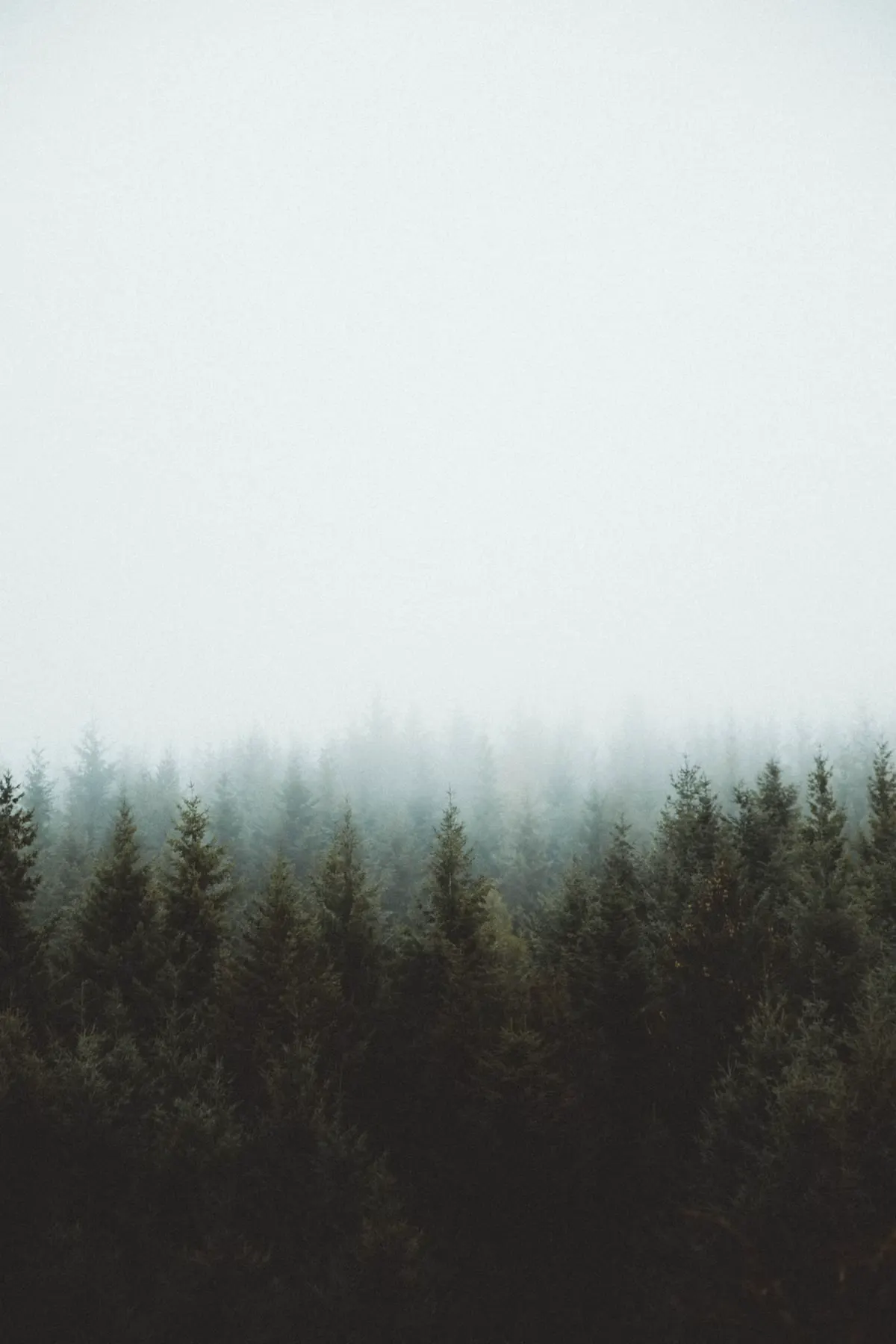
Sahara Desert
The world's largest hot desert spanning 9.2 million km² of hyper-arid sand ergs, reg plateaus, and oases.
0°C at night to 50°C in afternoon (32°F - 122°F)
Less than 100 mm (4 in) per year, with years of zero rain
Hyper-arid with extreme diurnal thermal fluctuations
Egypt, Algeria, Chad, Libya, Mali, Mauritania, Morocco, Niger, Sudan, Tunisia
Ecosystem Structure & Biodiversity
Despite extreme thermal shifts and water scarcity, the Sahara supports hyper-specialized xerocoles—animals adapted with reflective fur, concentrated renal systems, subterranean burrows, and oversized appendages designed for heat dissipation.
- ✓The Sahara is roughly equal in size to the entire United States or China.
- ✓Only 25% of the Sahara is sand dunes (ergs); the remaining 75% is rocky gravel plateau (reg).
- ✓The Sahara was a lush green savanna covered in lakes and hippos just 6,000 years ago.
Rulers of the Food Chain
Desertification pushing beyond boundary zones, motorized over-hunting, and expanding solar infrastructure disturbing sensitive dry dunes.
Wildlife Inhabiting Sahara Desert
Browse profiled species, adaptations, canopy layers, and conservation status
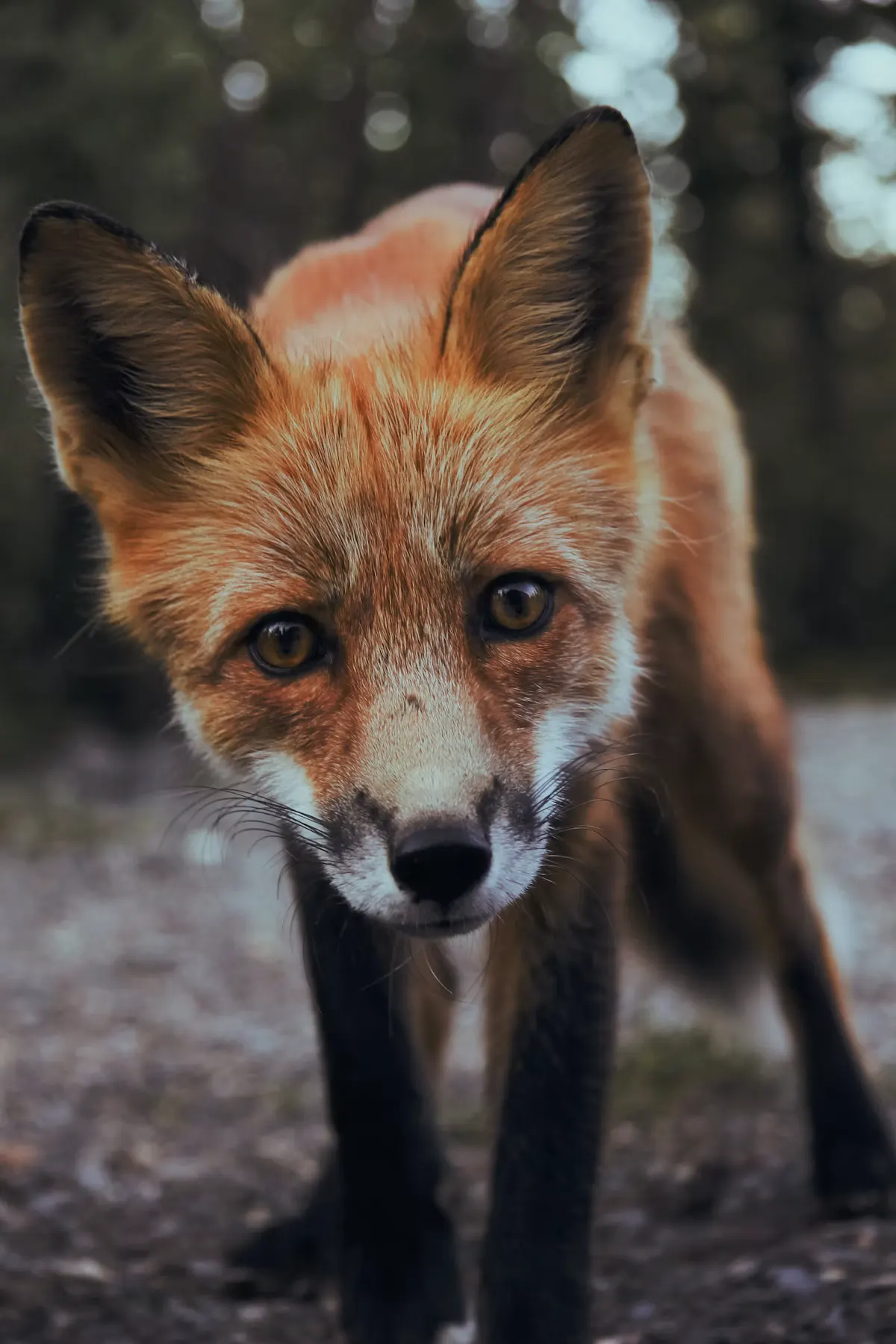
Fennec Fox
Vulpes zerda

Dromedary Camel
Camelus dromedarius
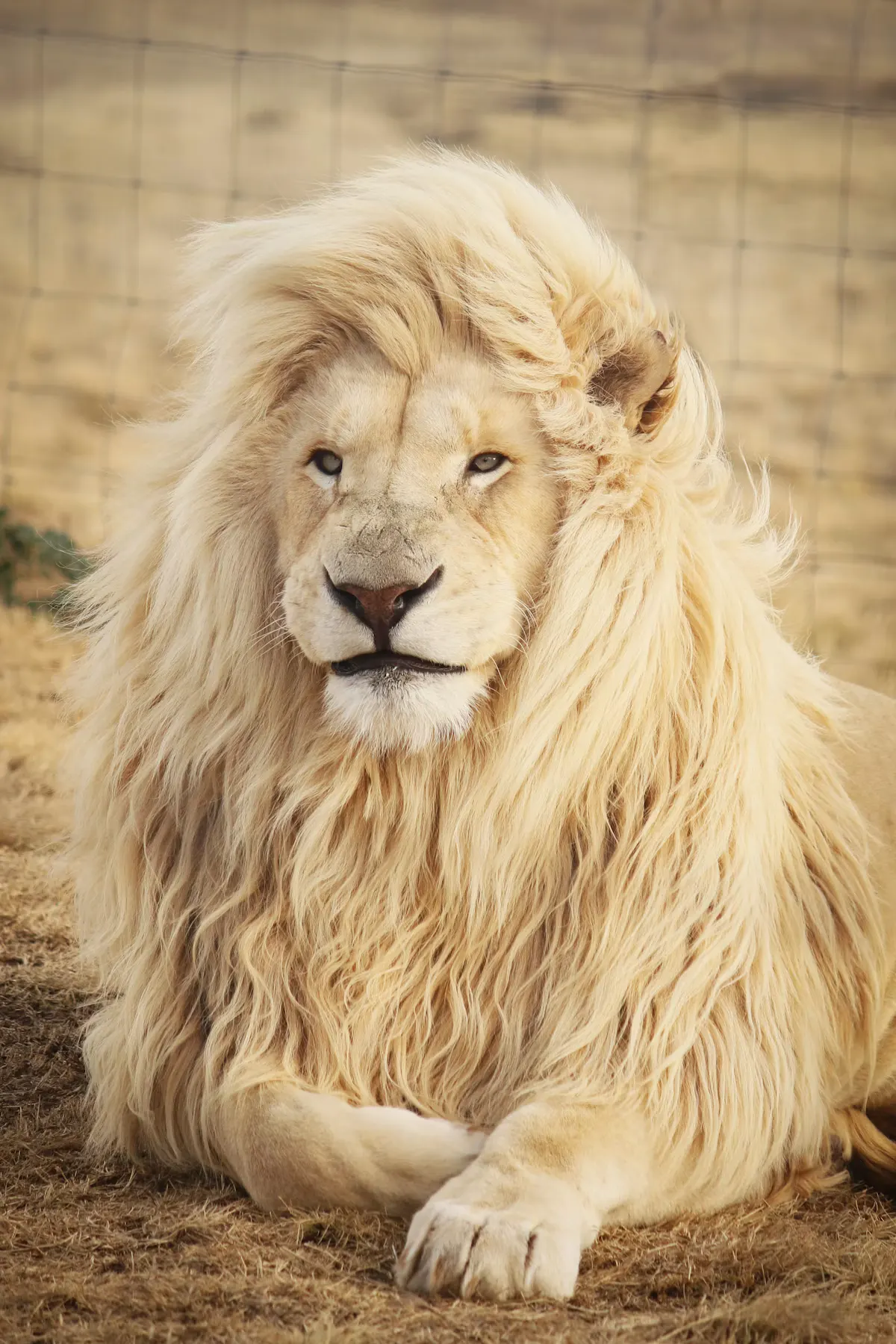
Addax (White Antelope)
Addax nasomaculatus
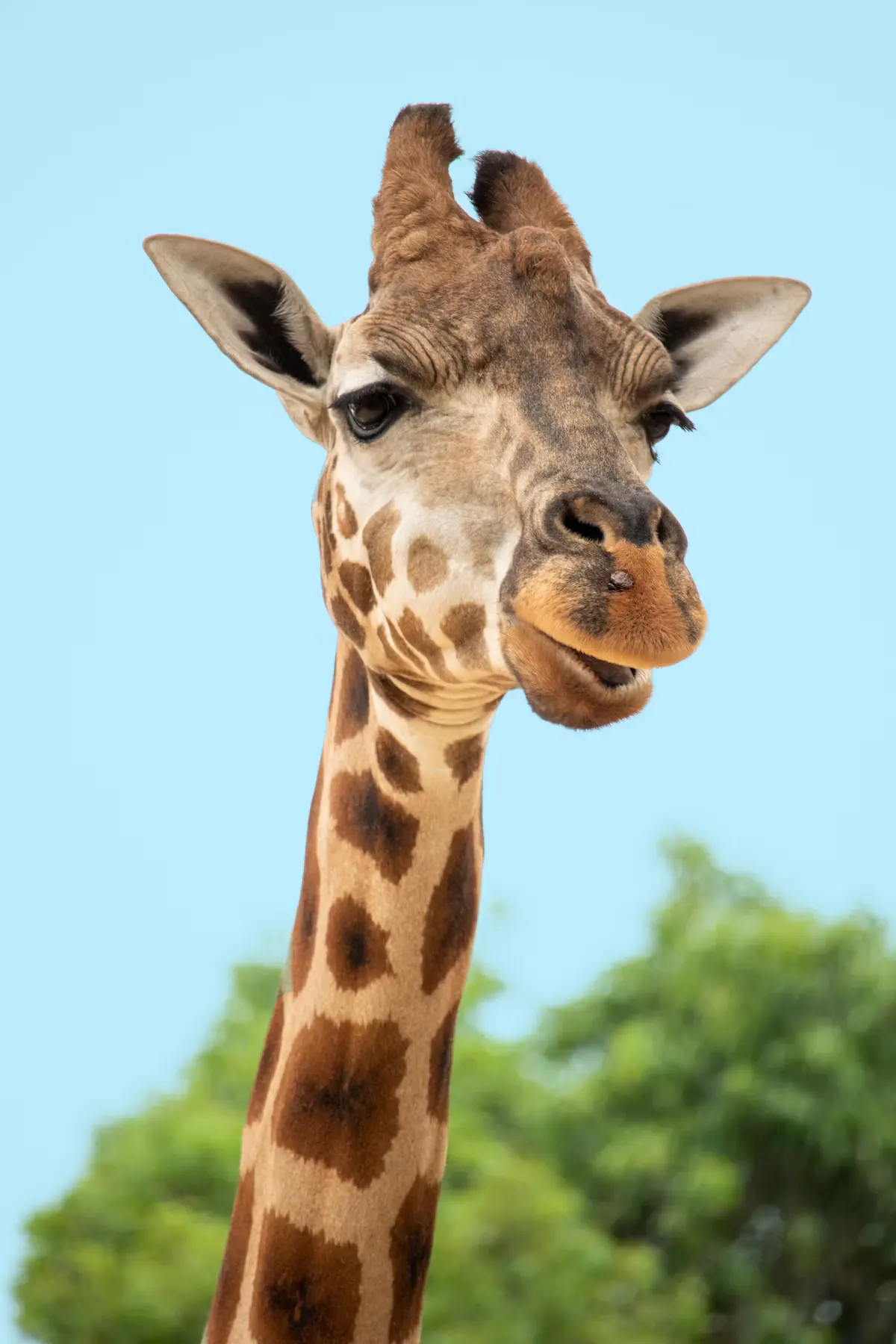
Dorcas Gazelle
Gazella dorcas
Sahara Sandgrouse
Pterocles coronatus

Lappet-faced Vulture
Torgos tracheliotos

Sahara Horned Viper
Cerastes cerastes
Spiny-tailed Lizard (Uromastyx)
Uromastyx geyri
Mauritania Toad
Sclerophrys mauritanica
Desert Guelta Barbel
Labeobarbus deserti
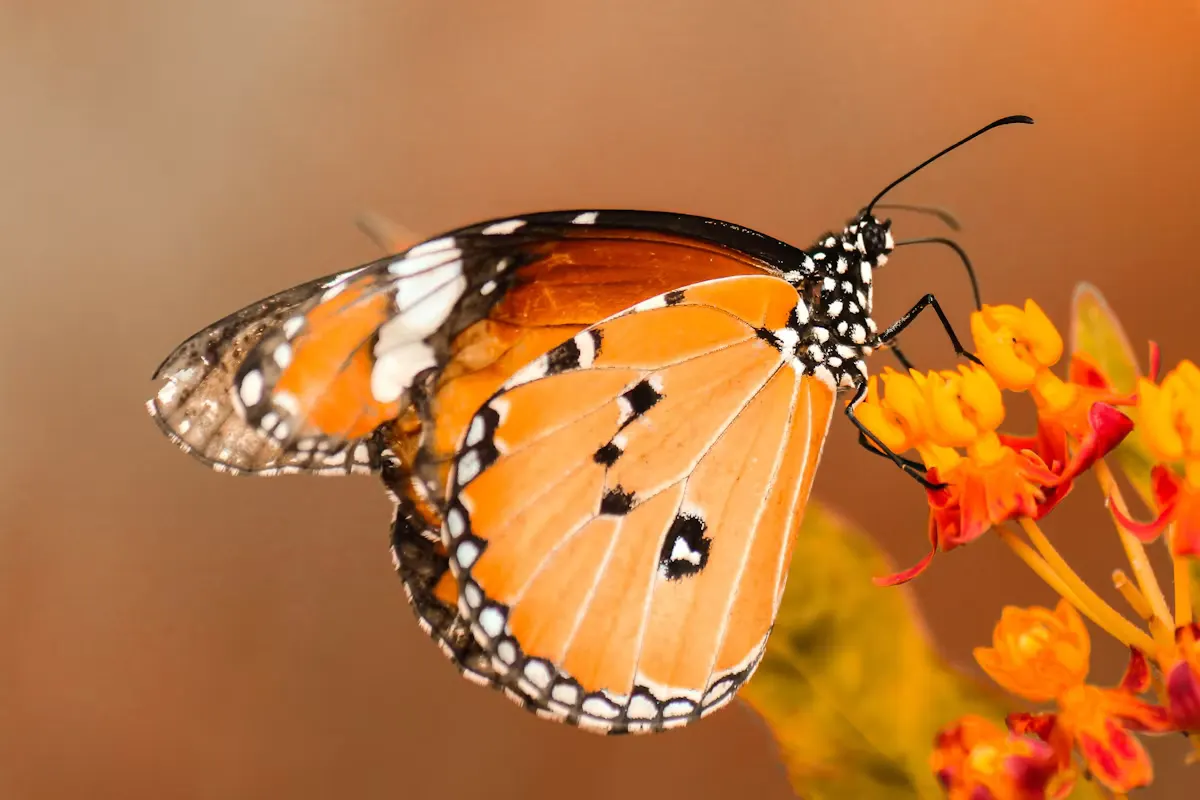
Deathstalker Scorpion
Leiurus quinquestriatus

Saharan Silver Ant
Cataglyphis bombycina
Related Animal Comparisons
Compare similar looking predators or ecological counterparts living in or around Sahara Desert: