🛏️ Bed bug Bites
Cimex lectularius
Itchy red bumps in a line or small cluster after sleeping—classic “breakfast, lunch, dinner.”
Quick identification
- Itchy red bumps in a line or small cluster
- Often on skin uncovered in bed
- Noticed after sleeping
- Finding the insect or shed skins is more reliable than rash alone
- Appearance varies between people
Appearance of the bite
Typical bite size
Usually a few millimeters; swelling can look larger in sensitive people
Color
Red to pink raised bumps
Shape
Round bumps that may form a line or small group
Texture
Itchy and raised; may look similar to other insect welts
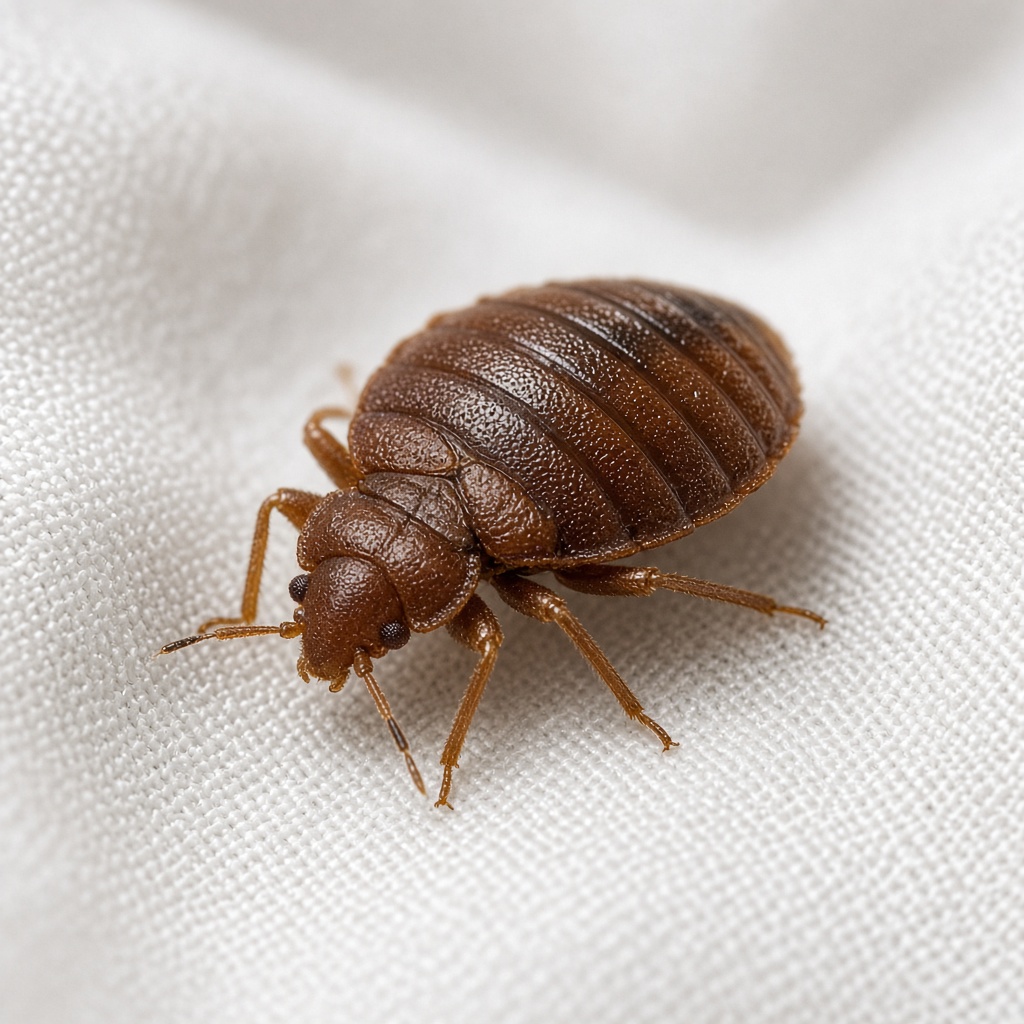
About the insect
Insect size
Adults about 4–5 mm; flat oval body
Insect color
Reddish-brown; darker after feeding
Habitat / exposure
Mattresses, bed frames, headboards, luggage, and cracks near sleeping areas
- Overnight indoor exposure while sleeping
- Hotels, apartments, used furniture, or luggage transfer
- Bites on uncovered skin in bed
Typical bite pattern
Pattern: Itchy red bumps in a straight line or small cluster (“breakfast, lunch, dinner”)
Common location: Arms, shoulders, back, face, and other skin uncovered in bed
Timing: Typically overnight while sleeping
Typical number: Often several bites in a line or small group rather than one isolated welt
How it changes over time
Bed bug bites may not be noticed immediately. Itching and redness can increase over hours to a day. Marks may persist for several days. Some people show little reaction at first and only notice marks later.
Key clues for identification
Key clues include itchy bumps appearing after sleep, often in a line or small cluster on uncovered skin. Unlike typical mosquito bites (often scattered after outdoor time), bed bug patterns lean indoor/overnight. Confirming flat reddish-brown insects, fecal spots, or shed skins is more reliable than the rash alone.
Reaction variability
Some people barely react; others develop intense itching and larger welts. Delayed reactions are common. A rash that looks “classic” in one person may be subtle in another—appearance alone is not definitive.
Lookalikes
- Flea bites
- Mosquito bites
- Allergic hives
- Other overnight insect bites
Basic care
Treat itching and inspect bedding/furniture. If infestation is confirmed, professional pest control is usually needed. Wash and dry bedding on high heat when appropriate.
When to seek medical care
Seek care for difficulty breathing, facial/throat swelling, widespread hives, or severe allergic symptoms. See a clinician if bites become increasingly painful, warm, swollen, or produce pus, or if fever develops.
Bed bug FAQ
What do bed bug bites look like?›
Itchy red bumps in a line or small cluster after sleeping—classic “breakfast, lunch, dinner.” Typical bite size: Usually a few millimeters; swelling can look larger in sensitive people. Color: Red to pink raised bumps.
How can I tell bed bug bites apart from lookalikes?›
Key clues include itchy bumps appearing after sleep, often in a line or small cluster on uncovered skin. Unlike typical mosquito bites (often scattered after outdoor time), bed bug patterns lean indoor/overnight. Confirming flat reddish-brown insects, fecal spots, or shed skins is more reliable than the rash alone.
How do bed bug bites change over time?›
Bed bug bites may not be noticed immediately. Itching and redness can increase over hours to a day. Marks may persist for several days. Some people show little reaction at first and only notice marks later.
Do bed bug bites look the same on everyone?›
Some people barely react; others develop intense itching and larger welts. Delayed reactions are common. A rash that looks “classic” in one person may be subtle in another—appearance alone is not definitive.
When should I seek medical care for bed bug bites?›
Seek care for difficulty breathing, facial/throat swelling, widespread hives, or severe allergic symptoms. See a clinician if bites become increasingly painful, warm, swollen, or produce pus, or if fever develops.
Educational disclaimer
AnimalIDFinder provides educational information about insects and common bite or sting patterns. This page does not diagnose disease, confirm what bit you from a skin photo alone, or replace a clinician. For emergencies, call local emergency services.