🦟 Mosquito Bites
Culicidae (family)
Single raised itchy welt on exposed skin—often one or a few scattered bites.
Quick identification
- Raised, itchy welt
- Usually on exposed skin
- Single or scattered bites
- Often noticed after outdoor exposure
- May become redder or more swollen over several hours
- Appearance varies considerably between people
Appearance of the bite
Typical bite size
A few millimeters across; can look much larger depending on the person’s reaction
Color
Pink to red, sometimes with a pale center
Shape
Round or dome-shaped welt
Texture
Raised and itchy; may feel firm at first
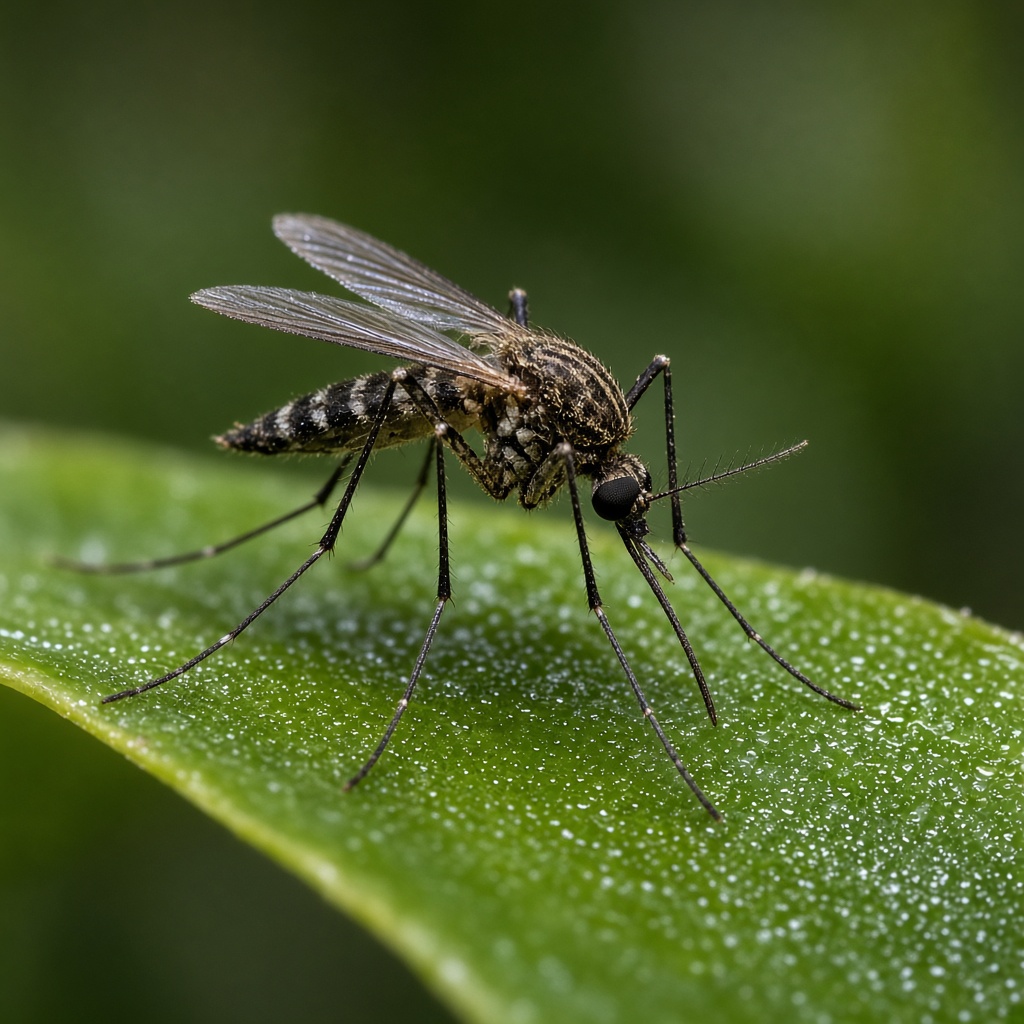
About the insect
Insect size
Adult mosquitoes are generally several millimeters long (about 3–6 mm; species vary)
Insect color
Gray to brown; some species have patterned legs or body
Habitat / exposure
Near standing water, outdoor yards, wetlands, and warm-season environments
- Standing water nearby (puddles, gutters, containers)
- Outdoor exposure
- Often dusk and dawn
- Some species bite during daytime
Typical bite pattern
Pattern: Usually a single raised welt or several scattered bites—not a tight line or ankle-only cluster
Common location: Exposed arms, legs, ankles, face, and neck
Timing: Often evenings and nights outdoors; some species bite by day
Typical number: May cause a single bite or several scattered bites, depending on exposure
How it changes over time
A mosquito bite often starts as a small, raised bump or welt. It may become redder, more swollen, and increasingly itchy during the first several hours. The reaction usually gradually improves over the following few days. Some people develop a larger local reaction that can remain swollen or itchy for longer.
Key clues for identification
Mosquito bites are typically itchy, raised welts on exposed skin. They may appear as a single bite or as several scattered bites and are often linked to outdoor exposure, particularly around dusk or dawn (though some species bite by day). Unlike typical flea bites, they are not usually concentrated only around the ankles, and unlike many bed bug bites, they do not consistently appear in tight clusters or lines.
Reaction variability
Mosquito bites can look very different from person to person. Some people develop only a tiny itchy bump, while others may develop larger areas of redness and swelling. Prior exposure can also affect how strongly someone reacts. Appearance alone cannot reliably confirm a mosquito bite.
Lookalikes
- Flea bites (more often clustered around ankles)
- Bed bug bites (overnight clusters or lines)
- Other insect welts or mild allergic hives
Basic care
Wash the area, avoid scratching, and use over-the-counter itch relief or a cool compress if needed. Most mosquito bites can be managed at home.
When to seek medical care
Seek urgent medical attention for difficulty breathing, swelling of the face or throat, widespread hives, or other signs of a severe allergic reaction. Contact a healthcare professional if the area becomes increasingly painful, warm, swollen, or produces pus (possible infection), or if you develop fever or become significantly unwell after mosquito exposure—especially after travel to an area where mosquito-borne diseases occur.
Mosquito FAQ
What do mosquito bites look like?›
Single raised itchy welt on exposed skin—often one or a few scattered bites. Typical bite size: A few millimeters across; can look much larger depending on the person’s reaction. Color: Pink to red, sometimes with a pale center.
How can I tell mosquito bites apart from lookalikes?›
Mosquito bites are typically itchy, raised welts on exposed skin. They may appear as a single bite or as several scattered bites and are often linked to outdoor exposure, particularly around dusk or dawn (though some species bite by day). Unlike typical flea bites, they are not usually concentrated only around the ankles, and unlike many bed bug bites, they do not consistently appear in tight clusters or lines.
How do mosquito bites change over time?›
A mosquito bite often starts as a small, raised bump or welt. It may become redder, more swollen, and increasingly itchy during the first several hours. The reaction usually gradually improves over the following few days. Some people develop a larger local reaction that can remain swollen or itchy for longer.
Do mosquito bites look the same on everyone?›
Mosquito bites can look very different from person to person. Some people develop only a tiny itchy bump, while others may develop larger areas of redness and swelling. Prior exposure can also affect how strongly someone reacts. Appearance alone cannot reliably confirm a mosquito bite.
When should I seek medical care for mosquito bites?›
Seek urgent medical attention for difficulty breathing, swelling of the face or throat, widespread hives, or other signs of a severe allergic reaction. Contact a healthcare professional if the area becomes increasingly painful, warm, swollen, or produces pus (possible infection), or if you develop fever or become significantly unwell after mosquito exposure—especially after travel to an area where mosquito-borne diseases occur.
Educational disclaimer
AnimalIDFinder provides educational information about insects and common bite or sting patterns. This page does not diagnose disease, confirm what bit you from a skin photo alone, or replace a clinician. For emergencies, call local emergency services.