🕷️ Spider Bites
Araneae (order)
Most spiders are medically mild; some bites show two puncture marks or a swollen red area. Many “spider bites” are other insects.
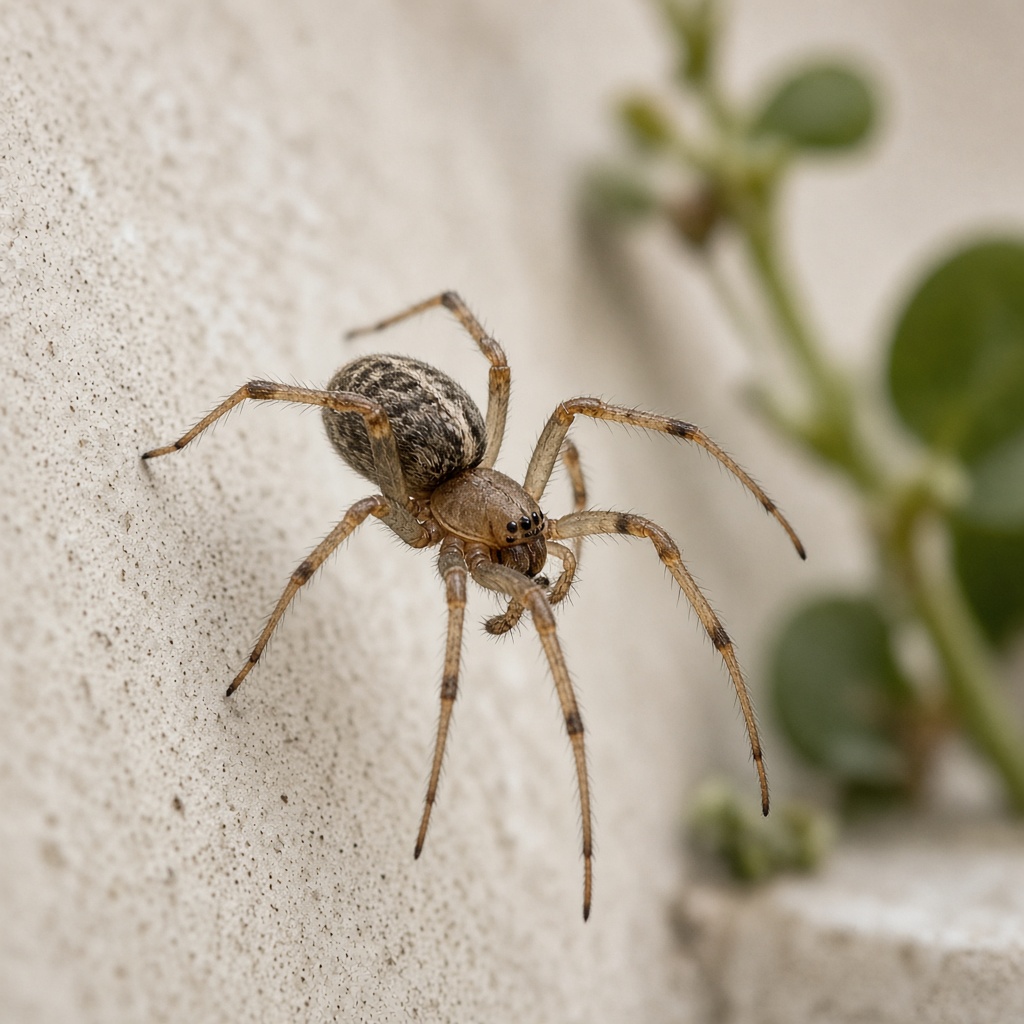
Quick identification
- May show two tiny punctures (not always)
- Swollen red area possible
- Often blamed incorrectly—other insects are common
- Indoor corners/closets or outdoor debris
- Serious spider envenomation is uncommon
Appearance of the bite
Typical bite size
From a small red mark to a larger swollen area depending on reaction/species
Color
Red; center may look darker in some cases
Shape
Round swelling; sometimes two punctures
Texture
May be tender or itchy; blistering is less common and needs medical review
About the insect
Insect size
Body size varies widely—from a few mm to several cm
Insect color
Highly variable by species
Habitat / exposure
Indoors in corners/closets; outdoors in gardens, woodpiles, and debris
- Incidental contact with clothing, bedding, or woodpiles
- Often noticed later rather than felt immediately
- Indoor and outdoor settings
Typical bite pattern
Pattern: May show two tiny punctures or a swollen red bump; bull’s-eye rashes are more often tick-related
Common location: Arms, legs, or skin contacting clothing/bedding
Timing: Incidental; often noticed later
Typical number: Usually one site if a spider bite occurred
How it changes over time
Mild redness may appear within hours. Increasing pain, blistering, or ulceration is uncommon and should be evaluated medically. Many suspected “spider bites” evolve like infected mosquito or other insect bites instead.
Key clues for identification
True confirmed spider bites are less common than people think. Two punctures can be a clue but are not proof. Expanding bull’s-eye after outdoors may fit ticks better. Capture/photo of the spider (safely) is far more useful than guessing from a rash.
Reaction variability
Most spiders cause mild local reactions if any. A minority of species can cause more significant symptoms regionally. Visual rash ID is not a reliable medical diagnosis.
Lookalikes
- Tick bite
- Bee/wasp sting
- Infected mosquito bite
- Skin abscess / MRSA concerns
Basic care
Clean the area, use cool compresses, and monitor. If possible, photograph the spider from a safe distance for identification—do not handle dangerous-looking spiders.
When to seek medical care
Seek urgent care for severe pain, spreading ulceration, fever, muscle cramps, breathing difficulty, or rapidly worsening swelling. See a clinician early for concerning lesions—do not wait on a self-labeled “spider bite.”
Spider FAQ
What do spider bites look like?›
Most spiders are medically mild; some bites show two puncture marks or a swollen red area. Many “spider bites” are other insects. Typical bite size: From a small red mark to a larger swollen area depending on reaction/species. Color: Red; center may look darker in some cases.
How can I tell spider bites apart from lookalikes?›
True confirmed spider bites are less common than people think. Two punctures can be a clue but are not proof. Expanding bull’s-eye after outdoors may fit ticks better. Capture/photo of the spider (safely) is far more useful than guessing from a rash.
How do spider bites change over time?›
Mild redness may appear within hours. Increasing pain, blistering, or ulceration is uncommon and should be evaluated medically. Many suspected “spider bites” evolve like infected mosquito or other insect bites instead.
Do spider bites look the same on everyone?›
Most spiders cause mild local reactions if any. A minority of species can cause more significant symptoms regionally. Visual rash ID is not a reliable medical diagnosis.
When should I seek medical care for spider bites?›
Seek urgent care for severe pain, spreading ulceration, fever, muscle cramps, breathing difficulty, or rapidly worsening swelling. See a clinician early for concerning lesions—do not wait on a self-labeled “spider bite.”
Educational disclaimer
AnimalIDFinder provides educational information about insects and common bite or sting patterns. This page does not diagnose disease, confirm what bit you from a skin photo alone, or replace a clinician. For emergencies, call local emergency services.