How to Tell Similar Animals Apart
Upload a photo to run targeted AI visual identification between species, test your field knowledge with interactive quizzes, and explore side-by-side anatomy comparisons.
Butterfly vs Moth — How to Tell Them Apart
Key visual differences, field identification rules, anatomical hotspots, and pairwise AI analysis.
The easiest way to tell a butterfly from a moth is antenna shape and resting position: butterflies have slender antennae ending in round club knobs and rest with wings folded straight up over their back, whereas moths have feathery or comb-like antennae and rest with wings spread flat.
| Feature | 🦋 Butterfly | 🦋 Moth |
|---|---|---|
| Antennae Tip | Thin with round bulbous club knob | Feathery, comb-like, or thread-like |
| Wing Resting | Folded vertically upright over back | Draped flat or tent-like over body |
| Flight Schedule | Active during sunny daylight (diurnal) | Active under dark night skies (nocturnal) |
| Body Texture | Smooth, slender abdomen | Stout, furry body with heat scales |
| Cocoon Type | Smooth hard chrysalis | Silky spun cocoon woven with hair |
Which One Is This?Butterfly vs Moth
Spotted an animal in a photo or field observation? Upload it here, and the AI will evaluate its exact visual traits specifically between these two candidate species!
Anatomical Field Feature Spotter
Click specific body parts or markings below to inspect side-by-side anatomical contrast traits.
Butterfly
Antennae Tip TraitLong and thin with a round bulbous club knob at the tip.
Moth
Antennae Tip TraitFeathery, comb-like, or fuzzy without a tip knob.
Size & Scale Comparison with Human Benchmark
See how Butterfly and Moth measure up relative to an average human (👤 1.8m / 80kg).
💡 Field Note: Moths outnumber butterflies 9 to 1!
💡 Field Note: Butterflies thrive in warm sunshine
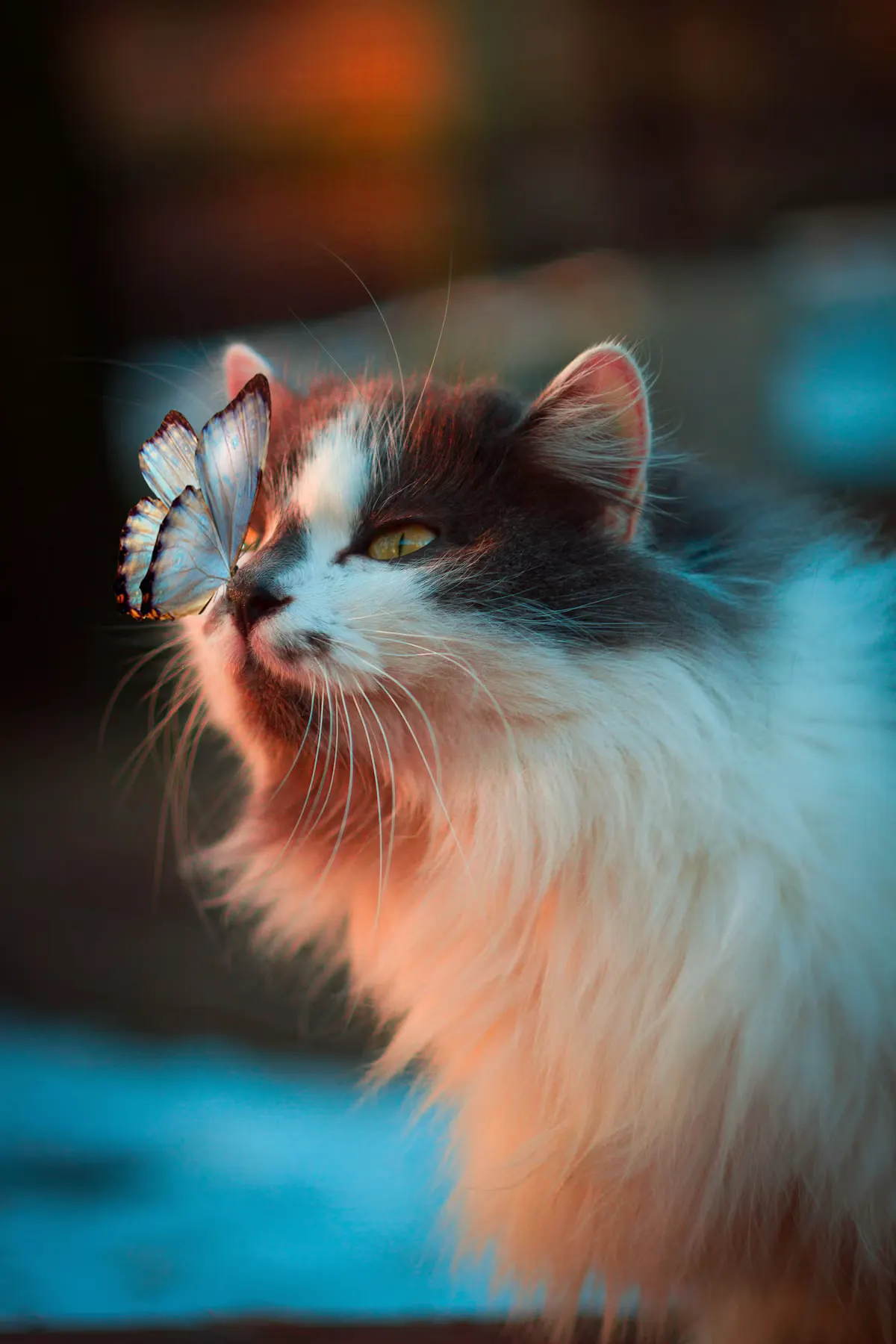
🦋Butterfly
Rhopalocera
- Thin antennae with clubbed ends
- Vibrant bright wing colors
- Rests with wings folded upright

🦋Moth
Heterocera
- Feathery or saw-toothed antennae
- Drab earth-tone wings (brown/grey)
- Stout fuzzy body
Attribute Comparison
14-Point Species Comparison Matrix
Detailed side-by-side taxonomy, anatomical dimensions, habitat, and behavioral breakdown.
| Biological Dimension | 🦋 Butterfly | 🦋 Moth |
|---|---|---|
| Wingspan | 2 – 28 cm | 0.8 – 30 cm |
| Species Count | ~17,500 species worldwide | ~160,000 species worldwide |
| Antennae Shape | Slender with round bulbous club knobs | Feathery, comb-like, or thread-like |
| Wing Resting Position | Folded vertically upright over back | Spread flat or tented over body |
| Body Texture | Smooth, slender, lean abdomen | Stout, furry, covered in heat scales |
| Wing Coloration | Vibrant, bright iridescent hues | Muted browns, greys, earth tones |
| Active Flight Time | Diurnal (sunny daytime hours) | Nocturnal (under dark night skies) |
| Pupal Stage | Smooth exposed chrysalis hanging on twigs | Silky woven cocoon hidden in soil |
| Eye Structure | Apposition compound eyes (high resolution) | Superposition compound eyes (night vision) |
| Wing Coupling | Overlapping wing veins (no frenulum) | Bristled frenulum locks fore/hind wings |
| Habitat | Sunny gardens, meadows, open forests | Forests, fields, porch light fixtures at night |
| Diet | Flower nectar, tree sap, mineral mud | Nectar, rotting fruit, or non-feeding adult |
| Lifespan | 2 weeks – 9 months (Monarch migration) | 1 – 2 weeks (many adults lack mouthparts) |
| Conservation Status | Various (Monarch endangered) | Varies by species |
Why Do People Confuse Butterfly and Moth?
Superficial similarities often trick observers. Here is why they look alike and how to avoid the trap.
Superficial Shared Traits
- Insects belonging to the order Lepidoptera with large scale-covered wings
- Complete metamorphosis life cycles (egg → caterpillar → chrysalis/cocoon → adult)
- Feed on flower nectar using coiled proboscis tongue tubes
Definitive Field Distinctions
- Butterflies fly during the day in warm sunshine; Moths are predominantly nocturnal.
- Butterfly antennae end in distinct rounded bulbs/clubs; Moth antennae are feathery or thread-like.
- Butterflies rest with wings folded vertically straight up; Moths rest with wings spread flat or draped over their back.
What Should I Look For in the Wild?
Observe key field markings or behaviors and select matching traits to run a live diagnostic calculation.
Antennae Shape: Butterfly antennae are long and thin with a round knob at the tip; Moth antennae are feathery or comb-like.
Wing Resting Position: Butterflies hold their wings vertically over their back when resting; Moths hold wings flat against their body.
Activity Time: Butterflies are active during sunny days (diurnal); Moths are active at night (nocturnal).
Body Texture: Moths usually have stout, furry bodies; Butterflies have smooth, slender bodies.
Can You Tell Them Apart?
Test your observational skills on key anatomical traits and earn rank badges!
"Which insect rests with its wings folded vertically upright over its back?"
Mystery Animal Clue Revealer🔎
Can you identify which species this is based on step-by-step field clues? Guess earlier for higher points!
Flies primarily under the cover of night (nocturnal) and is famously drawn toward porch lights and campfire glows.
Reveal stage 2 clue to read location, coat markings, or anatomical secrets...
Reveal stage 3 clue to read location, coat markings, or anatomical secrets...
Reveal stage 4 clue to read location, coat markings, or anatomical secrets...
Ready to Guess?
Select which candidate animal matches these field clues right now (100 pts):
Common Identification Questions
Why are moths drawn to artificial lights at night?
Moths navigate using a system called transverse orientation—keeping a natural light source like the moon at a constant angle. Artificial lights trick their navigation, causing them to spiral inward toward the light.
Do all moths fly only at night?
Not all! While ~90% of moths are nocturnal, there are diurnal day-flying moths (like the Hummingbird Hawk-Moth and Sunset Moth) that feature bright colors like butterflies.
How do butterfly caterpillars differ from moth caterpillars?
Moth caterpillars often have thick hairy bristles (like woolly bear caterpillars) or spin silk cocoons. Butterfly caterpillars are usually smoother, though some have fleshy spikes.
Comparison Fun Fact:
Moths outnumber butterflies 9 to 1! There are roughly 160,000 species of moths compared to only 17,500 species of butterflies.
Found an animal and still not sure which species it is?
Upload any photo to let AI examine its exact rosettes, beak shape, snout, or scale patterns!