How to Tell Similar Animals Apart
Upload a photo to run targeted AI visual identification between species, test your field knowledge with interactive quizzes, and explore side-by-side anatomy comparisons.
African Lion vs Bengal Tiger — How to Tell Them Apart
Key visual differences, field identification rules, anatomical hotspots, and pairwise AI analysis.
The fastest way to differentiate a lion from a tiger is coat pattern and social behavior: lions have uniform sandy-tawny fur with thick bushy manes on adult males and live in social prides, while tigers have bold black vertical camouflage stripes and lead solitary lives in forests.
| Feature | 🦁 African Lion | 🐯 Bengal Tiger |
|---|---|---|
| Coat Markings | Uniform tawny-tan with no stripes | Reddish-orange with black vertical stripes |
| Male Head Mane | Thick dark bushy mane surrounding head | No mane, sleek head with cheek ruffs |
| Social Structure | Social, lives in prides of up to 30 cats | Strictly solitary apex stalkers |
| Water Affinity | Avoids deep water unless necessary | Enthusiastic swimmer, cools off in rivers |
| Native Range | Sub-Saharan Africa & Gir Forest (India) | Asia (India, Nepal, Russia, SE Asia) |
Which One Is This?African Lion vs Bengal Tiger
Spotted an animal in a photo or field observation? Upload it here, and the AI will evaluate its exact visual traits specifically between these two candidate species!
Anatomical Field Feature Spotter
Click specific body parts or markings below to inspect side-by-side anatomical contrast traits.
African Lion
Coat Pattern TraitSandy tawny coat with no stripes.
Bengal Tiger
Coat Pattern TraitReddish-orange coat with black vertical stripes.
Size & Scale Comparison with Human Benchmark
See how African Lion and Bengal Tiger measure up relative to an average human (👤 1.8m / 80kg).
💡 Field Note: Tiger is the largest wild cat on Earth
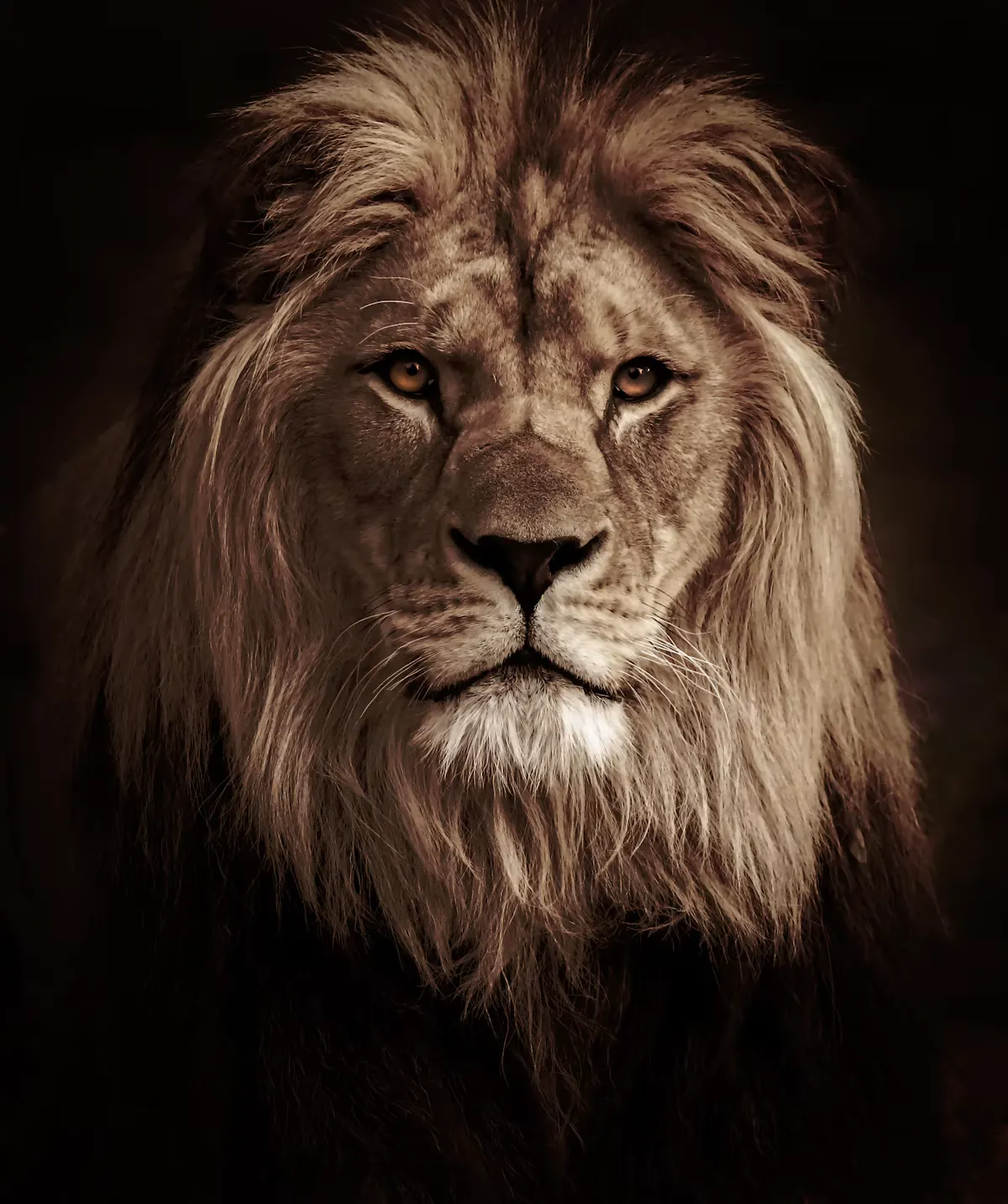
🦁African Lion
Panthera leo
- Male has dark bushy mane
- Tawny tan coat without stripes
- Native to African savannahs
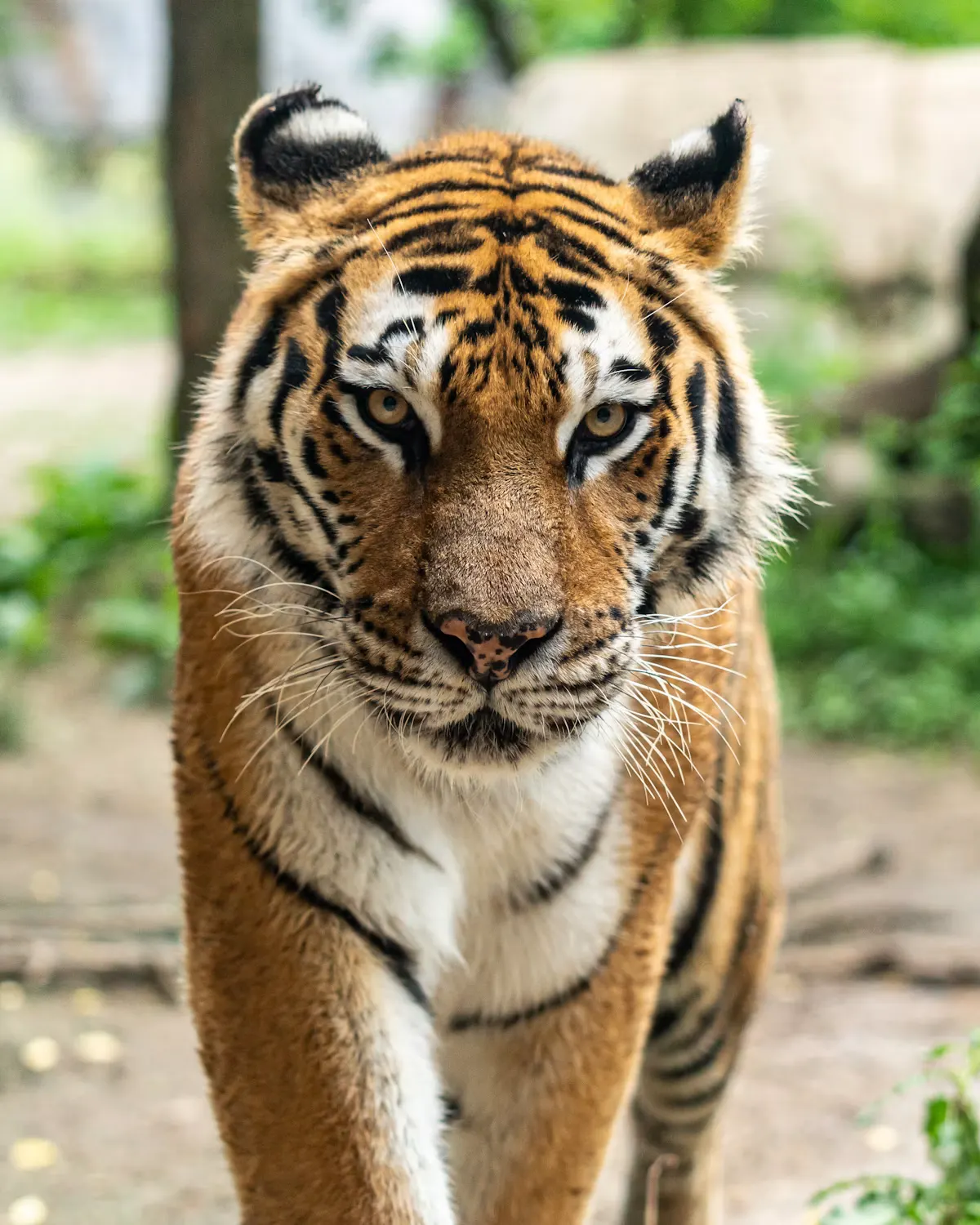
🐯Bengal Tiger
Panthera tigris tigris
- Reddish-orange coat with black vertical stripes
- Solitary stalker
- Native to Asian forests
Attribute Comparison
14-Point Species Comparison Matrix
Detailed side-by-side taxonomy, anatomical dimensions, habitat, and behavioral breakdown.
| Biological Dimension | 🦁 African Lion | 🐯 Bengal Tiger |
|---|---|---|
| Body Length | 1.8 – 2.5 meters | 2.4 – 3.3 meters |
| Weight | 150 – 225 kg | 140 – 260+ kg (Siberian up to 300kg) |
| Coat Pattern | Sandy tawny fur with no stripes | Reddish-orange with dark vertical stripes |
| Male Head Trait | Large dark bushy mane framing head | No mane, short facial ruff |
| Social Behavior | Social, lives in prides (females & males) | Strictly solitary except during mating |
| Habitat | Open savannah, grassland, dry woodland | Dense rainforest, mangroves, taiga |
| Geographic Range | Sub-Saharan Africa, Gir Forest (India) | South Asia, SE Asia, Russian Far East |
| Diet & Hunting | Cooperative hunting (zebras, buffalo) | Solitary ambush (deer, wild boar, gaurs) |
| Water Affinity | Avoids deep water, rarely swims | Loves deep water, swims several miles |
| Roar Volume | Up to 114 dB (heard 8 km away) | Up to 110 dB (heard 3 km away) |
| Bite Force | ~650 PSI | ~1,050 PSI |
| Lifespan | 10 – 14 years in wild | 10 – 15 years in wild |
| Conservation Status | Vulnerable | Endangered |
| Population Count | ~20,000 in wild Africa | ~5,500 in wild Asia |
Why Do People Confuse African Lion and Bengal Tiger?
Superficial similarities often trick observers. Here is why they look alike and how to avoid the trap.
Superficial Shared Traits
- Apex feline predators belonging to the genus Panthera capable of roaring
- Immensely powerful predators with sharp retractable claws and night vision
- Keystone species occupying the top of their food chains
Definitive Field Distinctions
- Tigers have black vertical stripes; Lions have uniform tawny fur.
- Male lions grow iconic bushy head manes; Male tigers do not.
- Lions are highly social pride animals; Tigers are solitary wanderers.
- Tigers love swimming in deep rivers; Lions avoid deep water.
What Should I Look For in the Wild?
Observe key field markings or behaviors and select matching traits to run a live diagnostic calculation.
Coat Pattern: Tigers have prominent black vertical camouflage stripes; Lions have uniform sandy-tawny fur.
Head Structure & Mane: Adult male lions feature thick bushy manes surrounding their head; Male tigers lack a mane.
Social Behavior: Lions live in social prides of up to 30 individuals; Tigers are strictly solitary.
Water Affinity: Tigers love deep water and swim regularly; Lions generally avoid swimming unless necessary.
Can You Tell Them Apart?
Test your observational skills on key anatomical traits and earn rank badges!
"Which big cat naturally lives in organized social groups called prides?"
Mystery Animal Clue Revealer🔎
Can you identify which species this is based on step-by-step field clues? Guess earlier for higher points!
Native to dense tropical rainforests, bamboo jungles, and mangrove swamps across South and Southeast Asia.
Reveal stage 2 clue to read location, coat markings, or anatomical secrets...
Ready to Guess?
Select which candidate animal matches these field clues right now (100 pts):
Common Identification Questions
Who would win in a fight between a lion and a tiger?
In historical encounters and biological analysis, tigers generally hold the physical edge: Bengal and Siberian tigers are heavier, have higher bite forces (~1,050 PSI vs ~650 PSI), and fight standing on their hind legs using both front paws simultaneously.
Are there any wild lions in Asia?
Yes! A small remnant population of around 600 Asiatic Lions (Panthera leo persica) survives in Gir National Park in Gujarat, India.
What is a liger?
A liger is a hybrid offspring of a male lion and a female tiger. Ligers grow larger than either parent species but exist only in captivity.
Comparison Fun Fact:
Tigers are the largest of all wild cat species in the world, weighing up to 300 kg (660 lbs)!
Found an animal and still not sure which species it is?
Upload any photo to let AI examine its exact rosettes, beak shape, snout, or scale patterns!