How to Tell Similar Animals Apart
Upload a photo to run targeted AI visual identification between species, test your field knowledge with interactive quizzes, and explore side-by-side anatomy comparisons.
Universal "Compare Any Two Animals" Search Hub
Select any two species across taxonomy to generate instant side-by-side anatomy breakdowns, quizzes, and AI photo identification!
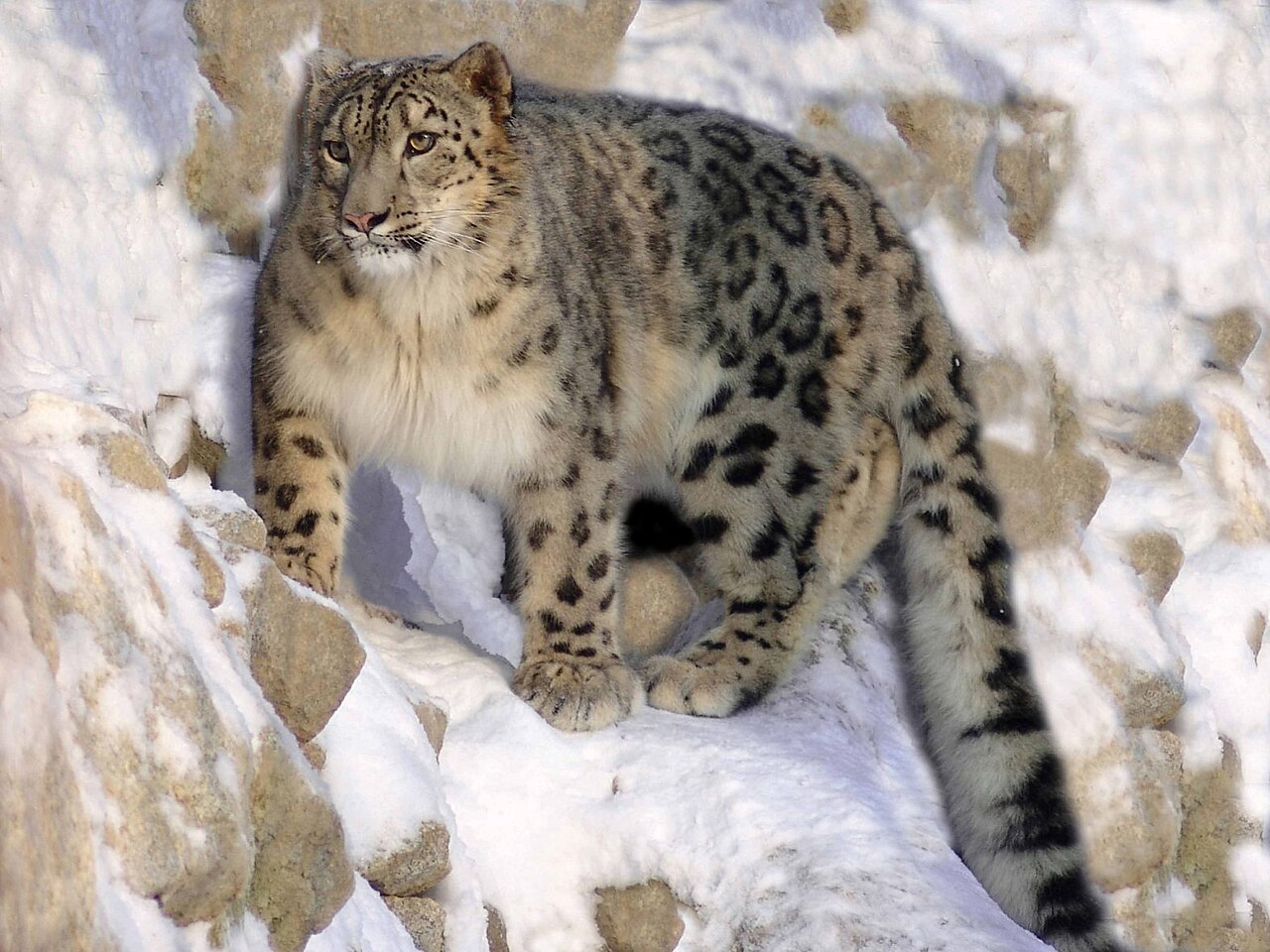
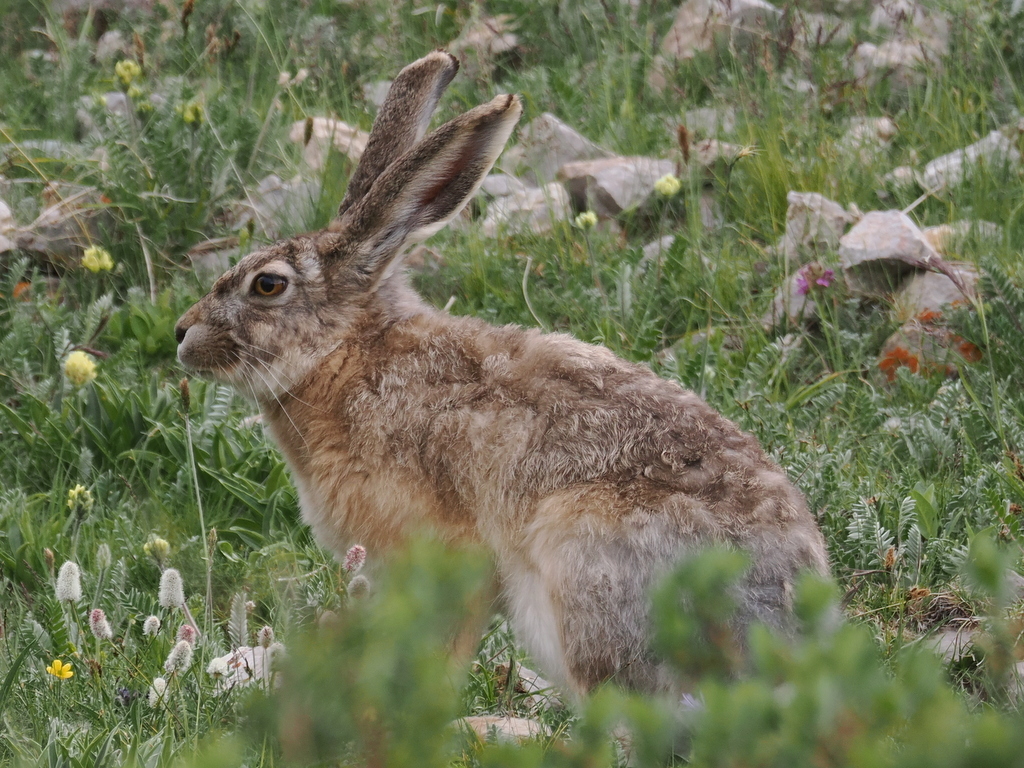
Snow Leopard vs Woolly Hare — How to Tell Them Apart
Key visual differences, field identification rules, anatomical hotspots, and pairwise AI analysis.
Snow Leopard (Mammals) differs from Woolly Hare (Mammals) in size, habitat (Central Asia vs Himalayas & Tibetan Plateau), diet, and key visual field markings.
Which One Is This?Snow Leopard vs Woolly Hare
Spotted an animal in a photo or field observation? Upload it here, and the AI will evaluate its exact visual traits specifically between these two candidate species!
Anatomical Field Feature Spotter
Click specific body parts or markings below to inspect side-by-side anatomical contrast traits.
Snow Leopard
Primary Markings & Features TraitThick smoky-gray fur patterned with dark rosettes for rocky scree camouflage
Woolly Hare
Primary Markings & Features TraitThick woolly fur for freezing winds and snow
Size & Scale Comparison with Human Benchmark
See how Snow Leopard and Woolly Hare measure up relative to an average human (👤 1.8m / 80kg).
💡 Field Note: Snow Leopard: 1.8 to 2.3 meters (6 to 7.5 ft)
💡 Field Note: Snow Leopard: 30 to 55 kg (66 to 120 lbs)
🐆Snow Leopard
Panthera uncia
- Thick smoky-gray fur patterned with dark rosettes for rocky scree camouflage
- Enormous 1-meter bushy tail used for balance and wrapped around the face for warmth
- Wide snowshoe paws with fur beneath to grip icy rocks
🐇Woolly Hare
Lepus oiostolus
- Thick woolly fur for freezing winds and snow
- Long hind legs typical of hares
- Cold-desert / plateau camouflage tones
Attribute Comparison
14-Point Species Comparison Matrix
Detailed side-by-side taxonomy, anatomical dimensions, habitat, and behavioral breakdown.
| Biological Dimension | 🐆 Snow Leopard | 🐇 Woolly Hare |
|---|---|---|
| Size & Length | 1.8 to 2.3 meters (6 to 7.5 ft) | Hare-sized; body roughly 40–60 cm typical for Lepus |
| Weight | 30 – 90 kg | 56 – 100+ kg |
| Body Shape | Lean, athletic frame | Stocky, compact build |
| Coat / Skin | Tawny yellow with rosettes | Golden yellow with large rosettes |
| Markings | Thick smoky-gray fur patterned with dark rosettes for rocky scree camouflage | Thick woolly fur for freezing winds and snow |
| Head Shape | Sleeker skull | Broad skull |
| Teeth / Jaw | 310 PSI bite force | 1,500 PSI bite force |
| Tail Structure | Long balancing tail | Thick muscular tail |
| Habitat | Alpine meadows, rocky scree slopes, and high ridges above tree line. | High-altitude cold deserts, alpine steppe, and plateau grasslands. |
| Geographic Range | Central Asia | Himalayas & Tibetan Plateau |
| Diet | Carnivore - Blue sheep (bharal), Himalayan ibex, marmots, and pikas. | Herbivore — grasses, herbs, and sparse plateau vegetation. |
| Behavior | Crepuscular | Mainly crepuscular and nocturnal |
| Lifespan | 12 – 17 years | 12 – 15 years |
| Conservation Status | Vulnerable | Near Threatened |
Why Do People Confuse Snow Leopard and Woolly Hare?
Superficial similarities often trick observers. Here is why they look alike and how to avoid the trap.
Superficial Shared Traits
- Both belong to closely related taxonomic families
- Overlapping color palettes and camouflaged skin/coat patterns
- Similar predatory or foraging roles in their respective ecosystems
Definitive Field Distinctions
- Snow Leopard and Woolly Hare have completely distinct skull and body proportions.
- Native geographic ranges do not overlap in the wild.
- Microscopic coat or scale structures differ fundamentally.
What Should I Look For in the Wild?
Observe key field markings or behaviors and select matching traits to run a live diagnostic calculation.
Check the taxonomy: Snow Leopard belongs to Big Cats while Woolly Hare is in Lagomorphs.
Observe habitat & geography: Snow Leopard is found in Central Asia, whereas Woolly Hare lives in Himalayas & Tibetan Plateau.
Compare diet & behavior: Snow Leopard is a Carnivore - Blue sheep (bharal), Himalayan ibex, marmots, and pikas. (Crepuscular), while Woolly Hare is a Herbivore — grasses, herbs, and sparse plateau vegetation..
Examine safety level: Snow Leopard is rated DANGEROUS while Woolly Hare is HARMLESS.
Can You Tell Them Apart?
Test your observational skills on key anatomical traits and earn rank badges!
"Which species is primarily found in Central Asia?"
Mystery Animal Clue Revealer🔎
Can you identify which species this is based on step-by-step field clues? Guess earlier for higher points!
This species inhabits Himalayas & Tibetan Plateau (High-altitude cold deserts, alpine steppe, and plateau grasslands.).
Reveal stage 2 clue to read location, coat markings, or anatomical secrets...
Reveal stage 3 clue to read location, coat markings, or anatomical secrets...
Reveal stage 4 clue to read location, coat markings, or anatomical secrets...
Ready to Guess?
Select which candidate animal matches these field clues right now (100 pts):
Comparison Fun Fact:
Snow leopards cannot roar due to different vocal cord structures — instead they make a friendly puffing sound called a "chuff" or "prusten".
Found an animal and still not sure which species it is?
Upload any photo to let AI examine its exact rosettes, beak shape, snout, or scale patterns!



