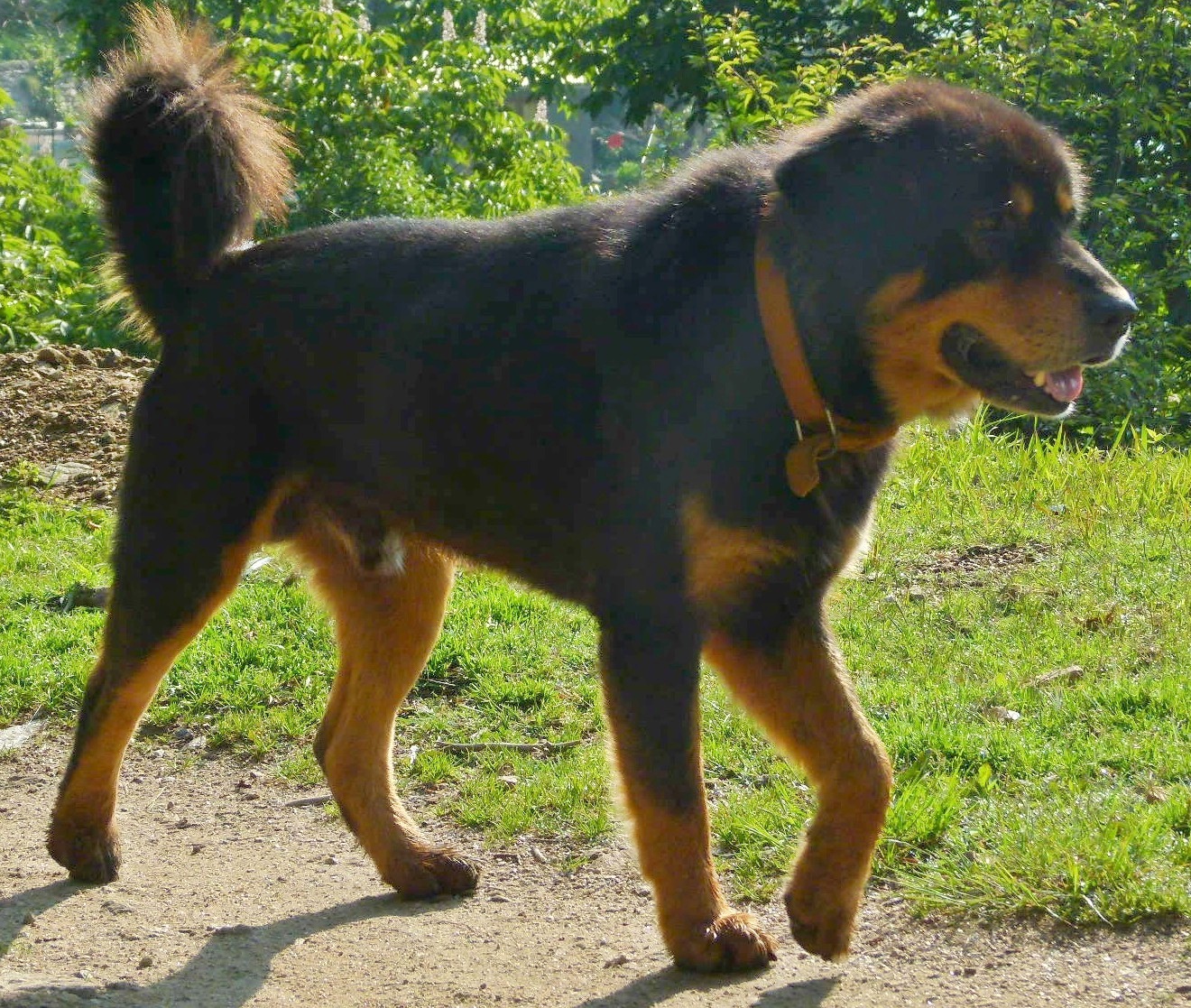
Native Biome: Himalayan villages, high pastures, and migratory shepherd routes.
Himalayan Sheepdog
Canis lupus familiaris
Commonly called Gaddi after Himalayan Gaddi shepherds; a regional livestock-guardian landrace rather than a single international kennel “show” breed.
Linnaean Taxonomic Tree
Often ~40–55+ kg
Female: Often ~35–50 kgCapable pursuit/patrol bursts around flocks
Burst AccelerationN/A — domestic
Captivity: ~10–14 yearsCompare Look-Alikes
vs Siberian Husky
Vision
Through their eyes
🐣Growth & Lifespan
Birth to old age slider
🔍 Distinctive Diagnostic Markings & Anatomy
Critical morphological field marks naturalists use to verify species identification in the wild.
Thick harsh double coat in regional colors; dense undercoat for mountain cold; weather-resistant outer hair.
Strong mastiff/guardian-type head with working dentition.
Alert dark eyes; vigilant expression around livestock.
Sturdy legs for mountain trails and night patrols.
Often well-coated; carriage varies by line.
Males often larger/heavier; both sexes work as guardians.
🍖 Trophic Role & Hunting Strategy
OmnivoreGuardian — deters predators; not a herding-drive specialist like collies.
🏕️ Social Behavior & Activity Rhythms
DiurnalBonds to flock and camp; independent decision-making with handler leadership
Pups raised around livestock to imprint guardian behavior
Life Cycle, Growth & Lifespan Journey
| Age | Stage | Length/Height | Weight |
|---|---|---|---|
| Birth | Neonate | 14–23.75 cm | 1.75–4.4 kg |
| Juvenile | Juvenile | 38.5–61.75 cm | 12.25–24.75 kg |
| Young adult | Adult | 63–90.25 cm | 29.75–50.6 kg |
| Prime adult | Prime Adult | 70–95 cm | 35–55 kg |
How Big Will a Himalayan Sheepdog Get?
Calculate estimated adult weight, shoulder height, remaining growth timeline, and weekly development rate based on current age and biometrics.
Conservation Status & Population Dynamics
Regional working populations tied to pastoral communities
Subject to ongoing wildlife telemetry monitoring
- •Decline of traditional pastoral lifestyles
- •Crossbreeding without working selection
- •Disease and nutrition gaps in remote camps
- Working-line preservation
- Veterinary outreach in highland camps
Field Intelligence & Diagnostic Hub for Himalayan Sheepdog
Often well-coated; carriage varies by line.
Audio frequency analysis, territorial roar/call synthesis, and harmonic resonance measurements.
Ecosystem food web, trophic interactions, and cohabiting species in Himalayas.
⚖️ Look-Alike Species Differentiation Matrix
Instant one-click comparison tools to prevent common field misidentifications
Himalayan Sheepdog vs. Siberian Husky
Key DifferentiationHuskies are sled/endurance dogs of the Arctic; Himalayan sheepdogs are livestock guardians of Himalayan pastoral routes.
Himalayan Sheepdog vs. Gray Wolf
Key DifferentiationWolves are wild predators that sheepdogs are meant to deter; Gaddi dogs are domestic guardians bonded to flocks.
How to Identify Himalayan Sheepdog from a Photograph
Standard operating procedures for photographers and field naturalists submitting sightings for verification.
- 📷Clear side profile
- 📷Head/face close-up
- 📷Full body showing coat length
- 🔍Thick harsh double coat
- 🔍Large livestock-guardian build
- 🔍Working presence near sheep/goats
- 🔍Mountain pastoral context
- ⚠️Treating them as soft pet-only dogs
- ⚠️Approaching flocks without permission
- ⚠️Confusing with Siberian Husky sled dogs
Frequently Asked Questions About Himalayan Sheepdog
Verified answers compiled by zoologists, wildlife biologists, and field guides.
Related Identification Tools
Identify similar animals with focused photo tools for dogs, cats, birds, reptiles, fish, bugs, and more.