Cómo diferenciar animales similares
Cargue una foto para realizar AI identificación visual específica entre especies, pruebe sus conocimientos de campo con cuestionarios interactivos y explore comparaciones de anatomía una al lado de la otra.
Butterfly vs Moth - Cómo diferenciarlos
Diferencias visuales clave, reglas de identificación de campos, puntos críticos anatómicos y análisis AI por pares.
The easiest way to tell a butterfly from a moth is antenna shape and resting position: butterflies have slender antennae ending in round club knobs and rest with wings folded straight up over their back, whereas moths have feathery or comb-like antennae and rest with wings spread flat.
| Característica | 🦋 Butterfly | 🦋 Moth |
|---|---|---|
| Antennae Tip | Thin with round bulbous club knob | Feathery, comb-like, or thread-like |
| Wing Resting | Folded vertically upright over back | Draped flat or tent-like over body |
| Flight Schedule | Active during sunny daylight (diurnal) | Active under dark night skies (nocturnal) |
| Body Texture | Smooth, slender abdomen | Stout, furry body with heat scales |
| Cocoon Type | Smooth hard chrysalis | Silky spun cocoon woven with hair |
¿Cuál es este?Butterfly vs Moth
¿Viste un animal en una fotografía o observación de campo? ¡Cárguelo aquí y el AI evaluará sus rasgos visuales exactos específicamente entre estas dos especies candidatas!
Observador de características de campo anatómico
Haga clic en partes o marcas específicas del cuerpo a continuación para inspeccionar los rasgos de contraste anatómico uno al lado del otro.
Butterfly
Antennae Tip RasgoLong and thin with a round bulbous club knob at the tip.
Moth
Antennae Tip RasgoFeathery, comb-like, or fuzzy without a tip knob.
Comparación de tamaño y escala con el punto de referencia humano
Vea cómo Butterfly y Moth están a la altura de un ser humano promedio (👤 1,8 m/80 kg).
💡 Nota de campo: Moths outnumber butterflies 9 to 1!
💡 Nota de campo: Butterflies thrive in warm sunshine
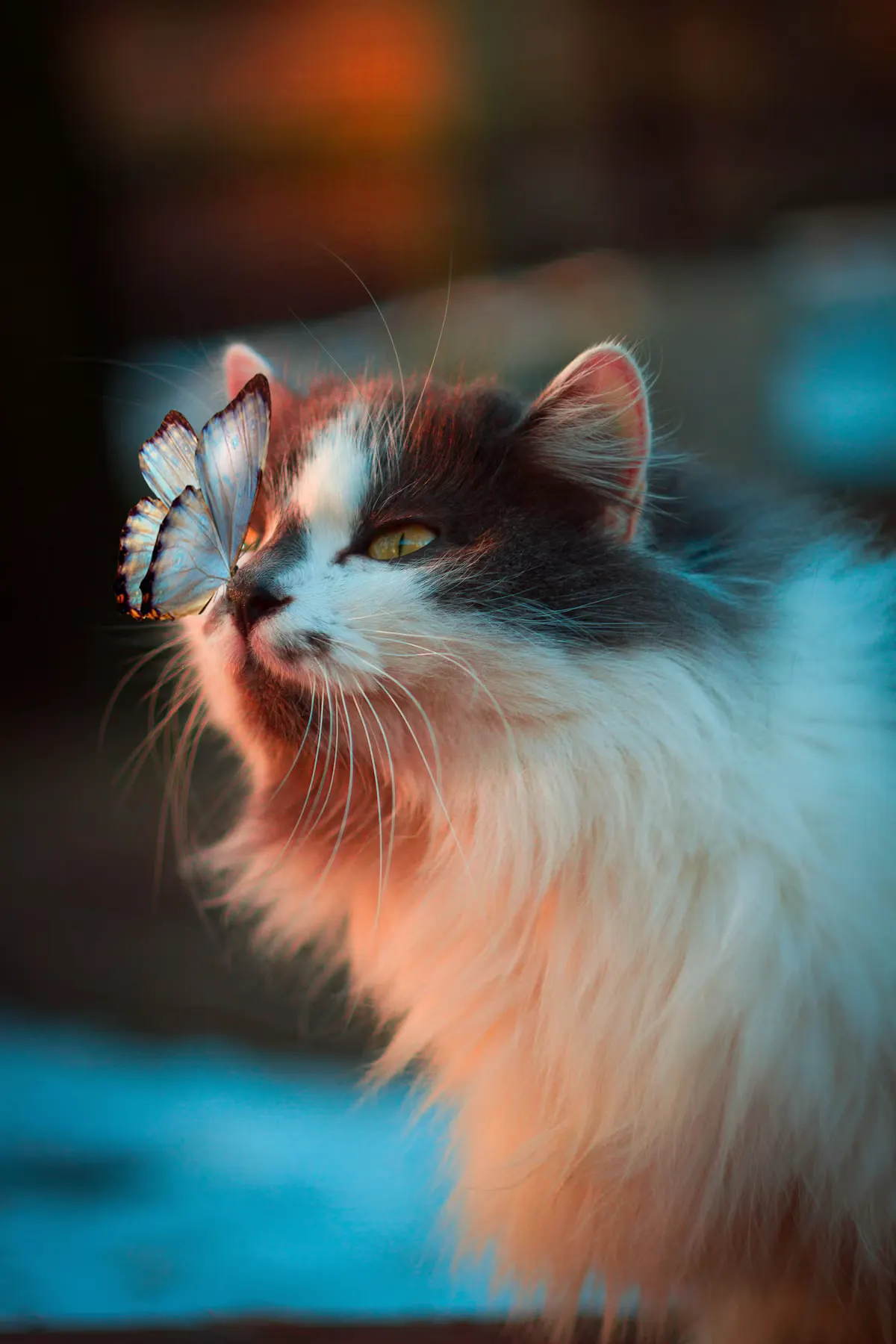
🦋Butterfly
Rhopalocera
- Thin antennae with clubbed ends
- Vibrant bright wing colors
- Rests with wings folded upright

🦋Moth
Heterocera
- Feathery or saw-toothed antennae
- Drab earth-tone wings (brown/grey)
- Stout fuzzy body
Comparación de atributos
Matriz de comparación de especies de 14 puntos
Taxonomía detallada, dimensiones anatómicas, hábitat y desglose del comportamiento.
| Dimensión biológica | 🦋 Butterfly | 🦋 Moth |
|---|---|---|
| Wingspan | 2 – 28 cm | 0.8 – 30 cm |
| Species Count | ~17,500 species worldwide | ~160,000 species worldwide |
| Antennae Shape | Slender with round bulbous club knobs | Feathery, comb-like, or thread-like |
| Wing Resting Position | Folded vertically upright over back | Spread flat or tented over body |
| Body Texture | Smooth, slender, lean abdomen | Stout, furry, covered in heat scales |
| Wing Coloration | Vibrant, bright iridescent hues | Muted browns, greys, earth tones |
| Active Flight Time | Diurnal (sunny daytime hours) | Nocturnal (under dark night skies) |
| Pupal Stage | Smooth exposed chrysalis hanging on twigs | Silky woven cocoon hidden in soil |
| Eye Structure | Apposition compound eyes (high resolution) | Superposition compound eyes (night vision) |
| Wing Coupling | Overlapping wing veins (no frenulum) | Bristled frenulum locks fore/hind wings |
| Habitat | Sunny gardens, meadows, open forests | Forests, fields, porch light fixtures at night |
| Diet | Flower nectar, tree sap, mineral mud | Nectar, rotting fruit, or non-feeding adult |
| Lifespan | 2 weeks – 9 months (Monarch migration) | 1 – 2 weeks (many adults lack mouthparts) |
| Conservation Status | Various (Monarch endangered) | Varies by species |
¿Por qué la gente confunde Butterfly y Moth?
Las similitudes superficiales a menudo engañan a los observadores. He aquí por qué se parecen y cómo evitar la trampa.
Rasgos superficiales compartidos
- Insects belonging to the order Lepidoptera with large scale-covered wings
- Complete metamorphosis life cycles (egg → caterpillar → chrysalis/cocoon → adult)
- Feed on flower nectar using coiled proboscis tongue tubes
Distinciones de campo definitivas
- Butterflies fly during the day in warm sunshine; Moths are predominantly nocturnal.
- Butterfly antennae end in distinct rounded bulbs/clubs; Moth antennae are feathery or thread-like.
- Butterflies rest with wings folded vertically straight up; Moths rest with wings spread flat or draped over their back.
¿Qué debo buscar en la naturaleza?
Observe las marcas o comportamientos de los campos clave y seleccione los rasgos coincidentes para ejecutar un cálculo de diagnóstico en vivo.
Antennae Shape: Butterfly antennae are long and thin with a round knob at the tip; Moth antennae are feathery or comb-like.
Wing Resting Position: Butterflies hold their wings vertically over their back when resting; Moths hold wings flat against their body.
Activity Time: Butterflies are active during sunny days (diurnal); Moths are active at night (nocturnal).
Body Texture: Moths usually have stout, furry bodies; Butterflies have smooth, slender bodies.
¿Puedes diferenciarlos?
¡Pon a prueba tus habilidades de observación en rasgos anatómicos clave y gana insignias de rango!
"Which insect rests with its wings folded vertically upright over its back?"
Revelador de pistas de animales misteriosos🔎
¿Puedes identificar de qué especie se trata basándose en pistas de campo paso a paso? ¡Adivina antes para obtener puntos más altos!
Flies primarily under the cover of night (nocturnal) and is famously drawn toward porch lights and campfire glows.
Revelar la pista de la etapa 2 para leer la ubicación, las marcas del pelaje o los secretos anatómicos...
Revelar la pista de la etapa 3 para leer la ubicación, las marcas del pelaje o los secretos anatómicos...
Revelar la pista de la etapa 4 para leer la ubicación, las marcas del pelaje o los secretos anatómicos...
¿Listo para adivinar?
Seleccione qué animal candidato coincide con estas pistas de campo en este momento (100 pts):
Preguntas comunes de identificación
Why are moths drawn to artificial lights at night?
Moths navigate using a system called transverse orientation—keeping a natural light source like the moon at a constant angle. Artificial lights trick their navigation, causing them to spiral inward toward the light.
Do all moths fly only at night?
Not all! While ~90% of moths are nocturnal, there are diurnal day-flying moths (like the Hummingbird Hawk-Moth and Sunset Moth) that feature bright colors like butterflies.
How do butterfly caterpillars differ from moth caterpillars?
Moth caterpillars often have thick hairy bristles (like woolly bear caterpillars) or spin silk cocoons. Butterfly caterpillars are usually smoother, though some have fleshy spikes.
Dato curioso sobre la comparación:
Moths outnumber butterflies 9 to 1! There are roughly 160,000 species of moths compared to only 17,500 species of butterflies.
¿Encontraste un animal y aún no estás seguro de qué especie es?
¡Sube cualquier foto para que AI examine sus rosetas, forma de pico, hocico o patrones de escala exactos!