Cómo diferenciar animales similares
Cargue una foto para realizar AI identificación visual específica entre especies, pruebe sus conocimientos de campo con cuestionarios interactivos y explore comparaciones de anatomía una al lado de la otra.
Yak vs Himalayan Tahr - Cómo diferenciarlos
Diferencias visuales clave, reglas de identificación de campos, puntos críticos anatómicos y análisis AI por pares.
Huge shaggy ox of open highland pasture = yak. Smaller shaggy cliff climber = Himalayan tahr.
| Característica | 🐂 Yak | 🐐 Himalayan Tahr |
|---|---|---|
| Size | Very large bovine | Medium goat-antelope |
| Coat | Long hanging double coat | Woolly; longer/shaggier in winter |
| Habitat | Open alpine pasture/plateau | Steep cliffs and meadows |
| Human use | Pack, milk, meat, wool | Wild (not livestock) |
| Feet | Bovine hooves | Rubber-like gripping pads |
¿Cuál es este?Yak vs Himalayan Tahr
¿Viste un animal en una fotografía o observación de campo? ¡Cárguelo aquí y el AI evaluará sus rasgos visuales exactos específicamente entre estas dos especies candidatas!
Comparación de tamaño y escala con el punto de referencia humano
Vea cómo Yak y Himalayan Tahr están a la altura de un ser humano promedio (👤 1,8 m/80 kg).
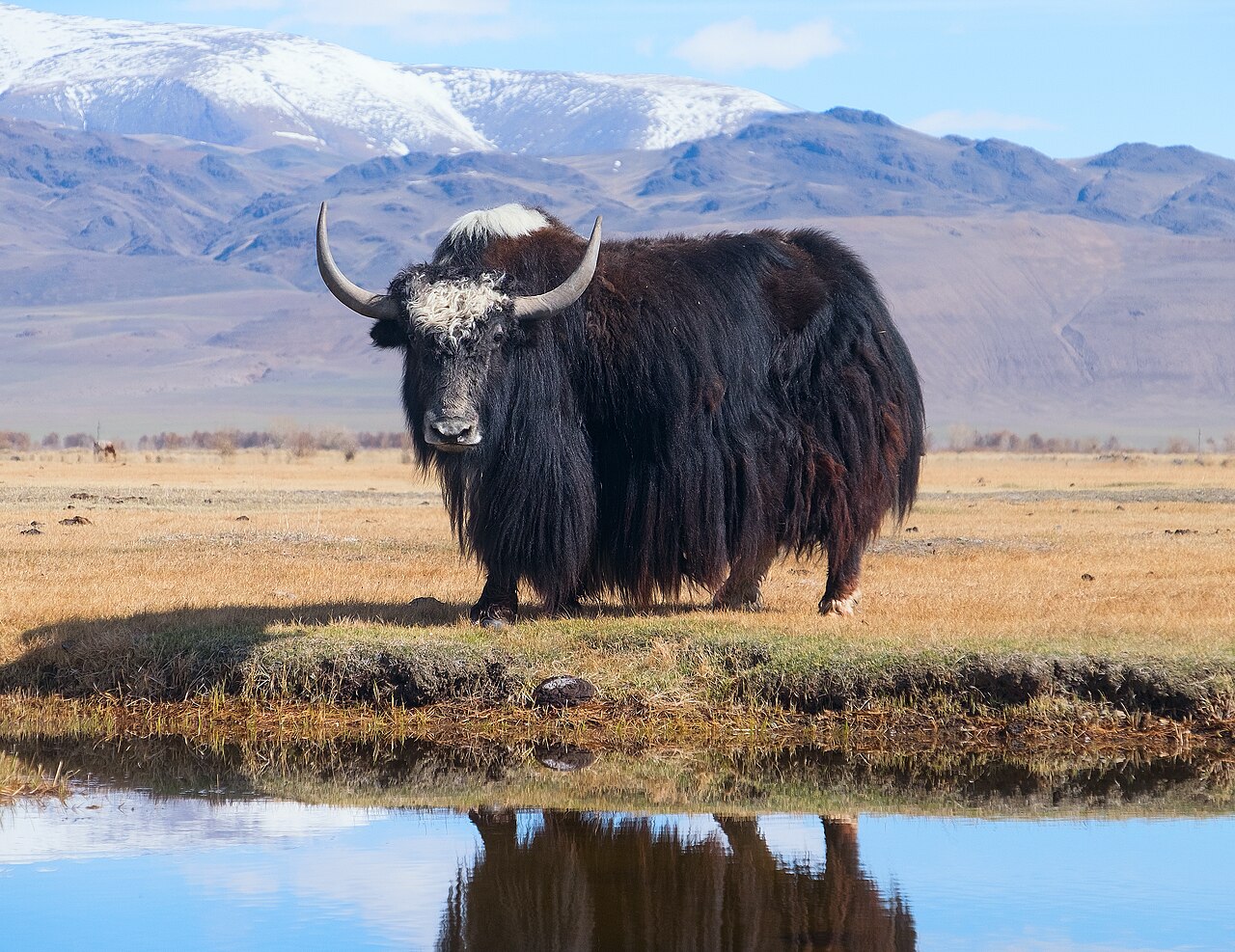
🐂Yak
Bos grunniens
- Massive shaggy double coat
- Dense underwool
- Pack/dairy livestock icon
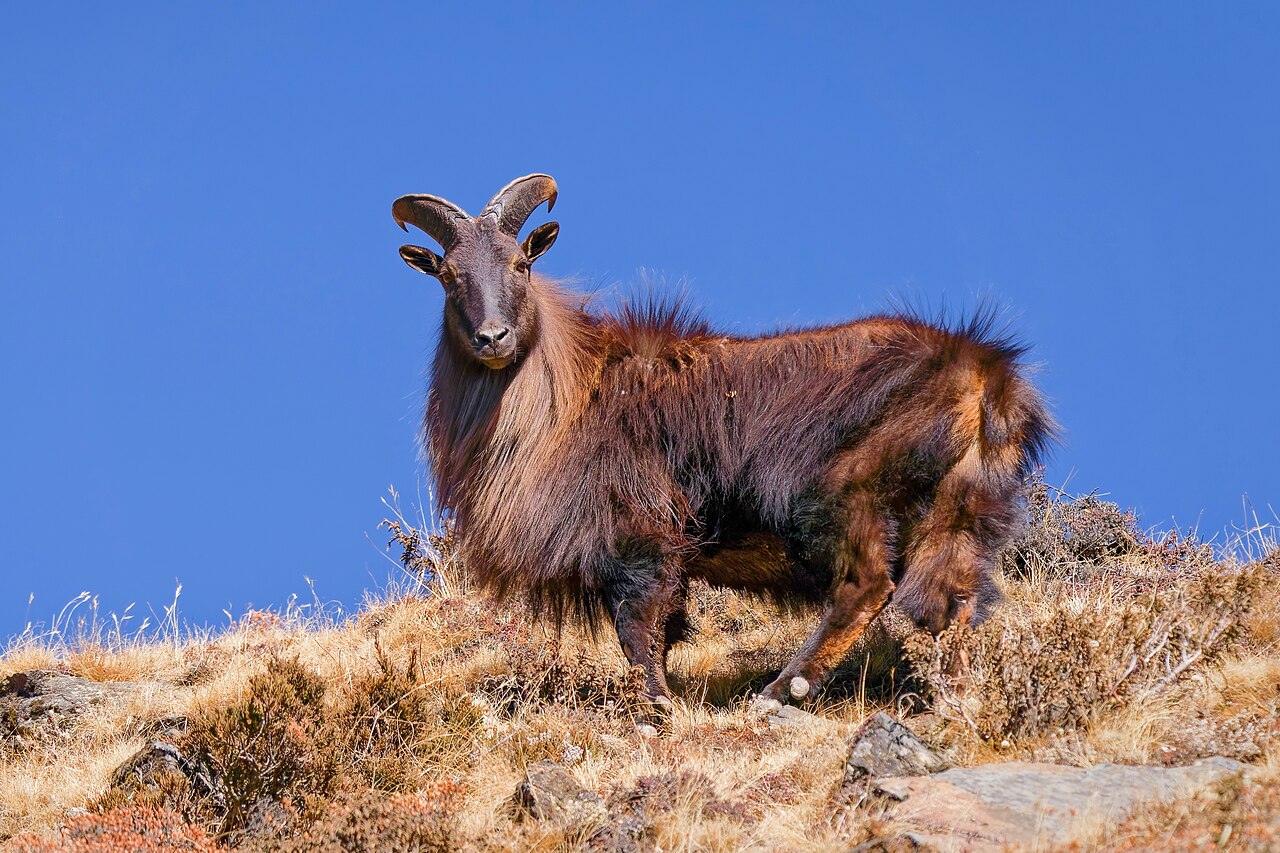
🐐Himalayan Tahr
Hemitragus jemlahicus
- Long shaggy winter coat
- Rubber-like hoof grip
- Wild goat-antelope
Matriz de comparación de especies de 14 puntos
Taxonomía detallada, dimensiones anatómicas, hábitat y desglose del comportamiento.
| Dimensión biológica | 🐂 Yak | 🐐 Himalayan Tahr |
|---|---|---|
| Size (Length) | Large ox frame | ~90–140 cm body |
| Weight | Hundreds of kg | ~50–100 kg |
| Body Shape | Stocky bovine | Goat-antelope |
| Coat/Skin | Long hanging skirt hair | Woolly winter shag |
| Markings | Dark shaggy coat | Red-brown to dark |
| Head Shape | Broad ox head + horns | Shorter horns |
| Teeth/Jaw | Grazing bovine | Caprine browser/grazer |
| Tail | Long-haired bovine tail | Short ungulate tail |
| Habitat | Plateau pastures | Cliffs & meadows |
| Geographic Range | Tibetan Plateau/Himalaya | Himalayan ranges |
| Diet | Grasses/sedges | Grasses/herbs/shrubs |
| Behavior | Herd livestock/wild herds | Cliff climbing groups |
| Lifespan | ~15–20 years | ~10–15 years |
| Conservation Status | Vulnerable (wild focus) | Near Threatened |
¿Por qué la gente confunde Yak y Himalayan Tahr?
Las similitudes superficiales a menudo engañan a los observadores. He aquí por qué se parecen y cómo evitar la trampa.
Rasgos superficiales compartidos
- Long insulating hair for Himalayan cold
- Herbivores of high mountains
- Iconic “roof of the world” fauna
Distinciones de campo definitivas
- Yaks are cattle-like and much larger.
- Tahrs climb cliffs; yaks graze pastures.
- Yaks are primarily domestic/livestock icons; tahrs are wild.
¿Qué debo buscar en la naturaleza?
Observe las marcas o comportamientos de los campos clave y seleccione los rasgos coincidentes para ejecutar un cálculo de diagnóstico en vivo.
Size first: yak is ox-huge; tahr is goat-antelope sized.
Terrain: open pasture/plateau favors yak; sheer cliffs favor tahr.
Coat shape: hanging skirt hair = yak; winter mane/shag on a climber = tahr.
Context: pack trains and herders = yak; wild cliff groups = tahr.
¿Puedes diferenciarlos?
¡Pon a prueba tus habilidades de observación en rasgos anatómicos clave y gana insignias de rango!
"Which animal is famous as a Himalayan pack and dairy animal?"
Preguntas comunes de identificación
Which is used as a pack animal?
The yak — highland communities rely on yaks for transport, milk, meat, and wool.
Which is better on cliffs?
The Himalayan tahr — specialized hoof pads grip steep rock and ice.
Are both long-haired?
Yes — both grow insulating coats for alpine cold; yak hair hangs in a heavy skirt, while tahrs become especially shaggy in winter.
Dato curioso sobre la comparación:
Yaks and tahrs both wear “long hair armor” against Himalayan cold — but one is a highland ox of people and pastures, the other a wild cliff acrobat.
¿Encontraste un animal y aún no estás seguro de qué especie es?
¡Sube cualquier foto para que AI examine sus rosetas, forma de pico, hocico o patrones de escala exactos!