Comment distinguer des animaux similaires
Téléchargez une photo pour effectuer une identification visuelle AI ciblée entre les espèces, testez vos connaissances sur le terrain avec des quiz interactifs et explorez des comparaisons anatomiques côte à côte.
Centre de recherche universel « Comparez deux animaux »
Sélectionnez deux espèces dans la taxonomie pour générer instantanément des analyses anatomiques côte à côte, des quiz et une identification avec photo AI !
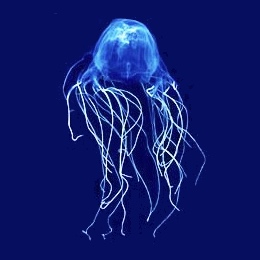
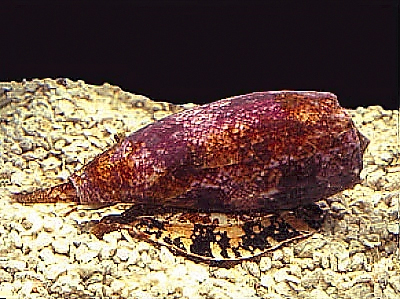
Box Jellyfish vs Geographer Cone Snail — Comment les distinguer
Différences visuelles clés, règles d'identification des champs, points chauds anatomiques et analyse AI par paire.
Box Jellyfish (Marine Life) differs from Geographer Cone Snail (Marine Life) in size, habitat (Tropical Australia / Indo-Pacific vs Indo-Pacific reefs), diet, and key visual field markings.
Lequel est-ce ?Box Jellyfish vs Geographer Cone Snail
Vous avez repéré un animal sur une photo ou une observation sur le terrain ? Téléchargez-le ici, et le AI évaluera ses traits visuels exacts spécifiquement entre ces deux espèces candidates !
Observateur des caractéristiques du champ anatomique
Cliquez sur des parties du corps ou des marquages spécifiques ci-dessous pour inspecter les traits de contraste anatomiques côte à côte.
Box Jellyfish
Primary Markings & Features CaractèreCube-shaped transparent bell
Geographer Cone Snail
Primary Markings & Features CaractèreCone-shaped shell with map-like brown patterning
Comparaison de taille et d'échelle avec une référence humaine
Découvrez comment Box Jellyfish et Geographer Cone Snail se mesurent par rapport à un humain moyen (👤 1,8 m / 80 kg).
💡 Remarque sur le terrain : Box Jellyfish: Bell typically up to about 20–30 cm across; tentacles much longer
💡 Remarque sur le terrain : Box Jellyfish: See species guide
🪼Box Jellyfish
Chironex fleckeri
- Cube-shaped transparent bell
- Clusters of long trailing tentacles
- Nearly invisible in water
🐚Geographer Cone Snail
Conus geographus
- Cone-shaped shell with map-like brown patterning
- Wide aperture relative to many other cones
- Harpoon-like radular tooth connected to a venom gland
Comparaison des attributs
Matrice de comparaison des espèces en 14 points
Taxonomie détaillée côte à côte, dimensions anatomiques, habitat et répartition comportementale.
| Dimension biologique | 🪼 Box Jellyfish | 🐚 Geographer Cone Snail |
|---|---|---|
| Size & Length | Bell typically up to about 20–30 cm across; tentacles much longer | Shell commonly about 10–15 cm |
| Weight | 30 – 90 kg | 56 – 100+ kg |
| Body Shape | Lean, athletic frame | Stocky, compact build |
| Coat / Skin | Tawny yellow with rosettes | Golden yellow with large rosettes |
| Markings | Cube-shaped transparent bell | Cone-shaped shell with map-like brown patterning |
| Head Shape | Sleeker skull | Broad skull |
| Teeth / Jaw | 310 PSI bite force | 1,500 PSI bite force |
| Tail Structure | Long balancing tail | Thick muscular tail |
| Habitat | Tropical coastal waters, nearshore shallows, and estuaries | Coral reefs, sand flats, and shallow tropical lagoons |
| Geographic Range | Tropical Australia / Indo-Pacific | Indo-Pacific reefs |
| Diet | Carnivore - small fish and invertebrates | Carnivore - fish and other marine prey |
| Behavior | Seasonal nearshore presence in warmer months | Often buried or cryptic by day; hunts with a venomous radula |
| Lifespan | 12 – 17 years | 12 – 15 years |
| Conservation Status | Vulnerable | Near Threatened |
Pourquoi les gens confondent-ils Box Jellyfish et Geographer Cone Snail ?
Les similitudes superficielles trompent souvent les observateurs. Voici pourquoi ils se ressemblent et comment éviter le piège.
Traits superficiels partagés
- Both belong to closely related taxonomic families
- Overlapping color palettes and camouflaged skin/coat patterns
- Similar predatory or foraging roles in their respective ecosystems
Distinctions définitives des champs
- Box Jellyfish and Geographer Cone Snail have completely distinct skull and body proportions.
- Native geographic ranges do not overlap in the wild.
- Microscopic coat or scale structures differ fundamentally.
Que dois-je rechercher dans la nature ?
Observez les marquages ou comportements clés des champs et sélectionnez les traits correspondants pour exécuter un calcul de diagnostic en direct.
Check the taxonomy: Box Jellyfish belongs to Jellyfish & Cnidarians while Geographer Cone Snail is in Mollusks.
Observe habitat & geography: Box Jellyfish is found in Tropical Australia / Indo-Pacific, whereas Geographer Cone Snail lives in Indo-Pacific reefs.
Compare diet & behavior: Box Jellyfish is a Carnivore - small fish and invertebrates (Seasonal nearshore presence in warmer months), while Geographer Cone Snail is a Carnivore - fish and other marine prey.
Examine safety level: Box Jellyfish is rated DANGEROUS while Geographer Cone Snail is DANGEROUS.
Pouvez-vous les distinguer ?
Testez vos capacités d'observation sur des traits anatomiques clés et gagnez des badges de classement !
"Which species is primarily found in Tropical Australia / Indo-Pacific?"
Révélateur d'indices sur les animaux mystérieux🔎
Pouvez-vous identifier de quelle espèce il s'agit en vous basant sur des indices de terrain étape par étape ? Devinez plus tôt pour obtenir des points plus élevés !
This species inhabits Indo-Pacific reefs (Coral reefs, sand flats, and shallow tropical lagoons).
Révélez l'indice de l'étape 2 pour lire l'emplacement, les marques du pelage ou les secrets anatomiques...
Révélez l'indice de l'étape 3 pour lire l'emplacement, les marques du pelage ou les secrets anatomiques...
Révélez l'indice de l'étape 4 pour lire l'emplacement, les marques du pelage ou les secrets anatomiques...
Prêt à deviner ?
Sélectionnez dès maintenant l'animal candidat qui correspond à ces indices de terrain (__GARDER0__ pts) :
Fait amusant de comparaison :
Chironex fleckeri is frequently cited when discussing the most venomous animals in tropical Australian seas.
Vous avez trouvé un animal et vous ne savez toujours pas de quelle espèce il s'agit ?
Téléchargez n'importe quelle photo pour permettre à AI d'examiner ses rosettes exactes, la forme de son bec, son museau ou ses motifs d'écailles !