Comment distinguer des animaux similaires
Téléchargez une photo pour effectuer une identification visuelle AI ciblée entre les espèces, testez vos connaissances sur le terrain avec des quiz interactifs et explorez des comparaisons anatomiques côte à côte.
African Lion vs Bengal Tiger — Comment les distinguer
Différences visuelles clés, règles d'identification des champs, points chauds anatomiques et analyse AI par paire.
The fastest way to differentiate a lion from a tiger is coat pattern and social behavior: lions have uniform sandy-tawny fur with thick bushy manes on adult males and live in social prides, while tigers have bold black vertical camouflage stripes and lead solitary lives in forests.
| Fonctionnalité | 🦁 African Lion | 🐯 Bengal Tiger |
|---|---|---|
| Coat Markings | Uniform tawny-tan with no stripes | Reddish-orange with black vertical stripes |
| Male Head Mane | Thick dark bushy mane surrounding head | No mane, sleek head with cheek ruffs |
| Social Structure | Social, lives in prides of up to 30 cats | Strictly solitary apex stalkers |
| Water Affinity | Avoids deep water unless necessary | Enthusiastic swimmer, cools off in rivers |
| Native Range | Sub-Saharan Africa & Gir Forest (India) | Asia (India, Nepal, Russia, SE Asia) |
Lequel est-ce ?African Lion vs Bengal Tiger
Vous avez repéré un animal sur une photo ou une observation sur le terrain ? Téléchargez-le ici, et le AI évaluera ses traits visuels exacts spécifiquement entre ces deux espèces candidates !
Observateur des caractéristiques du champ anatomique
Cliquez sur des parties du corps ou des marquages spécifiques ci-dessous pour inspecter les traits de contraste anatomiques côte à côte.
African Lion
Coat Pattern CaractèreSandy tawny coat with no stripes.
Bengal Tiger
Coat Pattern CaractèreReddish-orange coat with black vertical stripes.
Comparaison de taille et d'échelle avec une référence humaine
Découvrez comment African Lion et Bengal Tiger se mesurent par rapport à un humain moyen (👤 1,8 m / 80 kg).
💡 Remarque sur le terrain : Tiger is the largest wild cat on Earth
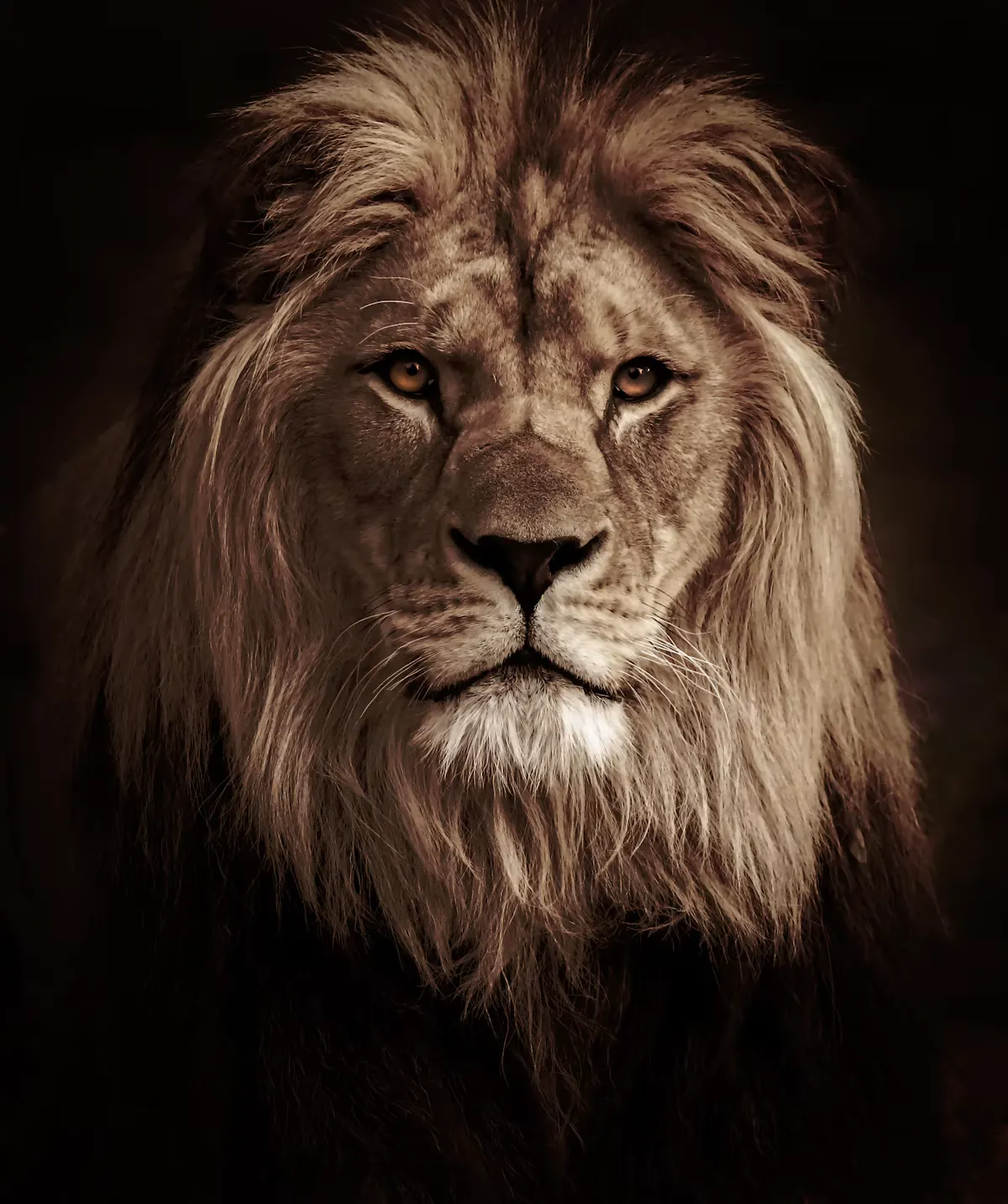
🦁African Lion
Panthera leo
- Male has dark bushy mane
- Tawny tan coat without stripes
- Native to African savannahs
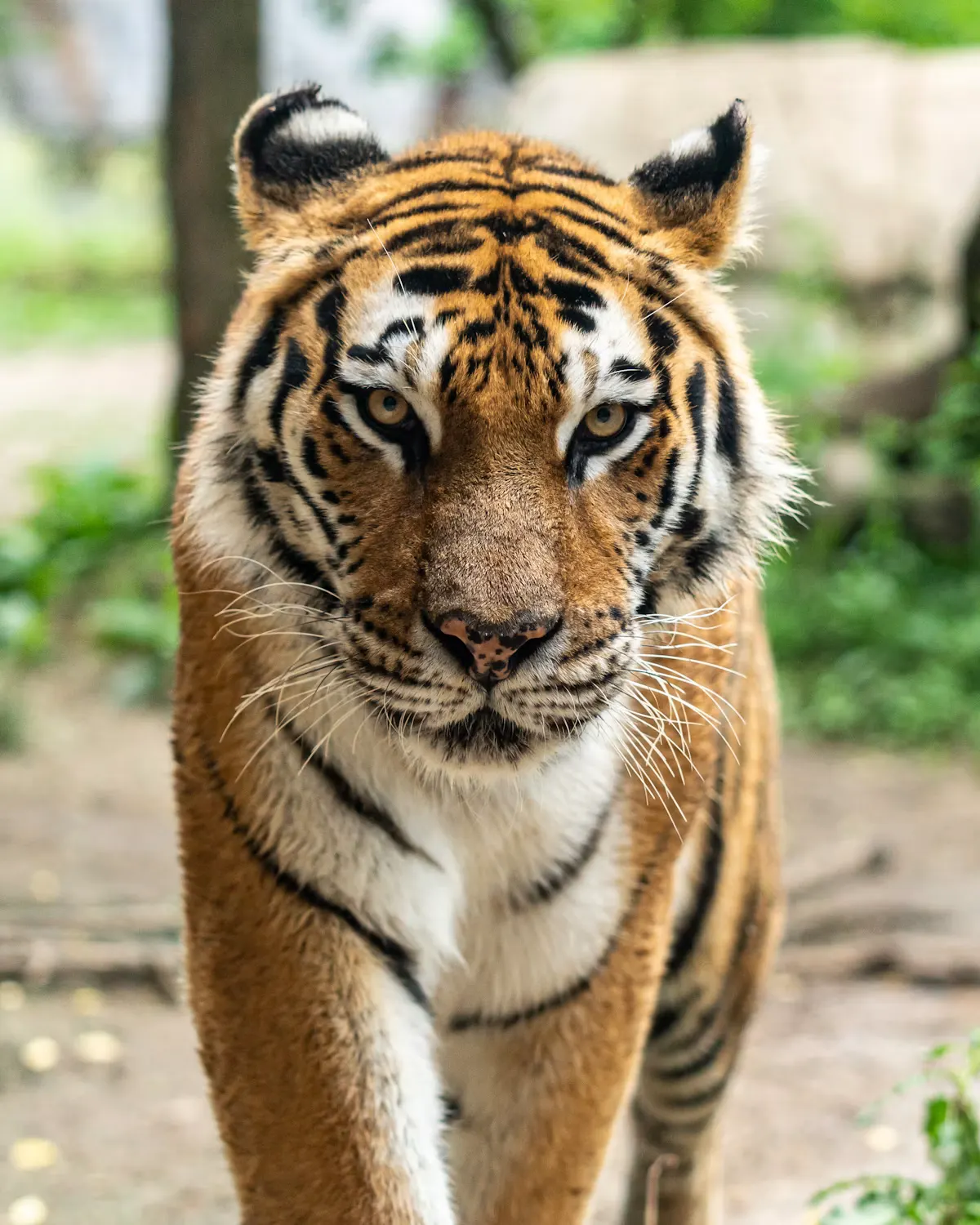
🐯Bengal Tiger
Panthera tigris tigris
- Reddish-orange coat with black vertical stripes
- Solitary stalker
- Native to Asian forests
Comparaison des attributs
Matrice de comparaison des espèces en 14 points
Taxonomie détaillée côte à côte, dimensions anatomiques, habitat et répartition comportementale.
| Dimension biologique | 🦁 African Lion | 🐯 Bengal Tiger |
|---|---|---|
| Body Length | 1.8 – 2.5 meters | 2.4 – 3.3 meters |
| Weight | 150 – 225 kg | 140 – 260+ kg (Siberian up to 300kg) |
| Coat Pattern | Sandy tawny fur with no stripes | Reddish-orange with dark vertical stripes |
| Male Head Trait | Large dark bushy mane framing head | No mane, short facial ruff |
| Social Behavior | Social, lives in prides (females & males) | Strictly solitary except during mating |
| Habitat | Open savannah, grassland, dry woodland | Dense rainforest, mangroves, taiga |
| Geographic Range | Sub-Saharan Africa, Gir Forest (India) | South Asia, SE Asia, Russian Far East |
| Diet & Hunting | Cooperative hunting (zebras, buffalo) | Solitary ambush (deer, wild boar, gaurs) |
| Water Affinity | Avoids deep water, rarely swims | Loves deep water, swims several miles |
| Roar Volume | Up to 114 dB (heard 8 km away) | Up to 110 dB (heard 3 km away) |
| Bite Force | ~650 PSI | ~1,050 PSI |
| Lifespan | 10 – 14 years in wild | 10 – 15 years in wild |
| Conservation Status | Vulnerable | Endangered |
| Population Count | ~20,000 in wild Africa | ~5,500 in wild Asia |
Pourquoi les gens confondent-ils African Lion et Bengal Tiger ?
Les similitudes superficielles trompent souvent les observateurs. Voici pourquoi ils se ressemblent et comment éviter le piège.
Traits superficiels partagés
- Apex feline predators belonging to the genus Panthera capable of roaring
- Immensely powerful predators with sharp retractable claws and night vision
- Keystone species occupying the top of their food chains
Distinctions définitives des champs
- Tigers have black vertical stripes; Lions have uniform tawny fur.
- Male lions grow iconic bushy head manes; Male tigers do not.
- Lions are highly social pride animals; Tigers are solitary wanderers.
- Tigers love swimming in deep rivers; Lions avoid deep water.
Que dois-je rechercher dans la nature ?
Observez les marquages ou comportements clés des champs et sélectionnez les traits correspondants pour exécuter un calcul de diagnostic en direct.
Coat Pattern: Tigers have prominent black vertical camouflage stripes; Lions have uniform sandy-tawny fur.
Head Structure & Mane: Adult male lions feature thick bushy manes surrounding their head; Male tigers lack a mane.
Social Behavior: Lions live in social prides of up to 30 individuals; Tigers are strictly solitary.
Water Affinity: Tigers love deep water and swim regularly; Lions generally avoid swimming unless necessary.
Pouvez-vous les distinguer ?
Testez vos capacités d'observation sur des traits anatomiques clés et gagnez des badges de classement !
"Which big cat naturally lives in organized social groups called prides?"
Révélateur d'indices sur les animaux mystérieux🔎
Pouvez-vous identifier de quelle espèce il s'agit en vous basant sur des indices de terrain étape par étape ? Devinez plus tôt pour obtenir des points plus élevés !
Native to dense tropical rainforests, bamboo jungles, and mangrove swamps across South and Southeast Asia.
Révélez l'indice de l'étape 2 pour lire l'emplacement, les marques du pelage ou les secrets anatomiques...
Prêt à deviner ?
Sélectionnez dès maintenant l'animal candidat qui correspond à ces indices de terrain (__GARDER0__ pts) :
Questions d'identification courantes
Who would win in a fight between a lion and a tiger?
In historical encounters and biological analysis, tigers generally hold the physical edge: Bengal and Siberian tigers are heavier, have higher bite forces (~1,050 PSI vs ~650 PSI), and fight standing on their hind legs using both front paws simultaneously.
Are there any wild lions in Asia?
Yes! A small remnant population of around 600 Asiatic Lions (Panthera leo persica) survives in Gir National Park in Gujarat, India.
What is a liger?
A liger is a hybrid offspring of a male lion and a female tiger. Ligers grow larger than either parent species but exist only in captivity.
Fait amusant de comparaison :
Tigers are the largest of all wild cat species in the world, weighing up to 300 kg (660 lbs)!
Vous avez trouvé un animal et vous ne savez toujours pas de quelle espèce il s'agit ?
Téléchargez n'importe quelle photo pour permettre à AI d'examiner ses rosettes exactes, la forme de son bec, son museau ou ses motifs d'écailles !