Comment distinguer des animaux similaires
Téléchargez une photo pour effectuer une identification visuelle AI ciblée entre les espèces, testez vos connaissances sur le terrain avec des quiz interactifs et explorez des comparaisons anatomiques côte à côte.
Yak vs Himalayan Tahr — Comment les distinguer
Différences visuelles clés, règles d'identification des champs, points chauds anatomiques et analyse AI par paire.
Huge shaggy ox of open highland pasture = yak. Smaller shaggy cliff climber = Himalayan tahr.
| Fonctionnalité | 🐂 Yak | 🐐 Himalayan Tahr |
|---|---|---|
| Size | Very large bovine | Medium goat-antelope |
| Coat | Long hanging double coat | Woolly; longer/shaggier in winter |
| Habitat | Open alpine pasture/plateau | Steep cliffs and meadows |
| Human use | Pack, milk, meat, wool | Wild (not livestock) |
| Feet | Bovine hooves | Rubber-like gripping pads |
Lequel est-ce ?Yak vs Himalayan Tahr
Vous avez repéré un animal sur une photo ou une observation sur le terrain ? Téléchargez-le ici, et le AI évaluera ses traits visuels exacts spécifiquement entre ces deux espèces candidates !
Comparaison de taille et d'échelle avec une référence humaine
Découvrez comment Yak et Himalayan Tahr se mesurent par rapport à un humain moyen (👤 1,8 m / 80 kg).
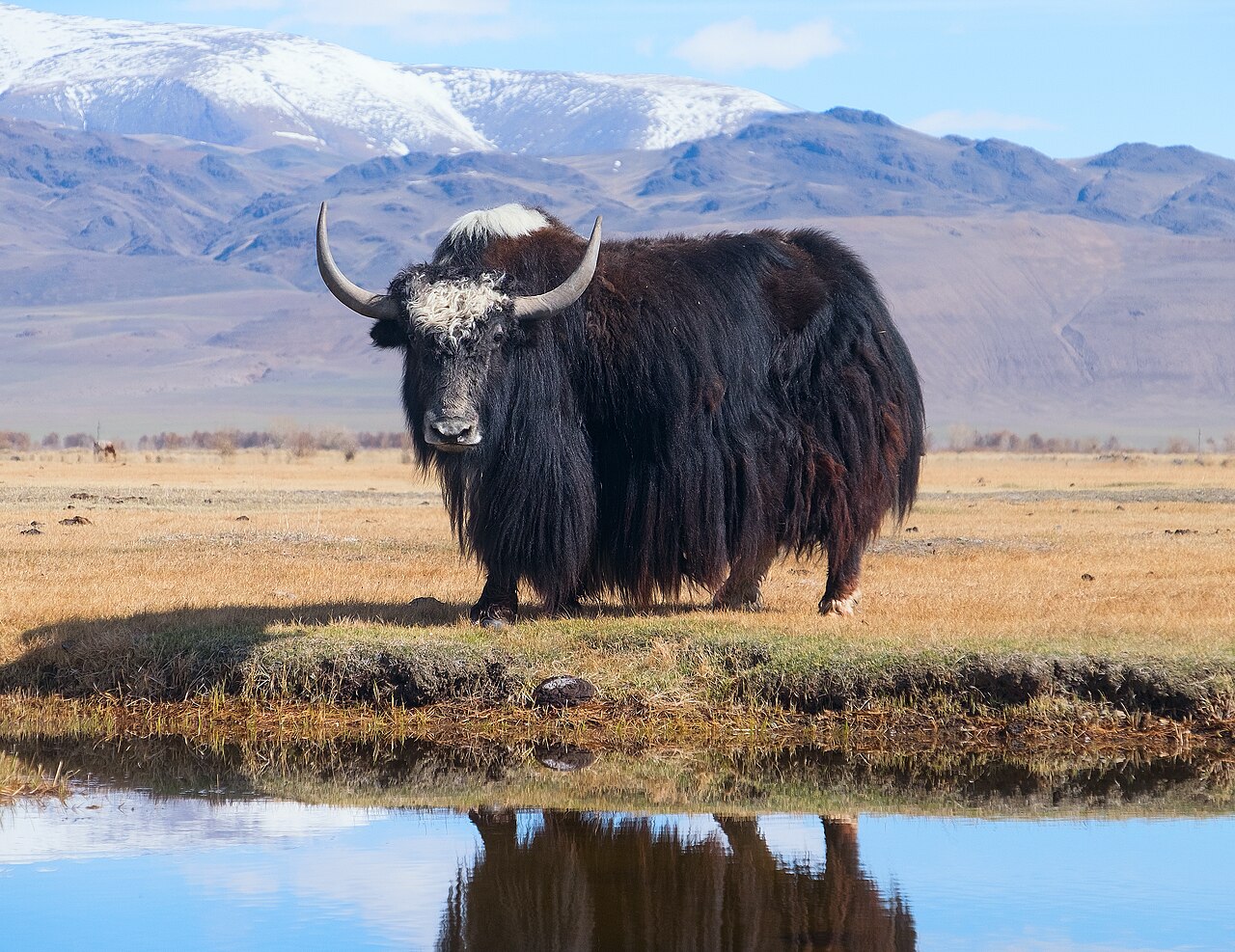
🐂Yak
Bos grunniens
- Massive shaggy double coat
- Dense underwool
- Pack/dairy livestock icon
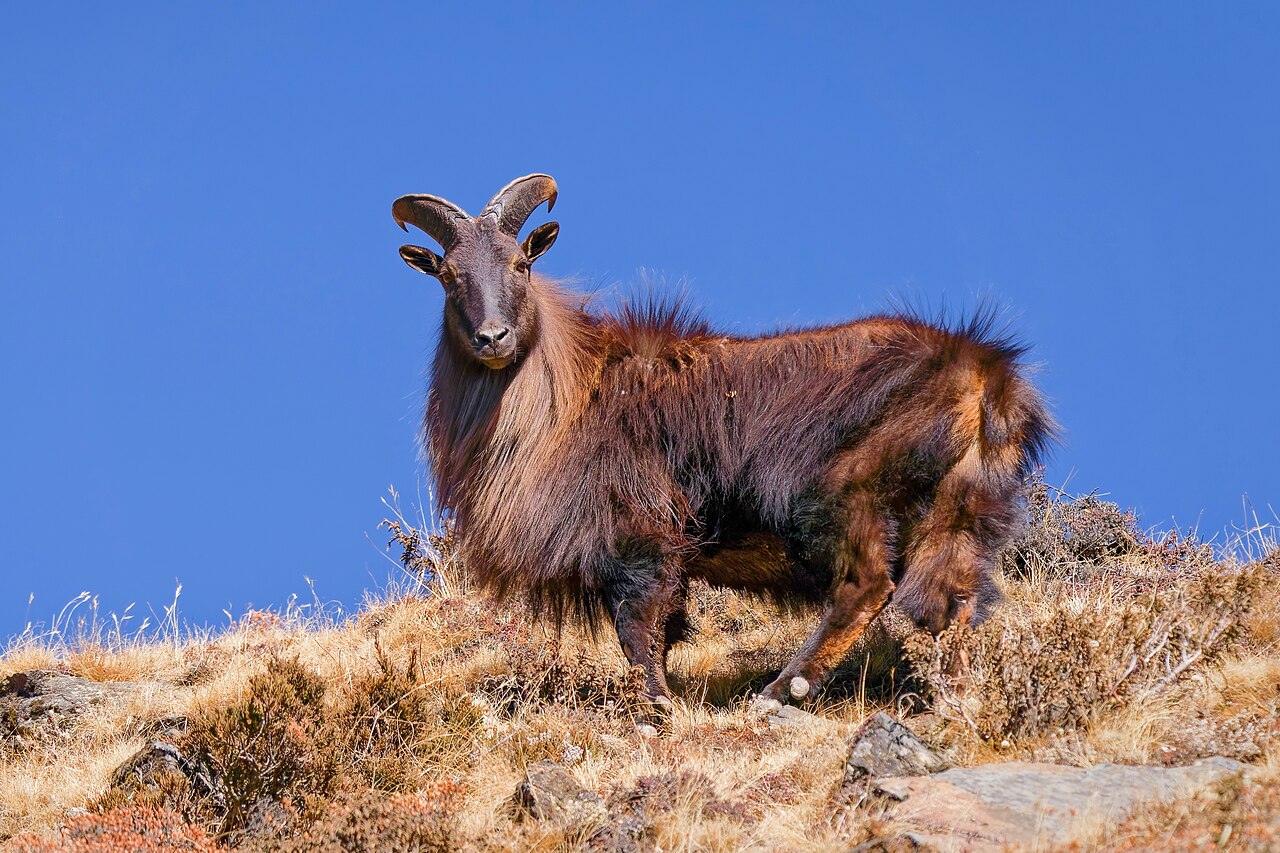
🐐Himalayan Tahr
Hemitragus jemlahicus
- Long shaggy winter coat
- Rubber-like hoof grip
- Wild goat-antelope
Matrice de comparaison des espèces en 14 points
Taxonomie détaillée côte à côte, dimensions anatomiques, habitat et répartition comportementale.
| Dimension biologique | 🐂 Yak | 🐐 Himalayan Tahr |
|---|---|---|
| Size (Length) | Large ox frame | ~90–140 cm body |
| Weight | Hundreds of kg | ~50–100 kg |
| Body Shape | Stocky bovine | Goat-antelope |
| Coat/Skin | Long hanging skirt hair | Woolly winter shag |
| Markings | Dark shaggy coat | Red-brown to dark |
| Head Shape | Broad ox head + horns | Shorter horns |
| Teeth/Jaw | Grazing bovine | Caprine browser/grazer |
| Tail | Long-haired bovine tail | Short ungulate tail |
| Habitat | Plateau pastures | Cliffs & meadows |
| Geographic Range | Tibetan Plateau/Himalaya | Himalayan ranges |
| Diet | Grasses/sedges | Grasses/herbs/shrubs |
| Behavior | Herd livestock/wild herds | Cliff climbing groups |
| Lifespan | ~15–20 years | ~10–15 years |
| Conservation Status | Vulnerable (wild focus) | Near Threatened |
Pourquoi les gens confondent-ils Yak et Himalayan Tahr ?
Les similitudes superficielles trompent souvent les observateurs. Voici pourquoi ils se ressemblent et comment éviter le piège.
Traits superficiels partagés
- Long insulating hair for Himalayan cold
- Herbivores of high mountains
- Iconic “roof of the world” fauna
Distinctions définitives des champs
- Yaks are cattle-like and much larger.
- Tahrs climb cliffs; yaks graze pastures.
- Yaks are primarily domestic/livestock icons; tahrs are wild.
Que dois-je rechercher dans la nature ?
Observez les marquages ou comportements clés des champs et sélectionnez les traits correspondants pour exécuter un calcul de diagnostic en direct.
Size first: yak is ox-huge; tahr is goat-antelope sized.
Terrain: open pasture/plateau favors yak; sheer cliffs favor tahr.
Coat shape: hanging skirt hair = yak; winter mane/shag on a climber = tahr.
Context: pack trains and herders = yak; wild cliff groups = tahr.
Pouvez-vous les distinguer ?
Testez vos capacités d'observation sur des traits anatomiques clés et gagnez des badges de classement !
"Which animal is famous as a Himalayan pack and dairy animal?"
Questions d'identification courantes
Which is used as a pack animal?
The yak — highland communities rely on yaks for transport, milk, meat, and wool.
Which is better on cliffs?
The Himalayan tahr — specialized hoof pads grip steep rock and ice.
Are both long-haired?
Yes — both grow insulating coats for alpine cold; yak hair hangs in a heavy skirt, while tahrs become especially shaggy in winter.
Fait amusant de comparaison :
Yaks and tahrs both wear “long hair armor” against Himalayan cold — but one is a highland ox of people and pastures, the other a wild cliff acrobat.
Vous avez trouvé un animal et vous ne savez toujours pas de quelle espèce il s'agit ?
Téléchargez n'importe quelle photo pour permettre à AI d'examiner ses rosettes exactes, la forme de son bec, son museau ou ses motifs d'écailles !