Comment distinguer des animaux similaires
Téléchargez une photo pour effectuer une identification visuelle AI ciblée entre les espèces, testez vos connaissances sur le terrain avec des quiz interactifs et explorez des comparaisons anatomiques côte à côte.
Yak vs Snow Leopard — Comment les distinguer
Différences visuelles clés, règles d'identification des champs, points chauds anatomiques et analyse AI par paire.
Shaggy ox of pastures = yak. Spotted “ghost” cat of cliffs = snow leopard.
| Fonctionnalité | 🐂 Yak | 🐆 Snow Leopard |
|---|---|---|
| Role | Herbivore / livestock | Apex predator |
| Coat | Long hanging hair | Dense smoky rosettes |
| Tail | Hairy bovine tail | Very long bushy tail |
| Diet | Grasses/sedges | Ungulates & small mammals |
| Human link | Pack, milk, wool | Wild protected cat |
Lequel est-ce ?Yak vs Snow Leopard
Vous avez repéré un animal sur une photo ou une observation sur le terrain ? Téléchargez-le ici, et le AI évaluera ses traits visuels exacts spécifiquement entre ces deux espèces candidates !
Comparaison de taille et d'échelle avec une référence humaine
Découvrez comment Yak et Snow Leopard se mesurent par rapport à un humain moyen (👤 1,8 m / 80 kg).
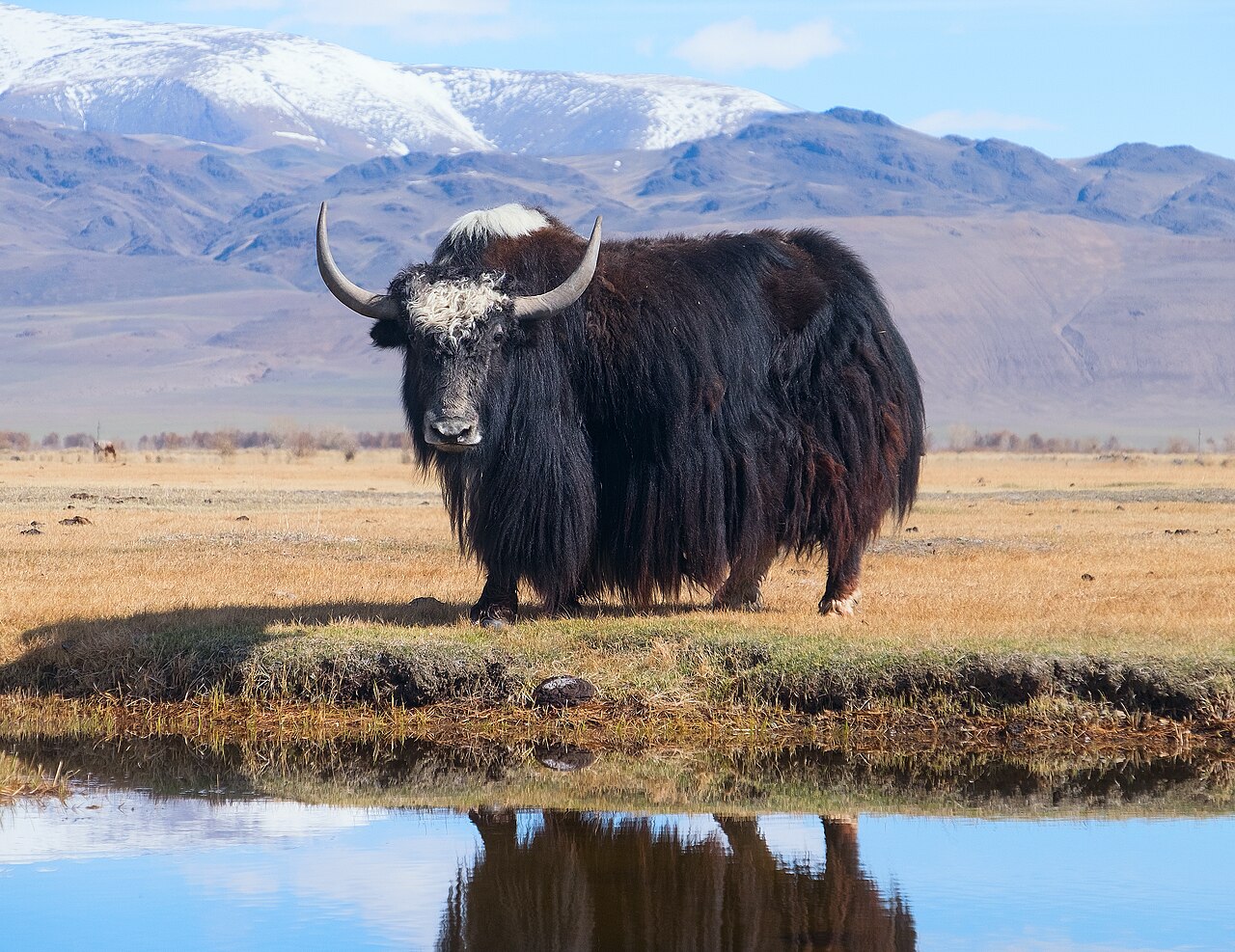
🐂Yak
Bos grunniens
- Long shaggy double coat
- Pack/dairy animal
- Primary herbivore

🐆Snow Leopard
Panthera uncia
- Dense smoky rosette coat
- Long bushy tail
- Ghost of the mountains
Matrice de comparaison des espèces en 14 points
Taxonomie détaillée côte à côte, dimensions anatomiques, habitat et répartition comportementale.
| Dimension biologique | 🐂 Yak | 🐆 Snow Leopard |
|---|---|---|
| Size (Length) | Large ox | ~1.8–2.3 m incl. tail |
| Weight | Hundreds of kg | ~30–55 kg |
| Body Shape | Stocky bovine | Long-tailed felid |
| Coat/Skin | Shaggy double coat | Dense smoky fur |
| Markings | Mostly plain dark/brown | Dark rosettes |
| Head Shape | Ox head | Small rounded cat head |
| Teeth/Jaw | Herbivore | Carnivore canines |
| Tail | Bovine | Very long bushy |
| Habitat | Pastures/plateau | Cliffs/ridges |
| Geographic Range | Tibetan Plateau/Himalaya | Central Asia highlands |
| Diet | Plants | Meat |
| Behavior | Herds | Solitary stalker |
| Lifespan | ~15–20 years | ~10–15 years |
| Conservation Status | Vulnerable (wild focus) | Vulnerable |
Pourquoi les gens confondent-ils Yak et Snow Leopard ?
Les similitudes superficielles trompent souvent les observateurs. Voici pourquoi ils se ressemblent et comment éviter le piège.
Traits superficiels partagés
- Famous Himalayan long-coated mammals
- Adapted to extreme cold and altitude
- Strong tourism and cultural symbolism
Distinctions définitives des champs
- Completely different diets and ecological roles.
- Yaks are bovines; snow leopards are big cats.
- Coat patterns differ: plain shaggy vs rosettes.
Que dois-je rechercher dans la nature ?
Observez les marquages ou comportements clés des champs et sélectionnez les traits correspondants pour exécuter un calcul de diagnostic en direct.
Look for spots: rosettes = snow leopard; plain shaggy coat = yak.
Body plan: cat vs ox is unmistakable at a glance.
Tail: snow leopards have a huge bushy balancing tail.
Context: pack trains = yak; cliff ghost sightings = snow leopard.
Pouvez-vous les distinguer ?
Testez vos capacités d'observation sur des traits anatomiques clés et gagnez des badges de classement !
"Which animal is a carnivore?"
Questions d'identification courantes
Do snow leopards hunt yaks?
They primarily hunt wild ungulates like blue sheep and ibex; livestock predation conflicts can occur regionally, but adult yaks are formidable.
Which has longer fur for cold?
Both are highly insulated — yaks with hanging double coats, snow leopards with exceptionally dense fur and a bushy tail used for warmth.
Which is a livestock animal?
The yak — central to highland pastoral life.
Fait amusant de comparaison :
The Himalayas host both the shaggiest highland ox and one of the planet’s most elusive long-coated cats — yak and snow leopard.
Vous avez trouvé un animal et vous ne savez toujours pas de quelle espèce il s'agit ?
Téléchargez n'importe quelle photo pour permettre à AI d'examiner ses rosettes exactes, la forme de son bec, son museau ou ses motifs d'écailles !