How Do You Eat an Elephant? One Bite at a Time
“How do you eat an elephant? One bite at a time.” The line is a metaphor for finishing an overwhelming task by taking small, steady steps — not a claim that anyone literally eats an elephant. This guide covers meaning, variations, documented early citations, and why authorship and cultural origin remain uncertain.
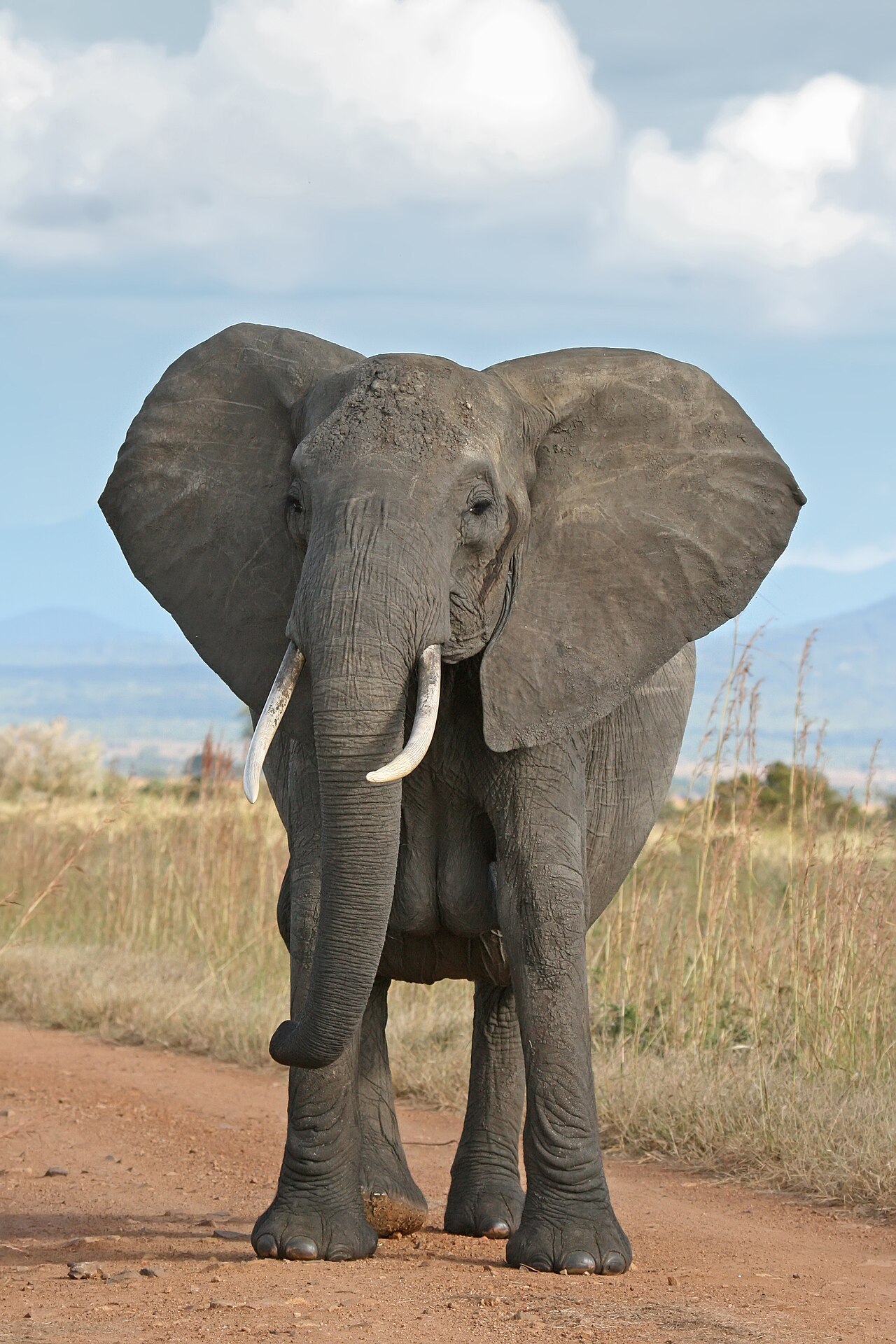
Quick answer
How do you eat an elephant? The common punchline is: one bite at a time.
As a metaphor, the elephant stands for a huge goal or problem; each bite is a manageable next step. USC folklore notes collect the same interpretation in family advice: break a large obstacle into smaller pieces rather than trying to conquer it all at once.
Who said it? There is no securely established single author. General Creighton Abrams was later associated with a close wording in the 1974 Congressional Record, but etymologist Barry Popik documents U.S. print uses decades earlier. Modern labels such as “African proverb” or “Chinese proverb” circulate widely; they are not firmly proven by a single original source in the record Popik surveys.
What is the quote? Common variations
The saying usually appears as a setup and punchline:
How do you eat an elephant? — One bite at a time.
- How do you eat an elephant? One bite at a time. — everyday spoken form
- Eat an elephant one bite at a time — coaching / productivity shorthand
- You have to eat an elephant bite by bite — Abrams-associated Congressional Record wording
- Swallow an elephant one bite at a time — early Cody-adjacent phrasing
- He who would swallow the elephant must take one bite at a time — mid-century “Chinese proverb” newspaper styling (attribution unverified)
Meaning: elephant = huge task; one bite = one step
In figurative use, the elephant is any goal that feels too big to finish in one go — a degree, a product launch, a messy household project, a book draft, or a tough conversation series. One bite means the next concrete action small enough to start today.
The USC Folklore Archives collect a family performance of the proverb: a parent used it when a child felt stressed, framing the advice as tackling a large problem step by step rather than all at once. The archive notes that Americans often value breaking large challenges into smaller pieces — similar in spirit to “baby steps.”
The metaphor works because an elephant is vivid and oversized; the humor of the question makes the advice memorable without requiring you to believe the saying has a single sacred origin.
Who said it? No single securely established author
Short answer: researchers have not pinned the line to one inventing author the way we can for many signed quotations.
Creighton Abrams is often named online because the 1974 Congressional Record associates him with: “You have to eat an elephant bite by bite.” That association is real — and useful history — but Barry Popik’s research shows the saying was already popular long before Abrams’s wording entered the Record. Treating Abrams as the originator overstates the evidence.
Earlier documented English uses (Cody 1921; Peach 1945; 1950s newspapers) demonstrate a living proverb/joke circulating in U.S. print. Later books titled How to Eat an Elephant apply the metaphor to management, finance, theater, and more — they popularize the phrase; they do not prove first authorship.
For a careful citation trail, start with Barry Popik’s post rather than quote aggregators that invent famous credits.
Origin timeline (documented milestones)
The timeline below follows publicly discussed citations (especially Popik). It is a map of appearances, not proof of the absolute first utterance in any language.
Selected documented milestones (not a complete genealogy)
| Year / era | What appears in the record |
|---|---|
| 1921 | Frank Cody, Detroit Journal of Education: swallow an elephant one bite at a time (cannot swallow it all at once). |
| 1945 | Paul Peach, industrial statistics book: attributed to “Kung Fu Tze” / Chinese framing; exact Chinese source unknown (Popik). |
| 1950s | U.S. newspapers and ads popularize the line; sometimes labeled a Chinese proverb. |
| 1974 | Congressional Record associates Creighton Abrams with “You have to eat an elephant bite by bite.” |
| Later decades | Books, classrooms, and coaching reuse the metaphor; modern web sources sometimes call it an African proverb without a firm primary citation. |
- 1921 — Frank Cody, Detroit Journal of Education: it is possible to swallow an elephant one bite at a time, but not all at once (must “reject the ivory”).
- 1945 — Paul Peach, An Introduction to Industrial Statistics and Quality Control: attributes the idea to “the great Kung Fu Tze,” saying a man can eat an elephant one bite at a time; exact Chinese source unknown.
- 1950s — U.S. newspapers and ads; political copy and features sometimes call it Chinese or “ancient.”
- 1974 — Creighton Abrams associated wording in the Congressional Record: eat an elephant bite by bite.
Is it an African proverb?
Many modern blogs and posters describe the saying as an African proverb. That label is common in popular culture, but a precise African-language first source is not firmly established in the English citation trail emphasized here.
What is firmly documented is early 20th-century U.S. print history (Cody 1921 onward) plus mid-century popularization that sometimes claimed Chinese origin without a verifiable classical text. Honest SEO and teaching materials should say: often described as an African (or Chinese) proverb, origin uncertain.
Do not treat “African proverb” as a settled fact solely because quote websites repeat it.
Joke / riddle vs proverb / metaphor
The line lives a double life. As a riddle or joke, the question “How do you eat an elephant?” invites a witty answer. As a proverb / metaphor, the same answer teaches pacing and decomposition of work.
Some secondary materials casually call it an “old joke.” A U.S. Office of Justice Programs digitized report (NCJRS PDF) has been cited in that vein — useful as a reminder that the saying circulated as humor, not as proof of a single folklore homeland. Prefer primary citation work (Popik) for origin claims.
In practice, classrooms and managers use the metaphor meaning; icebreakers and comedy bits use the joke framing. Both can be true at once.
What does “eat the elephant” mean?
“Eat the elephant” (or “eating the elephant”) is shorthand for tackling a project so large it feels absurd until you slice it. In meetings you may hear: “Let’s eat the elephant — what’s bite one?”
Related workplace phrasing includes “elephant in the room” — a different idiom about an obvious unspoken issue. Do not conflate the two.
How to apply the idea
Use the proverb as a planning ritual, not as empty motivation:
Learning
Name the “elephant” (finish the syllabus, pass the exam). List four bites: outline topics, schedule review blocks, practice one weak area, ask one clarifying question.
Business / projects
Define the outcome, then the smallest shippable increment. Prefer a completed bite over a perfect master plan that never starts.
Writing a book (or any long creative work)
The manuscript is the elephant; today’s bite might be 300 words, one scene outline, or a research note — not “write the whole book.” For a guided classroom version, see our printable worksheet.
Similar sayings (careful attribution)
Other well-known lines teach gradual progress. Attribute carefully — do not invent celebrity credits from quote farms:
- A journey of a thousand miles begins with a single step — commonly associated with the Tao Te Ching tradition; check scholarly translations for wording.
- Rome wasn’t built in a day — long-standing English proverb about large works needing time.
- Baby steps — informal modern coaching language collected alongside the elephant proverb in folklore notes.
- Chunking / work breakdown — project-management vocabulary for the same idea without animal imagery.
Situations where people use it
The metaphor shows up wherever overwhelm is common:
- Students — exams, theses, portfolio deadlines
- Work — migrations, audits, product launches
- Personal goals — fitness, decluttering, habit change
- Business — fundraising, process redesign, quality programs
- Life transitions — moves, caregiving plans, multi-year ambitions
Variations table
These phrasings share the same core metaphor. They are variants of one saying, not separate famous quotations requiring unique authors.
Common wording variations (same metaphor)
| Variation | Notes |
|---|---|
| How do you eat an elephant? One bite at a time. | Most common Q&A form in speech and classrooms. |
| You have to eat an elephant bite by bite. | Wording associated with Creighton Abrams in the 1974 Congressional Record (saying already older). |
| Swallow / eat an elephant one bite at a time. | Close to Frank Cody’s 1921 Detroit Journal of Education phrasing (“swallow an elephant…”). |
| A man can eat an elephant … one bite at a time. | 1945 Paul Peach industrial-statistics book, attributed there to “Kung Fu Tze”; exact Chinese source unknown. |
| You can eat an elephant … a bite at a time. | 1950s newspaper / political-ad popularizations; sometimes labeled “ancient Chinese.” |
| Eat the elephant one bite (or piece) at a time. | Short imperative used in coaching, project management, and self-help. |
Keep exploring this cluster
Practice the metaphor with our How to Eat an Elephant worksheet (print-friendly activities). For a contemporary book that applies the same image to anxiety management, see How to Eat an Elephant by India Sturgis — an educational overview, not medical advice.
Frequently asked questions
How do you eat an elephant?+
The familiar answer is: one bite at a time. Figuratively, finish a huge task by taking small, sequential steps.
What does “how do you eat an elephant one bite at a time” mean?+
The elephant stands for an overwhelming goal; each bite is a manageable action. USC folklore notes record it as family advice to approach big problems step by step.
Who said “how do you eat an elephant”?+
No single author is securely established. Creighton Abrams is later associated with similar wording in the 1974 Congressional Record, but Barry Popik documents earlier U.S. print uses (including Frank Cody in 1921).
Did Creighton Abrams invent the saying?+
No. Abrams is linked to a 1974 Congressional Record phrasing, but the proverb was already circulating decades earlier.
Is “eat an elephant one bite at a time” an African proverb?+
It is often described that way in modern popular sources, but a precise African origin is not firmly established. Early documented English print history in the U.S. begins at least in 1921.
Is it a Chinese proverb?+
Mid-20th-century books and ads sometimes labeled it Chinese (including a 1945 attribution to “Kung Fu Tze”). Popik notes that an exact Chinese source is unknown, so treat that label cautiously.
What does “eat the elephant” mean at work?+
It means tackling a very large project by breaking it into smaller deliverables — “what’s our first bite?” — not literal eating, and not the separate idiom “elephant in the room.”
Is the elephant saying a joke or a proverb?+
Both. It works as a riddle/joke setup and as a serious metaphor for gradual progress. Some secondary materials call it an old joke; classrooms usually teach the metaphor.
When was the saying first written down?+
A frequently cited early English appearance is Frank Cody in the 1921 Detroit Journal of Education. Earlier spoken uses may exist, but this is a solid documented milestone in Popik’s research.
How can I teach or practice the idea?+
Use our printable How to Eat an Elephant worksheet to name a big goal, break it into bites, and choose a first action for today.
Related quote & saying guides
Sources
Educational summary drawn from public folklore notes, etymology research, and publisher pages. Verify details against the original sources:
Explore animals & guides
Quote guides are educational only. Browse the animals catalog or return to the guides hub for more wildlife and pet topics.