समान जानवरों में अंतर कैसे पहचानें
प्रजातियों के बीच targeted AI visual identification, interactive quizzes और side-by-side anatomy comparisons के लिए photo upload करें।
Quokka vs Red Kangaroo — अंतर कैसे पहचानें
Key visual differences, field identification rules, anatomical hotspots और pairwise AI analysis।
If it is about domestic-cat sized with a short tail and a rounded “smiling” face in Western Australia, it is a quokka. If it is a large hopping marsupial of inland Australia with a long powerful tail, it is a red kangaroo.
| Feature | 🦘 Quokka | 🦘 Red Kangaroo |
|---|---|---|
| Size | ~40–54 cm body; 1.5–5 kg | Males stand ~1.4–1.8 m; 40–90 kg |
| Tail | Short for a macropod | Long, thick, muscular |
| Face | Rounded “smiling” face | Smaller head relative to huge body |
| Range | SW Western Australia / islands | Inland mainland Australia |
| Habitat | Dense cover, shrubland, islands | Open arid plains and scrub |
Which One Is This?Quokka vs Red Kangaroo
Photo या field observation में animal दिखा? Upload करें — AI इन दो candidate species के बीच exact visual traits evaluate करेगा!
Human Benchmark के साथ Size & Scale Comparison
Quokka और Red Kangaroo average human (👤 1.8m / 80kg) के सापेक्ष।
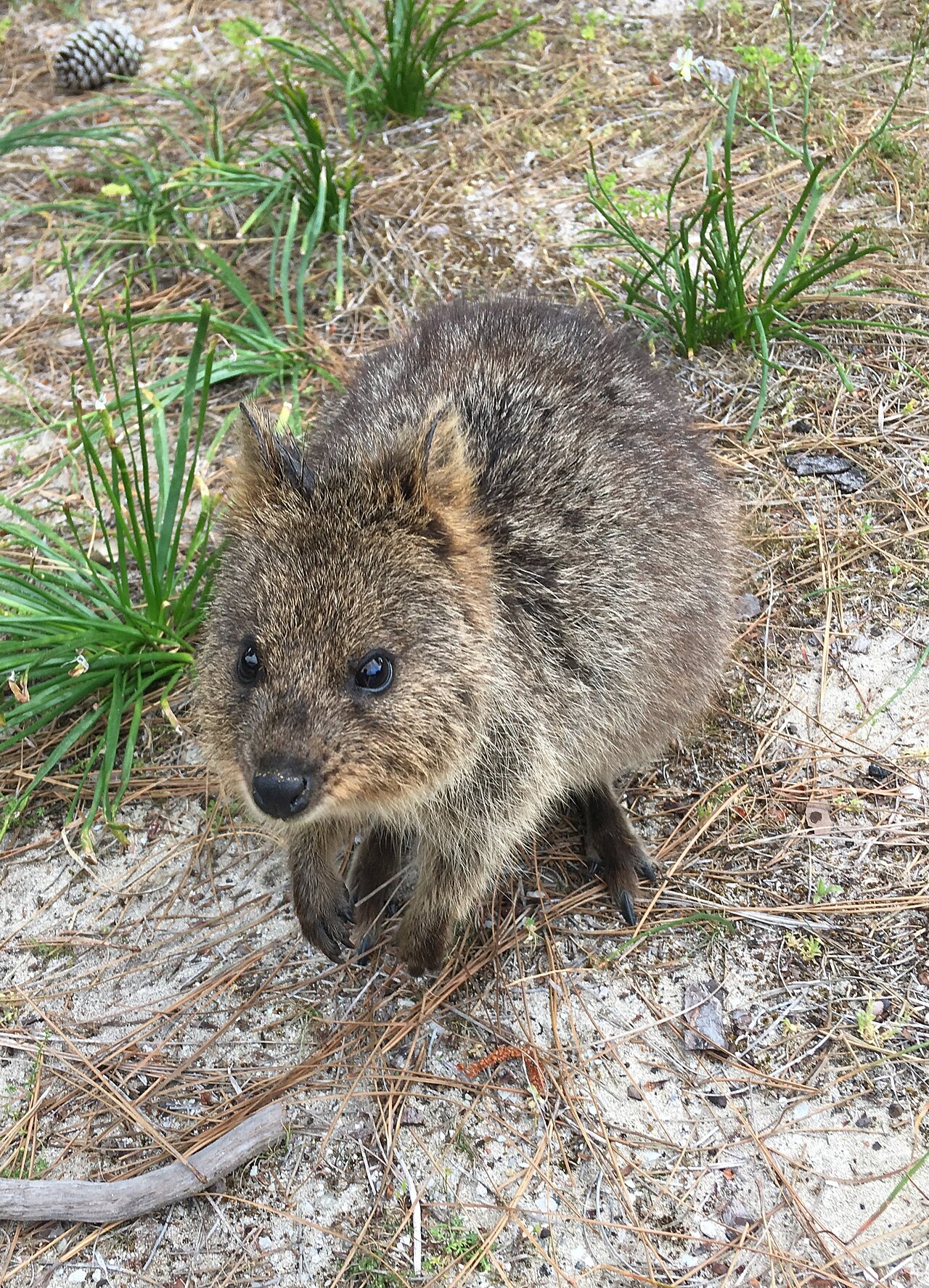
🦘Quokka
Setonix brachyurus
- Rounded “smiling” face
- Short tail
- Cat-sized compact body
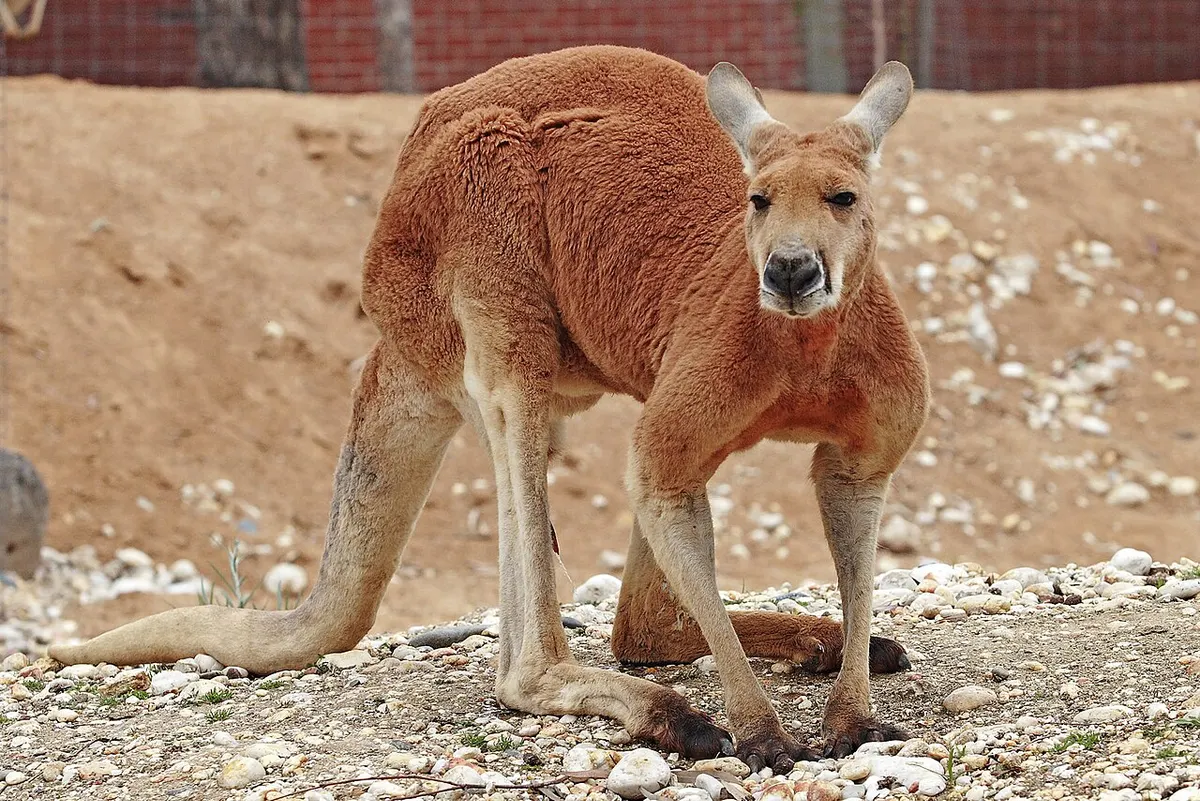
🦘Red Kangaroo
Osphranter rufus
- Huge hind legs
- Long muscular tail
- Male red / female blue-gray coats
14-Point Species Comparison Matrix
Detailed side-by-side taxonomy, anatomy, habitat, behavior।
| Biological Dimension | 🦘 Quokka | 🦘 Red Kangaroo |
|---|---|---|
| Size (Length) | ~40–54 cm body | Body + long tail; males stand ~1.4–1.8 m |
| Weight | ~1.5–5 kg | ~40–90 kg (males larger) |
| Body Shape | Compact, cat-sized | Tall, long-legged hopper |
| Coat/Skin | Brown/gray-brown | Male red; female often blue-gray |
| Markings | Rounded face “smile” | Sexual dichromatism common |
| Head Shape | Rounded cheeks | Smaller head on huge frame |
| Teeth/Jaw | Herbivore dentition | Herbivore dentition |
| Tail | Short | Long muscular fifth limb |
| Habitat | Forest/shrub/wetland/islands | Arid open country |
| Geographic Range | SW Western Australia | Central/mainland Australia |
| Diet | Grasses, leaves, shrubs | Grasses and forbs |
| Behavior | Mainly nocturnal; dense cover | Mobs; high-speed hopping |
| Lifespan | ~10 years wild | ~8–15 years wild |
| Conservation Status | Vulnerable | Least Concern |
लोग Quokka और Red Kangaroo क्यों confuse करते हैं?
Superficial similarities observers को confuse करती हैं — trap से बचें।
Superficial Shared Traits
- Both are Australian marsupial macropods that hop
- Both raise young (joeys) in a pouch
- Both are herbivores
Definitive Field Distinctions
- Quokkas are tiny and short-tailed; red kangaroos are massive with long tails.
- Quokkas are tied to SW WA islands and dense vegetation; red kangaroos dominate inland open country.
- The viral “happiest animal” look is a quokka trait, not a red kangaroo trait.
जंगल में क्या देखें?
Field markings/behaviors select कर live diagnostic calculation चलाएँ।
Check size: quokkas are domestic-cat sized; red kangaroos can stand taller than a person.
Check the tail: quokkas have a short tail; red kangaroos have a long thick balancing tail.
Check geography/habitat: SW WA islands and dense cover favor quokkas; inland open country favors red kangaroos.
Look at the face: the viral rounded “smile” is the quokka’s signature look.
Can You Tell Them Apart?
Anatomical traits पर skills test — rank badges earn करें!
"Which animal is about the size of a domestic cat?"
Common Identification Questions
Are quokkas baby kangaroos?
No. Quokkas are a separate small macropod species (Setonix brachyurus), not juvenile red kangaroos.
Which is safer to approach?
Neither should be handled. Quokkas are often photographed on Rottnest but must not be touched or fed; large kangaroos can injure people with powerful kicks.
Do both have joeys?
Yes. Both are marsupials that raise joeys in a pouch and can use embryonic diapause.
Comparison Fun Fact:
Quokkas are sometimes nicknamed the “world’s happiest animal” because of their facial anatomy and viral selfies — not because scientists measured happiness.
Animal मिला लेकिन species sure नहीं?
Photo upload — AI rosettes, beak, snout, scale patterns examine करेगा!