समान जानवरों में अंतर कैसे पहचानें
प्रजातियों के बीच targeted AI visual identification, interactive quizzes और side-by-side anatomy comparisons के लिए photo upload करें।
Yak vs Himalayan Tahr — अंतर कैसे पहचानें
Key visual differences, field identification rules, anatomical hotspots और pairwise AI analysis।
Huge shaggy ox of open highland pasture = yak. Smaller shaggy cliff climber = Himalayan tahr.
| Feature | 🐂 Yak | 🐐 Himalayan Tahr |
|---|---|---|
| Size | Very large bovine | Medium goat-antelope |
| Coat | Long hanging double coat | Woolly; longer/shaggier in winter |
| Habitat | Open alpine pasture/plateau | Steep cliffs and meadows |
| Human use | Pack, milk, meat, wool | Wild (not livestock) |
| Feet | Bovine hooves | Rubber-like gripping pads |
Which One Is This?Yak vs Himalayan Tahr
Photo या field observation में animal दिखा? Upload करें — AI इन दो candidate species के बीच exact visual traits evaluate करेगा!
Human Benchmark के साथ Size & Scale Comparison
Yak और Himalayan Tahr average human (👤 1.8m / 80kg) के सापेक्ष।
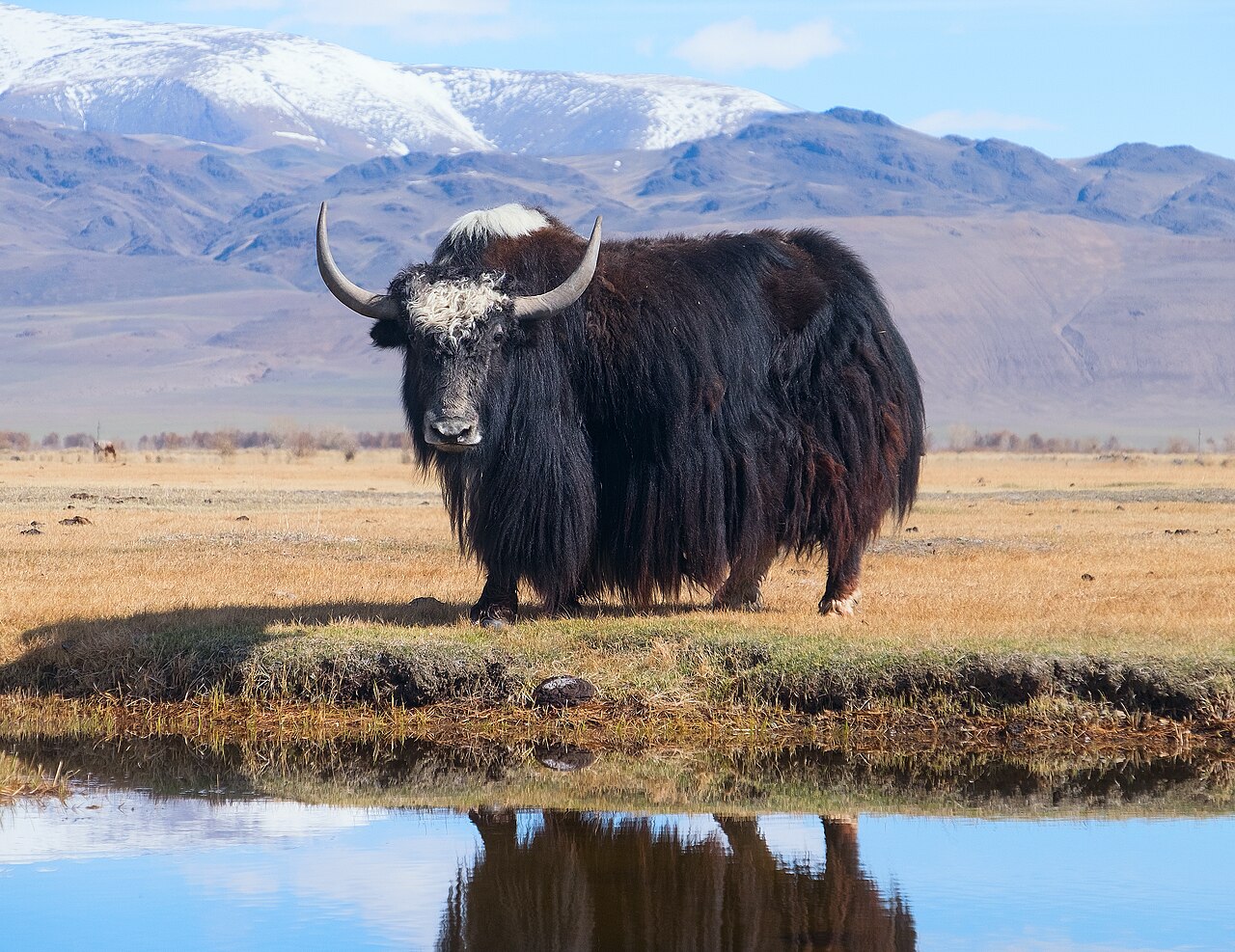
🐂Yak
Bos grunniens
- Massive shaggy double coat
- Dense underwool
- Pack/dairy livestock icon
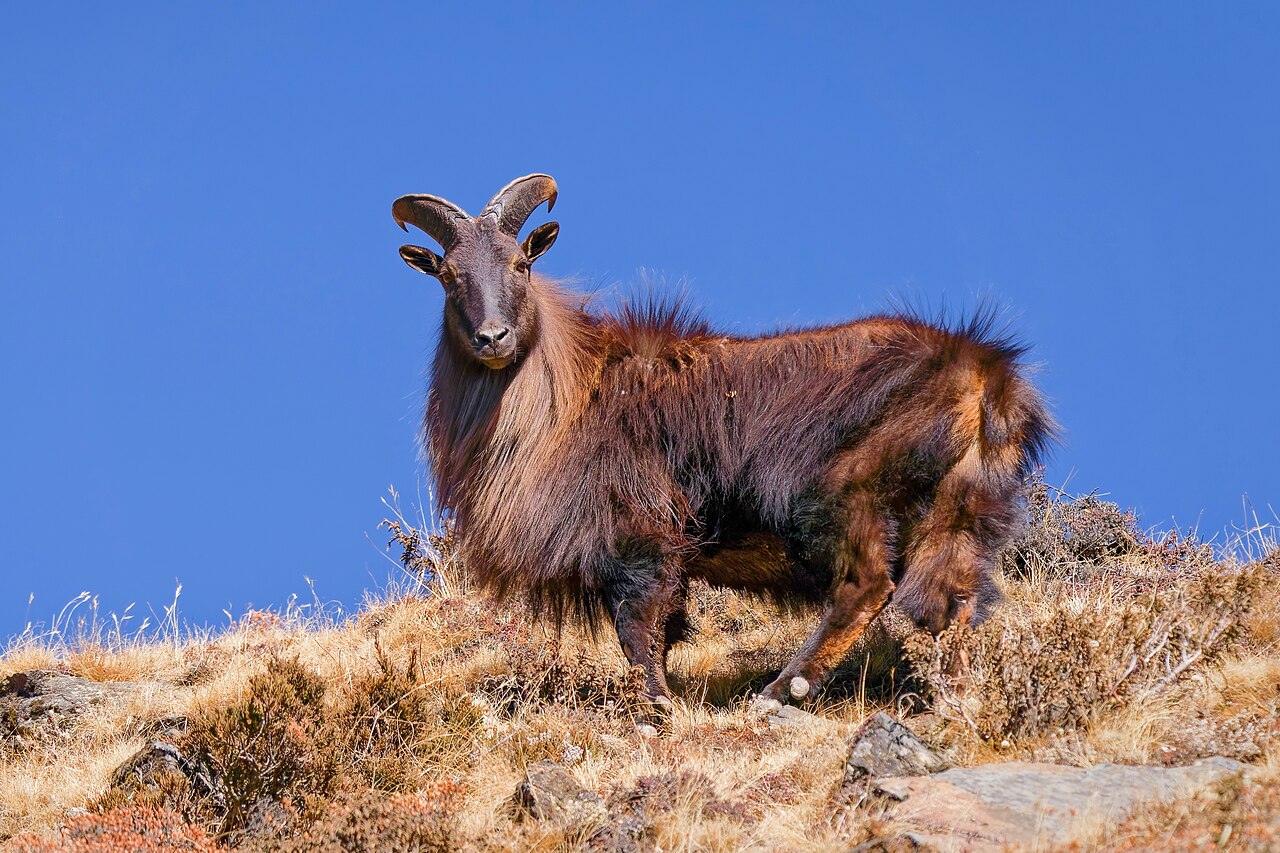
🐐Himalayan Tahr
Hemitragus jemlahicus
- Long shaggy winter coat
- Rubber-like hoof grip
- Wild goat-antelope
14-Point Species Comparison Matrix
Detailed side-by-side taxonomy, anatomy, habitat, behavior।
| Biological Dimension | 🐂 Yak | 🐐 Himalayan Tahr |
|---|---|---|
| Size (Length) | Large ox frame | ~90–140 cm body |
| Weight | Hundreds of kg | ~50–100 kg |
| Body Shape | Stocky bovine | Goat-antelope |
| Coat/Skin | Long hanging skirt hair | Woolly winter shag |
| Markings | Dark shaggy coat | Red-brown to dark |
| Head Shape | Broad ox head + horns | Shorter horns |
| Teeth/Jaw | Grazing bovine | Caprine browser/grazer |
| Tail | Long-haired bovine tail | Short ungulate tail |
| Habitat | Plateau pastures | Cliffs & meadows |
| Geographic Range | Tibetan Plateau/Himalaya | Himalayan ranges |
| Diet | Grasses/sedges | Grasses/herbs/shrubs |
| Behavior | Herd livestock/wild herds | Cliff climbing groups |
| Lifespan | ~15–20 years | ~10–15 years |
| Conservation Status | Vulnerable (wild focus) | Near Threatened |
लोग Yak और Himalayan Tahr क्यों confuse करते हैं?
Superficial similarities observers को confuse करती हैं — trap से बचें।
Superficial Shared Traits
- Long insulating hair for Himalayan cold
- Herbivores of high mountains
- Iconic “roof of the world” fauna
Definitive Field Distinctions
- Yaks are cattle-like and much larger.
- Tahrs climb cliffs; yaks graze pastures.
- Yaks are primarily domestic/livestock icons; tahrs are wild.
जंगल में क्या देखें?
Field markings/behaviors select कर live diagnostic calculation चलाएँ।
Size first: yak is ox-huge; tahr is goat-antelope sized.
Terrain: open pasture/plateau favors yak; sheer cliffs favor tahr.
Coat shape: hanging skirt hair = yak; winter mane/shag on a climber = tahr.
Context: pack trains and herders = yak; wild cliff groups = tahr.
Can You Tell Them Apart?
Anatomical traits पर skills test — rank badges earn करें!
"Which animal is famous as a Himalayan pack and dairy animal?"
Common Identification Questions
Which is used as a pack animal?
The yak — highland communities rely on yaks for transport, milk, meat, and wool.
Which is better on cliffs?
The Himalayan tahr — specialized hoof pads grip steep rock and ice.
Are both long-haired?
Yes — both grow insulating coats for alpine cold; yak hair hangs in a heavy skirt, while tahrs become especially shaggy in winter.
Comparison Fun Fact:
Yaks and tahrs both wear “long hair armor” against Himalayan cold — but one is a highland ox of people and pastures, the other a wild cliff acrobat.
Animal मिला लेकिन species sure नहीं?
Photo upload — AI rosettes, beak, snout, scale patterns examine करेगा!