🌙 Nocturnal Hunters & Night Animals
Species evolved for active life under moonlight and darkness
Animals adapted to nocturnal niches to avoid midday heat, reduce predator exposure, and capitalize on prey activity patterns.
Ecological & Trophic Significance
Nocturnal species maintain continuous 24-hour nutrient cycling, seed dispersal, and night pollination.
Key Evolutionary Adaptations
Feature specialized tapetum lucidum reflective eye layers, oversized auditory pinnae, and heightened olfactory organs.
🌙 Member Species in this Cluster
3 Species Cataloged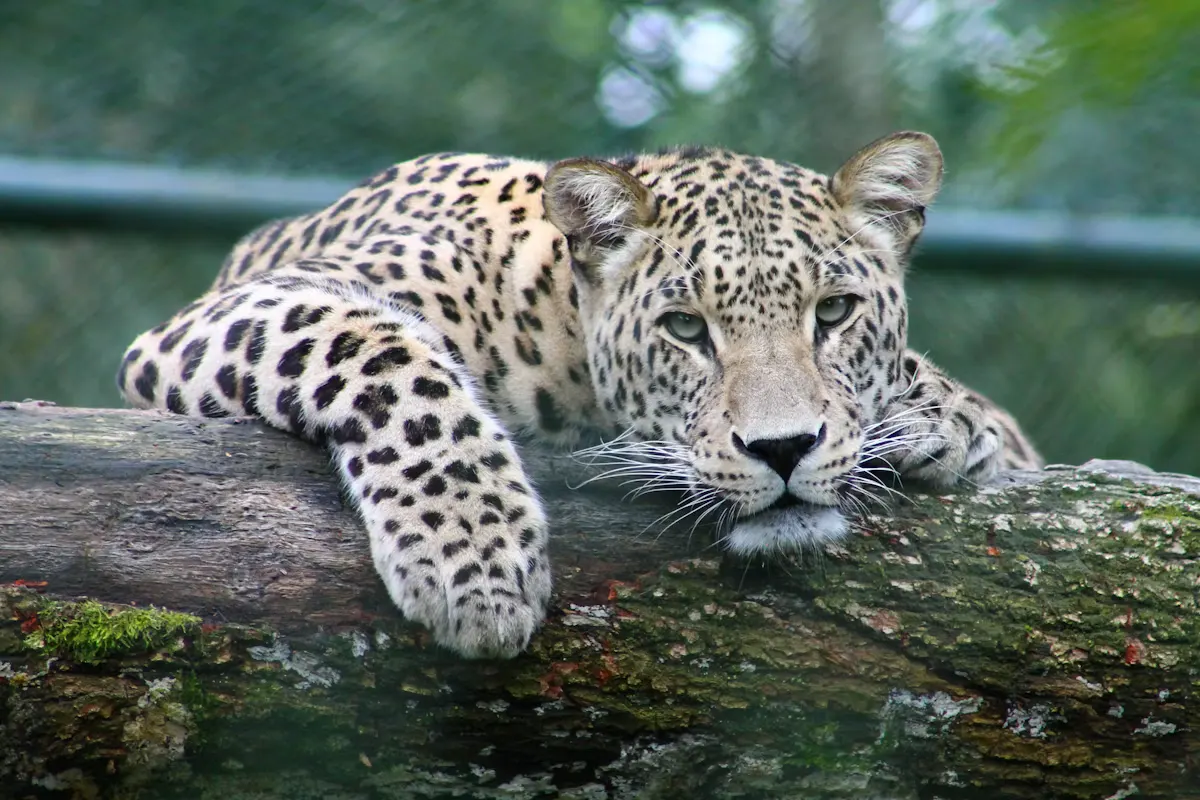
A master of stealth and vertical agility that inhabits Africa and Asia, famous for hoisting heavy kills high into tree canopies.
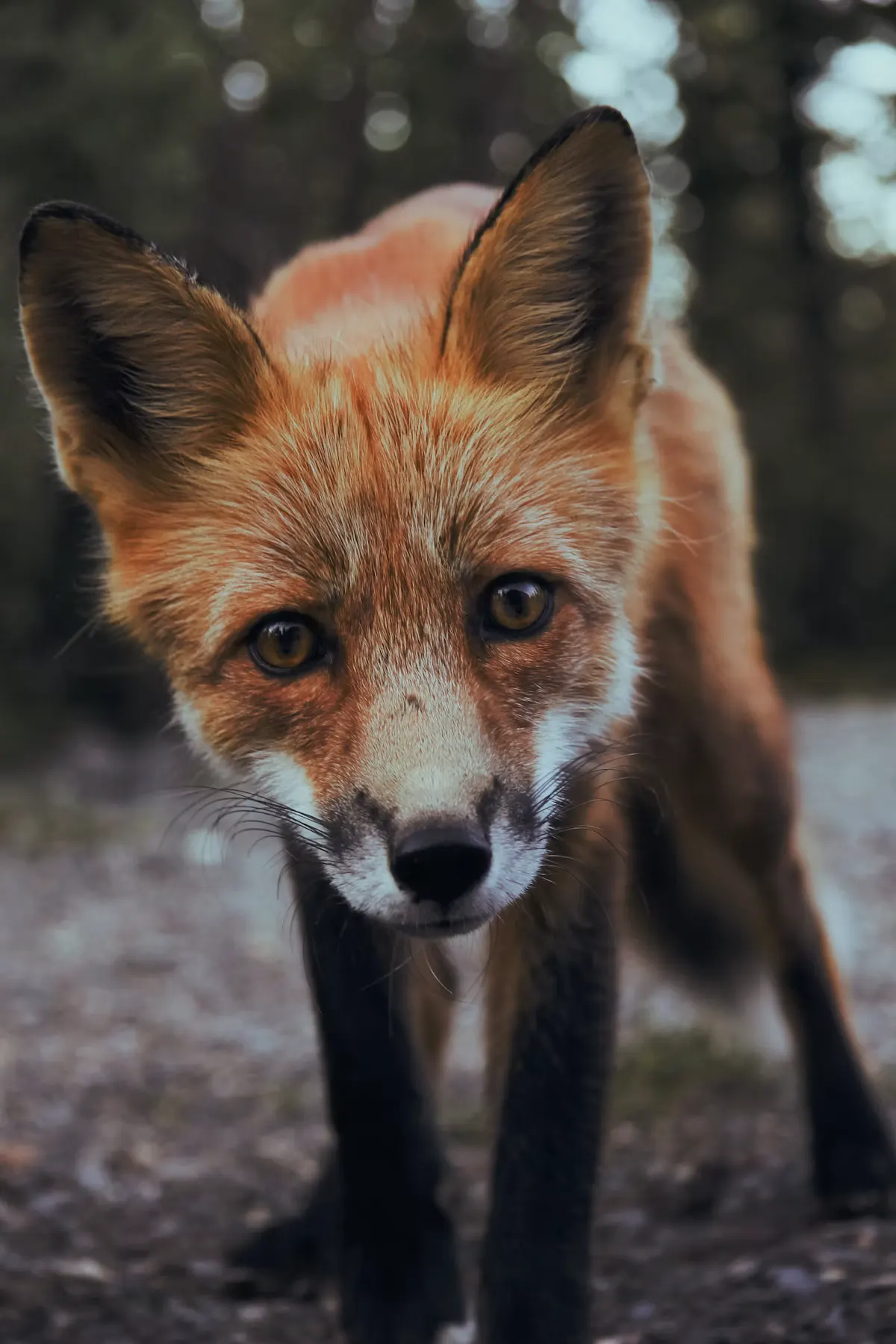
The most widespread wild carnivore in the world, renowned for adaptability, vertical slit pupils, and signature white-tipped brush tail.
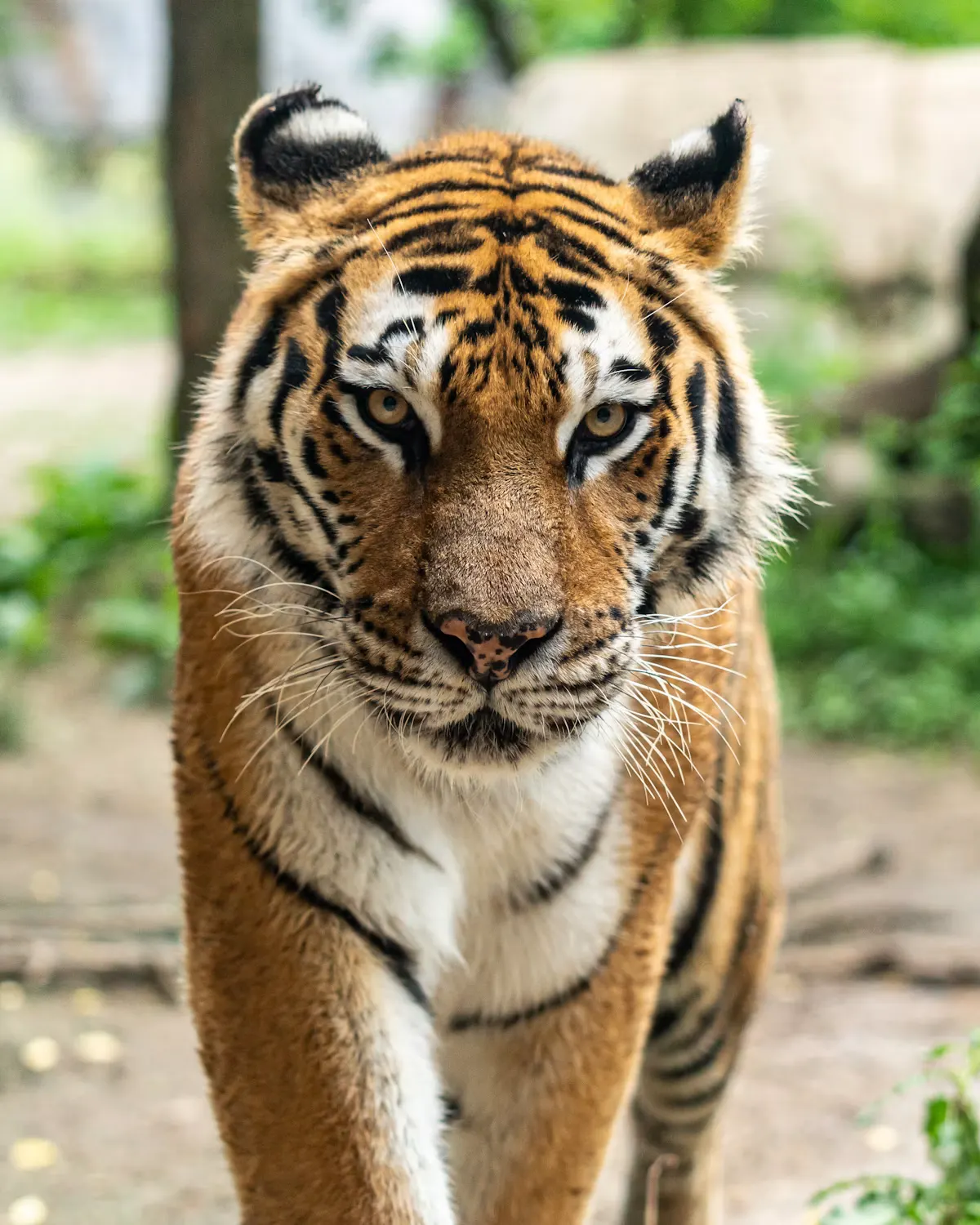
The largest wild cat on Earth, recognizable by its iconic vertical stripes, love of deep water, and unmatched solitary hunting power.