Why Do Falconers Wear Gloves? The Reason Behind the Falconry Glove
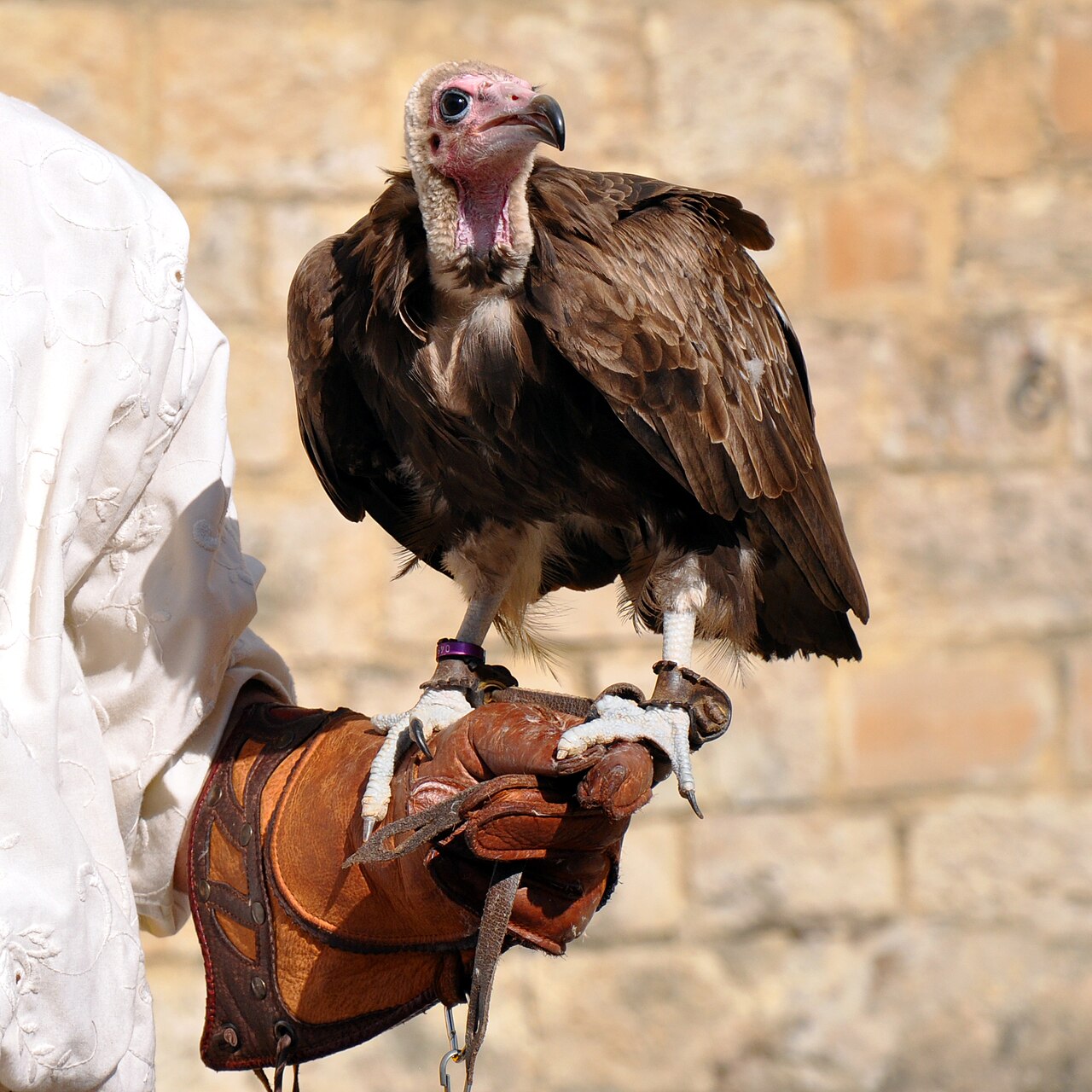
A falconry glove is not a fashion accessory. It is the working perch on a human hand — thick enough to protect skin from talons, stable enough for the bird to grip, and shaped for safe transfers.
Quick answer
Why do falconers wear gloves? Because a raptor’s talons (and sometimes beak) can easily pierce or crush unprotected skin. The glove protects the falconer and gives the bird a firm, familiar surface to stand on during handling, carrying, and transfers.
Gloves work alongside other gear such as falconry hoods. Together they form the classic “bird on the fist” handling system.
What Is a Falconry Glove?
A falconry glove (often called a gauntlet) is a specialized glove designed for carrying birds of prey on the fist. It differs from an ordinary work glove in thickness, coverage of the forearm, and reinforcement where talons repeatedly land.
The glove is both PPE for the human and a portable perch for the bird. Many designs extend up the forearm so a shifting bird does not grab bare skin above the wrist.
Why Do Falconers Wear Gloves?
Several practical reasons make gloves standard equipment:
- Protection from talons — the primary reason
- Protection from the bird’s beak during feeding or defensive moments
- A safe, grippy surface for the bird to perch on
- Safer handling and transferring between fist, perch, and transport setups
Protection and perch in one
Without a glove, routine carrying would risk deep punctures. With a glove, the bird can lock its feet onto leather the way it would grip a branch — while the falconer’s hand stays usable underneath.
How Powerful Are a Falcon's Talons?
Falcons and other raptors have feet adapted for seizing prey. Talons are curved, sharp, and backed by strong tendons. Even medium-sized falcons can draw blood from an ungloved hand; larger falcons, hawks, and eagles can cause serious injury.
That gripping power is why bare hands are inappropriate for routine falconry handling. The glove absorbs puncture force and spreads pressure so both parties can manage the “bird on fist” position safely.
Species vary widely — compare a Peregrine Falcon with much larger eagles such as the Bald Eagle when thinking about scale of equipment.
Do Falconry Gloves Hurt Falcons?
A proper falconry glove should not hurt the bird. Birds stand on leather or similar materials that allow a secure grip without sharp hardware under the feet.
Problems arise if the glove is slippery, too thin (causing the bird to clamp harder and the handler to flinch), poorly maintained, or contaminated with debris. Suitable thickness and a stable fist position help the bird feel secure — which usually means less frantic gripping.
Which Hand Does a Falconer Wear the Glove On?
Many falconers wear the glove on the left hand (non-dominant for right-handed people), keeping the dominant hand free for equipment, food rewards, or managing jesses and leash. Practices can vary with tradition, handedness, and teaching lineage.
The bird is typically positioned on the gloved fist so the falconer can control orientation and keep wings clear of obstacles. Consistency matters: birds learn the fist as a predictable perch.
What Is a Falconry Glove Made Of?
Traditional and modern gloves commonly use leather for durability and grip. Thickness is chosen for the size and strength of the bird. Forearm coverage, stitching reinforcement, and sometimes layered palms appear in heavier designs.
Different patterns exist for falcons versus larger hawks or eagles. What matters is protection, longevity, and a surface the bird’s feet can trust.
Do Falconers Need Gloves for Every Bird?
Equipment scales with the bird and the situation. Tiny falconry species may use lighter gauntlets; large hawks and eagles need heavier protection. Short indoor demonstrations versus field hunting may also change what a falconer chooses to wear.
The principle remains: unprotected hands are a poor match for routine raptor handling. Gloves are standard because talons are standard equipment on the bird.
Related calm-handling tools include hoods — see Why Do Falcons Wear Hoods? and the welfare discussion in Are Falconry Hoods Cruel?.
Frequently asked questions
Why do falconers wear gloves?+
To protect their hands and forearms from talons (and sometimes beaks) and to give the bird a secure surface to perch on while being carried or handled.
Why are falconry gloves so thick?+
Thickness resists puncture and crushing from powerful feet. Larger, stronger birds generally require heavier gloves than small falcons.
Can a falcon's talons hurt a person?+
Yes. Even medium falcons can puncture skin; larger raptors can cause serious injury. That risk is why gloves are core falconry equipment.
Which hand does a falconer wear a glove on?+
Often the left hand for right-handed falconers, keeping the dominant hand free — but handedness and tradition can vary. Consistency for the bird matters.
Related falconry & falcon guides
Identify birds by picture
Spotted a falcon, eagle, or other bird of prey? Use AnimalIDFinder’s bird identifier, then open encyclopedia profiles for habitat and behavior notes.