🟤 Tick Bites
Ixodida (order)
May stay attached; watch for expanding redness or a bull’s-eye-like rash afterward.
Quick identification
- Tick may still be attached
- Often painless at first
- Warm skin folds are common sites
- Watch for expanding redness or bull’s-eye-like rash
- Outdoor brush/tall grass exposure
Appearance of the bite
Typical bite size
Red spot may start small; expanding rashes can become much larger over days
Color
Red; some infections show a pale ring creating a bull’s-eye look
Shape
Spot, swelling, or expanding circular rash
Texture
May be flat or slightly raised; attached tick feels firm
About the insect
Insect size
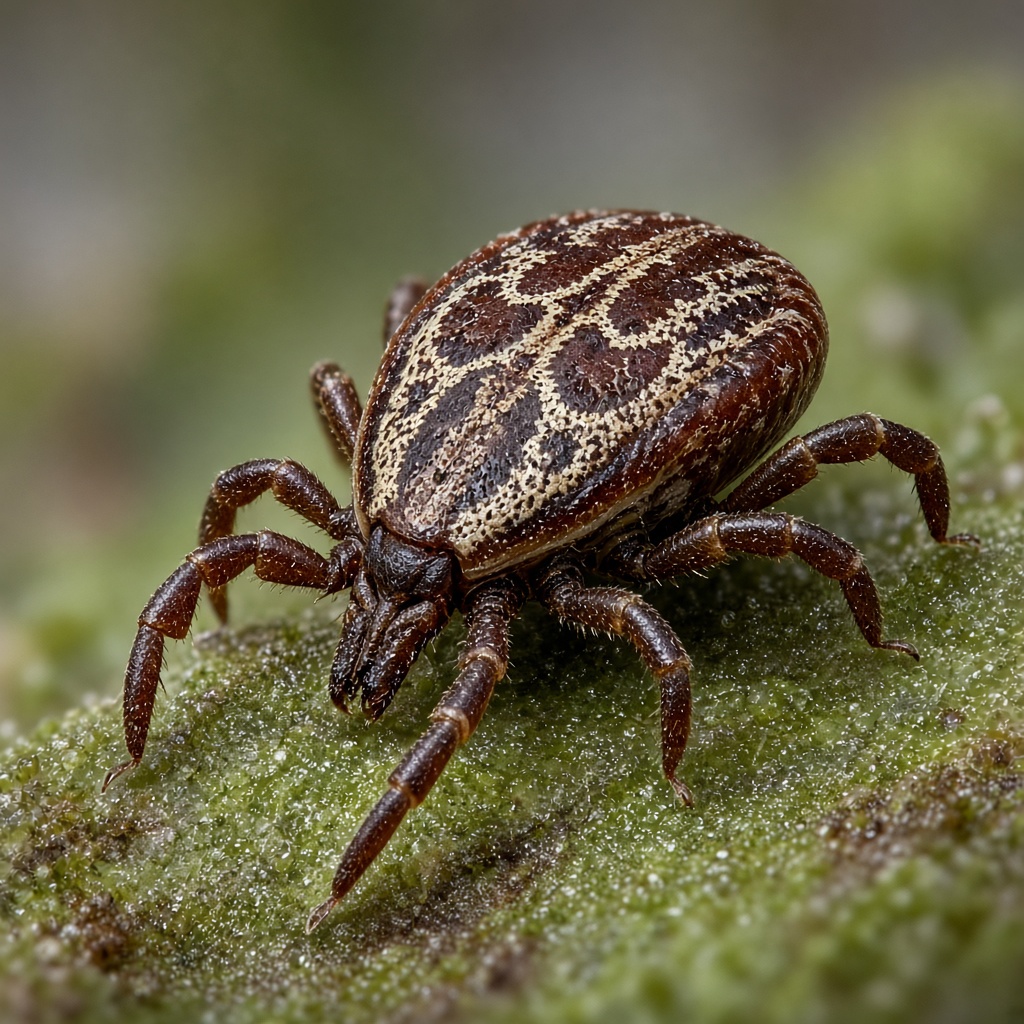
From poppy-seed size (nymphs) to pea size when engorged
Insect color
Brown, reddish-brown, or patterned (species vary)
Habitat / exposure
Tall grass, brush, leaf litter, and woodland edges
- Hiking, camping, or yard work in grassy/brushy areas
- Warm folds: scalp, behind ears, groin, armpits, waistband
- Hours to days of attachment possible
Typical bite pattern
Pattern: Often unnoticed while attached; later a red spot or expanding bull’s-eye-like rash in some cases
Common location: Warm folds—scalp, behind ears, groin, armpits, waistband
Timing: Outdoor seasons in endemic areas; attachment can last hours to days
Typical number: Usually one attachment site; multiple ticks are possible after heavy exposure
How it changes over time
While attached, a tick bite may cause little itching. After removal, mild redness can appear. An expanding rash (including bull’s-eye patterns in some infections) may develop days later—monitor carefully.
Key clues for identification
Finding an attached tick is the strongest clue. Unlike mosquito or flea welts, tick concerns center on attachment time and later rash/fever risk. Expanding circular redness after outdoor exposure should prompt medical advice in endemic regions.
Reaction variability
Some people notice only a tiny red mark; others develop larger rashes. Not every tick-related illness produces a classic bull’s-eye. Appearance alone is not a diagnosis.
Lookalikes
- Spider bite marks
- Other insect welts
- Skin moles or scabs (when engorged tick is missed)
Basic care
Remove attached ticks carefully with fine tweezers, clean the area, and save the tick for identification if advised locally. Note the date and outdoor location.
When to seek medical care
Seek medical care for fever, flu-like illness, expanding rash, or bull’s-eye rash after a tick bite—especially in Lyme-endemic or other tick-disease regions. Seek urgent care for severe allergic symptoms or signs of infection.
Tick FAQ
What do tick bite look like?›
May stay attached; watch for expanding redness or a bull’s-eye-like rash afterward. Typical bite size: Red spot may start small; expanding rashes can become much larger over days. Color: Red; some infections show a pale ring creating a bull’s-eye look.
How can I tell tick bite apart from lookalikes?›
Finding an attached tick is the strongest clue. Unlike mosquito or flea welts, tick concerns center on attachment time and later rash/fever risk. Expanding circular redness after outdoor exposure should prompt medical advice in endemic regions.
How do tick bite change over time?›
While attached, a tick bite may cause little itching. After removal, mild redness can appear. An expanding rash (including bull’s-eye patterns in some infections) may develop days later—monitor carefully.
Do tick bite look the same on everyone?›
Some people notice only a tiny red mark; others develop larger rashes. Not every tick-related illness produces a classic bull’s-eye. Appearance alone is not a diagnosis.
When should I seek medical care for tick bite?›
Seek medical care for fever, flu-like illness, expanding rash, or bull’s-eye rash after a tick bite—especially in Lyme-endemic or other tick-disease regions. Seek urgent care for severe allergic symptoms or signs of infection.
Educational disclaimer
AnimalIDFinder provides educational information about insects and common bite or sting patterns. This page does not diagnose disease, confirm what bit you from a skin photo alone, or replace a clinician. For emergencies, call local emergency services.