Bagaimana Membedakan Hewan Serupa
Unggah foto untuk menjalankan identifikasi visual AI yang ditargetkan antar spesies, uji pengetahuan lapangan Anda dengan kuis interaktif, dan jelajahi perbandingan anatomi berdampingan.
Butterfly vs Moth — Bagaimana Membedakannya
Perbedaan visual utama, aturan identifikasi lapangan, hotspot anatomi, dan analisis AI berpasangan.
The easiest way to tell a butterfly from a moth is antenna shape and resting position: butterflies have slender antennae ending in round club knobs and rest with wings folded straight up over their back, whereas moths have feathery or comb-like antennae and rest with wings spread flat.
| Fitur | 🦋 Butterfly | 🦋 Moth |
|---|---|---|
| Antennae Tip | Thin with round bulbous club knob | Feathery, comb-like, or thread-like |
| Wing Resting | Folded vertically upright over back | Draped flat or tent-like over body |
| Flight Schedule | Active during sunny daylight (diurnal) | Active under dark night skies (nocturnal) |
| Body Texture | Smooth, slender abdomen | Stout, furry body with heat scales |
| Cocoon Type | Smooth hard chrysalis | Silky spun cocoon woven with hair |
Yang mana ini?Butterfly vs Moth
Melihat binatang di foto atau observasi lapangan? Unggah di sini, dan AI akan mengevaluasi ciri-ciri visual tepatnya antara dua kandidat spesies ini!
Pengintai Fitur Bidang Anatomi
Klik bagian atau tanda tubuh tertentu di bawah untuk memeriksa ciri-ciri kontras anatomi secara berdampingan.
Butterfly
Antennae Tip SifatLong and thin with a round bulbous club knob at the tip.
Moth
Antennae Tip SifatFeathery, comb-like, or fuzzy without a tip knob.
Perbandingan Ukuran & Skala dengan Tolok Ukur Manusia
Lihat bagaimana Butterfly dan Moth diukur dibandingkan dengan rata-rata manusia (👤 1,8m / 80kg).
💡 Catatan Lapangan: Moths outnumber butterflies 9 to 1!
💡 Catatan Lapangan: Butterflies thrive in warm sunshine
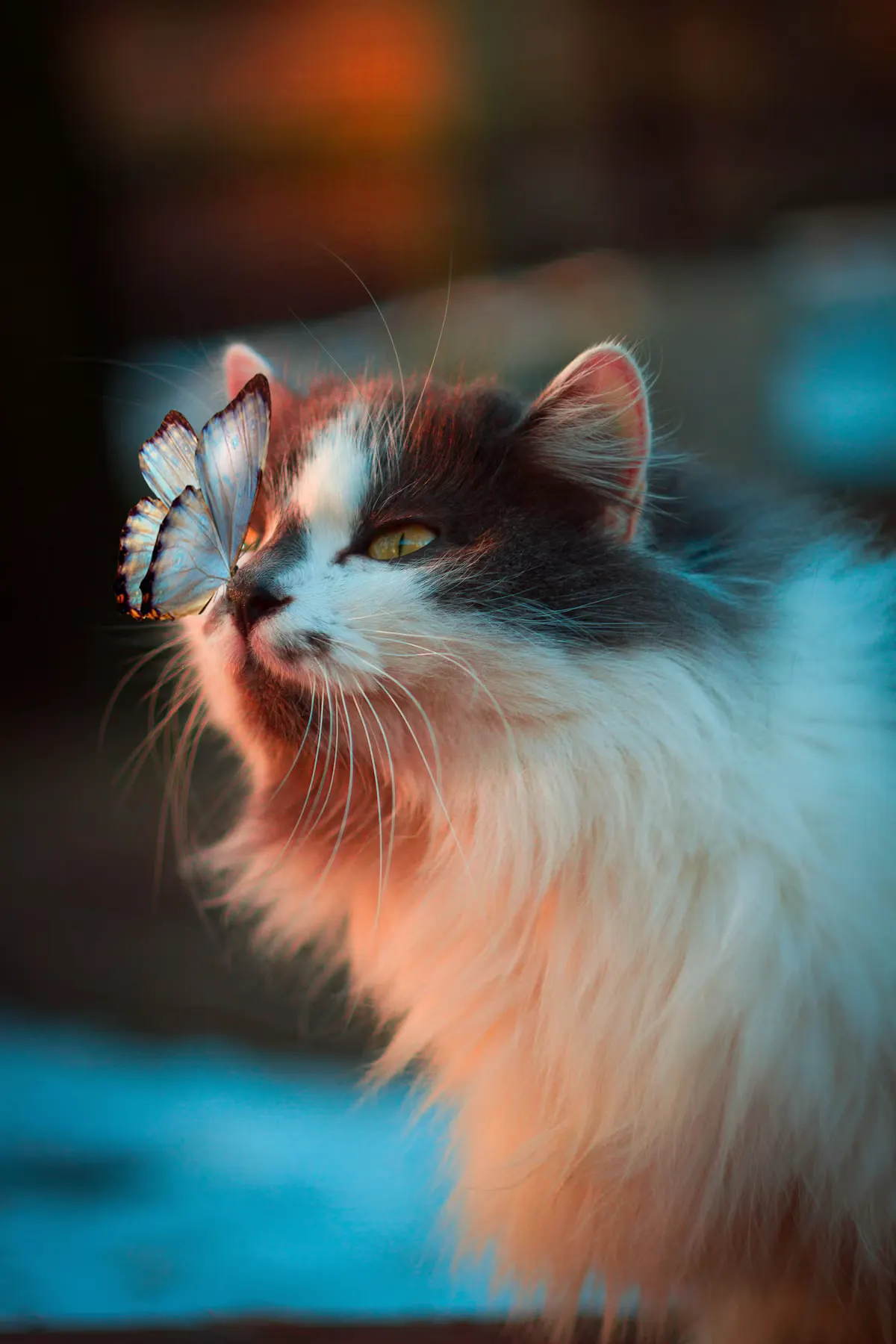
🦋Butterfly
Rhopalocera
- Thin antennae with clubbed ends
- Vibrant bright wing colors
- Rests with wings folded upright

🦋Moth
Heterocera
- Feathery or saw-toothed antennae
- Drab earth-tone wings (brown/grey)
- Stout fuzzy body
Perbandingan Atribut
Matriks Perbandingan Spesies 14 Titik
Detail taksonomi berdampingan, dimensi anatomi, habitat, dan rincian perilaku.
| Dimensi Biologis | 🦋 Butterfly | 🦋 Moth |
|---|---|---|
| Wingspan | 2 – 28 cm | 0.8 – 30 cm |
| Species Count | ~17,500 species worldwide | ~160,000 species worldwide |
| Antennae Shape | Slender with round bulbous club knobs | Feathery, comb-like, or thread-like |
| Wing Resting Position | Folded vertically upright over back | Spread flat or tented over body |
| Body Texture | Smooth, slender, lean abdomen | Stout, furry, covered in heat scales |
| Wing Coloration | Vibrant, bright iridescent hues | Muted browns, greys, earth tones |
| Active Flight Time | Diurnal (sunny daytime hours) | Nocturnal (under dark night skies) |
| Pupal Stage | Smooth exposed chrysalis hanging on twigs | Silky woven cocoon hidden in soil |
| Eye Structure | Apposition compound eyes (high resolution) | Superposition compound eyes (night vision) |
| Wing Coupling | Overlapping wing veins (no frenulum) | Bristled frenulum locks fore/hind wings |
| Habitat | Sunny gardens, meadows, open forests | Forests, fields, porch light fixtures at night |
| Diet | Flower nectar, tree sap, mineral mud | Nectar, rotting fruit, or non-feeding adult |
| Lifespan | 2 weeks – 9 months (Monarch migration) | 1 – 2 weeks (many adults lack mouthparts) |
| Conservation Status | Various (Monarch endangered) | Varies by species |
Mengapa Orang Bingung Butterfly dan Moth?
Kemiripan yang dangkal sering kali mengelabui pengamat. Inilah alasan keduanya mirip dan cara menghindari jebakan.
Ciri-ciri Bersama yang Dangkal
- Insects belonging to the order Lepidoptera with large scale-covered wings
- Complete metamorphosis life cycles (egg → caterpillar → chrysalis/cocoon → adult)
- Feed on flower nectar using coiled proboscis tongue tubes
Perbedaan Bidang Definitif
- Butterflies fly during the day in warm sunshine; Moths are predominantly nocturnal.
- Butterfly antennae end in distinct rounded bulbs/clubs; Moth antennae are feathery or thread-like.
- Butterflies rest with wings folded vertically straight up; Moths rest with wings spread flat or draped over their back.
Apa yang Harus Saya Cari di Alam Liar?
Amati tanda atau perilaku bidang utama dan pilih sifat yang cocok untuk menjalankan penghitungan diagnostik langsung.
Antennae Shape: Butterfly antennae are long and thin with a round knob at the tip; Moth antennae are feathery or comb-like.
Wing Resting Position: Butterflies hold their wings vertically over their back when resting; Moths hold wings flat against their body.
Activity Time: Butterflies are active during sunny days (diurnal); Moths are active at night (nocturnal).
Body Texture: Moths usually have stout, furry bodies; Butterflies have smooth, slender bodies.
Bisakah Anda Membedakannya?
Uji keterampilan observasi Anda pada ciri-ciri anatomi utama dan dapatkan lencana peringkat!
"Which insect rests with its wings folded vertically upright over its back?"
Pengungkap Petunjuk Misteri Hewan🔎
Bisakah Anda mengidentifikasi spesies mana yang berdasarkan petunjuk lapangan langkah demi langkah? Tebak lebih awal untuk mendapatkan poin lebih tinggi!
Flies primarily under the cover of night (nocturnal) and is famously drawn toward porch lights and campfire glows.
Mengungkapkan petunjuk tahap 2 untuk membaca lokasi, tanda bulu, atau rahasia anatomi...
Mengungkapkan petunjuk tahap 3 untuk membaca lokasi, tanda bulu, atau rahasia anatomi...
Mengungkapkan petunjuk tahap 4 untuk membaca lokasi, tanda bulu, atau rahasia anatomi...
Siap Menebak?
Pilih calon hewan mana yang cocok dengan petunjuk lapangan berikut sekarang (100 poin):
Pertanyaan Identifikasi Umum
Why are moths drawn to artificial lights at night?
Moths navigate using a system called transverse orientation—keeping a natural light source like the moon at a constant angle. Artificial lights trick their navigation, causing them to spiral inward toward the light.
Do all moths fly only at night?
Not all! While ~90% of moths are nocturnal, there are diurnal day-flying moths (like the Hummingbird Hawk-Moth and Sunset Moth) that feature bright colors like butterflies.
How do butterfly caterpillars differ from moth caterpillars?
Moth caterpillars often have thick hairy bristles (like woolly bear caterpillars) or spin silk cocoons. Butterfly caterpillars are usually smoother, though some have fleshy spikes.
Perbandingan Fakta Menarik:
Moths outnumber butterflies 9 to 1! There are roughly 160,000 species of moths compared to only 17,500 species of butterflies.
Menemukan binatang dan masih belum yakin spesiesnya?
Unggah foto apa pun agar AI dapat melihat bentuk mawar, bentuk paruh, moncong, atau pola sisiknya secara persis!