🏔️ Long-Haired Himalayan Animals
Cold-adapted mammals of the Himalayas and Tibetan Plateau with dense insulating coats
From the shaggy yak of high pastures to cliff-climbing tahrs, snow leopards, Gaddi sheepdogs, and woolly hares — these species share thick, long, or densely insulating coats built for sub-zero Himalayan weather.
Ecological & Trophic Significance
Long-coated highland mammals support pastoral livelihoods, alpine food webs, and predator–prey balance across the roof of the world. Protecting them protects thin-air ecosystems where cold, wind, and altitude shape every adaptation.
Key Evolutionary Adaptations
Dense underwool, hanging guard hairs, furred tails, and rubber-like hoof pads are classic highland solutions to freezing katabatic winds, icy cliffs, and sparse seasonal forage.
🏔️ Member Species in this Cluster
5 Species Cataloged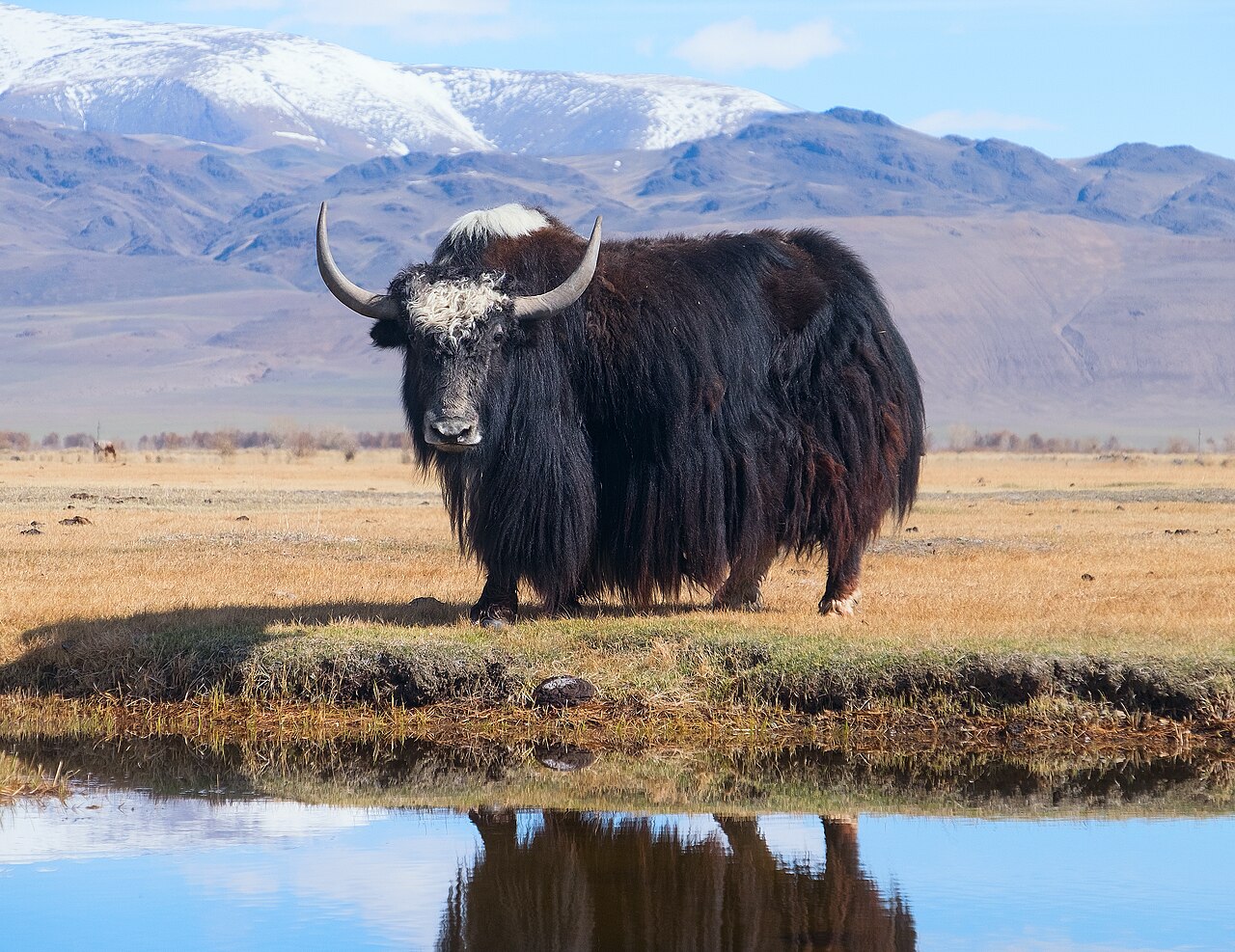
The most famous long-haired animal of the high Himalayas and Tibetan Plateau — a sturdy ox with a massive shaggy double coat that hangs low against sub-zero alpine cold. Domestic yaks (Bos grunniens) support highland communities; wild yaks (Bos mutus) remain rarer high-plateau grazers.
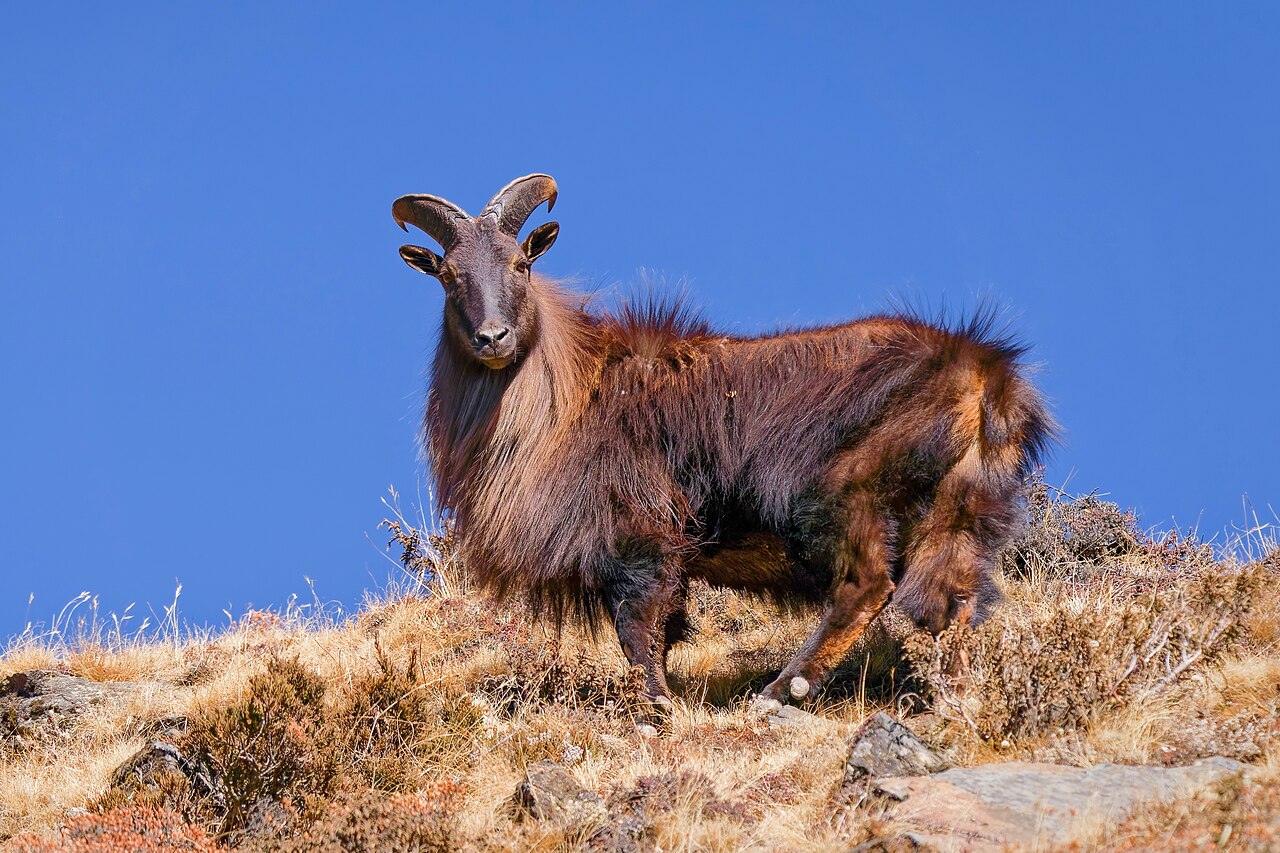
A wild mountain-goat relative of the Himalayas with a thick reddish-brown to dark woolly coat that grows long and shaggy in winter — built for icy cliffs and alpine meadows.

The legendary "Ghost of the Mountains" inhabiting high rugged peaks of Central Asia, equipped with smoky rosette camouflage and wide fur-cushioned paws.
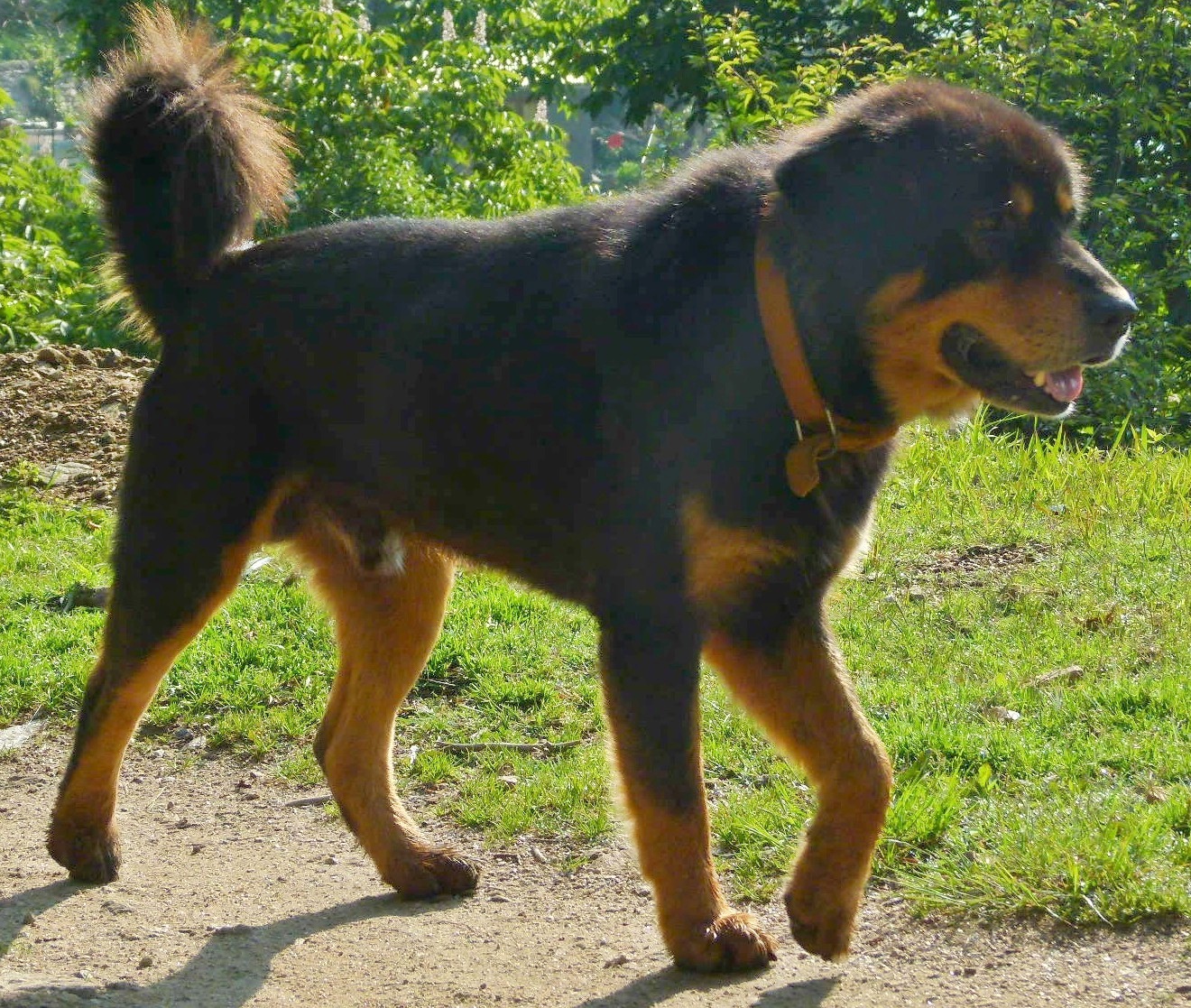
A powerful Himalayan livestock-guardian dog (often called the Gaddi) with a thick, harsh double coat that sheds wind, snow, and cold while protecting flocks from wolves, leopards, and other predators.
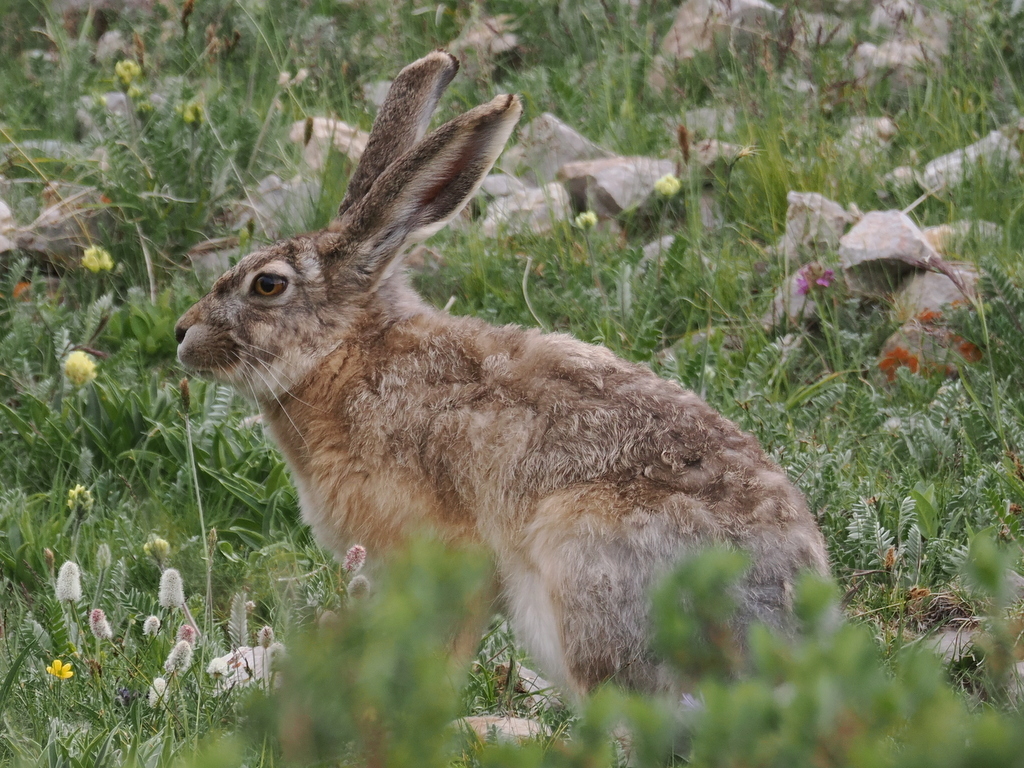
A small high-altitude hare of Himalayan cold deserts and plateaus, wrapped in thick woolly fur that withstands freezing winds and deep snow in places like Spiti Valley.