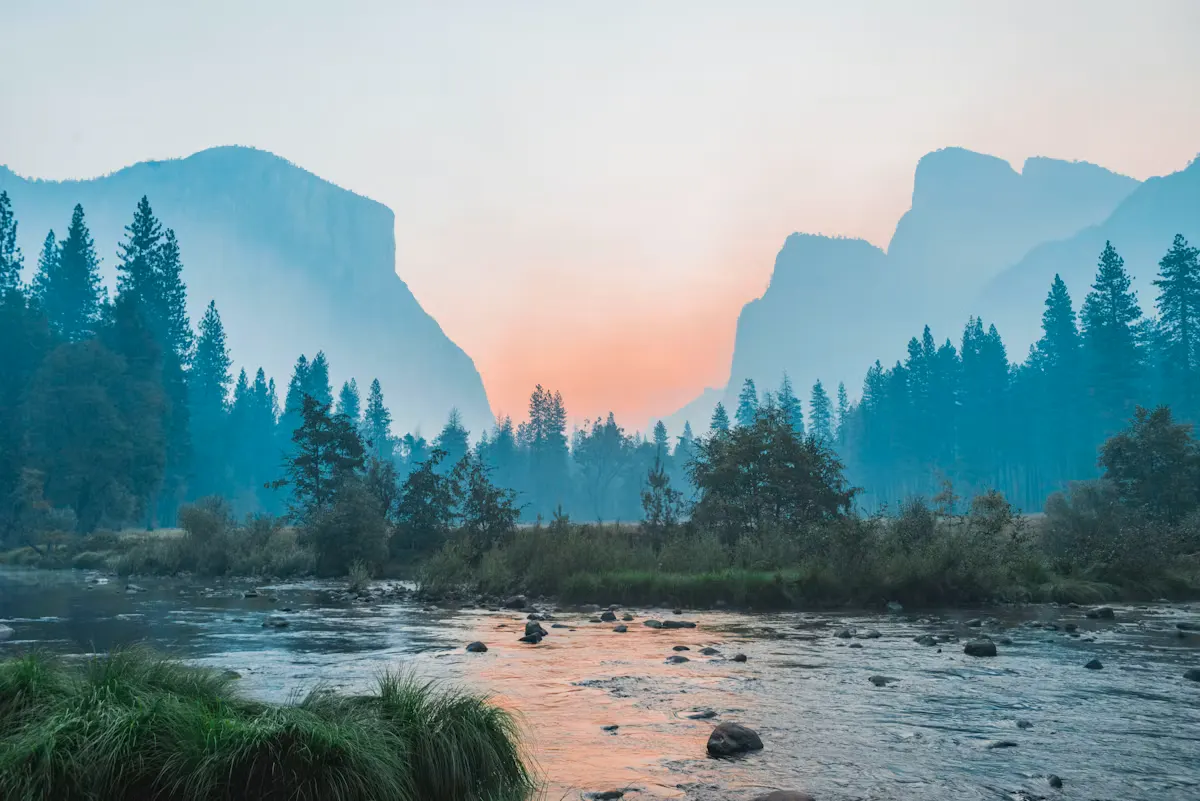
Himalayan Mountains & Alpine
The roof of the world, spanning high-altitude alpine meadows, cold scree steppes, and rhododendron valleys.
-30°C to 15°C (-22°F - 59°F)
Snowfall dominant above 4,000m; southern monsoon below
Extreme severe winters with brief subalpine summer blooming
Nepal, India, Bhutan, China (Tibet), Pakistan
Ecosystem Structure & Biodiversity
Rising from subtropical foothills to peaks above 8,000 meters, the Himalayas create dramatic elevation-based ecological zones. Animals here exhibit extreme physiological adaptations to thin oxygen, freezing katabatic winds, and vertical cliff terrain.
- ✓Mount Everest (8,848 m) and all 14 of the world's peaks over 8,000 meters are located in the Himalayan-Karakoram belt.
- ✓The Himalayas are geologically young and continue to rise approximately 5 mm every year due to tectonic collision.
- ✓The region feeds major river systems (Indus, Ganges, Brahmaputra, Yangtze) that supply fresh water to over 1.4 billion people.
Rulers of the Food Chain
Glacial retreat and permafrost thawing due to global heating, retaliatory poaching by livestock herders, and linear infrastructure dividing fragile valleys.
Wildlife Inhabiting Himalayan Mountains & Alpine
Browse profiled species, adaptations, canopy layers, and conservation status
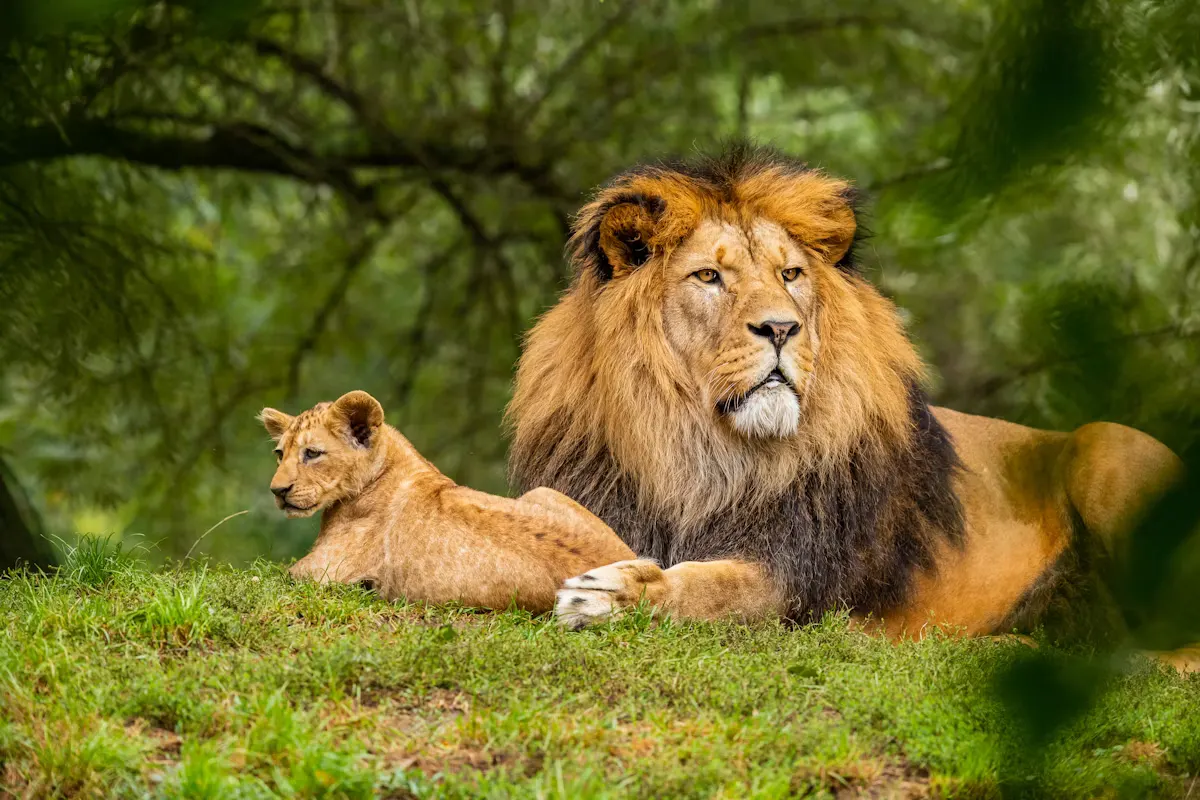
Snow Leopard
Panthera uncia
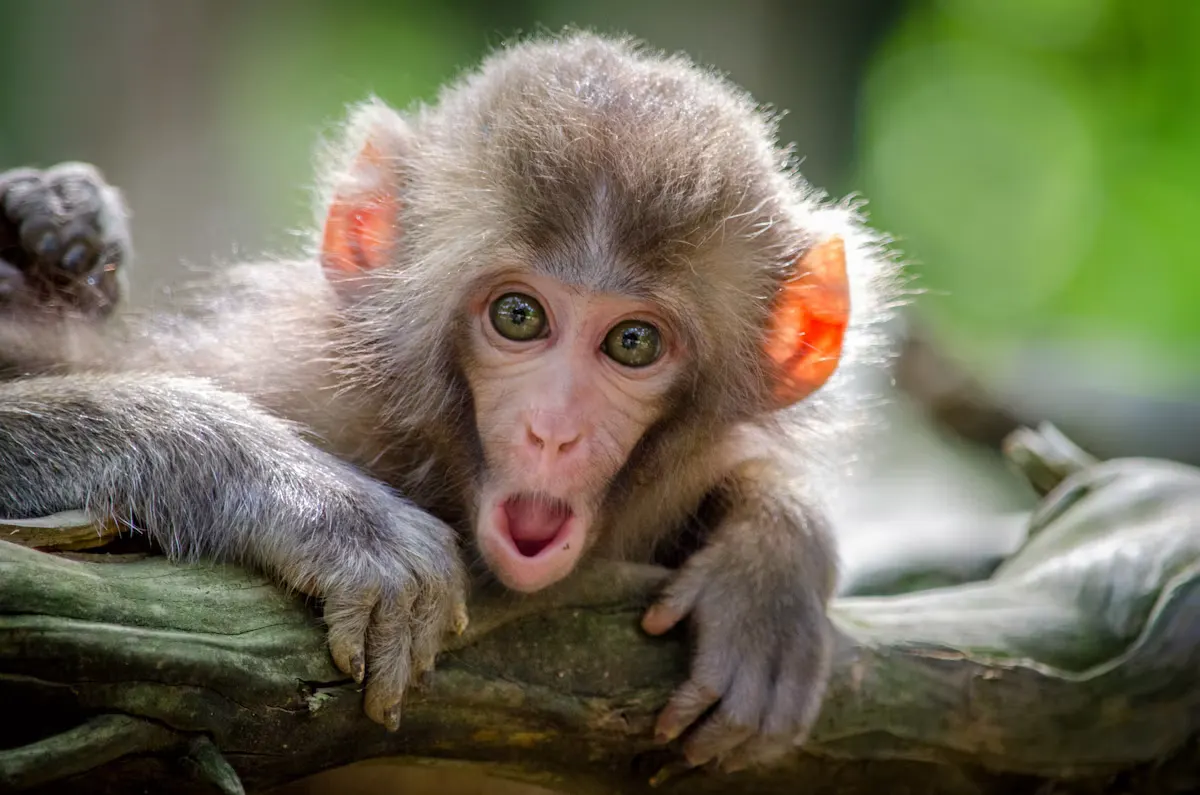
Red Panda
Ailurus fulgens
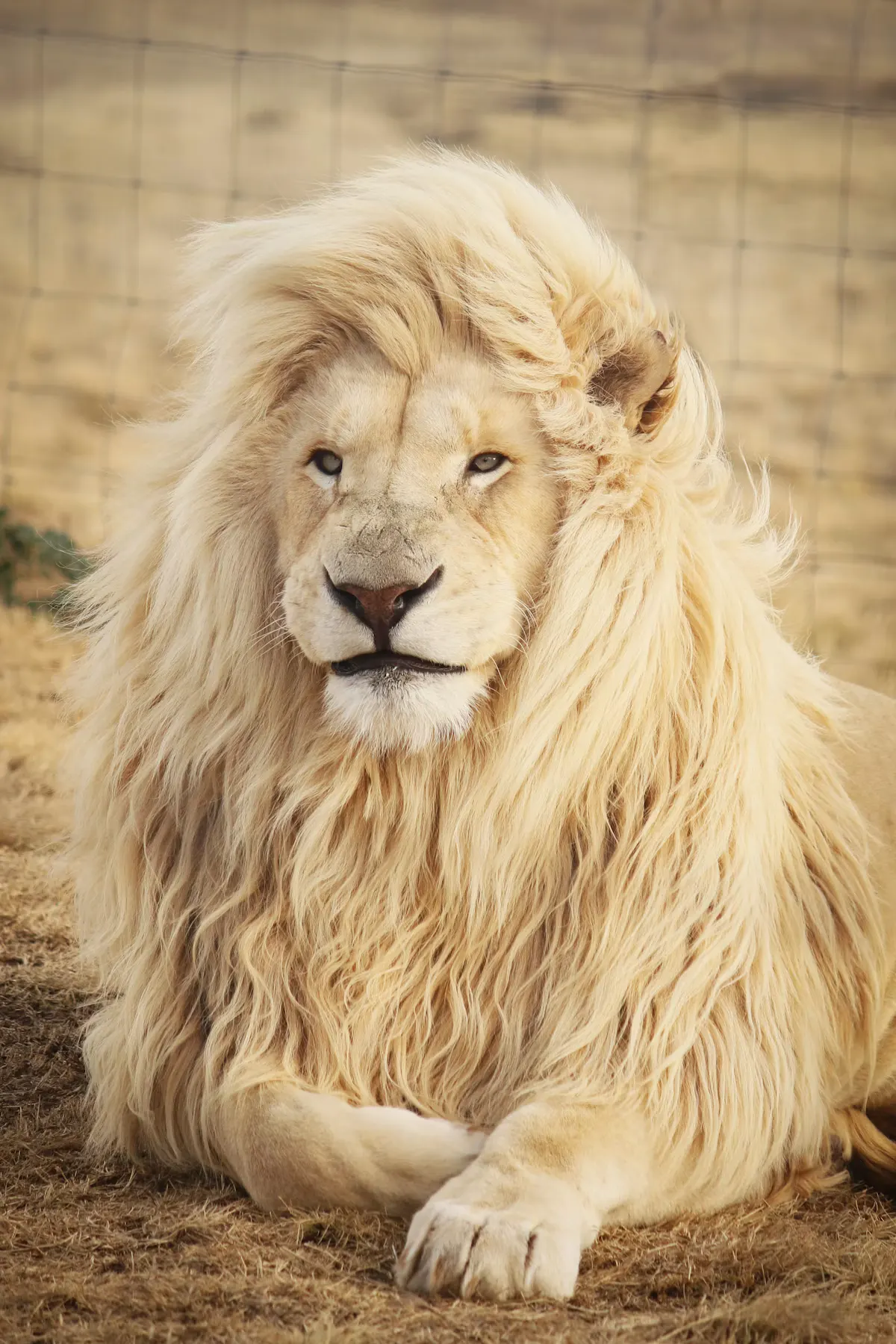
Bharal (Himalayan Blue Sheep)
Pseudois nayaur
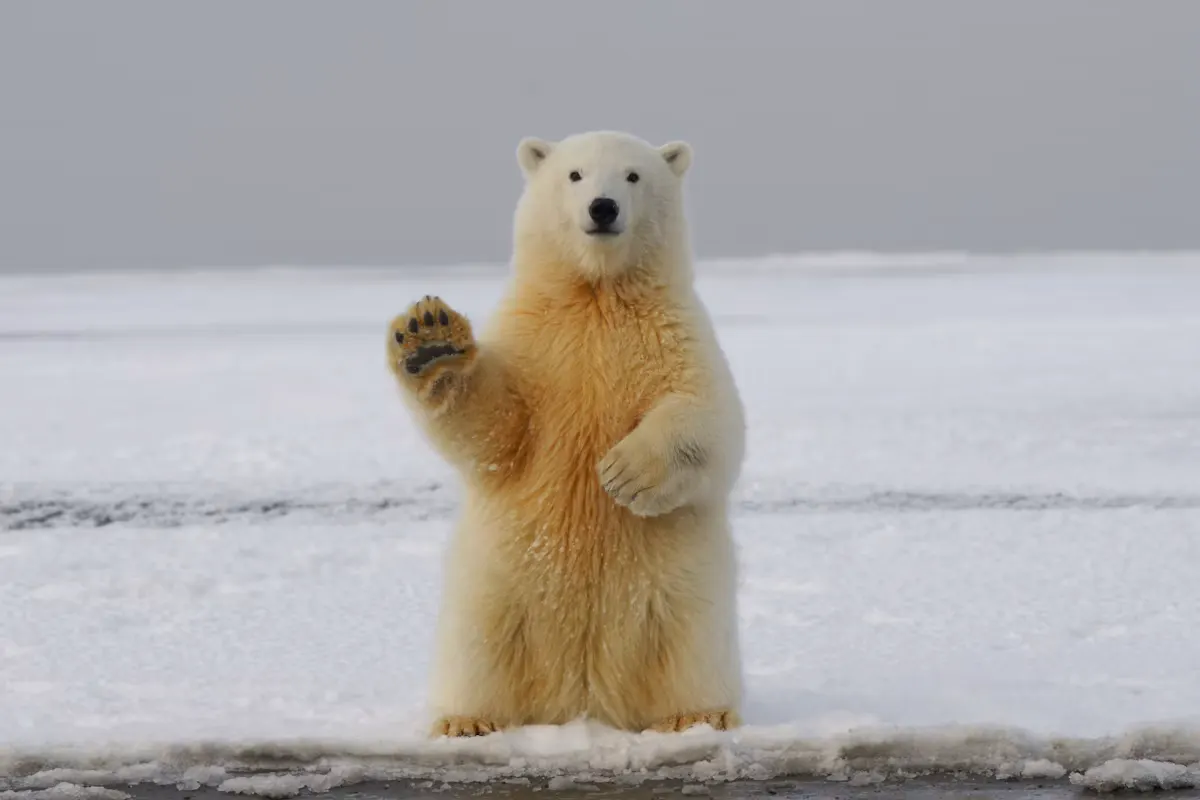
Himalayan Brown Bear
Ursus arctos isabellinus
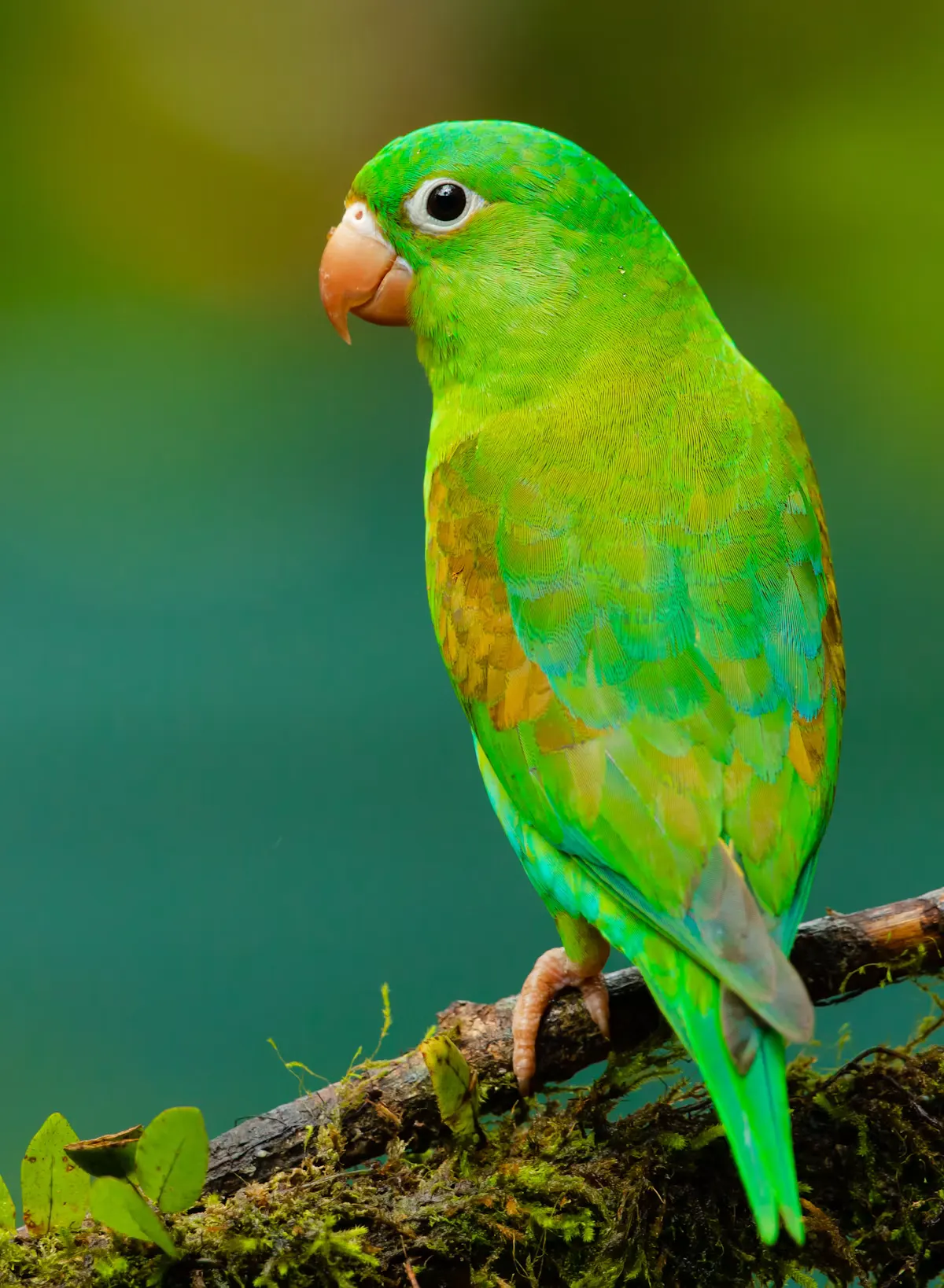
Himalayan Monal (Danphe)
Lophophorus impejanus

Bearded Vulture (Lammergeier)
Gypaetus barbatus

Himalayan Pit Viper
Gloydius himalayanus
Himalayan Salamander
Tylototriton verrucosus

Snow Trout (Asela)
Schizothorax richardsonii
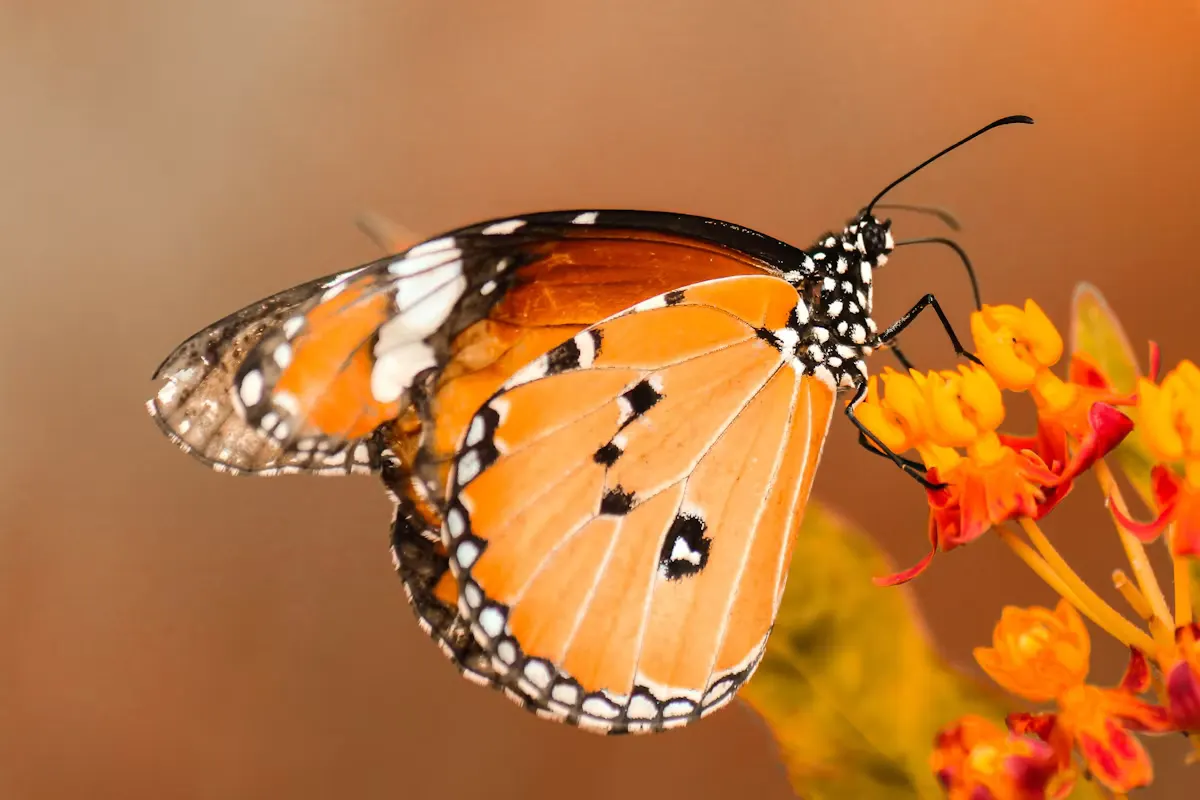
Himalayan Giant Honeybee
Apis laboriosa
Related Animal Comparisons
Compare similar looking predators or ecological counterparts living in or around Himalayan Mountains & Alpine: