🐞 Ladybug / ladybird Identification
Coccinellidae (family)
Mostly an ID topic—bites are uncommon; useful when people find beetles indoors.
Quick identification
- Bite uncommon
- More of an insect ID topic
- May pinch mildly if handled
- Often found on plants or overwintering indoors
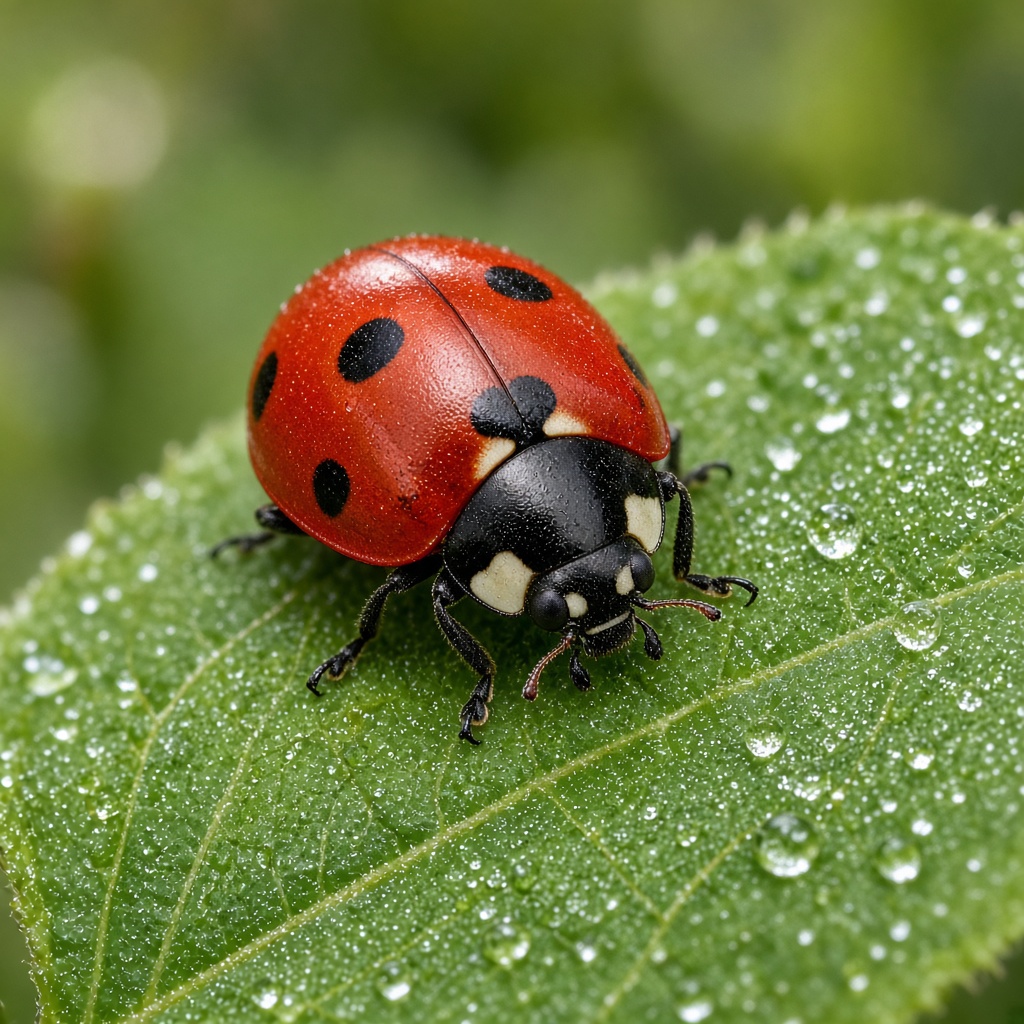
- Photo of the beetle is more useful than a rash photo
Appearance of the bite
Typical bite size
If a mark occurs, usually tiny; not a classic large welt pattern
Color
Mild redness if any
Shape
Small mark rather than clustered overnight bites
Texture
May feel like a mild pinch
About the insect
Insect size
About 1–10 mm depending on species
Insect color
Often red/orange with black spots; some yellow or black
Habitat / exposure
Gardens, crops, and sometimes overwintering indoors in large numbers
- Handling beetles
- Autumn indoor aggregations
- Garden contact
Typical bite pattern
Pattern: Rare mild pinch or tiny red mark—not a typical itchy bite cluster
Common location: Hands or skin where beetles are handled
Timing: Incidental when handling insects
Typical number: Usually none; incidental single contact if any
How it changes over time
Any mild irritation usually fades quickly. Persistent itchy clusters suggest another cause (mosquito, flea, bed bug, etc.).
Key clues for identification
If you have itchy clustered bites, ladybugs are an unlikely explanation. Use this page mainly to identify the beetle itself with a clear photo.
Reaction variability
Most people have no bite reaction. Do not assume unexplained welts are from ladybugs.
Lookalikes
- Other small beetles
- Asian lady beetle (similar look)
Basic care
Usually harmless. Wash skin if irritated. Use the bug identifier tool on a photo of the beetle.
When to seek medical care
Seek care for severe allergic symptoms or any concerning rash that worsens—especially if the insect was not clearly a ladybug.
Ladybug / ladybird FAQ
What do ladybug / ladybird look like?›
Mostly an ID topic—bites are uncommon; useful when people find beetles indoors. Typical bite size: If a mark occurs, usually tiny; not a classic large welt pattern. Color: Mild redness if any.
How can I tell ladybug / ladybird apart from lookalikes?›
If you have itchy clustered bites, ladybugs are an unlikely explanation. Use this page mainly to identify the beetle itself with a clear photo.
How do ladybug / ladybird change over time?›
Any mild irritation usually fades quickly. Persistent itchy clusters suggest another cause (mosquito, flea, bed bug, etc.).
Do ladybug / ladybird look the same on everyone?›
Most people have no bite reaction. Do not assume unexplained welts are from ladybugs.
When should I seek medical care for ladybug / ladybird?›
Seek care for severe allergic symptoms or any concerning rash that worsens—especially if the insect was not clearly a ladybug.
Educational disclaimer
AnimalIDFinder provides educational information about insects and common bite or sting patterns. This page does not diagnose disease, confirm what bit you from a skin photo alone, or replace a clinician. For emergencies, call local emergency services.