Come distinguere gli animali simili
Carica una foto per eseguire AI identificazione visiva mirata tra le specie, testare le tue conoscenze sul campo con quiz interattivi ed esplorare confronti anatomici fianco a fianco.
Butterfly vs Moth — Come distinguerli
Principali differenze visive, regole di identificazione del campo, hotspot anatomici e analisi AI a coppie.
The easiest way to tell a butterfly from a moth is antenna shape and resting position: butterflies have slender antennae ending in round club knobs and rest with wings folded straight up over their back, whereas moths have feathery or comb-like antennae and rest with wings spread flat.
| Caratteristica | 🦋 Butterfly | 🦋 Moth |
|---|---|---|
| Antennae Tip | Thin with round bulbous club knob | Feathery, comb-like, or thread-like |
| Wing Resting | Folded vertically upright over back | Draped flat or tent-like over body |
| Flight Schedule | Active during sunny daylight (diurnal) | Active under dark night skies (nocturnal) |
| Body Texture | Smooth, slender abdomen | Stout, furry body with heat scales |
| Cocoon Type | Smooth hard chrysalis | Silky spun cocoon woven with hair |
Qual è questo?Butterfly vs Moth
Hai notato un animale in una foto o in un'osservazione sul campo? Caricalo qui e AI valuterà i suoi esatti tratti visivi specificamente tra queste due specie candidate!
Rilevatore di funzionalità del campo anatomico
Fai clic su parti del corpo specifiche o sui segni riportati di seguito per esaminare i tratti anatomici di contrasto affiancati.
Butterfly
Antennae Tip TrattoLong and thin with a round bulbous club knob at the tip.
Moth
Antennae Tip TrattoFeathery, comb-like, or fuzzy without a tip knob.
Confronto di dimensioni e scala con il benchmark umano
Scopri come Butterfly e Moth si confrontano con un essere umano medio (👤 1,8 m / 80 kg).
💡 Nota sul campo: Moths outnumber butterflies 9 to 1!
💡 Nota sul campo: Butterflies thrive in warm sunshine
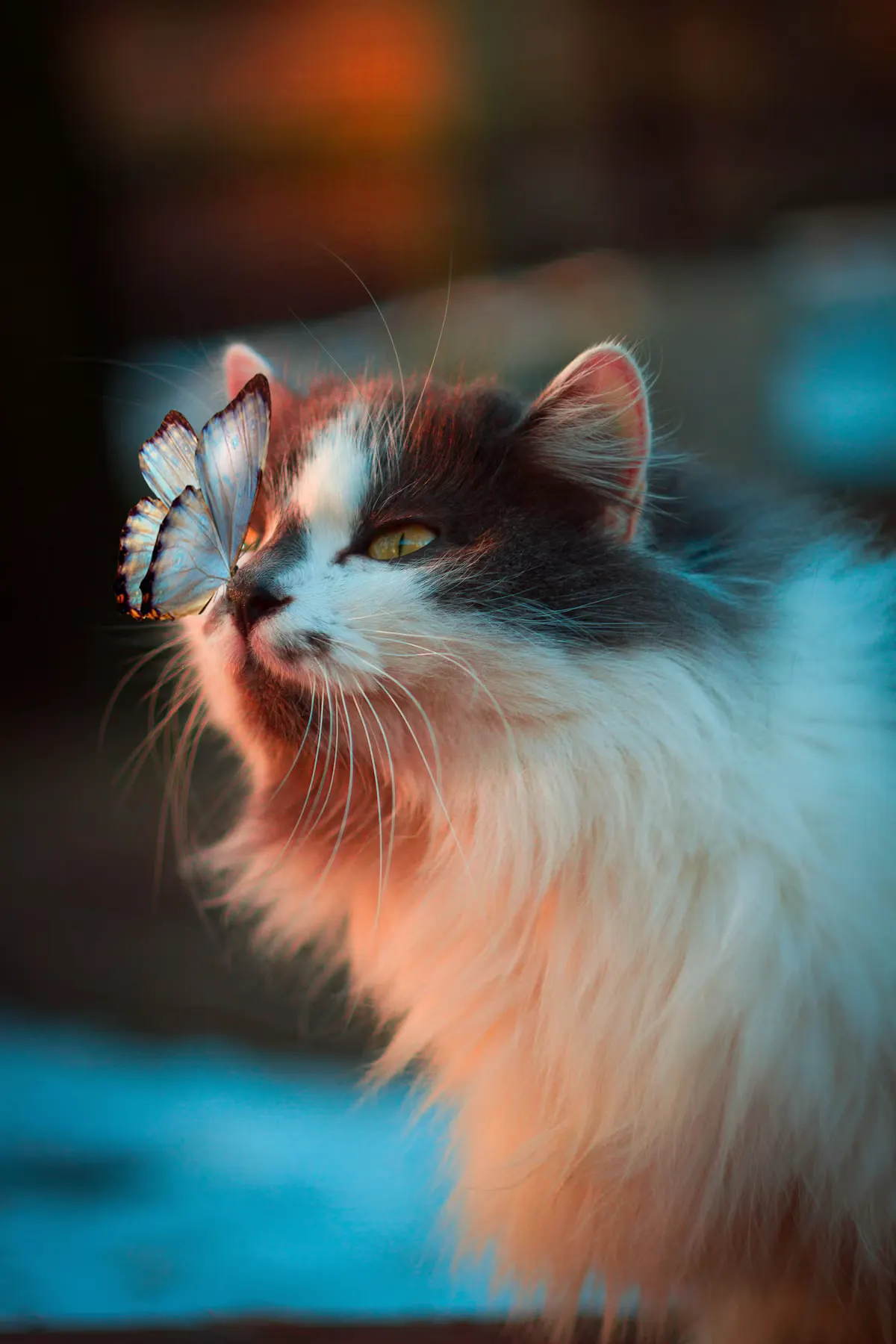
🦋Butterfly
Rhopalocera
- Thin antennae with clubbed ends
- Vibrant bright wing colors
- Rests with wings folded upright

🦋Moth
Heterocera
- Feathery or saw-toothed antennae
- Drab earth-tone wings (brown/grey)
- Stout fuzzy body
Confronto attributi
Matrice di confronto delle specie a 14 punti
Tassonomia dettagliata affiancata, dimensioni anatomiche, habitat e analisi comportamentale.
| Dimensione Biologica | 🦋 Butterfly | 🦋 Moth |
|---|---|---|
| Wingspan | 2 – 28 cm | 0.8 – 30 cm |
| Species Count | ~17,500 species worldwide | ~160,000 species worldwide |
| Antennae Shape | Slender with round bulbous club knobs | Feathery, comb-like, or thread-like |
| Wing Resting Position | Folded vertically upright over back | Spread flat or tented over body |
| Body Texture | Smooth, slender, lean abdomen | Stout, furry, covered in heat scales |
| Wing Coloration | Vibrant, bright iridescent hues | Muted browns, greys, earth tones |
| Active Flight Time | Diurnal (sunny daytime hours) | Nocturnal (under dark night skies) |
| Pupal Stage | Smooth exposed chrysalis hanging on twigs | Silky woven cocoon hidden in soil |
| Eye Structure | Apposition compound eyes (high resolution) | Superposition compound eyes (night vision) |
| Wing Coupling | Overlapping wing veins (no frenulum) | Bristled frenulum locks fore/hind wings |
| Habitat | Sunny gardens, meadows, open forests | Forests, fields, porch light fixtures at night |
| Diet | Flower nectar, tree sap, mineral mud | Nectar, rotting fruit, or non-feeding adult |
| Lifespan | 2 weeks – 9 months (Monarch migration) | 1 – 2 weeks (many adults lack mouthparts) |
| Conservation Status | Various (Monarch endangered) | Varies by species |
Perché le persone confondono Butterfly e Moth?
Le somiglianze superficiali spesso ingannano gli osservatori. Ecco perché si assomigliano e come evitare la trappola.
Tratti superficiali condivisi
- Insects belonging to the order Lepidoptera with large scale-covered wings
- Complete metamorphosis life cycles (egg → caterpillar → chrysalis/cocoon → adult)
- Feed on flower nectar using coiled proboscis tongue tubes
Distinzioni definitive di campo
- Butterflies fly during the day in warm sunshine; Moths are predominantly nocturnal.
- Butterfly antennae end in distinct rounded bulbs/clubs; Moth antennae are feathery or thread-like.
- Butterflies rest with wings folded vertically straight up; Moths rest with wings spread flat or draped over their back.
Cosa dovrei cercare in natura?
Osserva i contrassegni o i comportamenti chiave dei campi e seleziona i tratti corrispondenti per eseguire un calcolo diagnostico in tempo reale.
Antennae Shape: Butterfly antennae are long and thin with a round knob at the tip; Moth antennae are feathery or comb-like.
Wing Resting Position: Butterflies hold their wings vertically over their back when resting; Moths hold wings flat against their body.
Activity Time: Butterflies are active during sunny days (diurnal); Moths are active at night (nocturnal).
Body Texture: Moths usually have stout, furry bodies; Butterflies have smooth, slender bodies.
Riesci a distinguerli?
Metti alla prova le tue capacità di osservazione sui tratti anatomici chiave e guadagna badge di grado!
"Which insect rests with its wings folded vertically upright over its back?"
Rivelatore di indizi sugli animali misteriosi🔎
Riesci a identificare di quale specie si tratta sulla base di indizi sul campo passo dopo passo? Indovina prima per ottenere punti più alti!
Flies primarily under the cover of night (nocturnal) and is famously drawn toward porch lights and campfire glows.
Rivela la fase 2 indizio per leggere la posizione, i segni del mantello o i segreti anatomici...
Rivela la fase 3 indizio per leggere la posizione, i segni del mantello o i segreti anatomici...
Rivela la fase 4 indizio per leggere la posizione, i segni del mantello o i segreti anatomici...
Pronti a indovinare?
Seleziona subito quale animale candidato corrisponde a questi indizi sul campo (100 punti):
Domande comuni di identificazione
Why are moths drawn to artificial lights at night?
Moths navigate using a system called transverse orientation—keeping a natural light source like the moon at a constant angle. Artificial lights trick their navigation, causing them to spiral inward toward the light.
Do all moths fly only at night?
Not all! While ~90% of moths are nocturnal, there are diurnal day-flying moths (like the Hummingbird Hawk-Moth and Sunset Moth) that feature bright colors like butterflies.
How do butterfly caterpillars differ from moth caterpillars?
Moth caterpillars often have thick hairy bristles (like woolly bear caterpillars) or spin silk cocoons. Butterfly caterpillars are usually smoother, though some have fleshy spikes.
Curiosità sul confronto:
Moths outnumber butterflies 9 to 1! There are roughly 160,000 species of moths compared to only 17,500 species of butterflies.
Hai trovato un animale e non sei ancora sicuro di quale specie sia?
Carica qualsiasi foto per consentire a AI di esaminarne le esatte rosette, la forma del becco, il muso o i motivi delle squame!