Come distinguere gli animali simili
Carica una foto per eseguire AI identificazione visiva mirata tra le specie, testare le tue conoscenze sul campo con quiz interattivi ed esplorare confronti anatomici fianco a fianco.
Yak vs Himalayan Tahr — Come distinguerli
Principali differenze visive, regole di identificazione del campo, hotspot anatomici e analisi AI a coppie.
Huge shaggy ox of open highland pasture = yak. Smaller shaggy cliff climber = Himalayan tahr.
| Caratteristica | 🐂 Yak | 🐐 Himalayan Tahr |
|---|---|---|
| Size | Very large bovine | Medium goat-antelope |
| Coat | Long hanging double coat | Woolly; longer/shaggier in winter |
| Habitat | Open alpine pasture/plateau | Steep cliffs and meadows |
| Human use | Pack, milk, meat, wool | Wild (not livestock) |
| Feet | Bovine hooves | Rubber-like gripping pads |
Qual è questo?Yak vs Himalayan Tahr
Hai notato un animale in una foto o in un'osservazione sul campo? Caricalo qui e AI valuterà i suoi esatti tratti visivi specificamente tra queste due specie candidate!
Confronto di dimensioni e scala con il benchmark umano
Scopri come Yak e Himalayan Tahr si confrontano con un essere umano medio (👤 1,8 m / 80 kg).
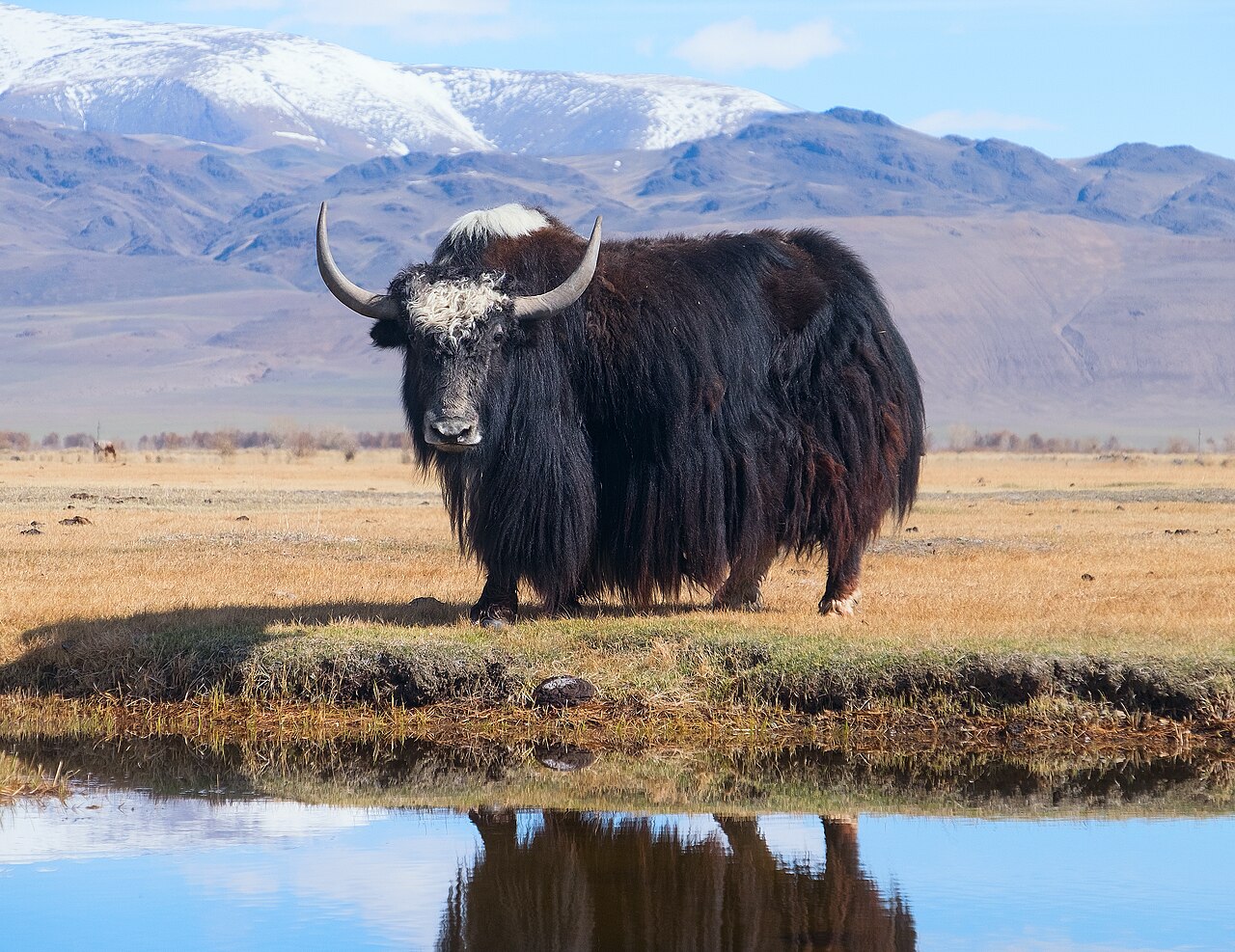
🐂Yak
Bos grunniens
- Massive shaggy double coat
- Dense underwool
- Pack/dairy livestock icon
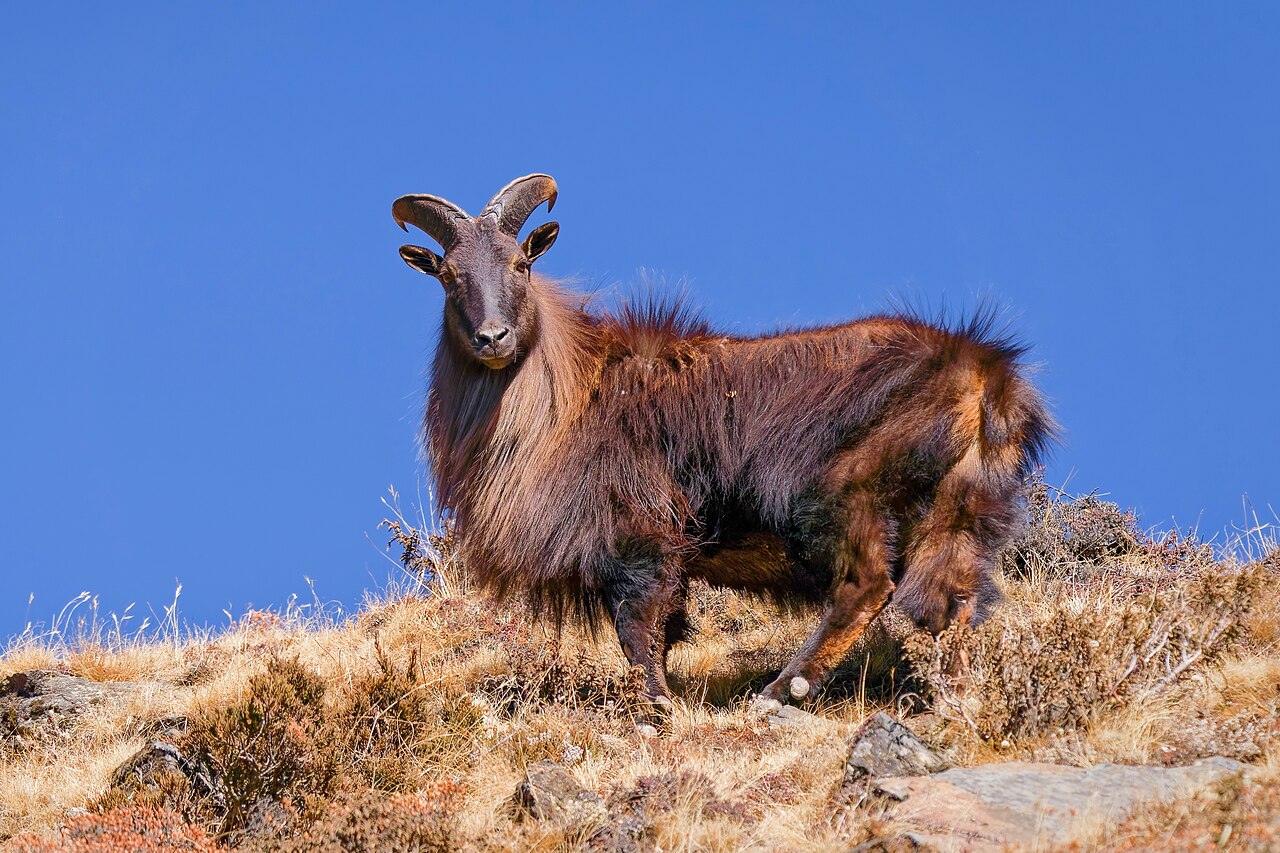
🐐Himalayan Tahr
Hemitragus jemlahicus
- Long shaggy winter coat
- Rubber-like hoof grip
- Wild goat-antelope
Matrice di confronto delle specie a 14 punti
Tassonomia dettagliata affiancata, dimensioni anatomiche, habitat e analisi comportamentale.
| Dimensione Biologica | 🐂 Yak | 🐐 Himalayan Tahr |
|---|---|---|
| Size (Length) | Large ox frame | ~90–140 cm body |
| Weight | Hundreds of kg | ~50–100 kg |
| Body Shape | Stocky bovine | Goat-antelope |
| Coat/Skin | Long hanging skirt hair | Woolly winter shag |
| Markings | Dark shaggy coat | Red-brown to dark |
| Head Shape | Broad ox head + horns | Shorter horns |
| Teeth/Jaw | Grazing bovine | Caprine browser/grazer |
| Tail | Long-haired bovine tail | Short ungulate tail |
| Habitat | Plateau pastures | Cliffs & meadows |
| Geographic Range | Tibetan Plateau/Himalaya | Himalayan ranges |
| Diet | Grasses/sedges | Grasses/herbs/shrubs |
| Behavior | Herd livestock/wild herds | Cliff climbing groups |
| Lifespan | ~15–20 years | ~10–15 years |
| Conservation Status | Vulnerable (wild focus) | Near Threatened |
Perché le persone confondono Yak e Himalayan Tahr?
Le somiglianze superficiali spesso ingannano gli osservatori. Ecco perché si assomigliano e come evitare la trappola.
Tratti superficiali condivisi
- Long insulating hair for Himalayan cold
- Herbivores of high mountains
- Iconic “roof of the world” fauna
Distinzioni definitive di campo
- Yaks are cattle-like and much larger.
- Tahrs climb cliffs; yaks graze pastures.
- Yaks are primarily domestic/livestock icons; tahrs are wild.
Cosa dovrei cercare in natura?
Osserva i contrassegni o i comportamenti chiave dei campi e seleziona i tratti corrispondenti per eseguire un calcolo diagnostico in tempo reale.
Size first: yak is ox-huge; tahr is goat-antelope sized.
Terrain: open pasture/plateau favors yak; sheer cliffs favor tahr.
Coat shape: hanging skirt hair = yak; winter mane/shag on a climber = tahr.
Context: pack trains and herders = yak; wild cliff groups = tahr.
Riesci a distinguerli?
Metti alla prova le tue capacità di osservazione sui tratti anatomici chiave e guadagna badge di grado!
"Which animal is famous as a Himalayan pack and dairy animal?"
Domande comuni di identificazione
Which is used as a pack animal?
The yak — highland communities rely on yaks for transport, milk, meat, and wool.
Which is better on cliffs?
The Himalayan tahr — specialized hoof pads grip steep rock and ice.
Are both long-haired?
Yes — both grow insulating coats for alpine cold; yak hair hangs in a heavy skirt, while tahrs become especially shaggy in winter.
Curiosità sul confronto:
Yaks and tahrs both wear “long hair armor” against Himalayan cold — but one is a highland ox of people and pastures, the other a wild cliff acrobat.
Hai trovato un animale e non sei ancora sicuro di quale specie sia?
Carica qualsiasi foto per consentire a AI di esaminarne le esatte rosette, la forma del becco, il muso o i motivi delle squame!