似た動物の見分け方
写真をアップロードして、対象を絞った種間の視覚的識別 AI を実行し、インタラクティブなクイズで現場の知識をテストし、解剖学的構造の並べて比較を検討します。
Butterfly と Moth — 見分ける方法
主な視覚的な違い、フィールド識別ルール、解剖学的ホットスポット、およびペアごとの AI 分析。
The easiest way to tell a butterfly from a moth is antenna shape and resting position: butterflies have slender antennae ending in round club knobs and rest with wings folded straight up over their back, whereas moths have feathery or comb-like antennae and rest with wings spread flat.
| 機能 | 🦋 Butterfly | 🦋 Moth |
|---|---|---|
| Antennae Tip | Thin with round bulbous club knob | Feathery, comb-like, or thread-like |
| Wing Resting | Folded vertically upright over back | Draped flat or tent-like over body |
| Flight Schedule | Active during sunny daylight (diurnal) | Active under dark night skies (nocturnal) |
| Body Texture | Smooth, slender abdomen | Stout, furry body with heat scales |
| Cocoon Type | Smooth hard chrysalis | Silky spun cocoon woven with hair |
これはどれですか?Butterfly vs Moth
写真や野外観察で動物を見つけましたか?ここにアップロードすると、AI は特にこれら 2 つの候補種の間で正確な視覚的特徴を評価します。
解剖学的フィールド特徴スポッター
下の特定の体の部分またはマークをクリックして、解剖学的コントラスト特性を並べて確認します。
Butterfly
Antennae Tip 特性Long and thin with a round bulbous club knob at the tip.
Moth
Antennae Tip 特性Feathery, comb-like, or fuzzy without a tip knob.
人間のベンチマークとのサイズとスケールの比較
Butterfly と Moth が平均的な人間 (👤 1.8 メートル / 80kg) と比較してどのように測定されるかを見てください。
💡 フィールドノート: Moths outnumber butterflies 9 to 1!
💡 フィールドノート: Butterflies thrive in warm sunshine
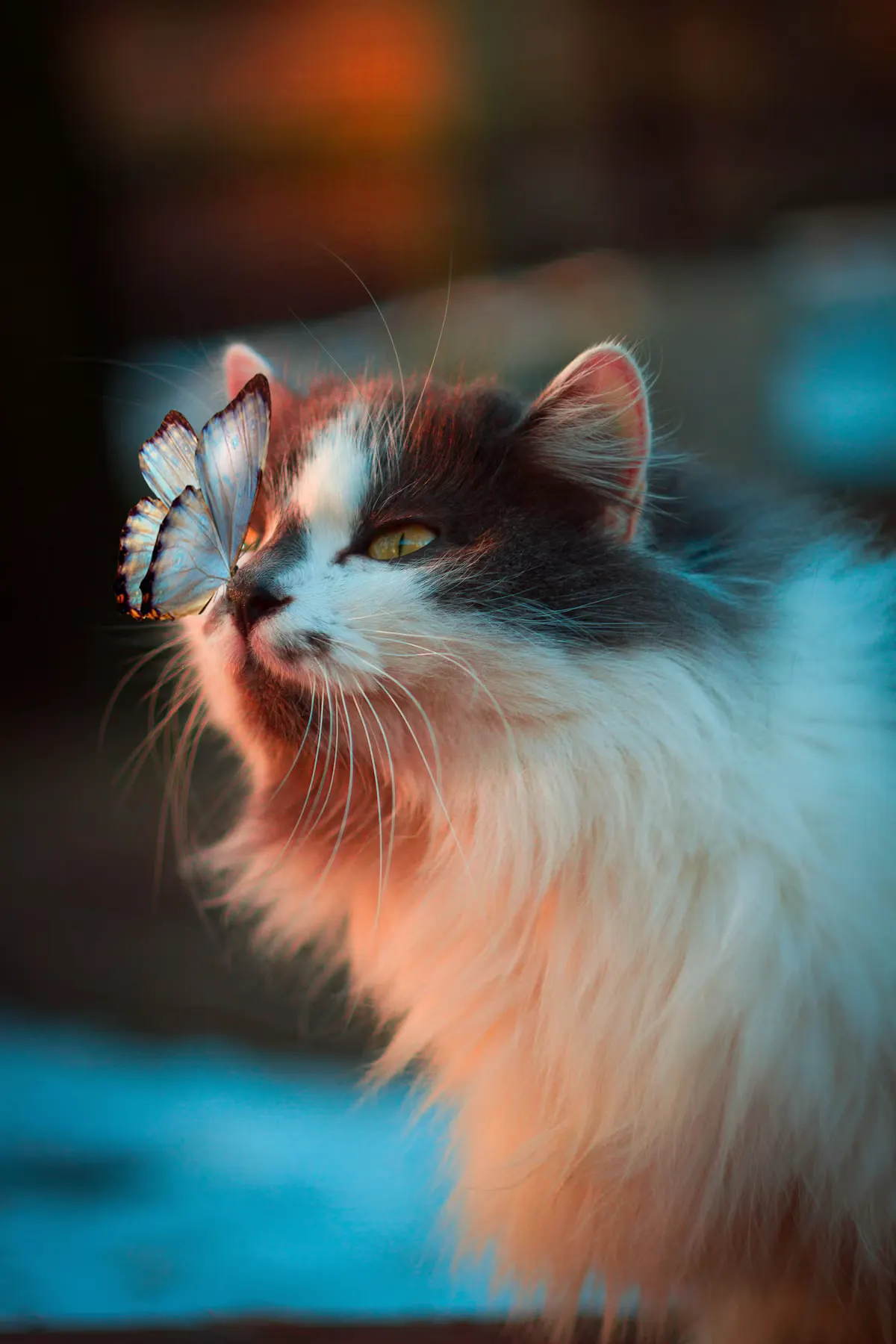
🦋Butterfly
Rhopalocera
- Thin antennae with clubbed ends
- Vibrant bright wing colors
- Rests with wings folded upright

🦋Moth
Heterocera
- Feathery or saw-toothed antennae
- Drab earth-tone wings (brown/grey)
- Stout fuzzy body
属性の比較
14 点の種比較マトリックス
詳細な分類法、解剖学的寸法、生息地、および行動の内訳。
| 生物学的次元 | 🦋 Butterfly | 🦋 Moth |
|---|---|---|
| Wingspan | 2 – 28 cm | 0.8 – 30 cm |
| Species Count | ~17,500 species worldwide | ~160,000 species worldwide |
| Antennae Shape | Slender with round bulbous club knobs | Feathery, comb-like, or thread-like |
| Wing Resting Position | Folded vertically upright over back | Spread flat or tented over body |
| Body Texture | Smooth, slender, lean abdomen | Stout, furry, covered in heat scales |
| Wing Coloration | Vibrant, bright iridescent hues | Muted browns, greys, earth tones |
| Active Flight Time | Diurnal (sunny daytime hours) | Nocturnal (under dark night skies) |
| Pupal Stage | Smooth exposed chrysalis hanging on twigs | Silky woven cocoon hidden in soil |
| Eye Structure | Apposition compound eyes (high resolution) | Superposition compound eyes (night vision) |
| Wing Coupling | Overlapping wing veins (no frenulum) | Bristled frenulum locks fore/hind wings |
| Habitat | Sunny gardens, meadows, open forests | Forests, fields, porch light fixtures at night |
| Diet | Flower nectar, tree sap, mineral mud | Nectar, rotting fruit, or non-feeding adult |
| Lifespan | 2 weeks – 9 months (Monarch migration) | 1 – 2 weeks (many adults lack mouthparts) |
| Conservation Status | Various (Monarch endangered) | Varies by species |
Butterfly と Moth を混同するのはなぜですか?
表面的な類似点は、観察者を騙すことがよくあります。両者が似ている理由とその罠を回避する方法をご紹介します。
表面的な共通の特徴
- Insects belonging to the order Lepidoptera with large scale-covered wings
- Complete metamorphosis life cycles (egg → caterpillar → chrysalis/cocoon → adult)
- Feed on flower nectar using coiled proboscis tongue tubes
フィールドの明確な区別
- Butterflies fly during the day in warm sunshine; Moths are predominantly nocturnal.
- Butterfly antennae end in distinct rounded bulbs/clubs; Moth antennae are feathery or thread-like.
- Butterflies rest with wings folded vertically straight up; Moths rest with wings spread flat or draped over their back.
野生では何を探す必要がありますか?
キー フィールドのマーキングまたは動作を観察し、一致する特性を選択してライブ診断計算を実行します。
Antennae Shape: Butterfly antennae are long and thin with a round knob at the tip; Moth antennae are feathery or comb-like.
Wing Resting Position: Butterflies hold their wings vertically over their back when resting; Moths hold wings flat against their body.
Activity Time: Butterflies are active during sunny days (diurnal); Moths are active at night (nocturnal).
Body Texture: Moths usually have stout, furry bodies; Butterflies have smooth, slender bodies.
見分けられますか?
主要な解剖学的特徴に関する観察スキルをテストし、ランクバッジを獲得してください!
"Which insect rests with its wings folded vertically upright over its back?"
ミステリー動物の手がかりを明らかにする者🔎
段階的な現場の手掛かりに基づいて、これがどの種であるかを特定できますか?より高いポイントを得るには、早めに推測してください。
Flies primarily under the cover of night (nocturnal) and is famously drawn toward porch lights and campfire glows.
段階 2 の位置、毛皮の模様、解剖学的秘密を読み取る手がかりを明らかにします...
段階 3 の位置、毛皮の模様、解剖学的秘密を読み取る手がかりを明らかにします...
段階 4 の位置、毛皮の模様、解剖学的秘密を読み取る手がかりを明らかにします...
推測する準備はできましたか?
これらのフィールド手がかりに一致する候補動物を今すぐ選択してください (100 ポイント):
識別に関する一般的な質問
Why are moths drawn to artificial lights at night?
Moths navigate using a system called transverse orientation—keeping a natural light source like the moon at a constant angle. Artificial lights trick their navigation, causing them to spiral inward toward the light.
Do all moths fly only at night?
Not all! While ~90% of moths are nocturnal, there are diurnal day-flying moths (like the Hummingbird Hawk-Moth and Sunset Moth) that feature bright colors like butterflies.
How do butterfly caterpillars differ from moth caterpillars?
Moth caterpillars often have thick hairy bristles (like woolly bear caterpillars) or spin silk cocoons. Butterfly caterpillars are usually smoother, though some have fleshy spikes.
比較に関する興味深い事実:
Moths outnumber butterflies 9 to 1! There are roughly 160,000 species of moths compared to only 17,500 species of butterflies.
動物を見つけましたが、それがどの種なのかまだわかりませんか?
写真をアップロードして、AI が正確なロゼット、くちばしの形状、鼻、鱗のパターンを調べられるようにします。