似た動物の見分け方
写真をアップロードして、対象を絞った種間の視覚的識別 AI を実行し、インタラクティブなクイズで現場の知識をテストし、解剖学的構造の並べて比較を検討します。
Yak と Himalayan Tahr — 見分ける方法
主な視覚的な違い、フィールド識別ルール、解剖学的ホットスポット、およびペアごとの AI 分析。
Huge shaggy ox of open highland pasture = yak. Smaller shaggy cliff climber = Himalayan tahr.
| 機能 | 🐂 Yak | 🐐 Himalayan Tahr |
|---|---|---|
| Size | Very large bovine | Medium goat-antelope |
| Coat | Long hanging double coat | Woolly; longer/shaggier in winter |
| Habitat | Open alpine pasture/plateau | Steep cliffs and meadows |
| Human use | Pack, milk, meat, wool | Wild (not livestock) |
| Feet | Bovine hooves | Rubber-like gripping pads |
これはどれですか?Yak vs Himalayan Tahr
写真や野外観察で動物を見つけましたか?ここにアップロードすると、AI は特にこれら 2 つの候補種の間で正確な視覚的特徴を評価します。
人間のベンチマークとのサイズとスケールの比較
Yak と Himalayan Tahr が平均的な人間 (👤 1.8 メートル / 80kg) と比較してどのように測定されるかを見てください。
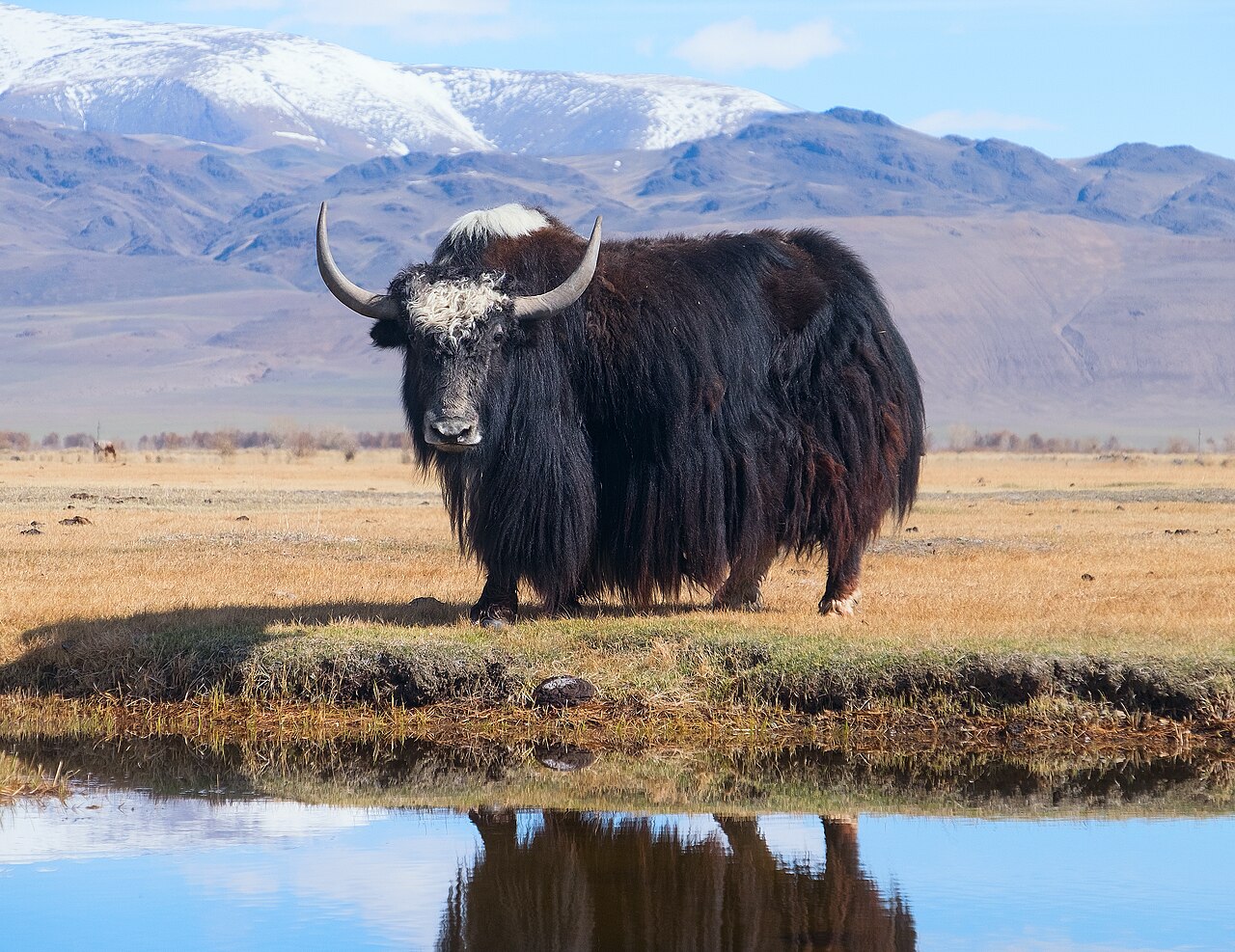
🐂Yak
Bos grunniens
- Massive shaggy double coat
- Dense underwool
- Pack/dairy livestock icon
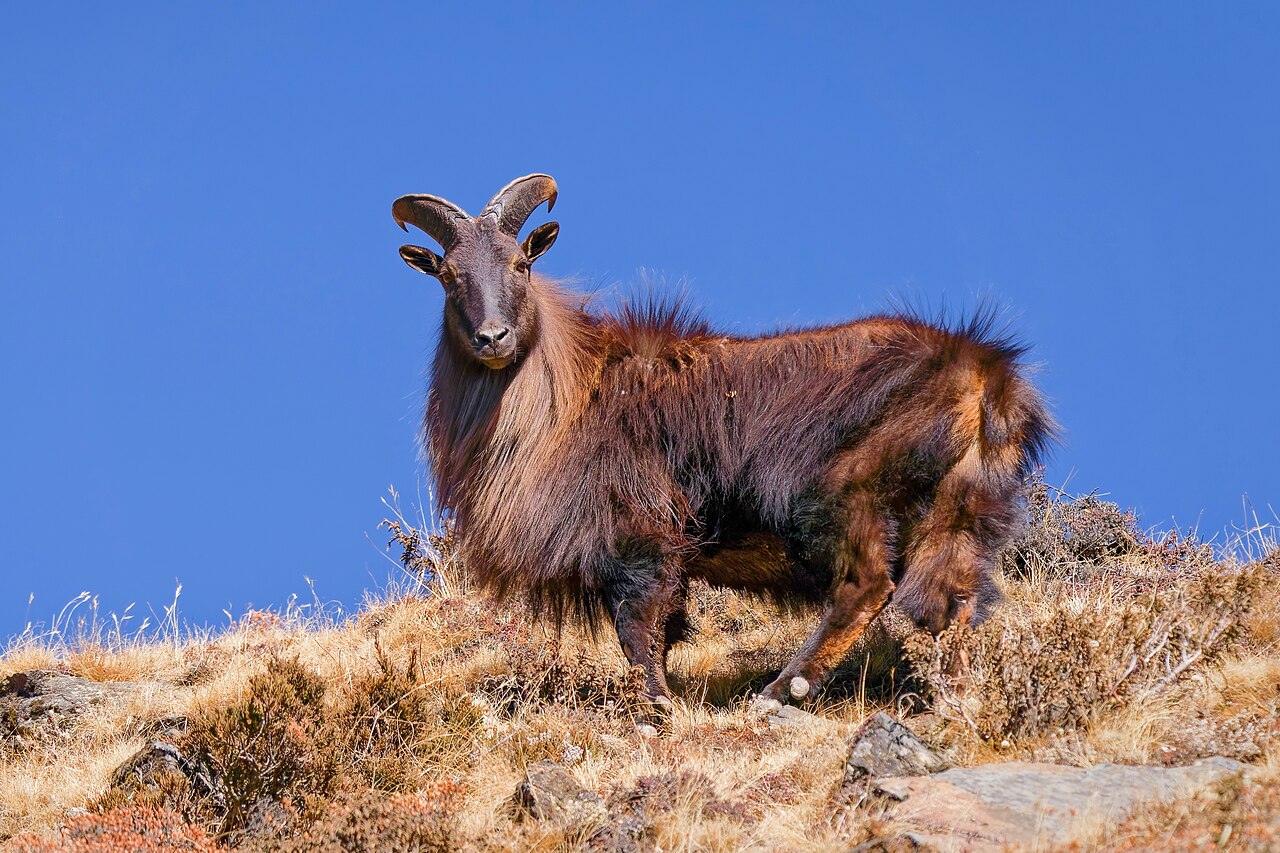
🐐Himalayan Tahr
Hemitragus jemlahicus
- Long shaggy winter coat
- Rubber-like hoof grip
- Wild goat-antelope
14 点の種比較マトリックス
詳細な分類法、解剖学的寸法、生息地、および行動の内訳。
| 生物学的次元 | 🐂 Yak | 🐐 Himalayan Tahr |
|---|---|---|
| Size (Length) | Large ox frame | ~90–140 cm body |
| Weight | Hundreds of kg | ~50–100 kg |
| Body Shape | Stocky bovine | Goat-antelope |
| Coat/Skin | Long hanging skirt hair | Woolly winter shag |
| Markings | Dark shaggy coat | Red-brown to dark |
| Head Shape | Broad ox head + horns | Shorter horns |
| Teeth/Jaw | Grazing bovine | Caprine browser/grazer |
| Tail | Long-haired bovine tail | Short ungulate tail |
| Habitat | Plateau pastures | Cliffs & meadows |
| Geographic Range | Tibetan Plateau/Himalaya | Himalayan ranges |
| Diet | Grasses/sedges | Grasses/herbs/shrubs |
| Behavior | Herd livestock/wild herds | Cliff climbing groups |
| Lifespan | ~15–20 years | ~10–15 years |
| Conservation Status | Vulnerable (wild focus) | Near Threatened |
Yak と Himalayan Tahr を混同するのはなぜですか?
表面的な類似点は、観察者を騙すことがよくあります。両者が似ている理由とその罠を回避する方法をご紹介します。
表面的な共通の特徴
- Long insulating hair for Himalayan cold
- Herbivores of high mountains
- Iconic “roof of the world” fauna
フィールドの明確な区別
- Yaks are cattle-like and much larger.
- Tahrs climb cliffs; yaks graze pastures.
- Yaks are primarily domestic/livestock icons; tahrs are wild.
野生では何を探す必要がありますか?
キー フィールドのマーキングまたは動作を観察し、一致する特性を選択してライブ診断計算を実行します。
Size first: yak is ox-huge; tahr is goat-antelope sized.
Terrain: open pasture/plateau favors yak; sheer cliffs favor tahr.
Coat shape: hanging skirt hair = yak; winter mane/shag on a climber = tahr.
Context: pack trains and herders = yak; wild cliff groups = tahr.
見分けられますか?
主要な解剖学的特徴に関する観察スキルをテストし、ランクバッジを獲得してください!
"Which animal is famous as a Himalayan pack and dairy animal?"
識別に関する一般的な質問
Which is used as a pack animal?
The yak — highland communities rely on yaks for transport, milk, meat, and wool.
Which is better on cliffs?
The Himalayan tahr — specialized hoof pads grip steep rock and ice.
Are both long-haired?
Yes — both grow insulating coats for alpine cold; yak hair hangs in a heavy skirt, while tahrs become especially shaggy in winter.
比較に関する興味深い事実:
Yaks and tahrs both wear “long hair armor” against Himalayan cold — but one is a highland ox of people and pastures, the other a wild cliff acrobat.
動物を見つけましたが、それがどの種なのかまだわかりませんか?
写真をアップロードして、AI が正確なロゼット、くちばしの形状、鼻、鱗のパターンを調べられるようにします。