비슷한 동물을 구분하는 방법
종 간 표적화된 AI 시각적 식별을 실행하고, 대화형 퀴즈로 현장 지식을 테스트하고, 해부학적 구조를 나란히 비교하려면 사진을 업로드하세요.
Butterfly 대 Moth — 구별하는 방법
주요 시각적 차이점, 현장 식별 규칙, 해부학적 핫스팟 및 쌍별 AI 분석.
The easiest way to tell a butterfly from a moth is antenna shape and resting position: butterflies have slender antennae ending in round club knobs and rest with wings folded straight up over their back, whereas moths have feathery or comb-like antennae and rest with wings spread flat.
| 특집 | 🦋 Butterfly | 🦋 Moth |
|---|---|---|
| Antennae Tip | Thin with round bulbous club knob | Feathery, comb-like, or thread-like |
| Wing Resting | Folded vertically upright over back | Draped flat or tent-like over body |
| Flight Schedule | Active during sunny daylight (diurnal) | Active under dark night skies (nocturnal) |
| Body Texture | Smooth, slender abdomen | Stout, furry body with heat scales |
| Cocoon Type | Smooth hard chrysalis | Silky spun cocoon woven with hair |
이것은 어느 것입니까?Butterfly vs Moth
사진이나 현장 관찰에서 동물을 발견하셨나요? 여기에 업로드하면 AI이 두 후보 종 간의 정확한 시각적 특성을 구체적으로 평가합니다!
해부학적 현장 특징 관찰자
아래의 특정 신체 부위나 표시를 클릭하면 해부학적 대조 특성을 나란히 검사할 수 있습니다.
Butterfly
Antennae Tip 특성Long and thin with a round bulbous club knob at the tip.
Moth
Antennae Tip 특성Feathery, comb-like, or fuzzy without a tip knob.
인간 벤치마크와 크기 및 규모 비교
Butterfly 및 Moth이 평균 인간(👤 1.8m / 80kg)과 비교하여 어떻게 측정되는지 확인하세요.
💡 필드 참고: Moths outnumber butterflies 9 to 1!
💡 필드 참고: Butterflies thrive in warm sunshine
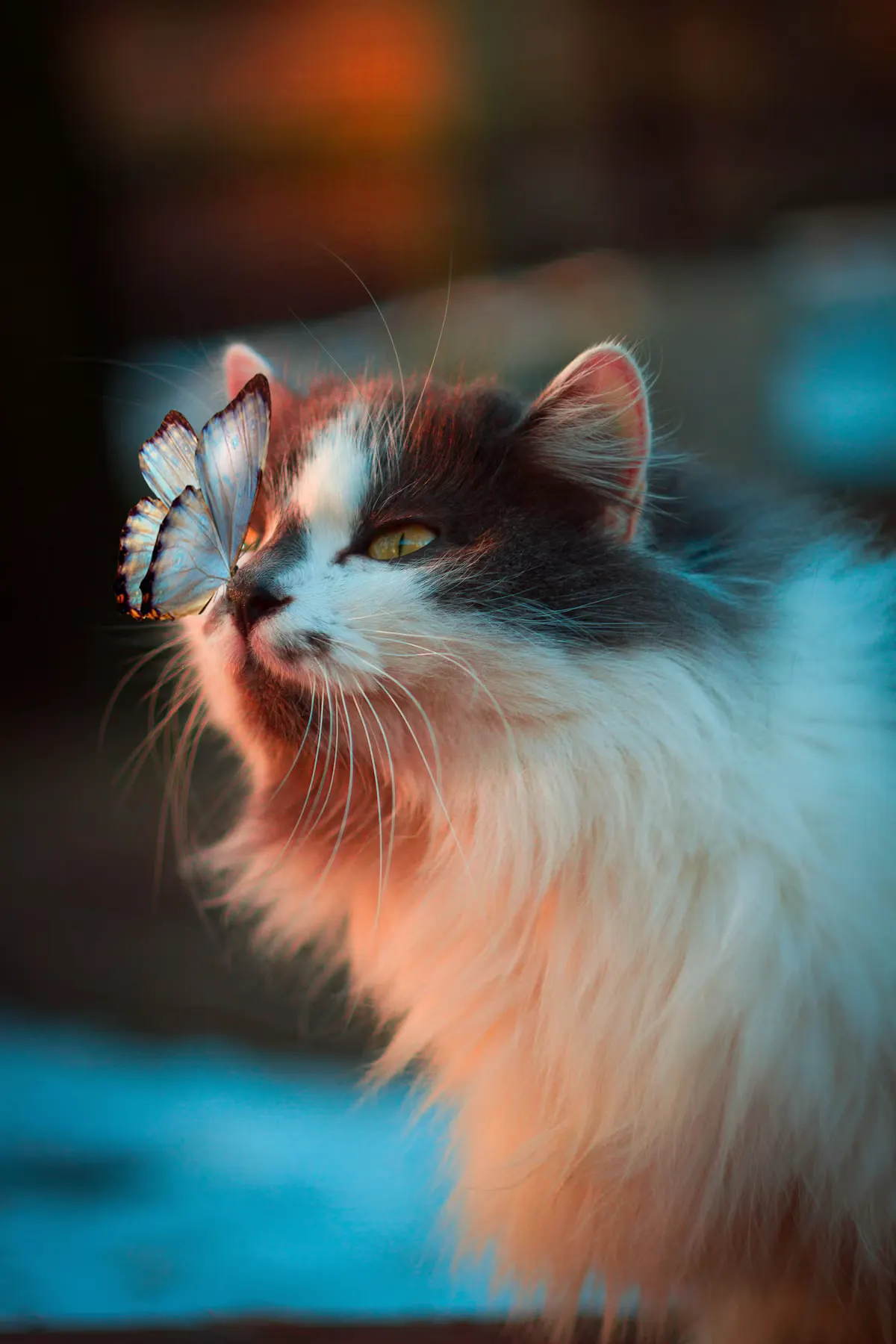
🦋Butterfly
Rhopalocera
- Thin antennae with clubbed ends
- Vibrant bright wing colors
- Rests with wings folded upright

🦋Moth
Heterocera
- Feathery or saw-toothed antennae
- Drab earth-tone wings (brown/grey)
- Stout fuzzy body
속성 비교
14점 종 비교 매트릭스
상세한 분류, 해부학적 치수, 서식지 및 행동 분석을 나란히 나열합니다.
| 생물학적 차원 | 🦋 Butterfly | 🦋 Moth |
|---|---|---|
| Wingspan | 2 – 28 cm | 0.8 – 30 cm |
| Species Count | ~17,500 species worldwide | ~160,000 species worldwide |
| Antennae Shape | Slender with round bulbous club knobs | Feathery, comb-like, or thread-like |
| Wing Resting Position | Folded vertically upright over back | Spread flat or tented over body |
| Body Texture | Smooth, slender, lean abdomen | Stout, furry, covered in heat scales |
| Wing Coloration | Vibrant, bright iridescent hues | Muted browns, greys, earth tones |
| Active Flight Time | Diurnal (sunny daytime hours) | Nocturnal (under dark night skies) |
| Pupal Stage | Smooth exposed chrysalis hanging on twigs | Silky woven cocoon hidden in soil |
| Eye Structure | Apposition compound eyes (high resolution) | Superposition compound eyes (night vision) |
| Wing Coupling | Overlapping wing veins (no frenulum) | Bristled frenulum locks fore/hind wings |
| Habitat | Sunny gardens, meadows, open forests | Forests, fields, porch light fixtures at night |
| Diet | Flower nectar, tree sap, mineral mud | Nectar, rotting fruit, or non-feeding adult |
| Lifespan | 2 weeks – 9 months (Monarch migration) | 1 – 2 weeks (many adults lack mouthparts) |
| Conservation Status | Various (Monarch endangered) | Varies by species |
사람들은 왜 Butterfly과 Moth을 혼동합니까?
피상적인 유사성은 관찰자를 속이는 경우가 많습니다. 그들이 비슷하게 보이는 이유와 함정을 피하는 방법은 다음과 같습니다.
피상적인 공유 특성
- Insects belonging to the order Lepidoptera with large scale-covered wings
- Complete metamorphosis life cycles (egg → caterpillar → chrysalis/cocoon → adult)
- Feed on flower nectar using coiled proboscis tongue tubes
확실한 필드 구별
- Butterflies fly during the day in warm sunshine; Moths are predominantly nocturnal.
- Butterfly antennae end in distinct rounded bulbs/clubs; Moth antennae are feathery or thread-like.
- Butterflies rest with wings folded vertically straight up; Moths rest with wings spread flat or draped over their back.
야생에서 무엇을 찾아야 합니까?
주요 필드 표시 또는 동작을 관찰하고 일치하는 특성을 선택하여 실시간 진단 계산을 실행하세요.
Antennae Shape: Butterfly antennae are long and thin with a round knob at the tip; Moth antennae are feathery or comb-like.
Wing Resting Position: Butterflies hold their wings vertically over their back when resting; Moths hold wings flat against their body.
Activity Time: Butterflies are active during sunny days (diurnal); Moths are active at night (nocturnal).
Body Texture: Moths usually have stout, furry bodies; Butterflies have smooth, slender bodies.
구분할 수 있나요?
주요 해부학적 특성에 대한 관찰 능력을 테스트하고 순위 배지를 획득하세요!
"Which insect rests with its wings folded vertically upright over its back?"
미스터리 동물 단서 공개자🔎
단계별 현장 단서를 바탕으로 이것이 어떤 종인지 식별할 수 있습니까? 더 높은 점수를 얻으려면 더 일찍 맞춰보세요!
Flies primarily under the cover of night (nocturnal) and is famously drawn toward porch lights and campfire glows.
위치, 코트 표시 또는 해부학적 비밀을 읽을 수 있는 단서를 2 단계에서 공개하세요...
위치, 코트 표시 또는 해부학적 비밀을 읽을 수 있는 단서를 3 단계에서 공개하세요...
위치, 코트 표시 또는 해부학적 비밀을 읽을 수 있는 단서를 4 단계에서 공개하세요...
추측할 준비가 되셨나요?
지금 이 현장 단서와 일치하는 후보 동물을 선택하세요(100점):
일반적인 식별 질문
Why are moths drawn to artificial lights at night?
Moths navigate using a system called transverse orientation—keeping a natural light source like the moon at a constant angle. Artificial lights trick their navigation, causing them to spiral inward toward the light.
Do all moths fly only at night?
Not all! While ~90% of moths are nocturnal, there are diurnal day-flying moths (like the Hummingbird Hawk-Moth and Sunset Moth) that feature bright colors like butterflies.
How do butterfly caterpillars differ from moth caterpillars?
Moth caterpillars often have thick hairy bristles (like woolly bear caterpillars) or spin silk cocoons. Butterfly caterpillars are usually smoother, though some have fleshy spikes.
비교 재미있는 사실:
Moths outnumber butterflies 9 to 1! There are roughly 160,000 species of moths compared to only 17,500 species of butterflies.
동물을 찾았는데 그것이 어떤 종인지 아직도 모르시나요?
AI이(가) 정확한 장미꽃, 부리 모양, 주둥이 또는 비늘 패턴을 검사할 수 있도록 사진을 업로드하세요!