비슷한 동물을 구분하는 방법
종 간 표적화된 AI 시각적 식별을 실행하고, 대화형 퀴즈로 현장 지식을 테스트하고, 해부학적 구조를 나란히 비교하려면 사진을 업로드하세요.
Crocodile 대 Alligator — 구별하는 방법
주요 시각적 차이점, 현장 식별 규칙, 해부학적 핫스팟 및 쌍별 AI 분석.
The fastest way to tell a crocodile from an alligator is by looking at the snout and teeth: crocodiles have a narrow, pointed V-shaped snout with a prominent 4th lower tooth visible when their mouth is shut, while alligators have a wide, rounded U-shaped snout with lower teeth hidden inside upper jaw sockets.
| 특집 | 🐊 Crocodile | 🐊 Alligator |
|---|---|---|
| Snout Shape | Narrow V-shaped pointed snout | Broad U-shaped rounded snout |
| Tooth Exposure | 4th lower tooth sticks out when closed | Lower teeth hidden in upper jaw sockets |
| Skin Coloration | Lighter olive-green, tan, or bronze | Dark charcoal grey or solid black |
| Habitat & Water | Saltwater estuaries & ocean lagoons | Freshwater swamps, marshes & slow rivers |
| Temperament | Highly aggressive & opportunistic | More timid, generally avoids humans |
이것은 어느 것입니까?Crocodile vs Alligator
사진이나 현장 관찰에서 동물을 발견하셨나요? 여기에 업로드하면 AI이 두 후보 종 간의 정확한 시각적 특성을 구체적으로 평가합니다!
해부학적 현장 특징 관찰자
아래의 특정 신체 부위나 표시를 클릭하면 해부학적 대조 특성을 나란히 검사할 수 있습니다.
Crocodile
Snout Shape 특성Narrow V-shaped pointed snout.
Alligator
Snout Shape 특성Broad, rounded U-shaped shovel-like snout.
인간 벤치마크와 크기 및 규모 비교
Crocodile 및 Alligator이 평균 인간(👤 1.8m / 80kg)과 비교하여 어떻게 측정되는지 확인하세요.
💡 필드 참고: Crocodiles reach much larger maximum sizes
💡 필드 참고: Crocodile has specialized salt-excreting glands
💡 필드 참고: Alligator can brumate with nose above ice
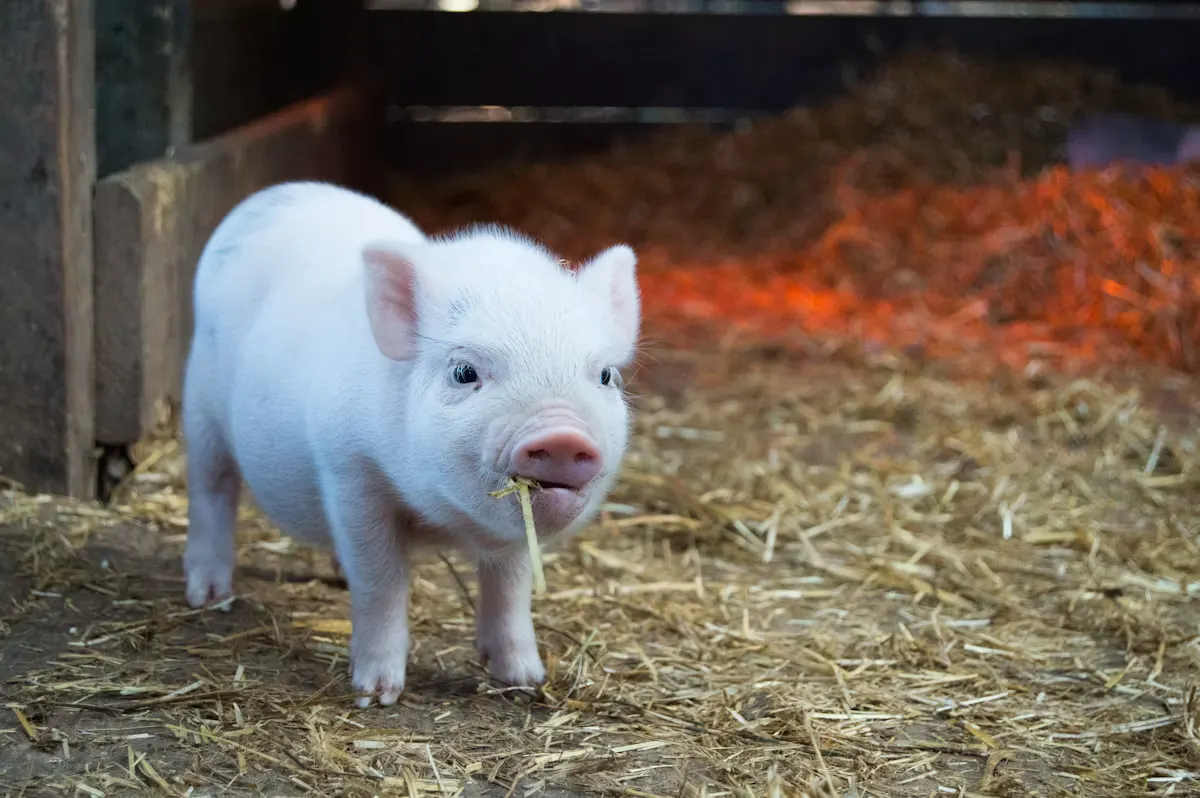
🐊Crocodile
Crocodylus acutus
- Narrow V-shaped snout
- Lower 4th tooth visible when mouth is closed
- Light olive/tan coloration
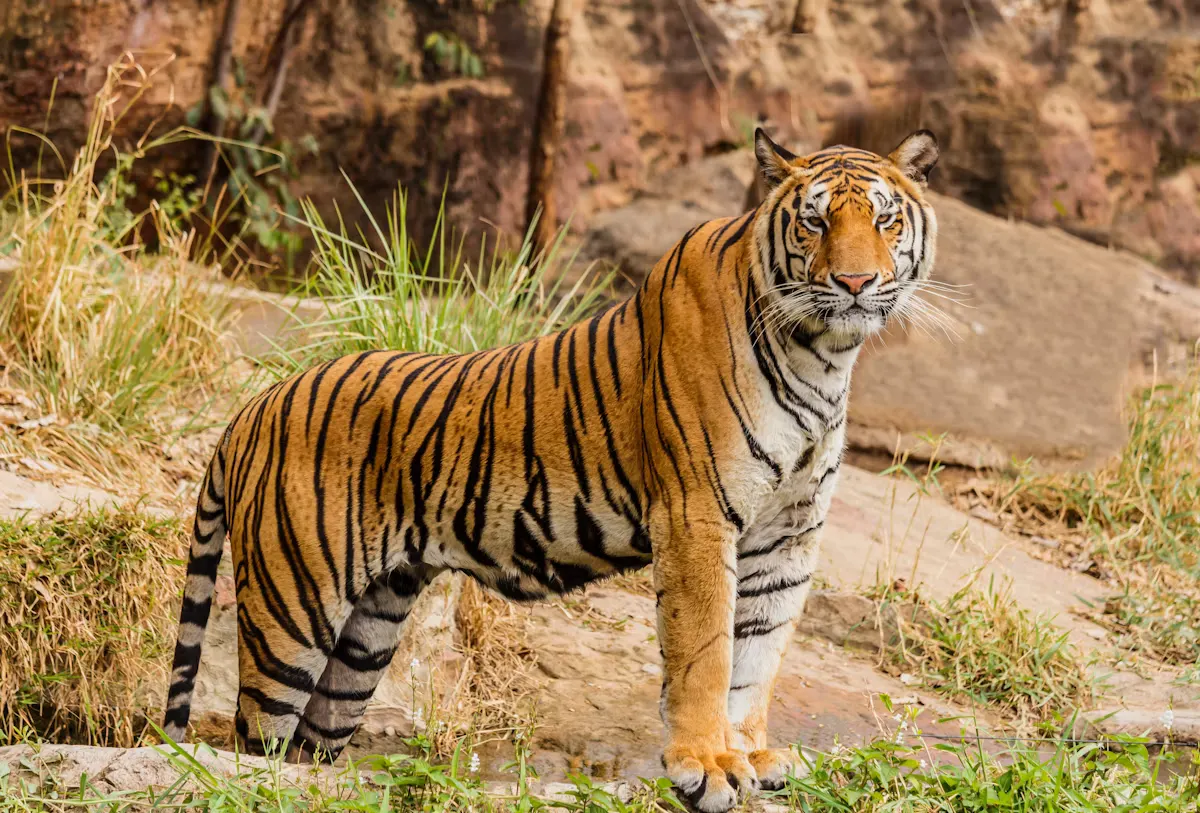
🐊Alligator
Alligator mississippiensis
- Wide U-shaped snout
- Lower teeth hidden when mouth is closed
- Dark blackish-grey color
속성 비교
14점 종 비교 매트릭스
상세한 분류, 해부학적 치수, 서식지 및 행동 분석을 나란히 나열합니다.
| 생물학적 차원 | 🐊 Crocodile | 🐊 Alligator |
|---|---|---|
| Maximum Length | 3.5 – 6.0 meters (up to 20 ft) | 2.5 – 4.5 meters (up to 15 ft) |
| Weight | 200 – 1,000 kg | 150 – 450 kg |
| Snout Structure | Narrow V-shaped pointed snout | Broad U-shaped shovel snout |
| Skin Coloration | Light olive, tan, or greenish-brown | Dark charcoal grey or solid black |
| Lower Tooth Visibility | 4th tooth visibly points up when closed | All lower teeth hidden in upper jaw sockets |
| Salt Glands | Functional lingual salt glands (excretes salt) | Non-functional salt glands (freshwater only) |
| Sensory Pits | DPRs (pits) across whole body surface | DPRs located only around jaws and snout |
| Habitat | Brackish estuaries, coastal rivers, mangroves | Freshwater swamps, lakes, slow marshes |
| Geographic Range | Tropical Americas, Africa, Australia, Asia | Southeastern USA & Yangtze River (China) |
| Diet | Fish, mammals, water birds, sharks | Fish, turtles, birds, snakes, small mammals |
| Cold Tolerance | Low (strictly tropical climates) | High (survives freezing ice via brumation) |
| Behavior & Temperament | Extremely aggressive and unpredictable | Relatively docile unless provoked or guarding nest |
| Lifespan | 70 – 100 years | 30 – 50 years |
| Conservation Status | Vulnerable / Endangered (varies) | Least Concern |
사람들은 왜 Crocodile과 Alligator을 혼동합니까?
피상적인 유사성은 관찰자를 속이는 경우가 많습니다. 그들이 비슷하게 보이는 이유와 함정을 피하는 방법은 다음과 같습니다.
피상적인 공유 특성
- Large crocodilian reptiles with armoured scutes and powerful tail-driven swimming
- Semiaquatic ambush predators with eyes and nostrils situated on top of their heads
- Devastating bite forces capable of holding onto large prey animals
확실한 필드 구별
- Crocodiles have pointed V-snouts with exposed lower teeth; Alligators have round U-snouts with hidden lower teeth.
- Crocodiles possess functional lingual salt glands to survive in marine habitats; Alligators prefer freshwater.
- Alligators are dark grey/black to absorb heat, while crocodiles are lighter olive/tan.
야생에서 무엇을 찾아야 합니까?
주요 필드 표시 또는 동작을 관찰하고 일치하는 특성을 선택하여 실시간 진단 계산을 실행하세요.
Snout Shape: Alligators have a broad U-shaped snout (like a shovel); Crocodiles have a pointed V-shaped snout.
Tooth Exposure: When the mouth is closed, a Crocodile shows its prominent 4th lower tooth pointing up; Alligator teeth fit into upper jaw sockets.
Color: Alligators are dark grey or black; Crocodiles are lighter olive, tan, or greenish-brown.
Habitat: Alligators prefer freshwater lakes and swamps; Crocodiles have special salt glands enabling ocean/estuary life.
구분할 수 있나요?
주요 해부학적 특성에 대한 관찰 능력을 테스트하고 순위 배지를 획득하세요!
"Which reptile has a wide, rounded U-shaped snout designed for crushing turtle shells?"
미스터리 동물 단서 공개자🔎
단계별 현장 단서를 바탕으로 이것이 어떤 종인지 식별할 수 있습니까? 더 높은 점수를 얻으려면 더 일찍 맞춰보세요!
Inhabits tropical estuaries, coastal mangrove lagoons, and saltwater rivers across Africa, Australia, Asia, and coastal Americas.
위치, 코트 표시 또는 해부학적 비밀을 읽을 수 있는 단서를 2 단계에서 공개하세요...
위치, 코트 표시 또는 해부학적 비밀을 읽을 수 있는 단서를 3 단계에서 공개하세요...
위치, 코트 표시 또는 해부학적 비밀을 읽을 수 있는 단서를 4 단계에서 공개하세요...
추측할 준비가 되셨나요?
지금 이 현장 단서와 일치하는 후보 동물을 선택하세요(100점):
일반적인 식별 질문
Where in the world do alligators and crocodiles live together?
The Everglades in South Florida is the only place on Earth where native wild alligators and native wild crocodiles naturally coexist in the same ecosystem.
How can you tell if a crocodilian is an alligator or a crocodile with its mouth shut?
Look at its snout and teeth: if the snout is broad and U-shaped with no visible lower teeth, it is an alligator. If the snout is narrow and V-shaped with a large lower tooth sticking up on the side, it is a crocodile.
Which reptile is more dangerous to humans?
Crocodiles are significantly more aggressive and opportunistic toward humans than alligators. Species like the Nile crocodile and Saltwater crocodile account for hundreds of fatal attacks annually.
비교 재미있는 사실:
South Florida (The Everglades) is the ONLY place on Earth where native wild alligators and native wild crocodiles coexist!
동물을 찾았는데 그것이 어떤 종인지 아직도 모르시나요?
AI이(가) 정확한 장미꽃, 부리 모양, 주둥이 또는 비늘 패턴을 검사할 수 있도록 사진을 업로드하세요!