비슷한 동물을 구분하는 방법
종 간 표적화된 AI 시각적 식별을 실행하고, 대화형 퀴즈로 현장 지식을 테스트하고, 해부학적 구조를 나란히 비교하려면 사진을 업로드하세요.
Yak 대 Himalayan Tahr — 구별하는 방법
주요 시각적 차이점, 현장 식별 규칙, 해부학적 핫스팟 및 쌍별 AI 분석.
Huge shaggy ox of open highland pasture = yak. Smaller shaggy cliff climber = Himalayan tahr.
| 특집 | 🐂 Yak | 🐐 Himalayan Tahr |
|---|---|---|
| Size | Very large bovine | Medium goat-antelope |
| Coat | Long hanging double coat | Woolly; longer/shaggier in winter |
| Habitat | Open alpine pasture/plateau | Steep cliffs and meadows |
| Human use | Pack, milk, meat, wool | Wild (not livestock) |
| Feet | Bovine hooves | Rubber-like gripping pads |
이것은 어느 것입니까?Yak vs Himalayan Tahr
사진이나 현장 관찰에서 동물을 발견하셨나요? 여기에 업로드하면 AI이 두 후보 종 간의 정확한 시각적 특성을 구체적으로 평가합니다!
인간 벤치마크와 크기 및 규모 비교
Yak 및 Himalayan Tahr이 평균 인간(👤 1.8m / 80kg)과 비교하여 어떻게 측정되는지 확인하세요.
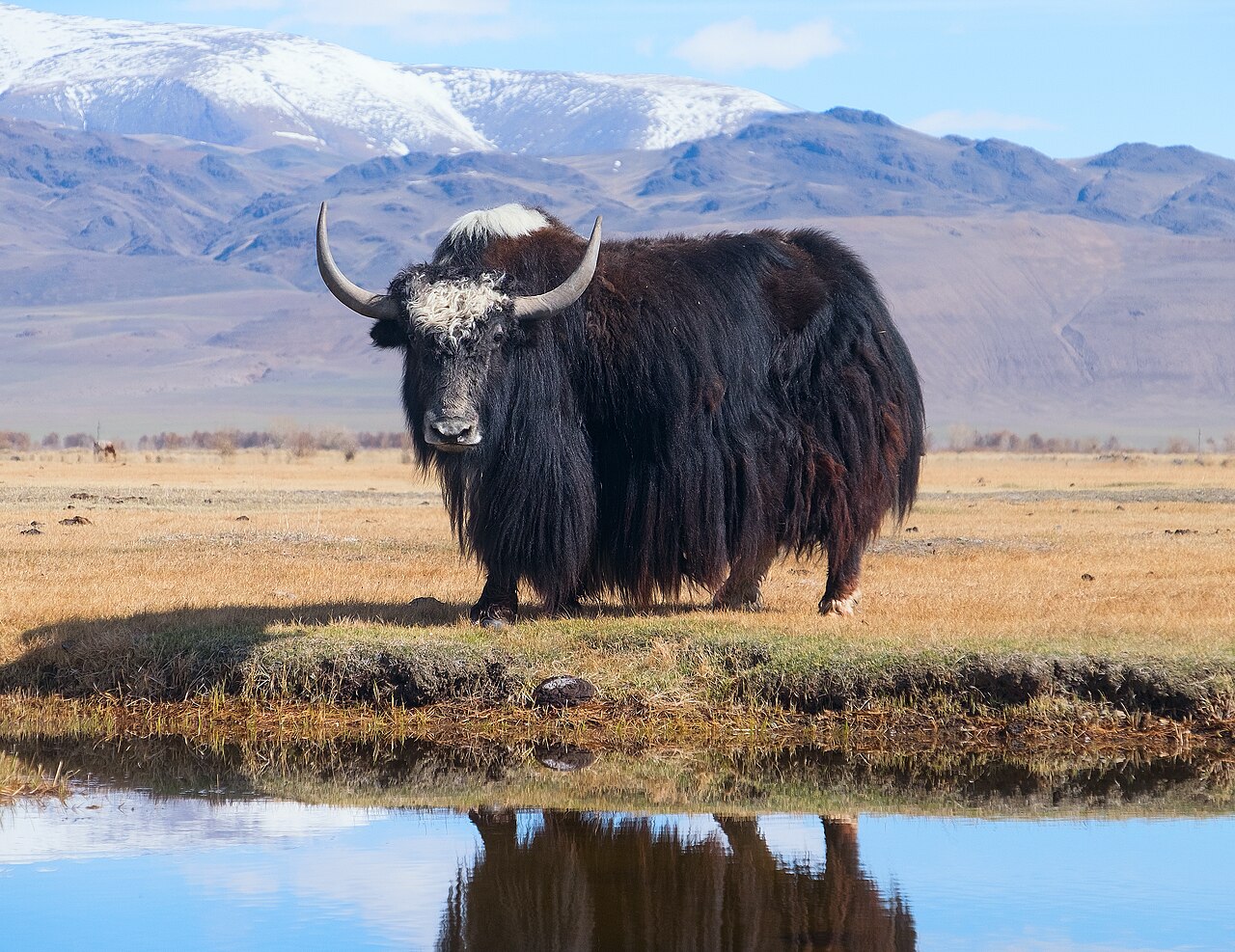
🐂Yak
Bos grunniens
- Massive shaggy double coat
- Dense underwool
- Pack/dairy livestock icon
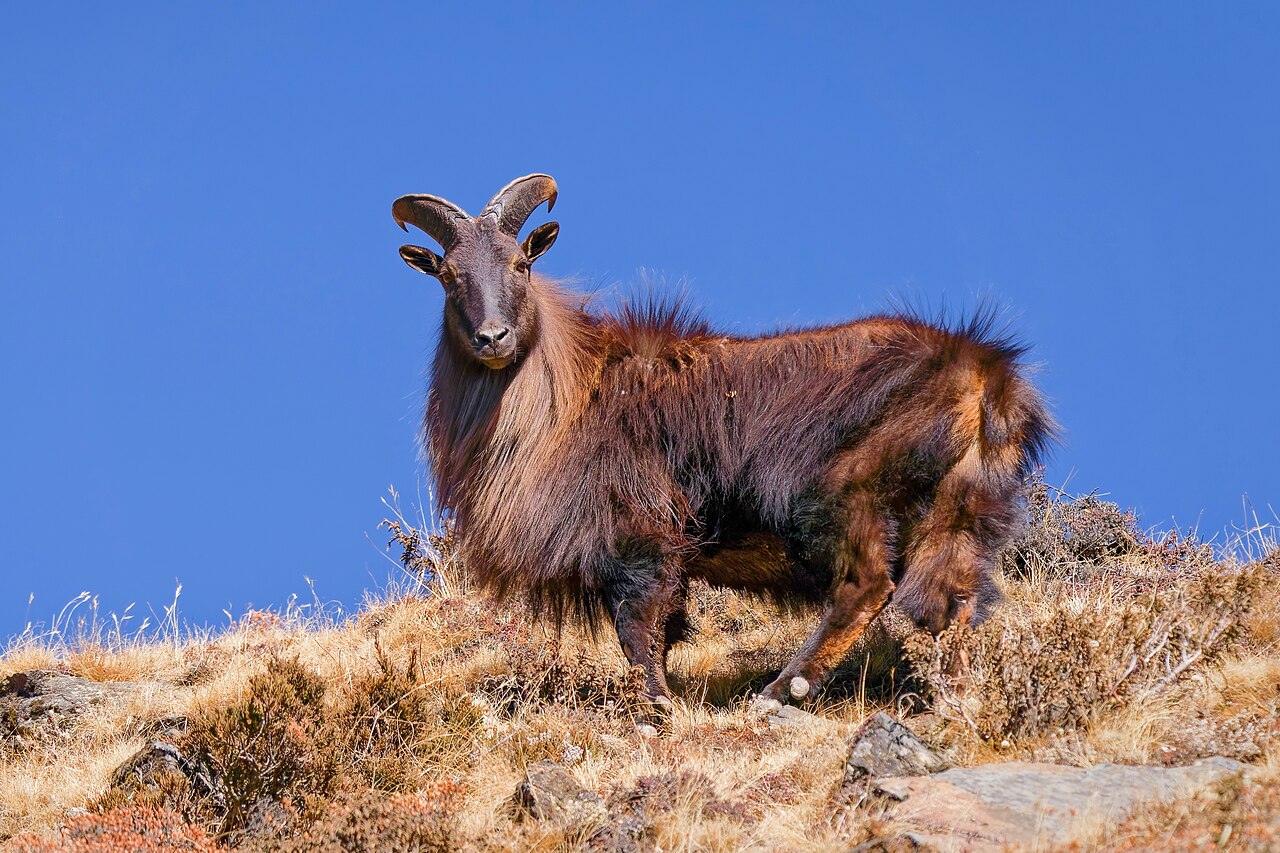
🐐Himalayan Tahr
Hemitragus jemlahicus
- Long shaggy winter coat
- Rubber-like hoof grip
- Wild goat-antelope
14점 종 비교 매트릭스
상세한 분류, 해부학적 치수, 서식지 및 행동 분석을 나란히 나열합니다.
| 생물학적 차원 | 🐂 Yak | 🐐 Himalayan Tahr |
|---|---|---|
| Size (Length) | Large ox frame | ~90–140 cm body |
| Weight | Hundreds of kg | ~50–100 kg |
| Body Shape | Stocky bovine | Goat-antelope |
| Coat/Skin | Long hanging skirt hair | Woolly winter shag |
| Markings | Dark shaggy coat | Red-brown to dark |
| Head Shape | Broad ox head + horns | Shorter horns |
| Teeth/Jaw | Grazing bovine | Caprine browser/grazer |
| Tail | Long-haired bovine tail | Short ungulate tail |
| Habitat | Plateau pastures | Cliffs & meadows |
| Geographic Range | Tibetan Plateau/Himalaya | Himalayan ranges |
| Diet | Grasses/sedges | Grasses/herbs/shrubs |
| Behavior | Herd livestock/wild herds | Cliff climbing groups |
| Lifespan | ~15–20 years | ~10–15 years |
| Conservation Status | Vulnerable (wild focus) | Near Threatened |
사람들은 왜 Yak과 Himalayan Tahr을 혼동합니까?
피상적인 유사성은 관찰자를 속이는 경우가 많습니다. 그들이 비슷하게 보이는 이유와 함정을 피하는 방법은 다음과 같습니다.
피상적인 공유 특성
- Long insulating hair for Himalayan cold
- Herbivores of high mountains
- Iconic “roof of the world” fauna
확실한 필드 구별
- Yaks are cattle-like and much larger.
- Tahrs climb cliffs; yaks graze pastures.
- Yaks are primarily domestic/livestock icons; tahrs are wild.
야생에서 무엇을 찾아야 합니까?
주요 필드 표시 또는 동작을 관찰하고 일치하는 특성을 선택하여 실시간 진단 계산을 실행하세요.
Size first: yak is ox-huge; tahr is goat-antelope sized.
Terrain: open pasture/plateau favors yak; sheer cliffs favor tahr.
Coat shape: hanging skirt hair = yak; winter mane/shag on a climber = tahr.
Context: pack trains and herders = yak; wild cliff groups = tahr.
구분할 수 있나요?
주요 해부학적 특성에 대한 관찰 능력을 테스트하고 순위 배지를 획득하세요!
"Which animal is famous as a Himalayan pack and dairy animal?"
일반적인 식별 질문
Which is used as a pack animal?
The yak — highland communities rely on yaks for transport, milk, meat, and wool.
Which is better on cliffs?
The Himalayan tahr — specialized hoof pads grip steep rock and ice.
Are both long-haired?
Yes — both grow insulating coats for alpine cold; yak hair hangs in a heavy skirt, while tahrs become especially shaggy in winter.
비교 재미있는 사실:
Yaks and tahrs both wear “long hair armor” against Himalayan cold — but one is a highland ox of people and pastures, the other a wild cliff acrobat.
동물을 찾았는데 그것이 어떤 종인지 아직도 모르시나요?
AI이(가) 정확한 장미꽃, 부리 모양, 주둥이 또는 비늘 패턴을 검사할 수 있도록 사진을 업로드하세요!