🌙 Nocturnal Hunters & Night Animals
Species evolved for active life under moonlight and darkness
Animals adapted to nocturnal niches to avoid midday heat, reduce predator exposure, and capitalize on prey activity patterns.
Ecological & Trophic Significance
Nocturnal species maintain continuous 24-hour nutrient cycling, seed dispersal, and night pollination.
Key Evolutionary Adaptations
Feature specialized tapetum lucidum reflective eye layers, oversized auditory pinnae, and heightened olfactory organs.
🌙 Member Species in this Cluster
3 Species Cataloged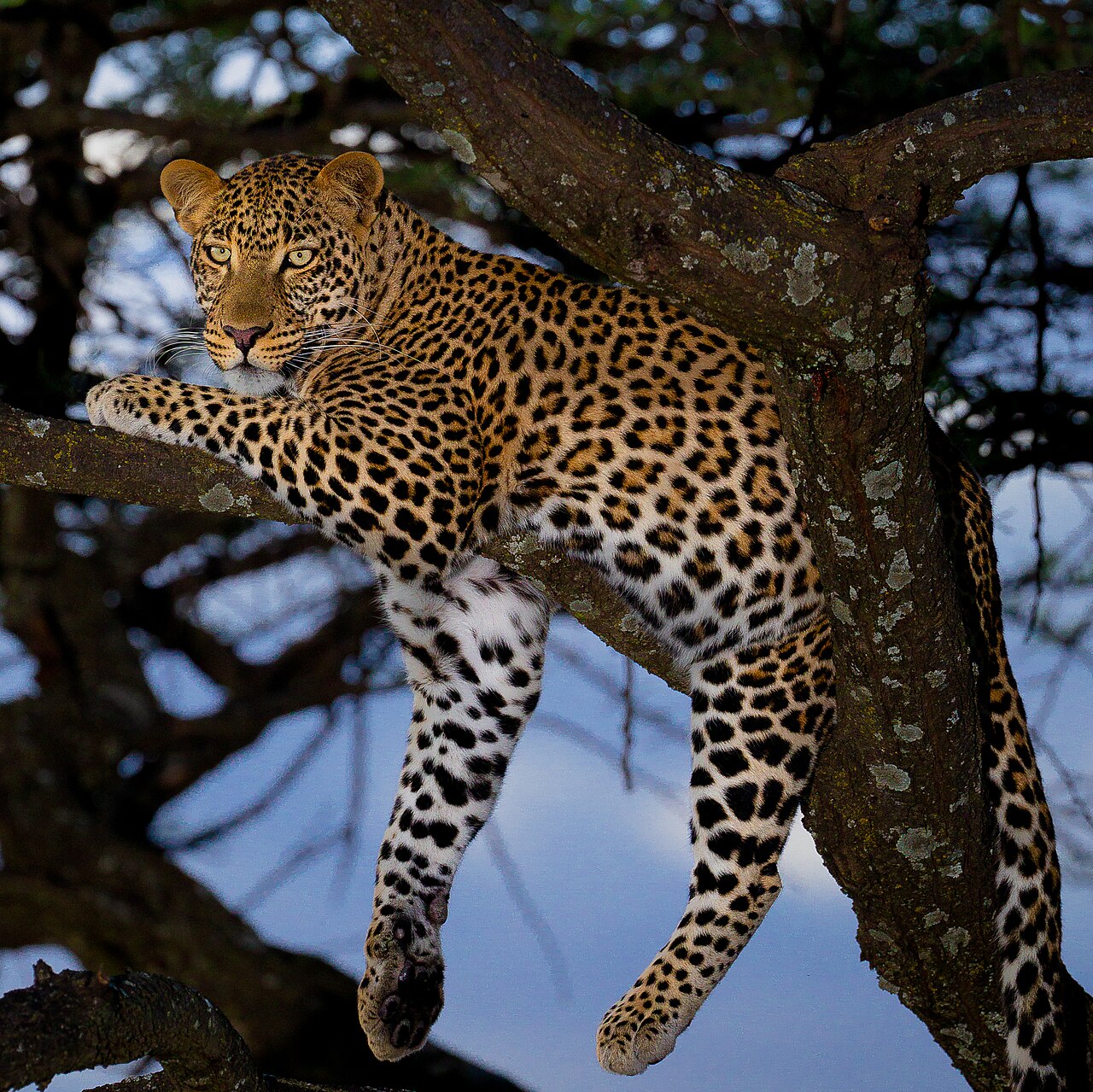
An extraordinarily athletic big cat known for its rosette-patterned coat, powerful climbing abilities, and stealthy hunting strategy.
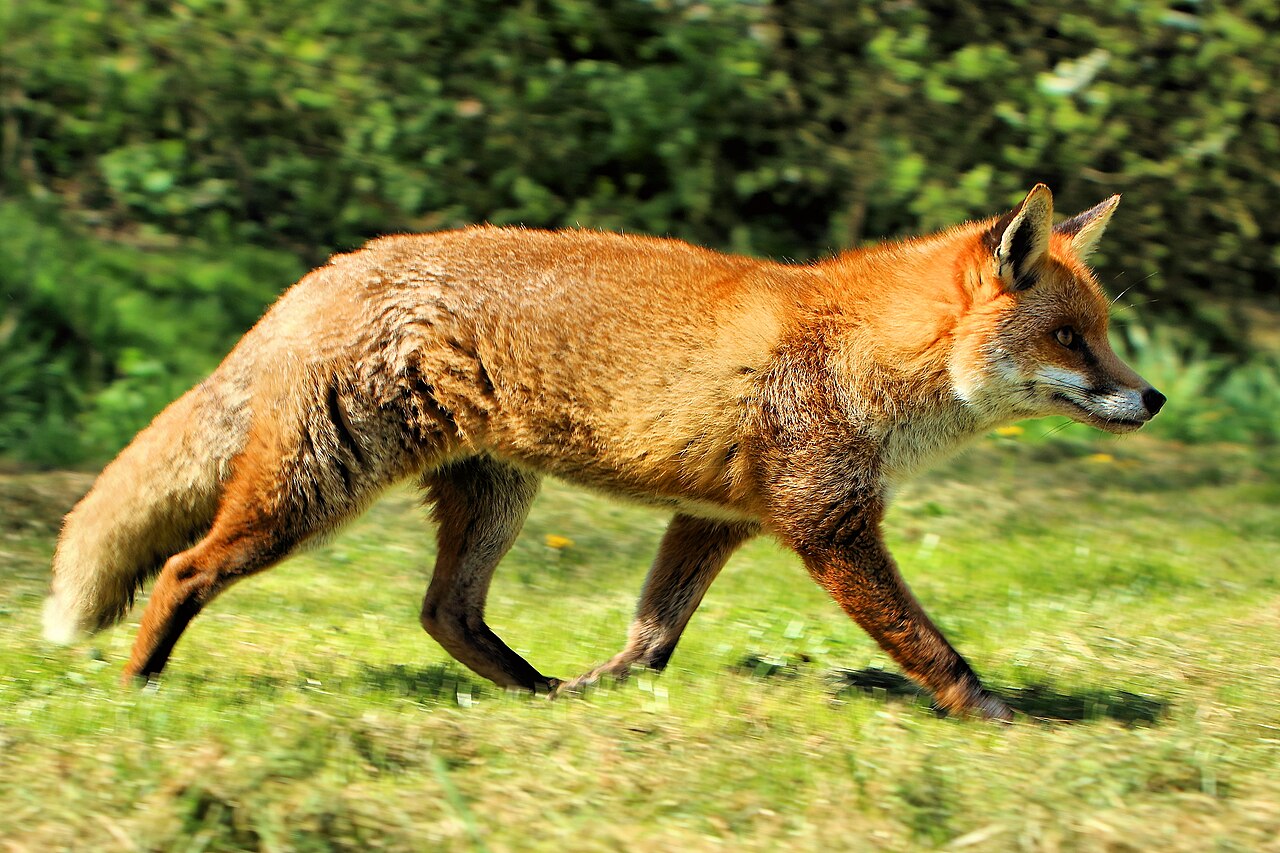
The most widespread wild canine on Earth, celebrated for its rusty-red coat, bushy white-tipped brush tail, slender muzzle, and high intelligence.
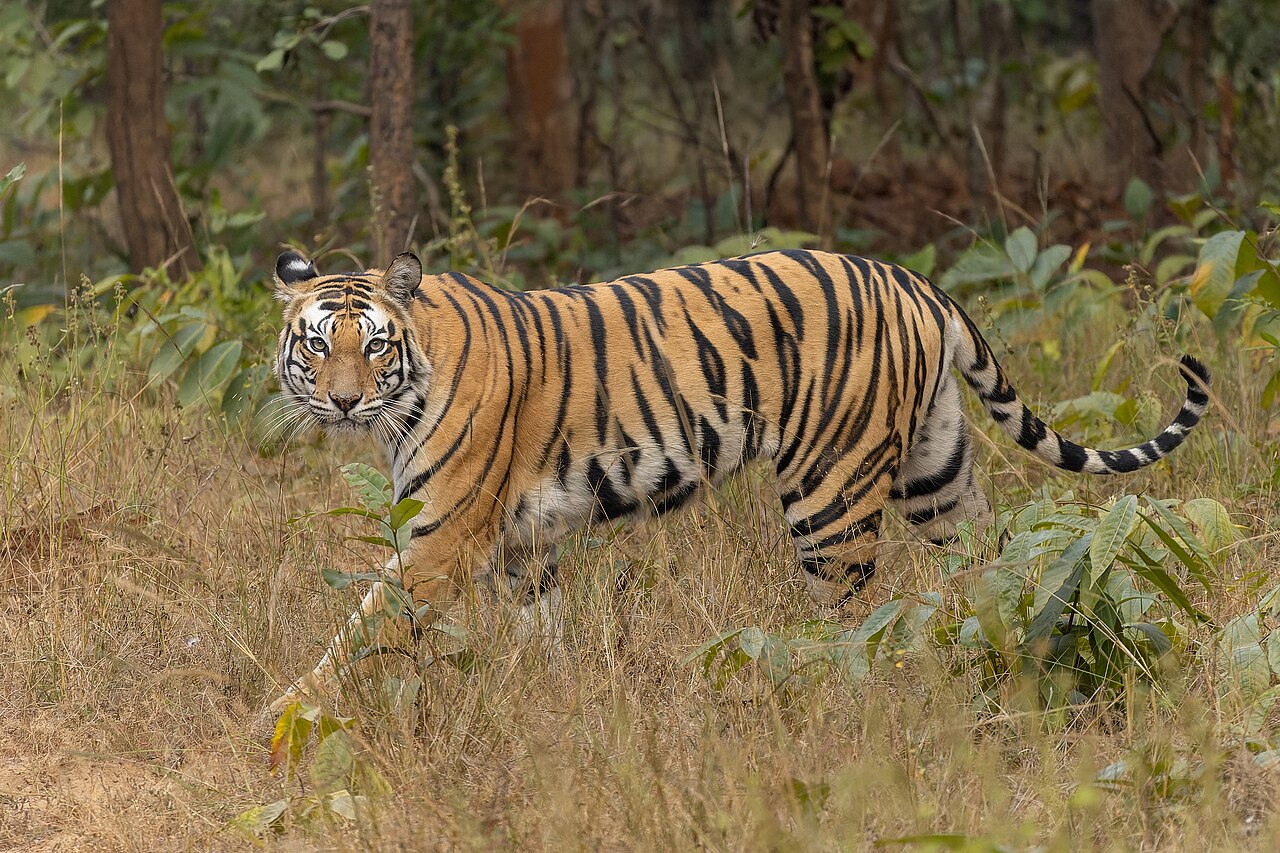
The Bengal Tiger is the largest wild cat in the world, renowned for its striking reddish-orange coat with dark vertical stripes and unmatched physical prowess.