Hoe je soortgelijke dieren uit elkaar kunt houden
Upload een foto om gerichte AI visuele identificatie tussen soorten uit te voeren, test uw veldkennis met interactieve quizzen en verken anatomievergelijkingen naast elkaar.
Butterfly versus Moth — Hoe je ze uit elkaar kunt houden
Belangrijke visuele verschillen, veldidentificatieregels, anatomische hotspots en paarsgewijze AI-analyse.
The easiest way to tell a butterfly from a moth is antenna shape and resting position: butterflies have slender antennae ending in round club knobs and rest with wings folded straight up over their back, whereas moths have feathery or comb-like antennae and rest with wings spread flat.
| Functie | 🦋 Butterfly | 🦋 Moth |
|---|---|---|
| Antennae Tip | Thin with round bulbous club knob | Feathery, comb-like, or thread-like |
| Wing Resting | Folded vertically upright over back | Draped flat or tent-like over body |
| Flight Schedule | Active during sunny daylight (diurnal) | Active under dark night skies (nocturnal) |
| Body Texture | Smooth, slender abdomen | Stout, furry body with heat scales |
| Cocoon Type | Smooth hard chrysalis | Silky spun cocoon woven with hair |
Welke is dit?Butterfly vs Moth
Een dier gespot op een foto of veldobservatie? Upload het hier, en de AI zal de exacte visuele eigenschappen ervan evalueren, specifiek tussen deze twee kandidaat-soorten!
Anatomische veldkenmerkenspotter
Klik op specifieke lichaamsdelen of markeringen hieronder om de anatomische contrastkenmerken naast elkaar te bekijken.
Butterfly
Antennae Tip EigenschapLong and thin with a round bulbous club knob at the tip.
Moth
Antennae Tip EigenschapFeathery, comb-like, or fuzzy without a tip knob.
Grootte en schaalvergelijking met menselijke benchmark
Bekijk hoe Butterfly en Moth zich meten in vergelijking met een gemiddeld mens (👤 1,8 m / 80 kg).
💡 Veld Opmerking: Moths outnumber butterflies 9 to 1!
💡 Veld Opmerking: Butterflies thrive in warm sunshine
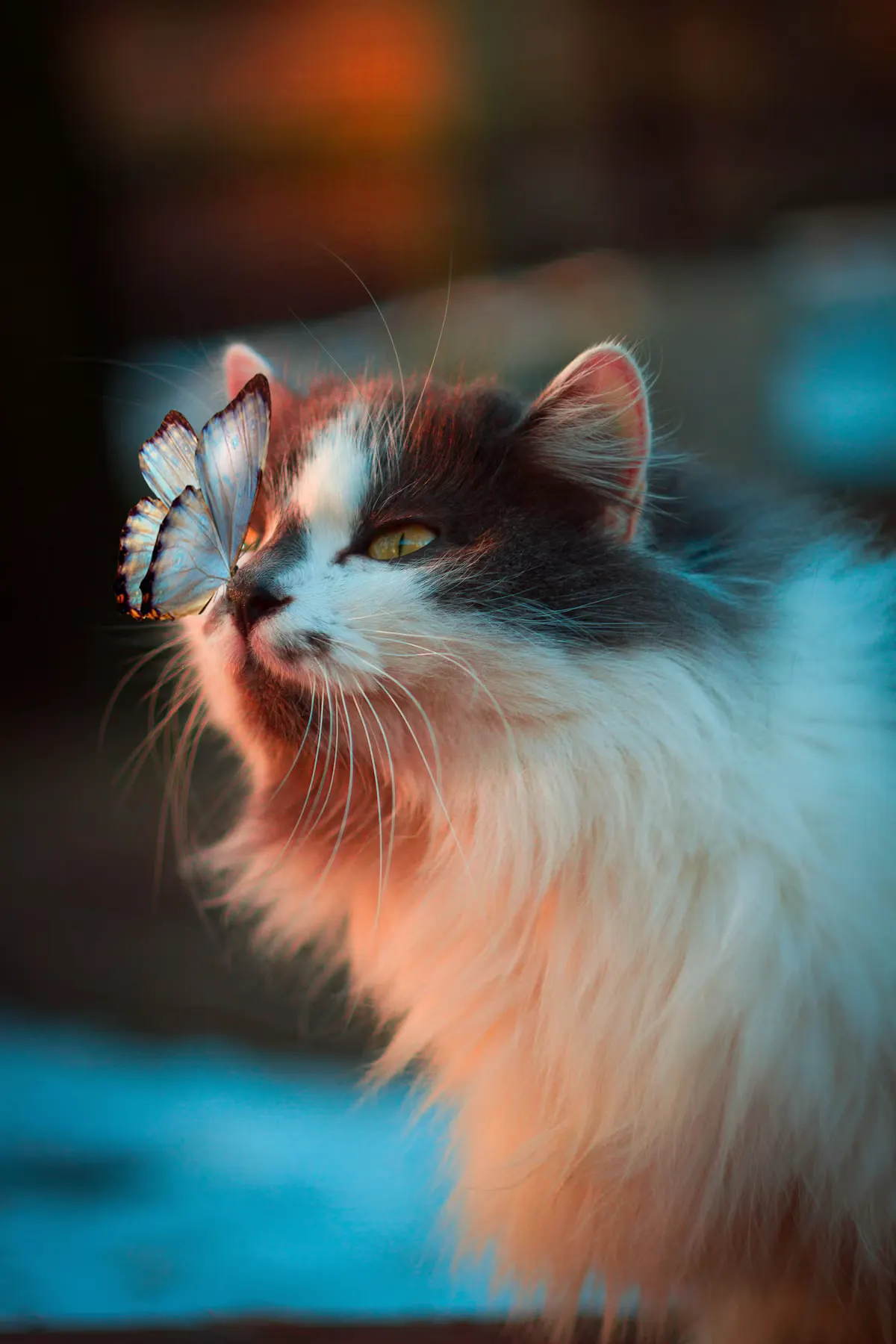
🦋Butterfly
Rhopalocera
- Thin antennae with clubbed ends
- Vibrant bright wing colors
- Rests with wings folded upright

🦋Moth
Heterocera
- Feathery or saw-toothed antennae
- Drab earth-tone wings (brown/grey)
- Stout fuzzy body
Kenmerkvergelijking
14-punts soortvergelijkingsmatrix
Gedetailleerde side-by-side taxonomie, anatomische afmetingen, habitat en gedragsanalyse.
| Biologische dimensie | 🦋 Butterfly | 🦋 Moth |
|---|---|---|
| Wingspan | 2 – 28 cm | 0.8 – 30 cm |
| Species Count | ~17,500 species worldwide | ~160,000 species worldwide |
| Antennae Shape | Slender with round bulbous club knobs | Feathery, comb-like, or thread-like |
| Wing Resting Position | Folded vertically upright over back | Spread flat or tented over body |
| Body Texture | Smooth, slender, lean abdomen | Stout, furry, covered in heat scales |
| Wing Coloration | Vibrant, bright iridescent hues | Muted browns, greys, earth tones |
| Active Flight Time | Diurnal (sunny daytime hours) | Nocturnal (under dark night skies) |
| Pupal Stage | Smooth exposed chrysalis hanging on twigs | Silky woven cocoon hidden in soil |
| Eye Structure | Apposition compound eyes (high resolution) | Superposition compound eyes (night vision) |
| Wing Coupling | Overlapping wing veins (no frenulum) | Bristled frenulum locks fore/hind wings |
| Habitat | Sunny gardens, meadows, open forests | Forests, fields, porch light fixtures at night |
| Diet | Flower nectar, tree sap, mineral mud | Nectar, rotting fruit, or non-feeding adult |
| Lifespan | 2 weeks – 9 months (Monarch migration) | 1 – 2 weeks (many adults lack mouthparts) |
| Conservation Status | Various (Monarch endangered) | Varies by species |
Waarom verwarren mensen Butterfly en Moth?
Oppervlakkige overeenkomsten misleiden waarnemers vaak. Dit is waarom ze op elkaar lijken en hoe je de valkuil kunt vermijden.
Oppervlakkige gedeelde eigenschappen
- Insects belonging to the order Lepidoptera with large scale-covered wings
- Complete metamorphosis life cycles (egg → caterpillar → chrysalis/cocoon → adult)
- Feed on flower nectar using coiled proboscis tongue tubes
Definitieve veldonderscheidingen
- Butterflies fly during the day in warm sunshine; Moths are predominantly nocturnal.
- Butterfly antennae end in distinct rounded bulbs/clubs; Moth antennae are feathery or thread-like.
- Butterflies rest with wings folded vertically straight up; Moths rest with wings spread flat or draped over their back.
Waar moet ik op letten in het wild?
Observeer de belangrijkste veldmarkeringen of gedragingen en selecteer overeenkomende kenmerken om een live diagnostische berekening uit te voeren.
Antennae Shape: Butterfly antennae are long and thin with a round knob at the tip; Moth antennae are feathery or comb-like.
Wing Resting Position: Butterflies hold their wings vertically over their back when resting; Moths hold wings flat against their body.
Activity Time: Butterflies are active during sunny days (diurnal); Moths are active at night (nocturnal).
Body Texture: Moths usually have stout, furry bodies; Butterflies have smooth, slender bodies.
Kun je ze uit elkaar houden?
Test je observatievaardigheden op belangrijke anatomische eigenschappen en verdien rangbadges!
"Which insect rests with its wings folded vertically upright over its back?"
Mysterieuze onthuller van dierenaanwijzingen🔎
Kunt u aan de hand van stapsgewijze veldaanwijzingen identificeren welke soort dit is? Raad eerder voor hogere punten!
Flies primarily under the cover of night (nocturnal) and is famously drawn toward porch lights and campfire glows.
Onthul fase 2 aanwijzing om de locatie, vachtmarkeringen of anatomische geheimen te lezen...
Onthul fase 3 aanwijzing om de locatie, vachtmarkeringen of anatomische geheimen te lezen...
Onthul fase 4 aanwijzing om de locatie, vachtmarkeringen of anatomische geheimen te lezen...
Klaar om te raden?
Selecteer welk kandidaatdier momenteel overeenkomt met deze veldaanwijzingen (100 punten):
Algemene identificatievragen
Why are moths drawn to artificial lights at night?
Moths navigate using a system called transverse orientation—keeping a natural light source like the moon at a constant angle. Artificial lights trick their navigation, causing them to spiral inward toward the light.
Do all moths fly only at night?
Not all! While ~90% of moths are nocturnal, there are diurnal day-flying moths (like the Hummingbird Hawk-Moth and Sunset Moth) that feature bright colors like butterflies.
How do butterfly caterpillars differ from moth caterpillars?
Moth caterpillars often have thick hairy bristles (like woolly bear caterpillars) or spin silk cocoons. Butterfly caterpillars are usually smoother, though some have fleshy spikes.
Vergelijking Leuk weetje:
Moths outnumber butterflies 9 to 1! There are roughly 160,000 species of moths compared to only 17,500 species of butterflies.
Heb je een dier gevonden en weet je nog steeds niet zeker welke soort het is?
Upload een foto zodat AI de exacte rozetten, snavelvorm, snuit of schubbenpatronen kan onderzoeken!