Hoe je soortgelijke dieren uit elkaar kunt houden
Upload een foto om gerichte AI visuele identificatie tussen soorten uit te voeren, test uw veldkennis met interactieve quizzen en verken anatomievergelijkingen naast elkaar.
Crocodile versus Alligator — Hoe je ze uit elkaar kunt houden
Belangrijke visuele verschillen, veldidentificatieregels, anatomische hotspots en paarsgewijze AI-analyse.
The fastest way to tell a crocodile from an alligator is by looking at the snout and teeth: crocodiles have a narrow, pointed V-shaped snout with a prominent 4th lower tooth visible when their mouth is shut, while alligators have a wide, rounded U-shaped snout with lower teeth hidden inside upper jaw sockets.
| Functie | 🐊 Crocodile | 🐊 Alligator |
|---|---|---|
| Snout Shape | Narrow V-shaped pointed snout | Broad U-shaped rounded snout |
| Tooth Exposure | 4th lower tooth sticks out when closed | Lower teeth hidden in upper jaw sockets |
| Skin Coloration | Lighter olive-green, tan, or bronze | Dark charcoal grey or solid black |
| Habitat & Water | Saltwater estuaries & ocean lagoons | Freshwater swamps, marshes & slow rivers |
| Temperament | Highly aggressive & opportunistic | More timid, generally avoids humans |
Welke is dit?Crocodile vs Alligator
Een dier gespot op een foto of veldobservatie? Upload het hier, en de AI zal de exacte visuele eigenschappen ervan evalueren, specifiek tussen deze twee kandidaat-soorten!
Anatomische veldkenmerkenspotter
Klik op specifieke lichaamsdelen of markeringen hieronder om de anatomische contrastkenmerken naast elkaar te bekijken.
Crocodile
Snout Shape EigenschapNarrow V-shaped pointed snout.
Alligator
Snout Shape EigenschapBroad, rounded U-shaped shovel-like snout.
Grootte en schaalvergelijking met menselijke benchmark
Bekijk hoe Crocodile en Alligator zich meten in vergelijking met een gemiddeld mens (👤 1,8 m / 80 kg).
💡 Veld Opmerking: Crocodiles reach much larger maximum sizes
💡 Veld Opmerking: Crocodile has specialized salt-excreting glands
💡 Veld Opmerking: Alligator can brumate with nose above ice
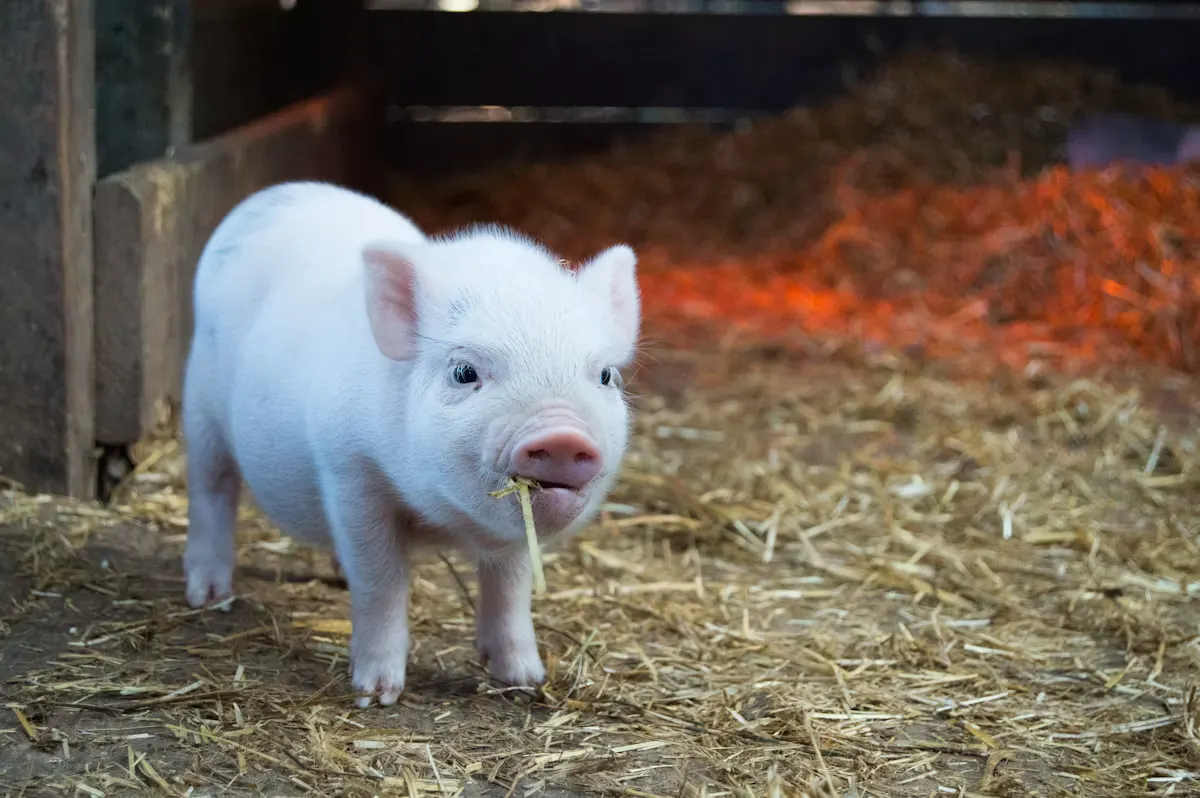
🐊Crocodile
Crocodylus acutus
- Narrow V-shaped snout
- Lower 4th tooth visible when mouth is closed
- Light olive/tan coloration
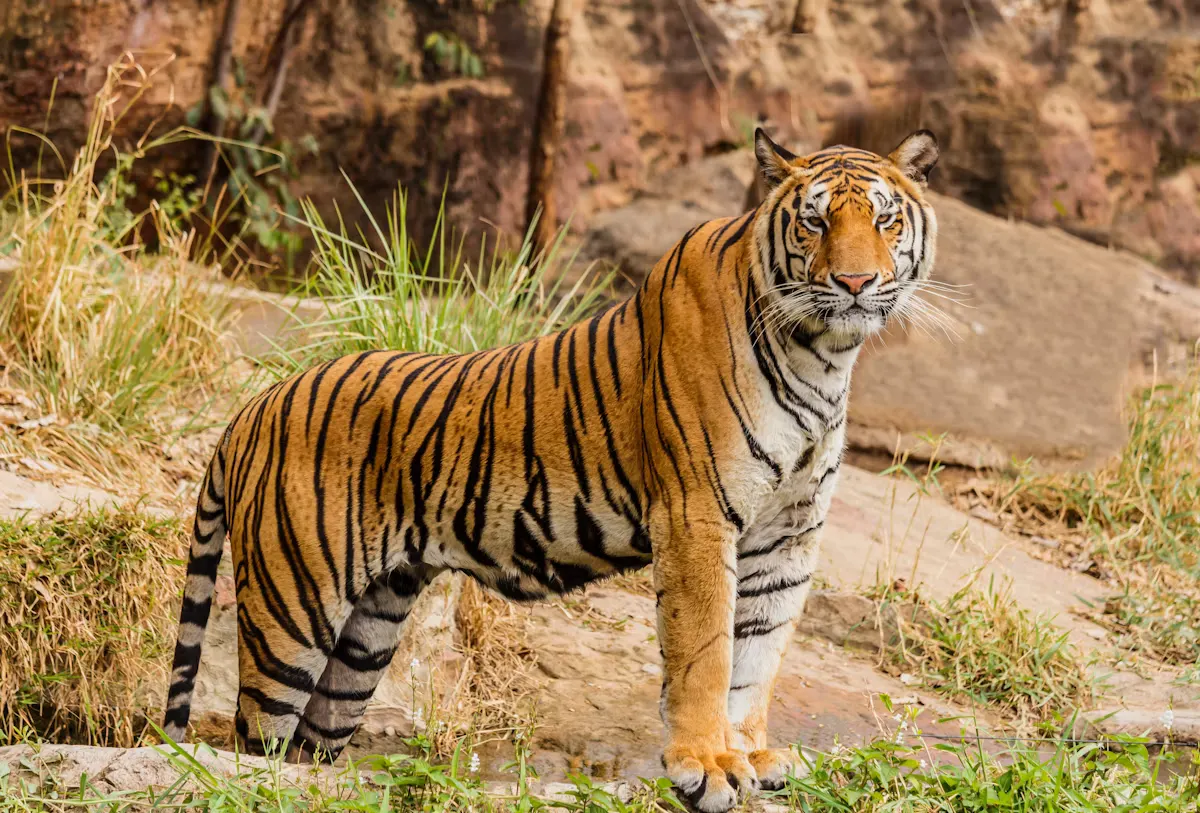
🐊Alligator
Alligator mississippiensis
- Wide U-shaped snout
- Lower teeth hidden when mouth is closed
- Dark blackish-grey color
Kenmerkvergelijking
14-punts soortvergelijkingsmatrix
Gedetailleerde side-by-side taxonomie, anatomische afmetingen, habitat en gedragsanalyse.
| Biologische dimensie | 🐊 Crocodile | 🐊 Alligator |
|---|---|---|
| Maximum Length | 3.5 – 6.0 meters (up to 20 ft) | 2.5 – 4.5 meters (up to 15 ft) |
| Weight | 200 – 1,000 kg | 150 – 450 kg |
| Snout Structure | Narrow V-shaped pointed snout | Broad U-shaped shovel snout |
| Skin Coloration | Light olive, tan, or greenish-brown | Dark charcoal grey or solid black |
| Lower Tooth Visibility | 4th tooth visibly points up when closed | All lower teeth hidden in upper jaw sockets |
| Salt Glands | Functional lingual salt glands (excretes salt) | Non-functional salt glands (freshwater only) |
| Sensory Pits | DPRs (pits) across whole body surface | DPRs located only around jaws and snout |
| Habitat | Brackish estuaries, coastal rivers, mangroves | Freshwater swamps, lakes, slow marshes |
| Geographic Range | Tropical Americas, Africa, Australia, Asia | Southeastern USA & Yangtze River (China) |
| Diet | Fish, mammals, water birds, sharks | Fish, turtles, birds, snakes, small mammals |
| Cold Tolerance | Low (strictly tropical climates) | High (survives freezing ice via brumation) |
| Behavior & Temperament | Extremely aggressive and unpredictable | Relatively docile unless provoked or guarding nest |
| Lifespan | 70 – 100 years | 30 – 50 years |
| Conservation Status | Vulnerable / Endangered (varies) | Least Concern |
Waarom verwarren mensen Crocodile en Alligator?
Oppervlakkige overeenkomsten misleiden waarnemers vaak. Dit is waarom ze op elkaar lijken en hoe je de valkuil kunt vermijden.
Oppervlakkige gedeelde eigenschappen
- Large crocodilian reptiles with armoured scutes and powerful tail-driven swimming
- Semiaquatic ambush predators with eyes and nostrils situated on top of their heads
- Devastating bite forces capable of holding onto large prey animals
Definitieve veldonderscheidingen
- Crocodiles have pointed V-snouts with exposed lower teeth; Alligators have round U-snouts with hidden lower teeth.
- Crocodiles possess functional lingual salt glands to survive in marine habitats; Alligators prefer freshwater.
- Alligators are dark grey/black to absorb heat, while crocodiles are lighter olive/tan.
Waar moet ik op letten in het wild?
Observeer de belangrijkste veldmarkeringen of gedragingen en selecteer overeenkomende kenmerken om een live diagnostische berekening uit te voeren.
Snout Shape: Alligators have a broad U-shaped snout (like a shovel); Crocodiles have a pointed V-shaped snout.
Tooth Exposure: When the mouth is closed, a Crocodile shows its prominent 4th lower tooth pointing up; Alligator teeth fit into upper jaw sockets.
Color: Alligators are dark grey or black; Crocodiles are lighter olive, tan, or greenish-brown.
Habitat: Alligators prefer freshwater lakes and swamps; Crocodiles have special salt glands enabling ocean/estuary life.
Kun je ze uit elkaar houden?
Test je observatievaardigheden op belangrijke anatomische eigenschappen en verdien rangbadges!
"Which reptile has a wide, rounded U-shaped snout designed for crushing turtle shells?"
Mysterieuze onthuller van dierenaanwijzingen🔎
Kunt u aan de hand van stapsgewijze veldaanwijzingen identificeren welke soort dit is? Raad eerder voor hogere punten!
Inhabits tropical estuaries, coastal mangrove lagoons, and saltwater rivers across Africa, Australia, Asia, and coastal Americas.
Onthul fase 2 aanwijzing om de locatie, vachtmarkeringen of anatomische geheimen te lezen...
Onthul fase 3 aanwijzing om de locatie, vachtmarkeringen of anatomische geheimen te lezen...
Onthul fase 4 aanwijzing om de locatie, vachtmarkeringen of anatomische geheimen te lezen...
Klaar om te raden?
Selecteer welk kandidaatdier momenteel overeenkomt met deze veldaanwijzingen (100 punten):
Algemene identificatievragen
Where in the world do alligators and crocodiles live together?
The Everglades in South Florida is the only place on Earth where native wild alligators and native wild crocodiles naturally coexist in the same ecosystem.
How can you tell if a crocodilian is an alligator or a crocodile with its mouth shut?
Look at its snout and teeth: if the snout is broad and U-shaped with no visible lower teeth, it is an alligator. If the snout is narrow and V-shaped with a large lower tooth sticking up on the side, it is a crocodile.
Which reptile is more dangerous to humans?
Crocodiles are significantly more aggressive and opportunistic toward humans than alligators. Species like the Nile crocodile and Saltwater crocodile account for hundreds of fatal attacks annually.
Vergelijking Leuk weetje:
South Florida (The Everglades) is the ONLY place on Earth where native wild alligators and native wild crocodiles coexist!
Heb je een dier gevonden en weet je nog steeds niet zeker welke soort het is?
Upload een foto zodat AI de exacte rozetten, snavelvorm, snuit of schubbenpatronen kan onderzoeken!