Como diferenciar animais semelhantes
Carregue uma foto para executar a identificação visual AI direcionada entre espécies, teste seu conhecimento de campo com questionários interativos e explore comparações anatômicas lado a lado.
Butterfly vs Moth - Como diferenciá-los
Principais diferenças visuais, regras de identificação de campo, pontos críticos anatômicos e análise AI pareada.
The easiest way to tell a butterfly from a moth is antenna shape and resting position: butterflies have slender antennae ending in round club knobs and rest with wings folded straight up over their back, whereas moths have feathery or comb-like antennae and rest with wings spread flat.
| Recurso | 🦋 Butterfly | 🦋 Moth |
|---|---|---|
| Antennae Tip | Thin with round bulbous club knob | Feathery, comb-like, or thread-like |
| Wing Resting | Folded vertically upright over back | Draped flat or tent-like over body |
| Flight Schedule | Active during sunny daylight (diurnal) | Active under dark night skies (nocturnal) |
| Body Texture | Smooth, slender abdomen | Stout, furry body with heat scales |
| Cocoon Type | Smooth hard chrysalis | Silky spun cocoon woven with hair |
Qual é esse?Butterfly vs Moth
Avistou um animal em uma foto ou observação de campo? Faça upload aqui e o AI avaliará suas características visuais exatas especificamente entre essas duas espécies candidatas!
Observador de características de campo anatômico
Clique em partes específicas do corpo ou marcações abaixo para inspecionar traços de contraste anatômicos lado a lado.
Butterfly
Antennae Tip CaracterísticaLong and thin with a round bulbous club knob at the tip.
Moth
Antennae Tip CaracterísticaFeathery, comb-like, or fuzzy without a tip knob.
Comparação de tamanho e escala com referência humana
Veja como Butterfly e Moth se comparam a um ser humano médio (👤 1,8m / 80kg).
💡 Nota de campo: Moths outnumber butterflies 9 to 1!
💡 Nota de campo: Butterflies thrive in warm sunshine
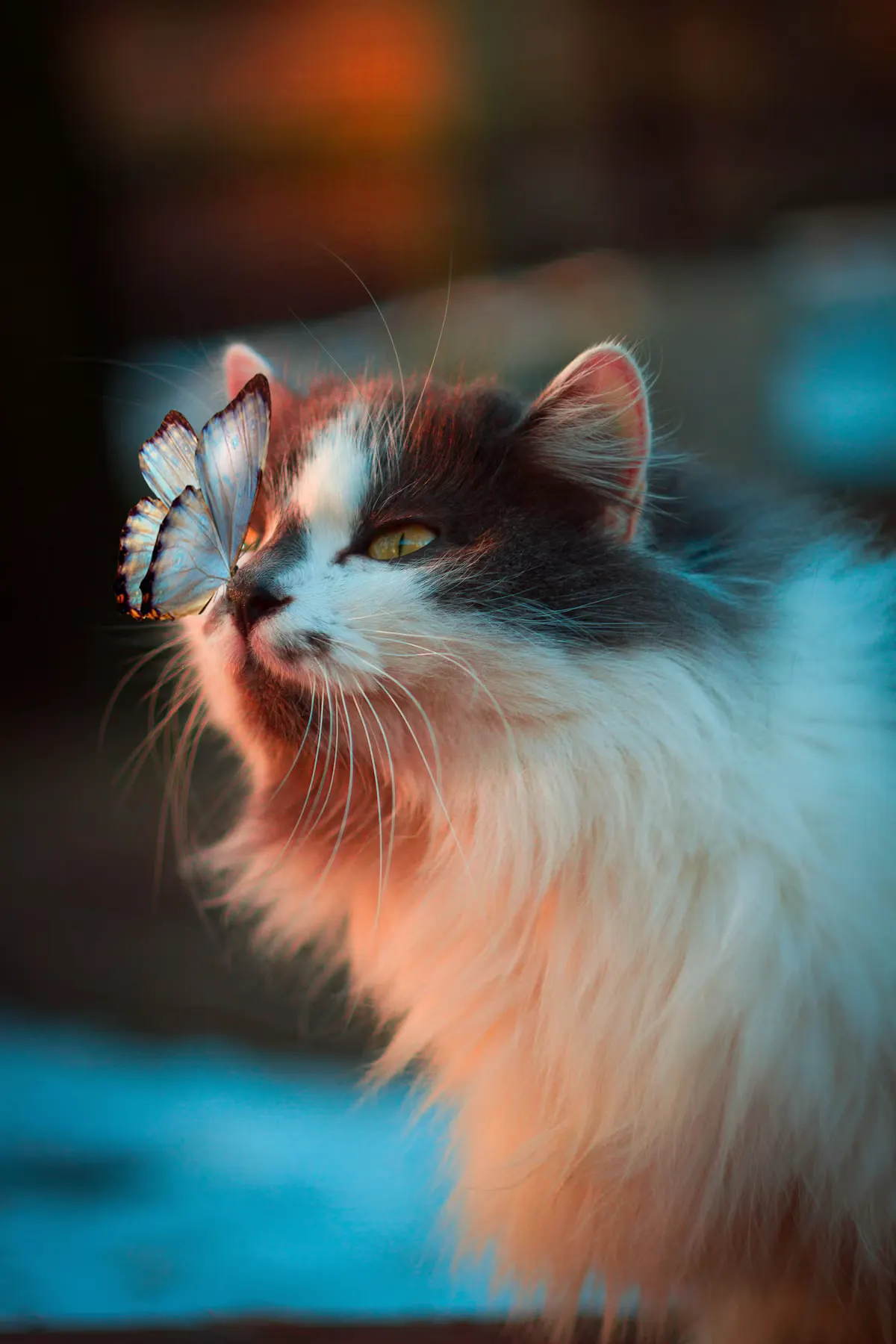
🦋Butterfly
Rhopalocera
- Thin antennae with clubbed ends
- Vibrant bright wing colors
- Rests with wings folded upright

🦋Moth
Heterocera
- Feathery or saw-toothed antennae
- Drab earth-tone wings (brown/grey)
- Stout fuzzy body
Comparação de atributos
Matriz de comparação de espécies de 14 pontos
Taxonomia detalhada lado a lado, dimensões anatômicas, habitat e análise comportamental.
| Dimensão Biológica | 🦋 Butterfly | 🦋 Moth |
|---|---|---|
| Wingspan | 2 – 28 cm | 0.8 – 30 cm |
| Species Count | ~17,500 species worldwide | ~160,000 species worldwide |
| Antennae Shape | Slender with round bulbous club knobs | Feathery, comb-like, or thread-like |
| Wing Resting Position | Folded vertically upright over back | Spread flat or tented over body |
| Body Texture | Smooth, slender, lean abdomen | Stout, furry, covered in heat scales |
| Wing Coloration | Vibrant, bright iridescent hues | Muted browns, greys, earth tones |
| Active Flight Time | Diurnal (sunny daytime hours) | Nocturnal (under dark night skies) |
| Pupal Stage | Smooth exposed chrysalis hanging on twigs | Silky woven cocoon hidden in soil |
| Eye Structure | Apposition compound eyes (high resolution) | Superposition compound eyes (night vision) |
| Wing Coupling | Overlapping wing veins (no frenulum) | Bristled frenulum locks fore/hind wings |
| Habitat | Sunny gardens, meadows, open forests | Forests, fields, porch light fixtures at night |
| Diet | Flower nectar, tree sap, mineral mud | Nectar, rotting fruit, or non-feeding adult |
| Lifespan | 2 weeks – 9 months (Monarch migration) | 1 – 2 weeks (many adults lack mouthparts) |
| Conservation Status | Various (Monarch endangered) | Varies by species |
Por que as pessoas confundem Butterfly e Moth?
Semelhanças superficiais muitas vezes enganam os observadores. Veja por que eles são parecidos e como evitar a armadilha.
Características Superficiais Compartilhadas
- Insects belonging to the order Lepidoptera with large scale-covered wings
- Complete metamorphosis life cycles (egg → caterpillar → chrysalis/cocoon → adult)
- Feed on flower nectar using coiled proboscis tongue tubes
Distinções de Campo Definitivas
- Butterflies fly during the day in warm sunshine; Moths are predominantly nocturnal.
- Butterfly antennae end in distinct rounded bulbs/clubs; Moth antennae are feathery or thread-like.
- Butterflies rest with wings folded vertically straight up; Moths rest with wings spread flat or draped over their back.
O que devo procurar na natureza?
Observe marcações ou comportamentos de campos-chave e selecione características correspondentes para executar um cálculo de diagnóstico ao vivo.
Antennae Shape: Butterfly antennae are long and thin with a round knob at the tip; Moth antennae are feathery or comb-like.
Wing Resting Position: Butterflies hold their wings vertically over their back when resting; Moths hold wings flat against their body.
Activity Time: Butterflies are active during sunny days (diurnal); Moths are active at night (nocturnal).
Body Texture: Moths usually have stout, furry bodies; Butterflies have smooth, slender bodies.
Você consegue diferenciá-los?
Teste suas habilidades de observação nas principais características anatômicas e ganhe distintivos de classificação!
"Which insect rests with its wings folded vertically upright over its back?"
Revelador de pistas de animais misteriosos🔎
Você consegue identificar de que espécie isso se trata com base em pistas de campo passo a passo? Adivinhe mais cedo para obter pontos mais altos!
Flies primarily under the cover of night (nocturnal) and is famously drawn toward porch lights and campfire glows.
Revelar pista do estágio 2 para ler localização, marcas de pelagem ou segredos anatômicos...
Revelar pista do estágio 3 para ler localização, marcas de pelagem ou segredos anatômicos...
Revelar pista do estágio 4 para ler localização, marcas de pelagem ou segredos anatômicos...
Pronto para adivinhar?
Selecione qual animal candidato corresponde a essas pistas de campo agora (100 pts):
Perguntas comuns de identificação
Why are moths drawn to artificial lights at night?
Moths navigate using a system called transverse orientation—keeping a natural light source like the moon at a constant angle. Artificial lights trick their navigation, causing them to spiral inward toward the light.
Do all moths fly only at night?
Not all! While ~90% of moths are nocturnal, there are diurnal day-flying moths (like the Hummingbird Hawk-Moth and Sunset Moth) that feature bright colors like butterflies.
How do butterfly caterpillars differ from moth caterpillars?
Moth caterpillars often have thick hairy bristles (like woolly bear caterpillars) or spin silk cocoons. Butterfly caterpillars are usually smoother, though some have fleshy spikes.
Curiosidade da comparação:
Moths outnumber butterflies 9 to 1! There are roughly 160,000 species of moths compared to only 17,500 species of butterflies.
Encontrou um animal e ainda não tem certeza de qual espécie é?
Carregue qualquer foto para permitir que AI examine suas rosetas exatas, formato de bico, focinho ou padrões de escala!