Como diferenciar animais semelhantes
Carregue uma foto para executar a identificação visual AI direcionada entre espécies, teste seu conhecimento de campo com questionários interativos e explore comparações anatômicas lado a lado.
Yak vs Himalayan Tahr - Como diferenciá-los
Principais diferenças visuais, regras de identificação de campo, pontos críticos anatômicos e análise AI pareada.
Huge shaggy ox of open highland pasture = yak. Smaller shaggy cliff climber = Himalayan tahr.
| Recurso | 🐂 Yak | 🐐 Himalayan Tahr |
|---|---|---|
| Size | Very large bovine | Medium goat-antelope |
| Coat | Long hanging double coat | Woolly; longer/shaggier in winter |
| Habitat | Open alpine pasture/plateau | Steep cliffs and meadows |
| Human use | Pack, milk, meat, wool | Wild (not livestock) |
| Feet | Bovine hooves | Rubber-like gripping pads |
Qual é esse?Yak vs Himalayan Tahr
Avistou um animal em uma foto ou observação de campo? Faça upload aqui e o AI avaliará suas características visuais exatas especificamente entre essas duas espécies candidatas!
Comparação de tamanho e escala com referência humana
Veja como Yak e Himalayan Tahr se comparam a um ser humano médio (👤 1,8m / 80kg).
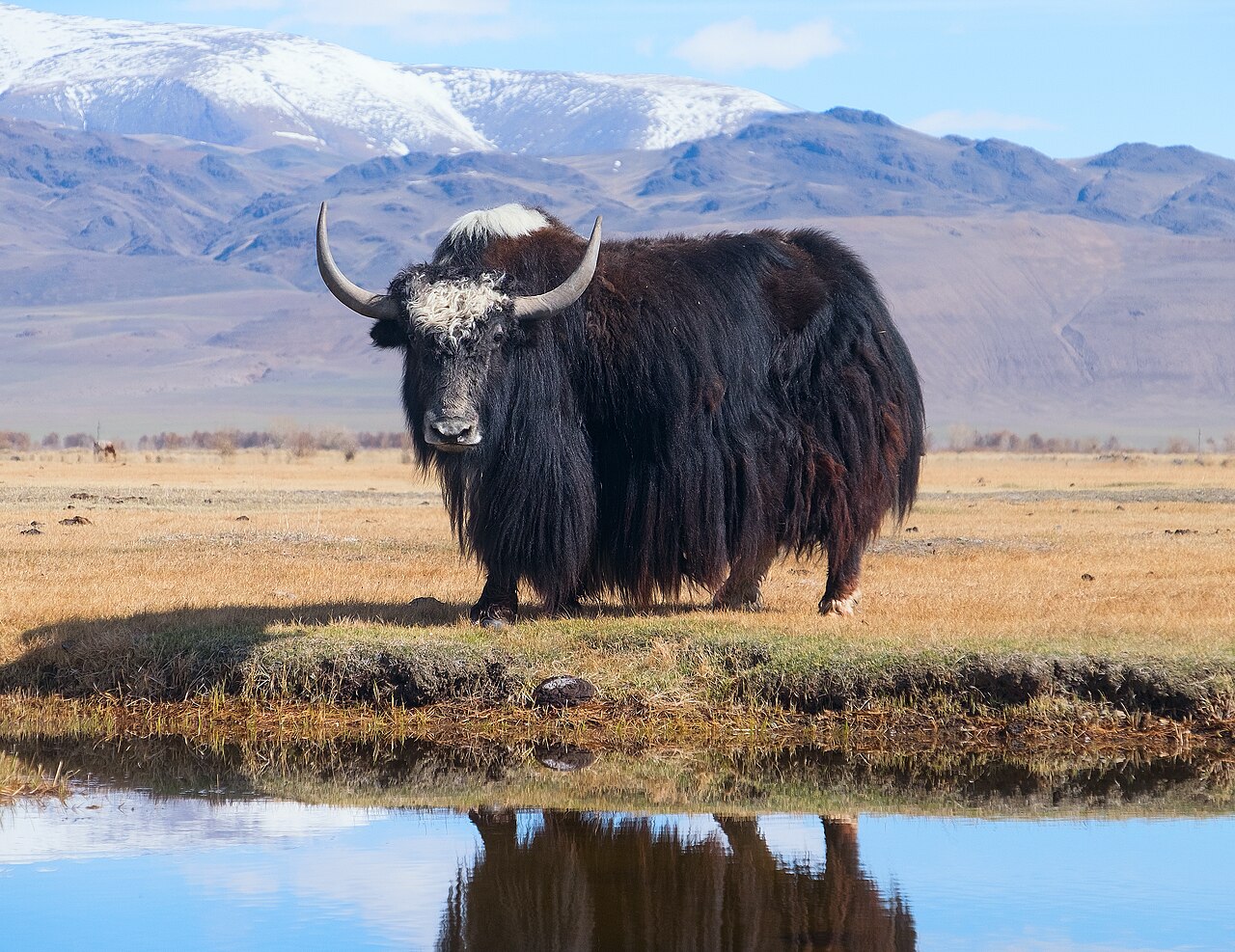
🐂Yak
Bos grunniens
- Massive shaggy double coat
- Dense underwool
- Pack/dairy livestock icon
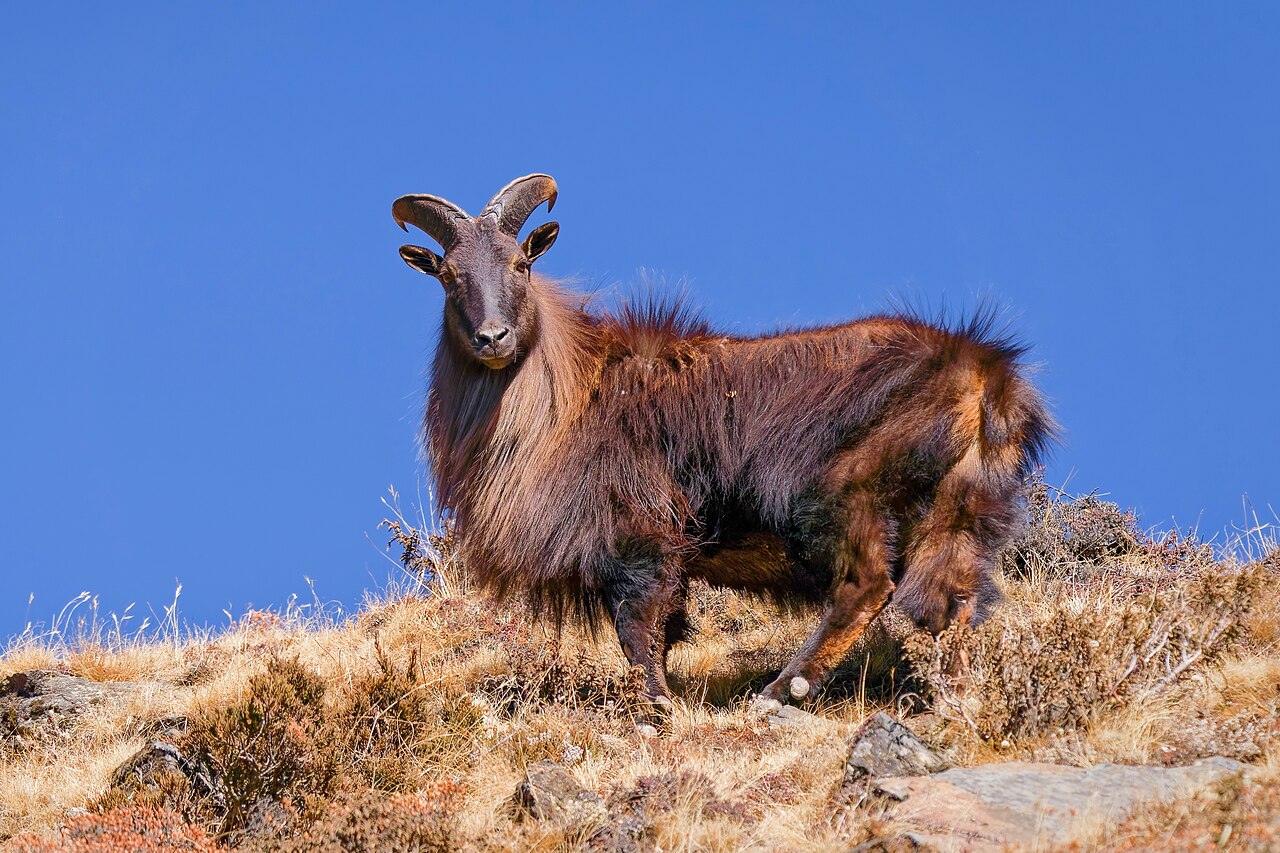
🐐Himalayan Tahr
Hemitragus jemlahicus
- Long shaggy winter coat
- Rubber-like hoof grip
- Wild goat-antelope
Matriz de comparação de espécies de 14 pontos
Taxonomia detalhada lado a lado, dimensões anatômicas, habitat e análise comportamental.
| Dimensão Biológica | 🐂 Yak | 🐐 Himalayan Tahr |
|---|---|---|
| Size (Length) | Large ox frame | ~90–140 cm body |
| Weight | Hundreds of kg | ~50–100 kg |
| Body Shape | Stocky bovine | Goat-antelope |
| Coat/Skin | Long hanging skirt hair | Woolly winter shag |
| Markings | Dark shaggy coat | Red-brown to dark |
| Head Shape | Broad ox head + horns | Shorter horns |
| Teeth/Jaw | Grazing bovine | Caprine browser/grazer |
| Tail | Long-haired bovine tail | Short ungulate tail |
| Habitat | Plateau pastures | Cliffs & meadows |
| Geographic Range | Tibetan Plateau/Himalaya | Himalayan ranges |
| Diet | Grasses/sedges | Grasses/herbs/shrubs |
| Behavior | Herd livestock/wild herds | Cliff climbing groups |
| Lifespan | ~15–20 years | ~10–15 years |
| Conservation Status | Vulnerable (wild focus) | Near Threatened |
Por que as pessoas confundem Yak e Himalayan Tahr?
Semelhanças superficiais muitas vezes enganam os observadores. Veja por que eles são parecidos e como evitar a armadilha.
Características Superficiais Compartilhadas
- Long insulating hair for Himalayan cold
- Herbivores of high mountains
- Iconic “roof of the world” fauna
Distinções de Campo Definitivas
- Yaks are cattle-like and much larger.
- Tahrs climb cliffs; yaks graze pastures.
- Yaks are primarily domestic/livestock icons; tahrs are wild.
O que devo procurar na natureza?
Observe marcações ou comportamentos de campos-chave e selecione características correspondentes para executar um cálculo de diagnóstico ao vivo.
Size first: yak is ox-huge; tahr is goat-antelope sized.
Terrain: open pasture/plateau favors yak; sheer cliffs favor tahr.
Coat shape: hanging skirt hair = yak; winter mane/shag on a climber = tahr.
Context: pack trains and herders = yak; wild cliff groups = tahr.
Você consegue diferenciá-los?
Teste suas habilidades de observação nas principais características anatômicas e ganhe distintivos de classificação!
"Which animal is famous as a Himalayan pack and dairy animal?"
Perguntas comuns de identificação
Which is used as a pack animal?
The yak — highland communities rely on yaks for transport, milk, meat, and wool.
Which is better on cliffs?
The Himalayan tahr — specialized hoof pads grip steep rock and ice.
Are both long-haired?
Yes — both grow insulating coats for alpine cold; yak hair hangs in a heavy skirt, while tahrs become especially shaggy in winter.
Curiosidade da comparação:
Yaks and tahrs both wear “long hair armor” against Himalayan cold — but one is a highland ox of people and pastures, the other a wild cliff acrobat.
Encontrou um animal e ainda não tem certeza de qual espécie é?
Carregue qualquer foto para permitir que AI examine suas rosetas exatas, formato de bico, focinho ou padrões de escala!