Как отличить похожих животных друг от друга
Загрузите фотографию, чтобы провести целенаправленную визуальную идентификацию видов AI, проверьте свои полевые знания с помощью интерактивных тестов и изучите параллельные сравнения анатомии.
Butterfly против Moth — как их отличить
Ключевые визуальные различия, правила идентификации полей, анатомические «горячие точки» и парный анализ AI.
The easiest way to tell a butterfly from a moth is antenna shape and resting position: butterflies have slender antennae ending in round club knobs and rest with wings folded straight up over their back, whereas moths have feathery or comb-like antennae and rest with wings spread flat.
| Особенность | 🦋 Butterfly | 🦋 Moth |
|---|---|---|
| Antennae Tip | Thin with round bulbous club knob | Feathery, comb-like, or thread-like |
| Wing Resting | Folded vertically upright over back | Draped flat or tent-like over body |
| Flight Schedule | Active during sunny daylight (diurnal) | Active under dark night skies (nocturnal) |
| Body Texture | Smooth, slender abdomen | Stout, furry body with heat scales |
| Cocoon Type | Smooth hard chrysalis | Silky spun cocoon woven with hair |
Который это?Butterfly vs Moth
Заметили животное на фотографии или полевых наблюдениях? Загрузите его сюда, и AI оценит точные визуальные характеристики этих двух видов-кандидатов!
Анатомический полевой наблюдатель
Нажмите на определенные части тела или отметины ниже, чтобы просмотреть расположенные рядом анатомические контрастные черты.
Butterfly
Antennae Tip ЧертаLong and thin with a round bulbous club knob at the tip.
Moth
Antennae Tip ЧертаFeathery, comb-like, or fuzzy without a tip knob.
Сравнение размеров и масштабов с человеческими показателями
Посмотрите, как Butterfly и Moth соответствуют среднестатистическому человеку (👤 1,8 м / 80 кг).
💡 Примечание к полю: Moths outnumber butterflies 9 to 1!
💡 Примечание к полю: Butterflies thrive in warm sunshine
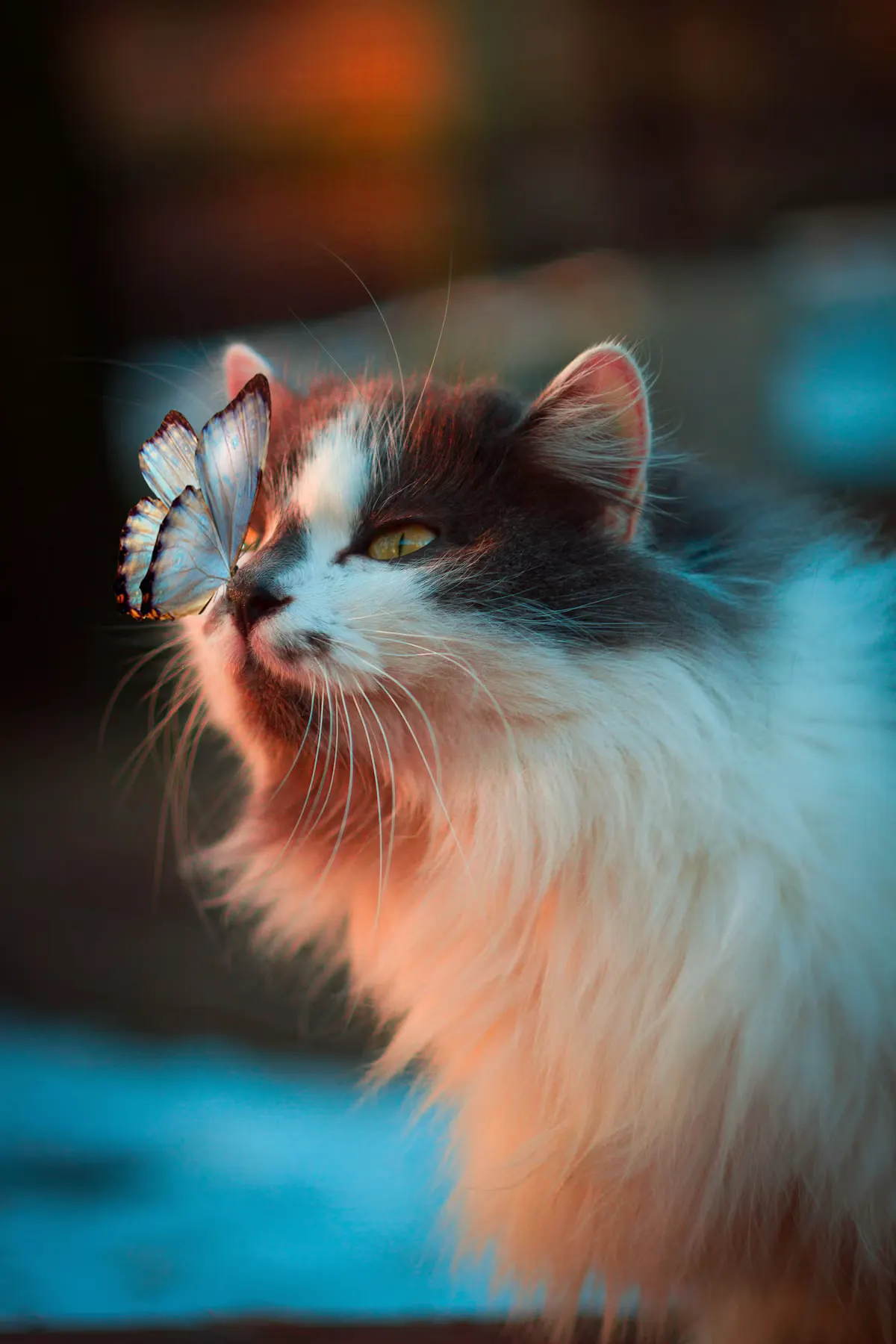
🦋Butterfly
Rhopalocera
- Thin antennae with clubbed ends
- Vibrant bright wing colors
- Rests with wings folded upright

🦋Moth
Heterocera
- Feathery or saw-toothed antennae
- Drab earth-tone wings (brown/grey)
- Stout fuzzy body
Сравнение атрибутов
14-точечная матрица сравнения видов
Подробная таксономия, анатомические размеры, среда обитания и поведенческая структура.
| Биологическое измерение | 🦋 Butterfly | 🦋 Moth |
|---|---|---|
| Wingspan | 2 – 28 cm | 0.8 – 30 cm |
| Species Count | ~17,500 species worldwide | ~160,000 species worldwide |
| Antennae Shape | Slender with round bulbous club knobs | Feathery, comb-like, or thread-like |
| Wing Resting Position | Folded vertically upright over back | Spread flat or tented over body |
| Body Texture | Smooth, slender, lean abdomen | Stout, furry, covered in heat scales |
| Wing Coloration | Vibrant, bright iridescent hues | Muted browns, greys, earth tones |
| Active Flight Time | Diurnal (sunny daytime hours) | Nocturnal (under dark night skies) |
| Pupal Stage | Smooth exposed chrysalis hanging on twigs | Silky woven cocoon hidden in soil |
| Eye Structure | Apposition compound eyes (high resolution) | Superposition compound eyes (night vision) |
| Wing Coupling | Overlapping wing veins (no frenulum) | Bristled frenulum locks fore/hind wings |
| Habitat | Sunny gardens, meadows, open forests | Forests, fields, porch light fixtures at night |
| Diet | Flower nectar, tree sap, mineral mud | Nectar, rotting fruit, or non-feeding adult |
| Lifespan | 2 weeks – 9 months (Monarch migration) | 1 – 2 weeks (many adults lack mouthparts) |
| Conservation Status | Various (Monarch endangered) | Varies by species |
Почему люди путают Butterfly и Moth?
Поверхностное сходство часто обманывает наблюдателей. Вот почему они похожи друг на друга и как избежать ловушки.
Поверхностные общие черты
- Insects belonging to the order Lepidoptera with large scale-covered wings
- Complete metamorphosis life cycles (egg → caterpillar → chrysalis/cocoon → adult)
- Feed on flower nectar using coiled proboscis tongue tubes
Определенные полевые различия
- Butterflies fly during the day in warm sunshine; Moths are predominantly nocturnal.
- Butterfly antennae end in distinct rounded bulbs/clubs; Moth antennae are feathery or thread-like.
- Butterflies rest with wings folded vertically straight up; Moths rest with wings spread flat or draped over their back.
Что мне следует искать в дикой природе?
Наблюдайте за маркировкой ключевых полей или поведением и выбирайте соответствующие характеристики, чтобы запустить диагностический расчет в реальном времени.
Antennae Shape: Butterfly antennae are long and thin with a round knob at the tip; Moth antennae are feathery or comb-like.
Wing Resting Position: Butterflies hold their wings vertically over their back when resting; Moths hold wings flat against their body.
Activity Time: Butterflies are active during sunny days (diurnal); Moths are active at night (nocturnal).
Body Texture: Moths usually have stout, furry bodies; Butterflies have smooth, slender bodies.
Сможешь ли ты отличить их друг от друга?
Проверьте свою наблюдательность по ключевым анатомическим особенностям и получите значки званий!
"Which insect rests with its wings folded vertically upright over its back?"
Раскрыватель загадочных животных🔎
Можете ли вы определить, к какому виду относится этот вид, по пошаговым подсказкам? Угадайте раньше, чтобы получить более высокие баллы!
Flies primarily under the cover of night (nocturnal) and is famously drawn toward porch lights and campfire glows.
Раскройте подсказку этапа 2, чтобы прочитать местоположение, отметины на шерсти или анатомические секреты...
Раскройте подсказку этапа 3, чтобы прочитать местоположение, отметины на шерсти или анатомические секреты...
Раскройте подсказку этапа 4, чтобы прочитать местоположение, отметины на шерсти или анатомические секреты...
Готовы угадать?
Выберите, какое животное-кандидат соответствует этим подсказкам прямо сейчас (100 баллов):
Общие вопросы по идентификации
Why are moths drawn to artificial lights at night?
Moths navigate using a system called transverse orientation—keeping a natural light source like the moon at a constant angle. Artificial lights trick their navigation, causing them to spiral inward toward the light.
Do all moths fly only at night?
Not all! While ~90% of moths are nocturnal, there are diurnal day-flying moths (like the Hummingbird Hawk-Moth and Sunset Moth) that feature bright colors like butterflies.
How do butterfly caterpillars differ from moth caterpillars?
Moth caterpillars often have thick hairy bristles (like woolly bear caterpillars) or spin silk cocoons. Butterfly caterpillars are usually smoother, though some have fleshy spikes.
Интересный факт о сравнении:
Moths outnumber butterflies 9 to 1! There are roughly 160,000 species of moths compared to only 17,500 species of butterflies.
Нашли животное, но до сих пор не знаете, какого оно вида?
Загрузите любую фотографию, чтобы AI рассмотрел ее точные розетки, форму клюва, морду или рисунок чешуи!