Animal ID
🐘
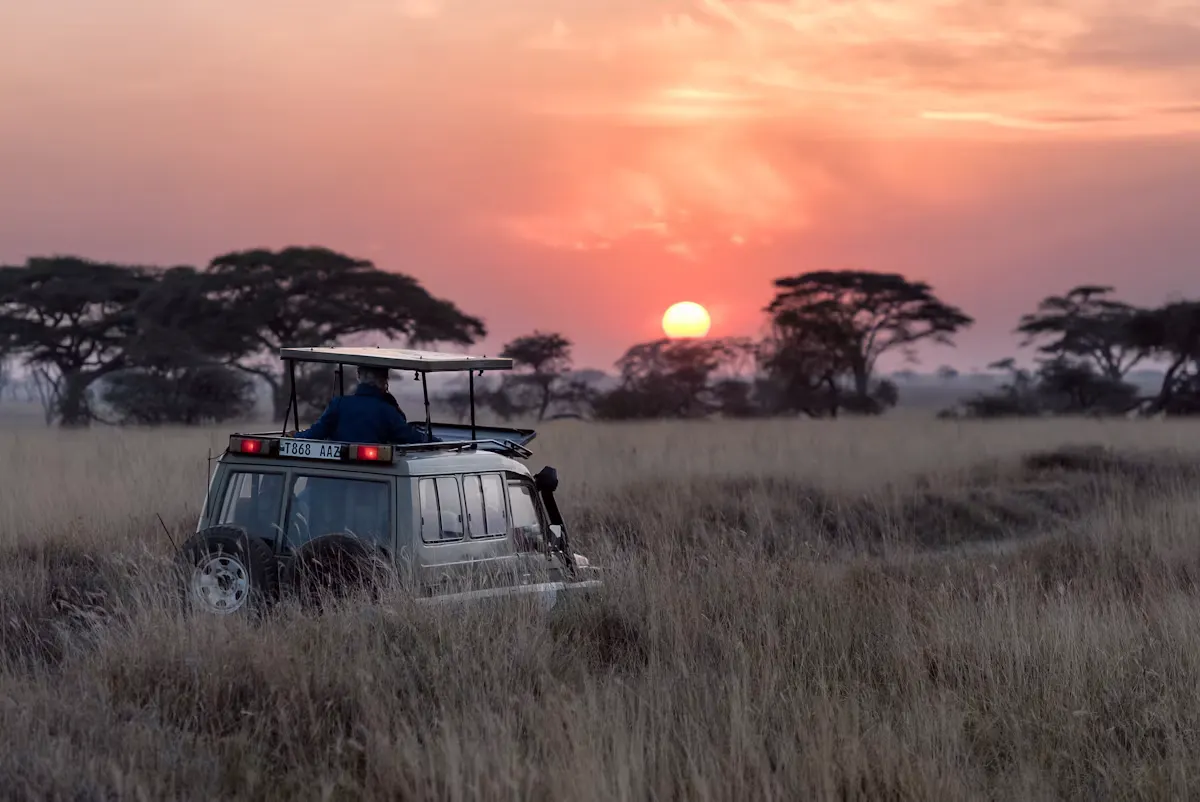
African Savanna & Serengeti
🐘Savanna & GrasslandAfrica
Biodiversity Index: 96/100
What Animals Live in the African Savanna?

African Savanna & Serengeti

The vast acacia plains and golden grasslands staging the world's greatest terrestrial mammal migration.

Temperature Range

20°C to 35°C (68°F - 95°F)

Annual Precipitation

500 to 1,200 mm (20 - 47 in) annually

Humidity & Seasonality

Distinct wet season followed by extreme prolonged dry drought

Countries & Territories

Tanzania, Kenya, Botswana, South Africa, Namibia, Zimbabwe, Zambia

Ecological Profile

Ecosystem Structure & Biodiversity

The African Savanna is a dynamic rolling ecosystem shaped by fire, rain, and mega-herbivores. Large herds of ungulates continuously graze the grasses, maintaining an open park-like canopy of umbrella acacia trees that supports the planet's densest concentration of apex carnivores.

Key Wildlife Facts:
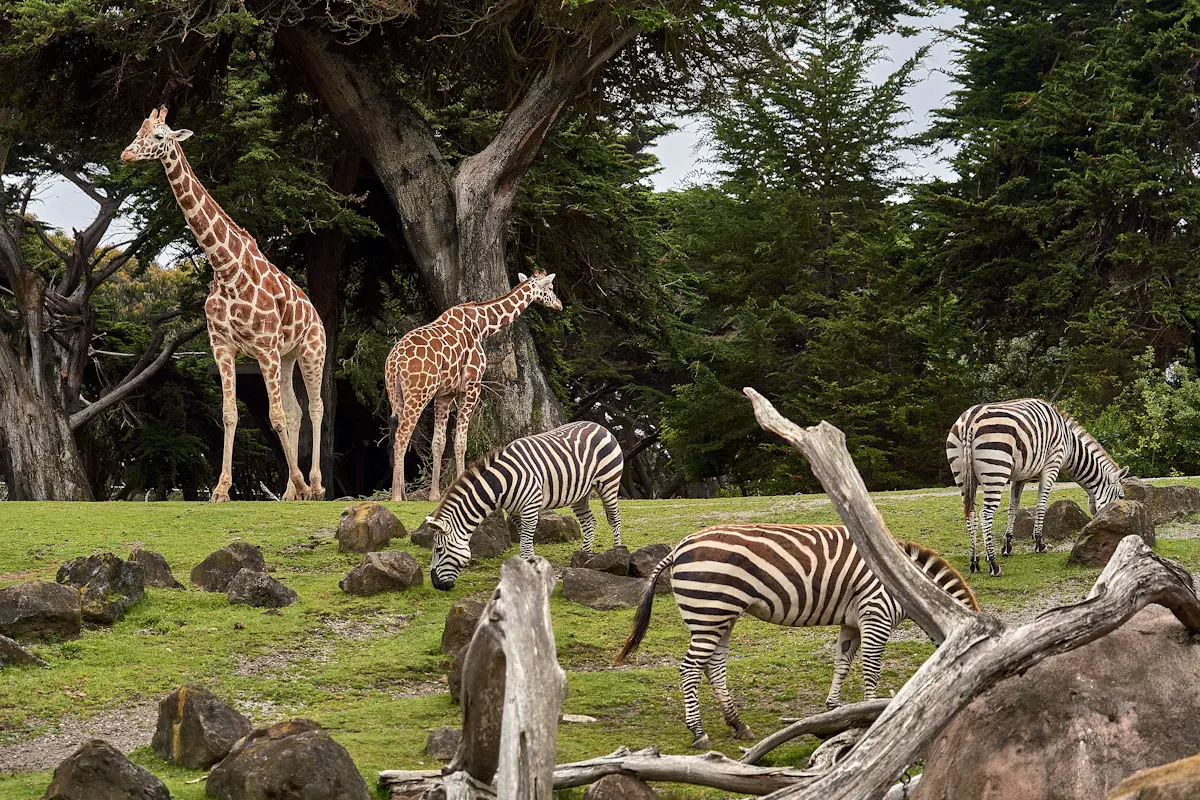
  • Over 1.5 million wildebeest, 200,000 zebras, and 300,000 gazelles migrate in the Great Serengeti loop every year.
  • Elephants can communicate across 10 kilometers using low-frequency seismic infrasound detected by feet nerve endings.
  • Savanna fires trigger seed germination for numerous indigenous acacia and grass species.
Apex Predators

Rulers of the Food Chain

African LionNile CrocodileSpotted HyenaCheetahAfrican Leopard
Threats & Conservation

Habitat fragmentation blocking ancient migration routes, human-wildlife conflict along pastoral borders, and targeted poaching for ivory and horn.

Wildlife Inhabiting African Savanna & Serengeti

Browse profiled species, adaptations, canopy layers, and conservation status
🐾
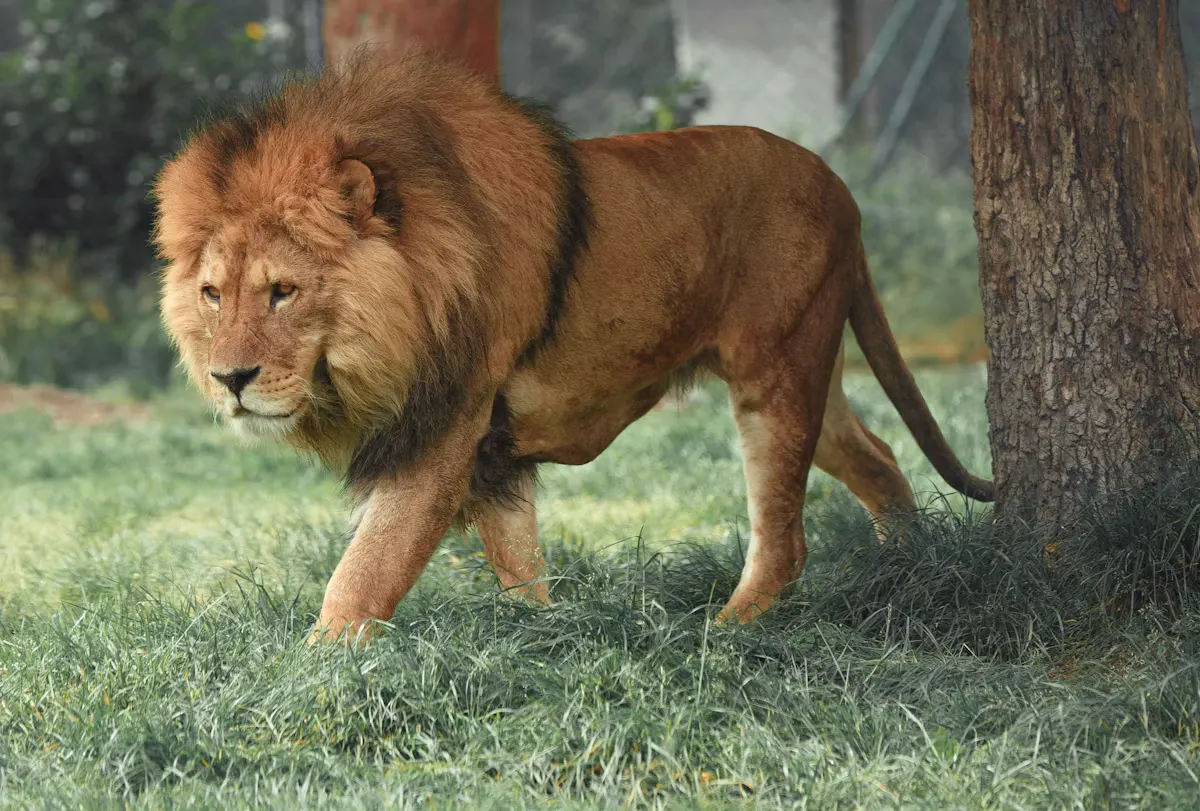
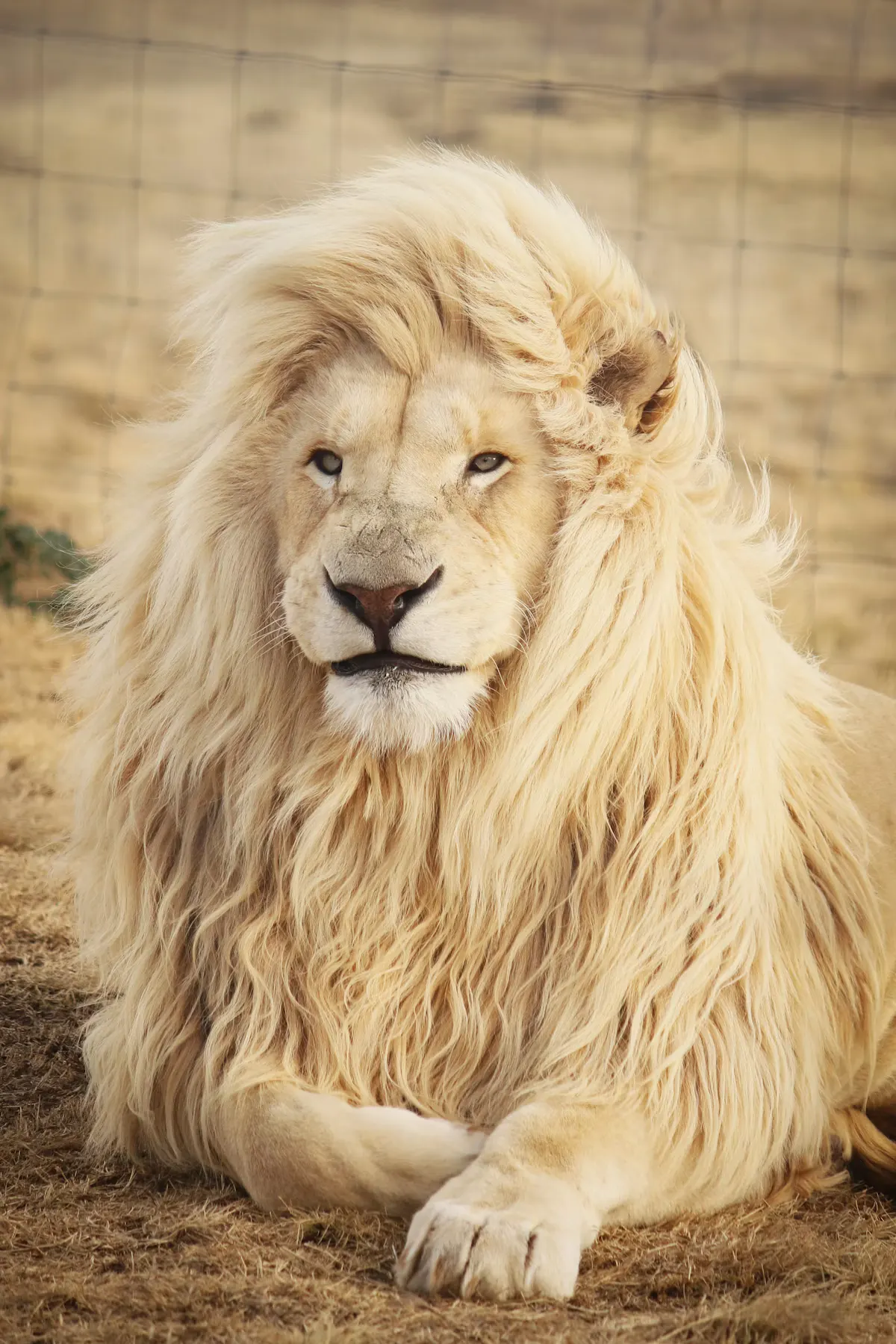
African Lion
Apex PredatorVulnerable

African Lion

Panthera leo

Habitat Stratum: Forest FloorCrepuscular
Key Evolutionary Adaptation: Complex cooperative pride hunting tactics and acoustic roars carrying 8 km to coordinate savanna territory.
🐾
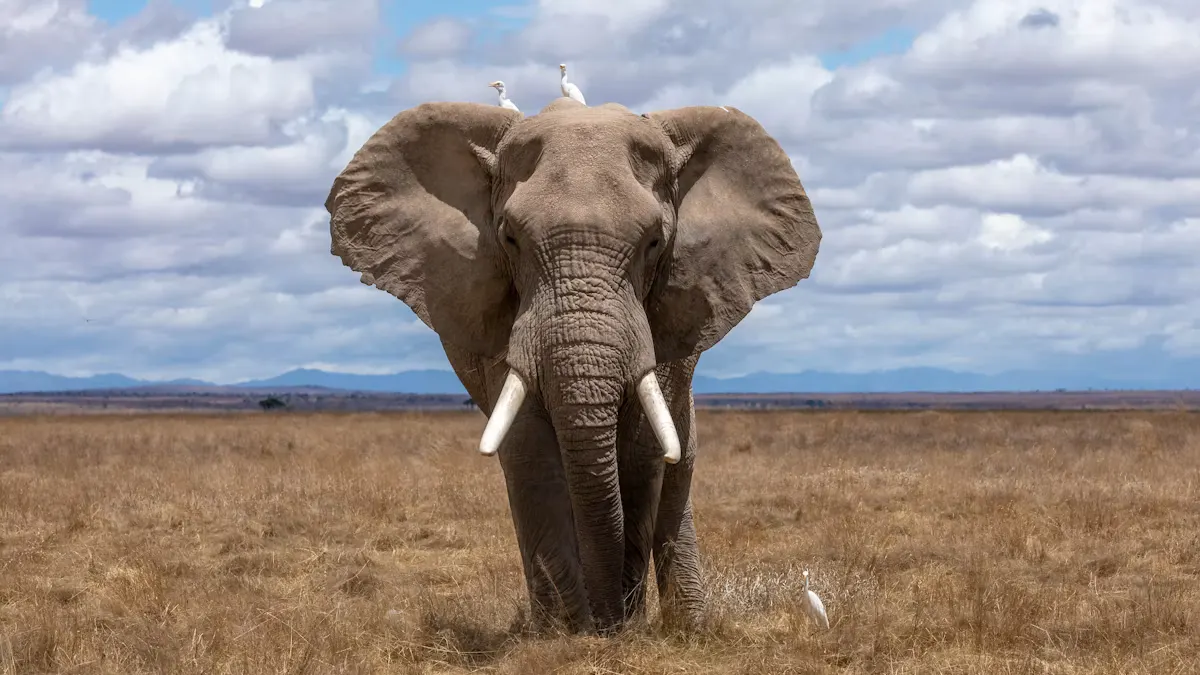
African Bush Elephant
Keystone SpeciesEndangered

African Bush Elephant

Loxodonta africana
Habitat Stratum: Forest FloorCathemeral
Key Evolutionary Adaptation: Ecosystem engineers: uproot trees to maintain open grasslands and excavate dry riverbeds for subsurface water.
🐾
Cheetah
Apex PredatorVulnerable

Cheetah

Acinonyx jubatus

Habitat Stratum: Forest FloorDiurnal
Key Evolutionary Adaptation: Flexible spine, semi-retractable gripping claws, and black tear marks reducing savanna sun glare during 112 km/h sprints.
🐾
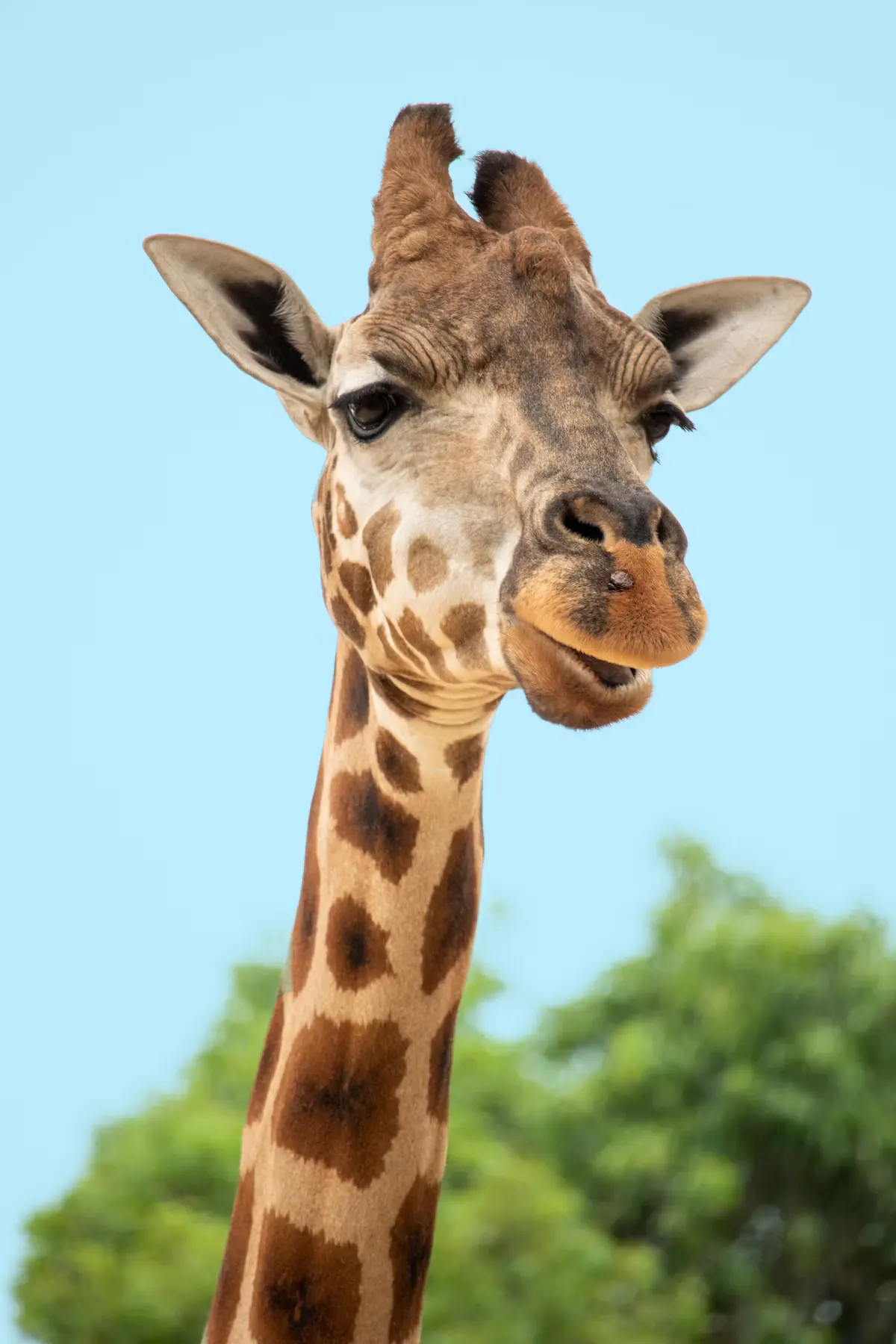
Giraffe
HerbivoreVulnerable

Giraffe

Giraffa camelopardalis

Habitat Stratum: CanopyDiurnal
Key Evolutionary Adaptation: 45 cm prehensile blue-black tongue and high-pressure cardiovascular valves to feed on thorny acacia canopies.
Endemic Wildlife Summary
🐾
Spotted Hyena
Apex PredatorLeast Concern

Spotted Hyena

Crocuta crocuta

Habitat Stratum: Forest FloorNocturnal
Key Evolutionary Adaptation: Bone-crushing premolars and highly acidic stomach lining capable of digesting dense marrow, horns, and skin.
Endemic Wildlife Summary
🐾
Ostrich
Common NativeLeast Concern

Ostrich

Struthio camelus

Habitat Stratum: Forest FloorDiurnal
Key Evolutionary Adaptation: Largest living bird; runs up to 70 km/h with two-toed feet equipped with forward-facing defensive daggers.
Endemic Wildlife Summary
🐾
Secretarybird
Apex PredatorEndangered

Secretarybird

Sagittarius serpentarius

Habitat Stratum: Forest FloorDiurnal
Key Evolutionary Adaptation: Crane-like elongated legs delivering a rapid stomping force of 195 Newtons to crush venomous snakes in grass.
Endemic Wildlife Summary
🐾
Marabou Stork
Indicator SpeciesLeast Concern

Marabou Stork

Leptoptilos crumenifer

Habitat Stratum: AirDiurnal
Key Evolutionary Adaptation: Massive bill and bare featherless neck allowing deep carcass scavenging without fouling plumage.
Endemic Wildlife Summary
🐾
Black Mamba
Apex PredatorLeast Concern

Black Mamba

Dendroaspis polylepis

Habitat Stratum: Forest FloorDiurnal
Key Evolutionary Adaptation: Fastest land snake (16 km/h) with potent neurotoxic dendrotoxin that disables respiratory systems rapidly.
Endemic Wildlife Summary
🐾
Nile Crocodile
Apex PredatorLeast Concern

Nile Crocodile

Crocodylus niloticus

Habitat Stratum: River/AquaticCathemeral
Key Evolutionary Adaptation: Can hold breath for up to 2 hours in river crossings waiting to execute the high-torque death roll on migrating herds.
🐾
Leopard Tortoise
HerbivoreLeast Concern

Leopard Tortoise

Stigmochelys pardalis

Habitat Stratum: Forest FloorDiurnal
Key Evolutionary Adaptation: High domed carapace providing thermal inertia against scorching savanna noon sun while foraging dry grasses.
Endemic Wildlife Summary
🐾
African Bullfrog
Indicator SpeciesLeast Concern

African Bullfrog

Pyxicephalus adspersus
Habitat Stratum: BurrowingNocturnal
Key Evolutionary Adaptation: Undergoes estivation buried underground inside a water-impermeable skin cocoon for years until rains trigger breeding.
Endemic Wildlife Summary
🐾
African Tigerfish
Apex PredatorLeast Concern

African Tigerfish

Hydrocynus vittatus

Habitat Stratum: River/AquaticDiurnal
Key Evolutionary Adaptation: Large interlocking dagger teeth and muscular tail capable of leaping out of rivers to snatch swallows in flight.
Endemic Wildlife Summary
🐾
Savanna Dung Beetle
Keystone SpeciesLeast Concern

Savanna Dung Beetle

Scarabaeus sacer

Habitat Stratum: Forest FloorDiurnal
Key Evolutionary Adaptation: Navigates using polarized moonlight and the Milky Way to roll nutrient balls away from predators in straight lines.
Endemic Wildlife Summary
🐾
African Driver Ant (Siafu)
Apex PredatorLeast Concern

African Driver Ant (Siafu)

Dorylus molestus

Habitat Stratum: Forest FloorCathemeral
Key Evolutionary Adaptation: Columns of 20 million blind nomadic ants clearing everything in their path with surgical jaw grip.
Endemic Wildlife Summary
Regional Wildlife Matchups

Related Animal Comparisons

Compare similar looking predators or ecological counterparts living in or around African Savanna & Serengeti:

Field Comparison

Cheetah vs Leopard

Compare →
Field Comparison

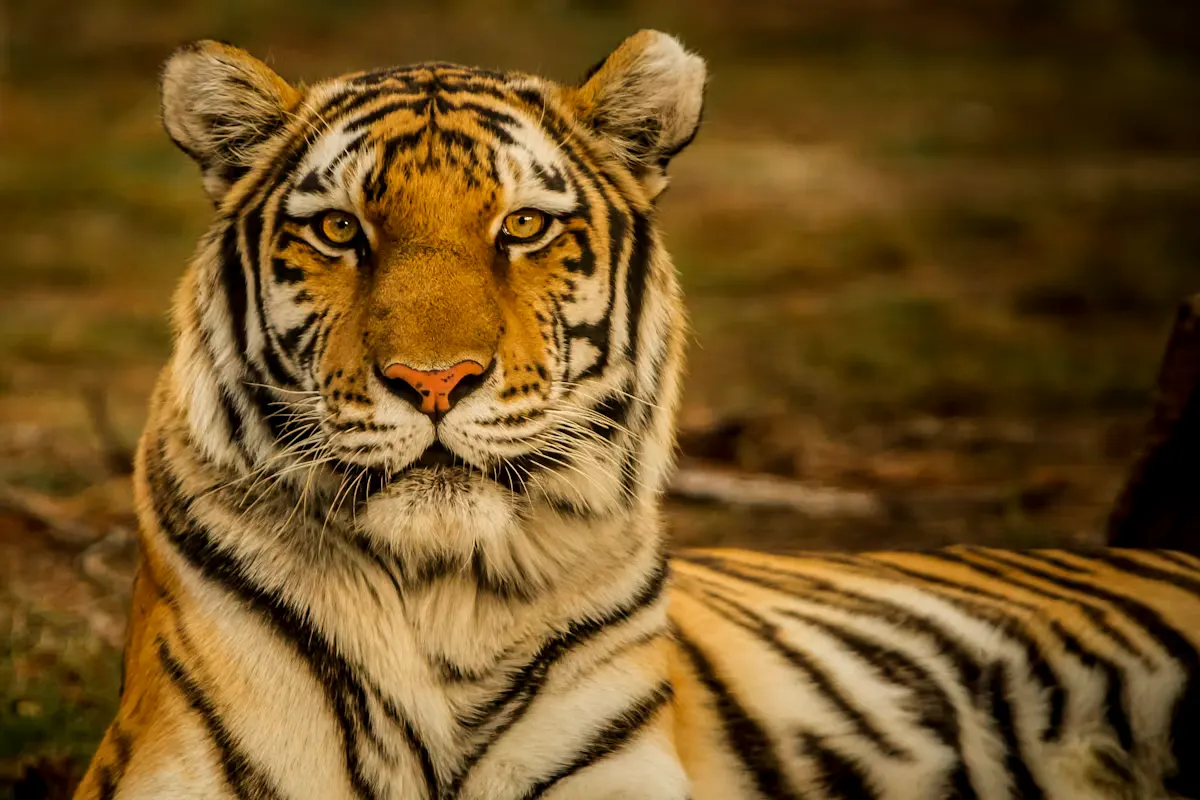
Lion vs Tiger

Compare →
Explore Other High-Biodiversity Ecosystems:
African Savanna & Serengeti Animals — Species & Wildlife Guide | AnimalIDFinder