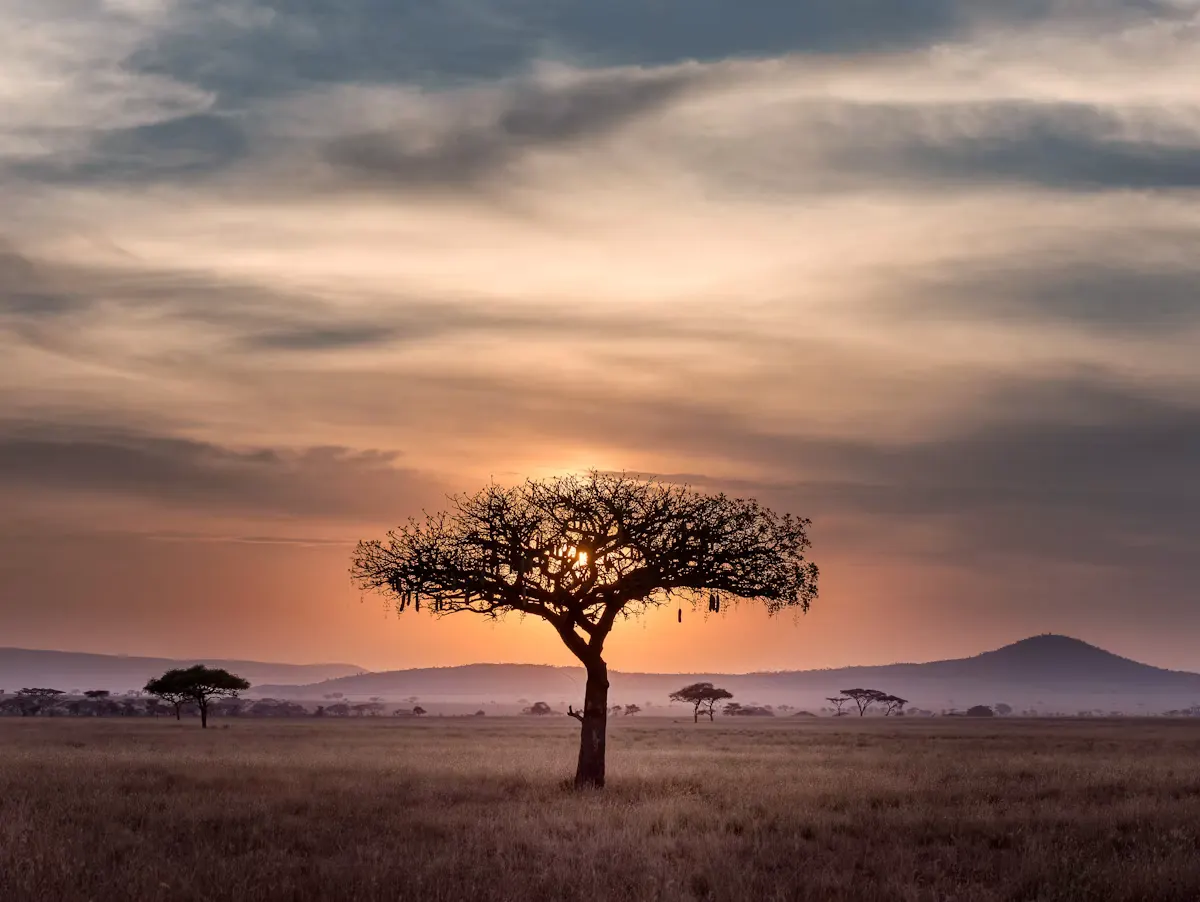
Amazon Rainforest
Earth's grandest tropical biosphere spanning 9 South American nations and housing 1 in 10 known species.
24°C to 30°C (75°F - 86°F)
2,000 to 3,000 mm (79 - 118 in) annually
Continuous warm humidity with wet/flooding seasons
Brazil, Peru, Colombia, Ecuador, Bolivia, Venezuela, Guyana, Suriname, French Guiana
Ecosystem Structure & Biodiversity
The Amazon River basin represents the largest drainage system in the world. Its dense, multi-tiered canopy structure creates distinct vertical ecological strata—from emergent trees 200 feet high down to dark, nutrient-cycling forest floors and extensive flooded igapó forests.
- ✓The Amazon produces 20% of the world’s river discharge into global oceans.
- ✓Over 2.5 million insect species inhabit the Amazon canopy alone.
- ✓More than 80% of the world's food varieties originated in tropical rainforests like the Amazon.
Rulers of the Food Chain
Deforestation for agriculture and cattle ranching, illegal gold mining run-off (mercury pollution), and intensifying climate-driven droughts threaten critical migratory corridors.
Wildlife Inhabiting Amazon Rainforest
Browse profiled species, adaptations, canopy layers, and conservation status
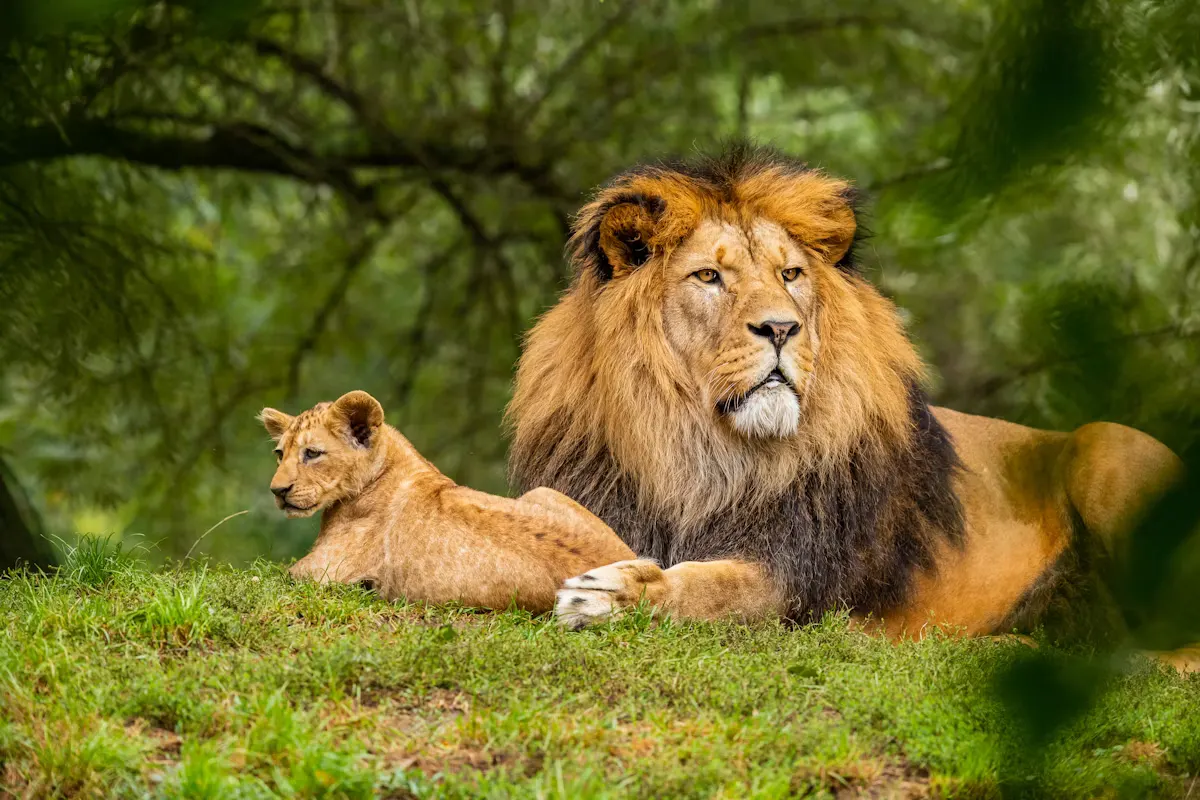
Jaguar
Panthera onca

Capybara
Hydrochoerus hydrochaeris
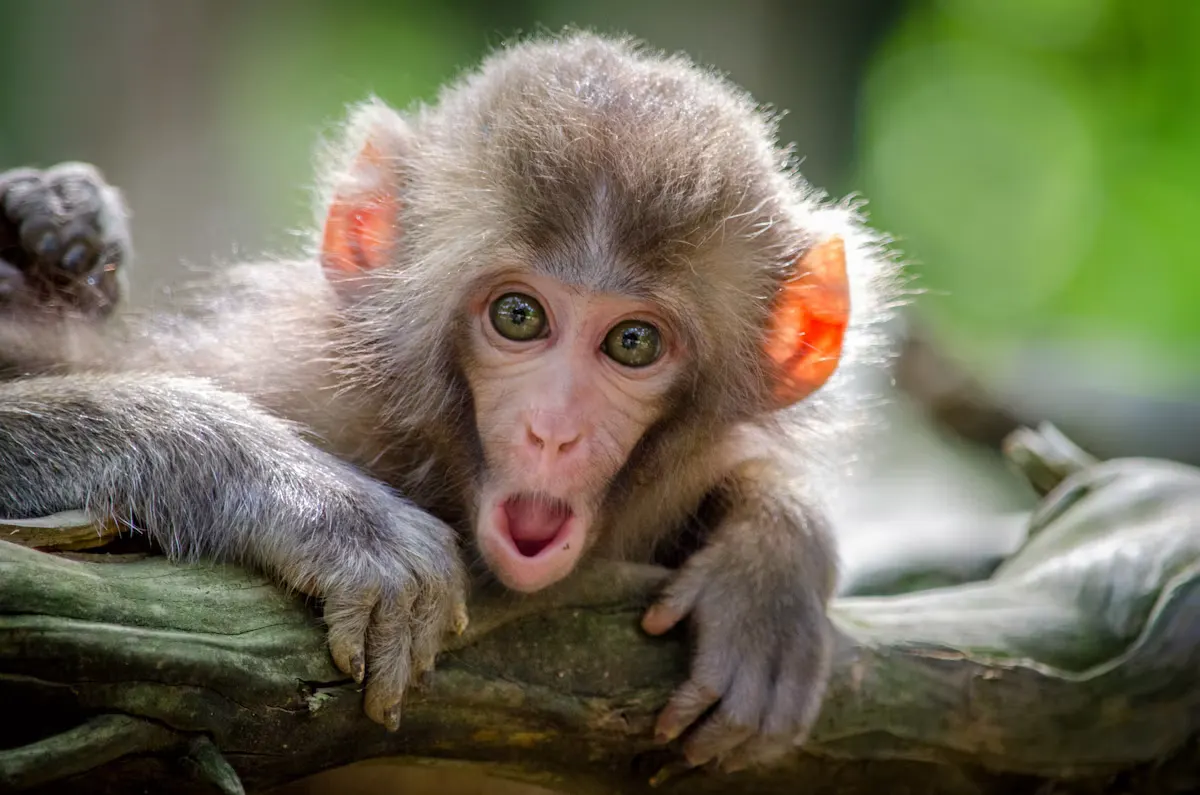
Brown-throated Three-toed Sloth
Bradypus variegatus
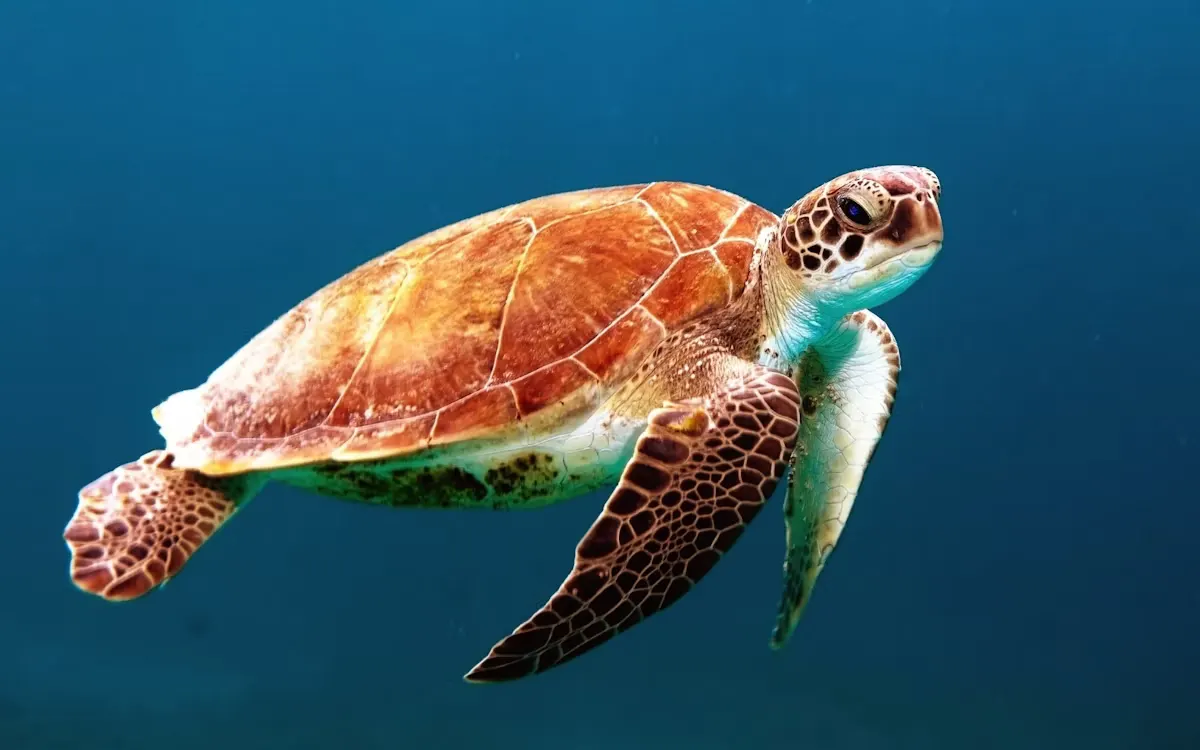
Giant River Otter
Pteronura brasiliensis
South American Tapir
Tapirus terrestris
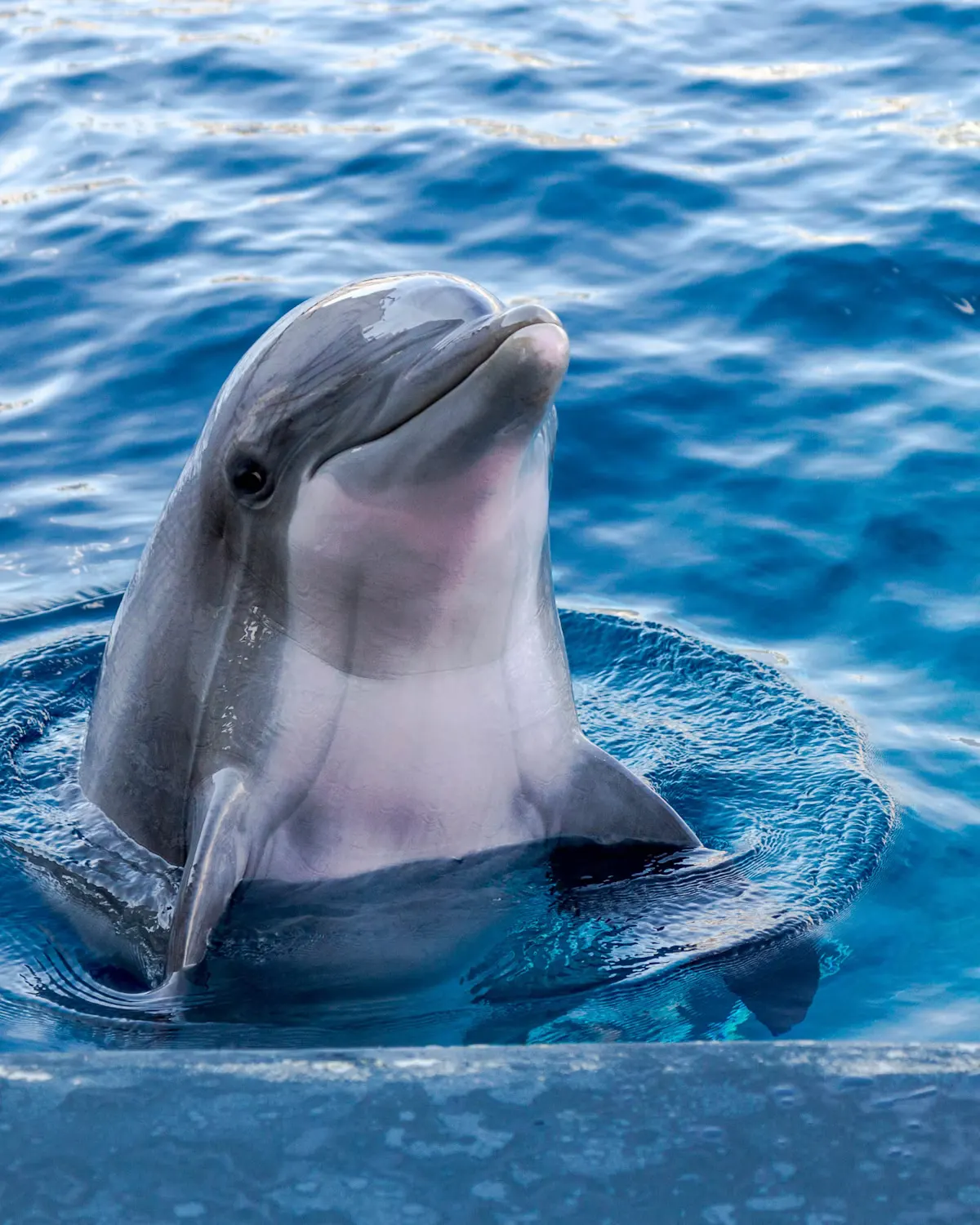
Amazon River Dolphin (Boto)
Inia geoffrensis

Harpy Eagle
Harpia harpyja
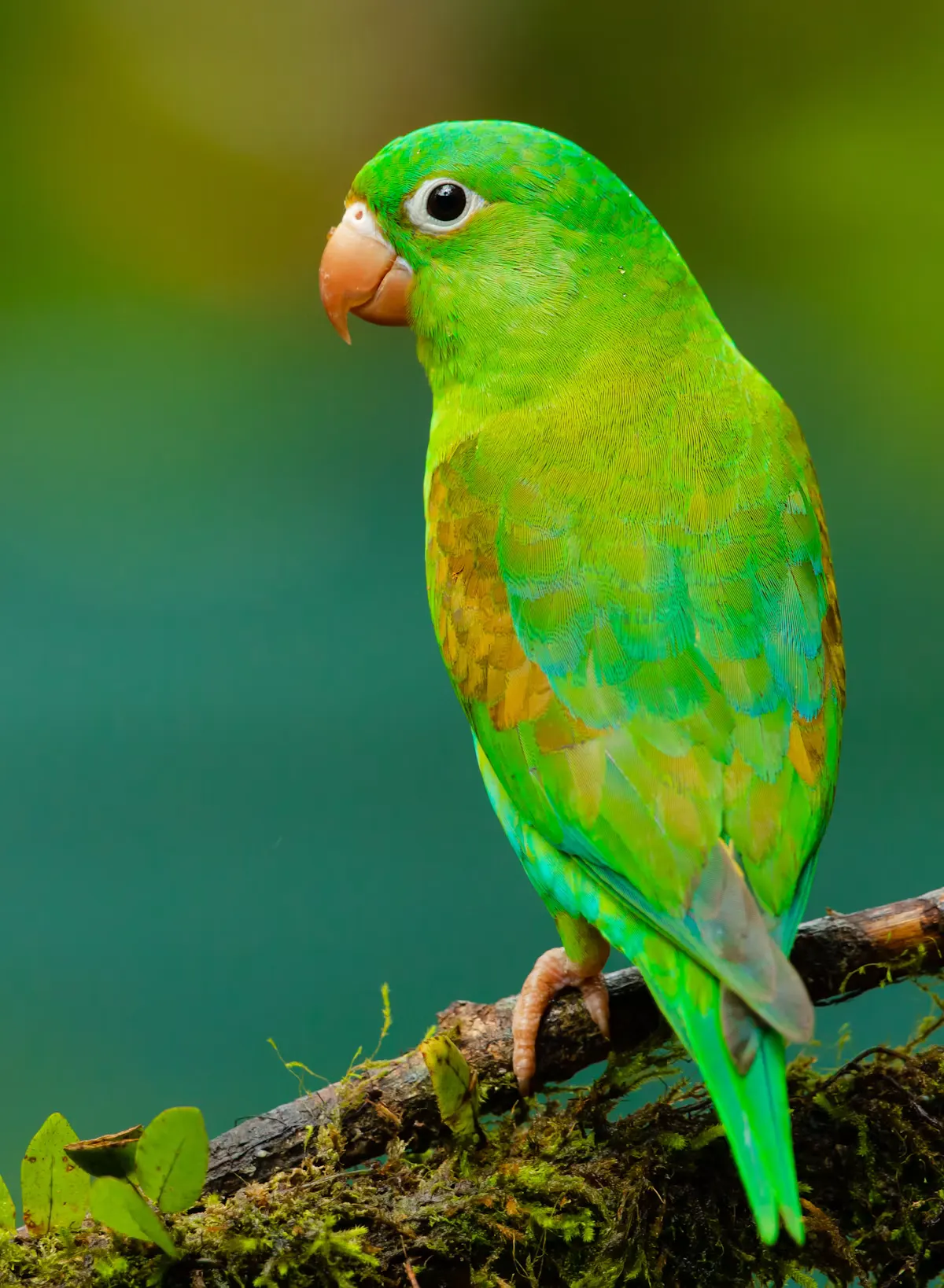
Scarlet Macaw
Ara macao

Toco Toucan
Ramphastos toco
Hoatzin
Opisthocomus hoazin

Green Anaconda
Eunectes murinus
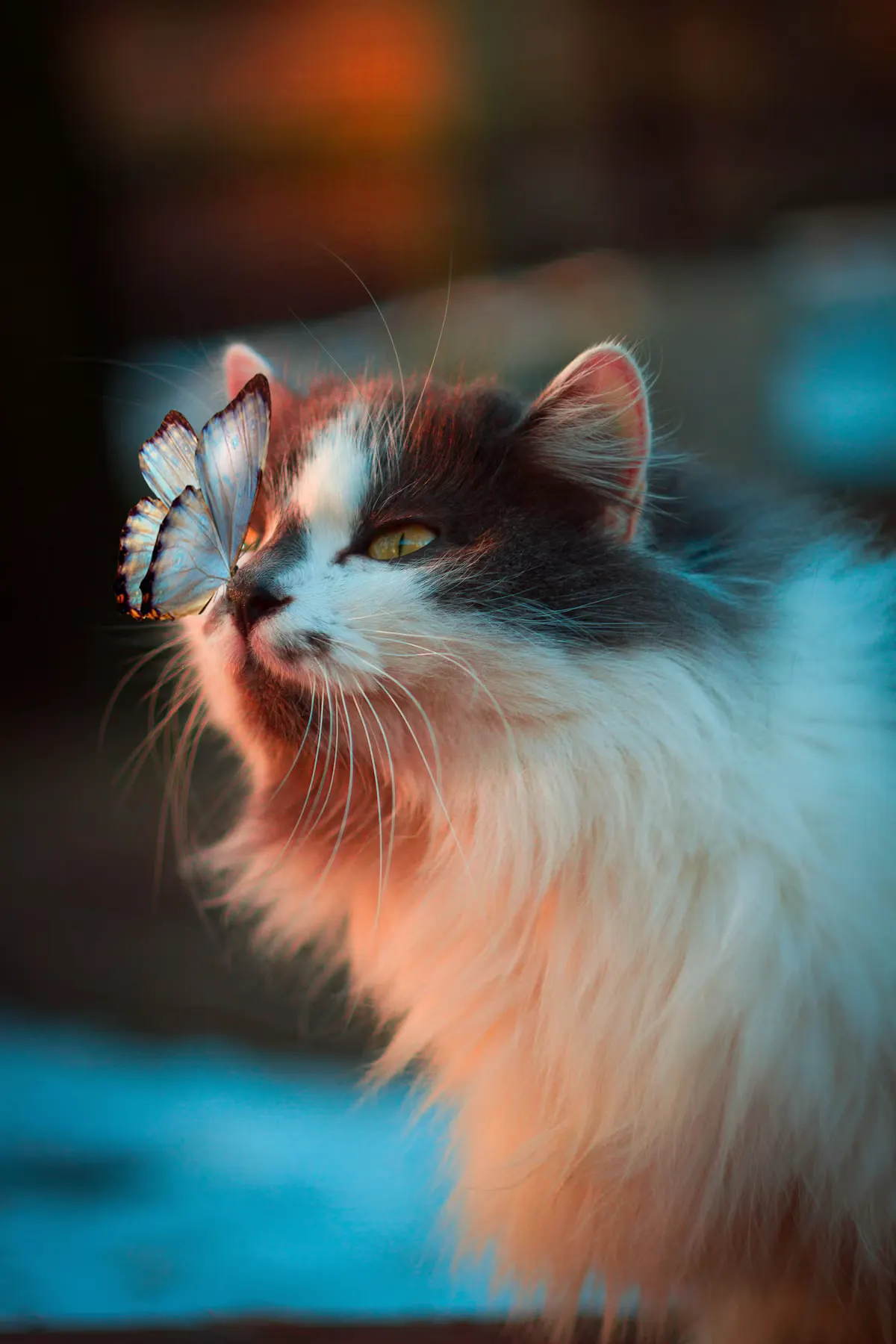
Black Caiman
Melanosuchus niger
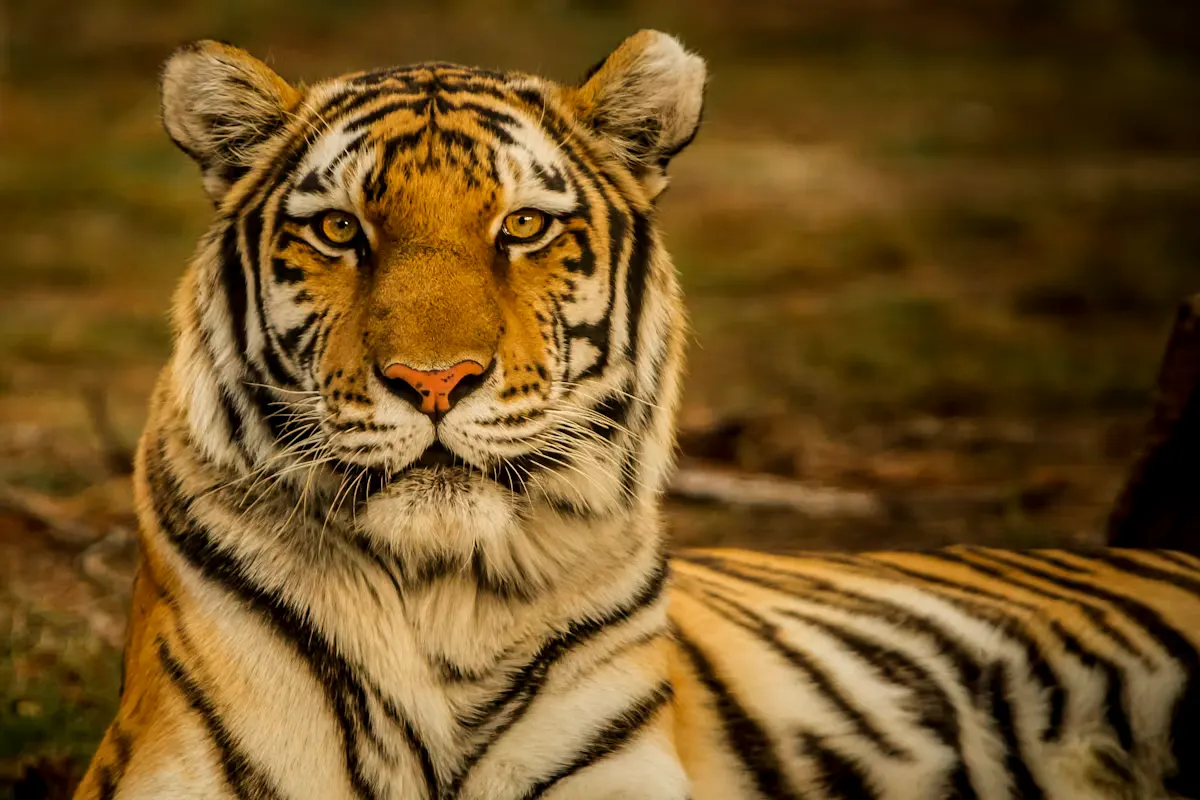
Green Iguana
Iguana iguana
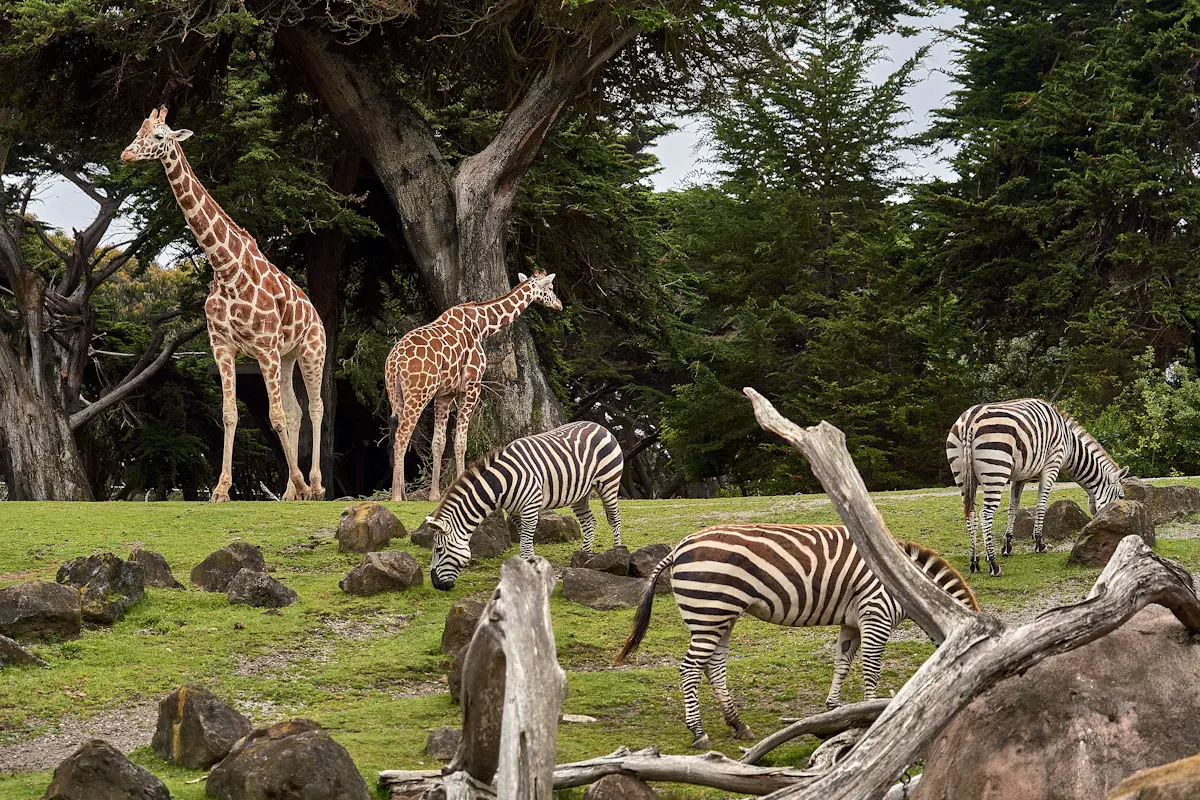
Poison Dart Frog
Dendrobates tinctorius

Red-eyed Tree Frog
Agalychnis callidryas
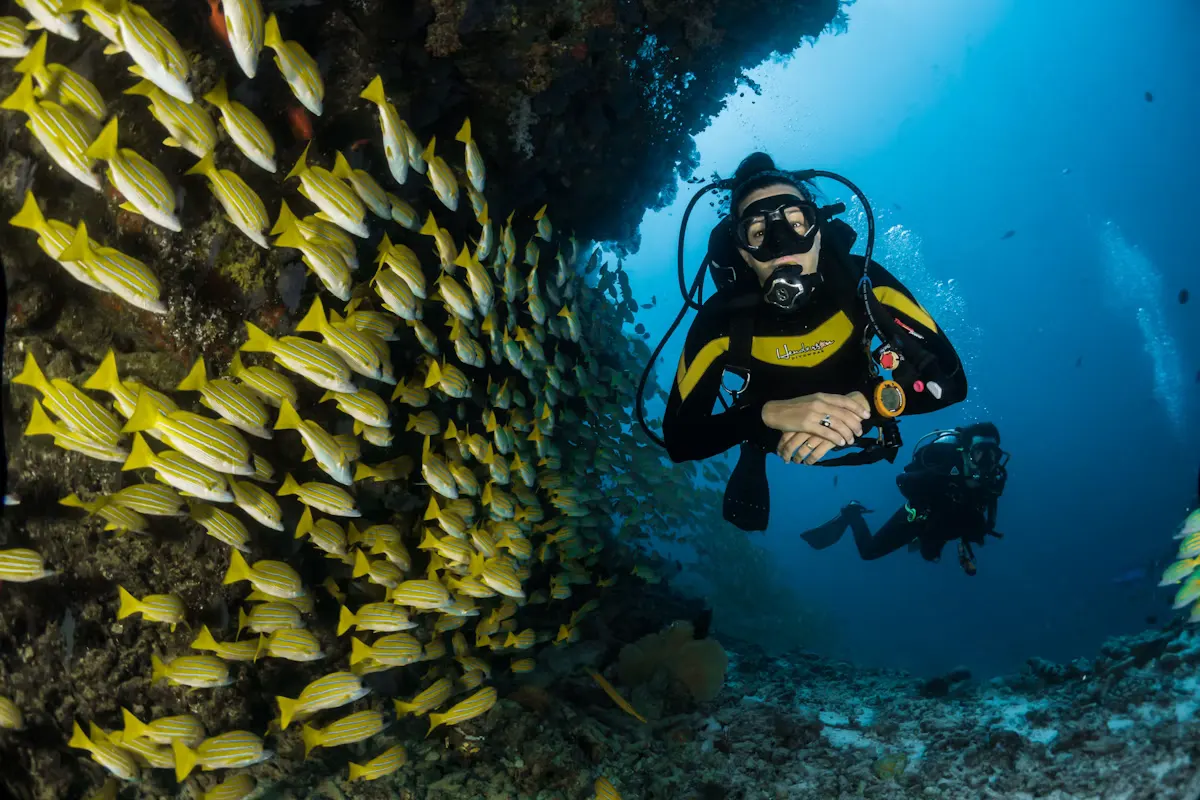
Arapaima (Pirarucu)
Arapaima gigas

Red-bellied Piranha
Pygocentrus nattereri
Blue Morpho Butterfly
Morpho peleides
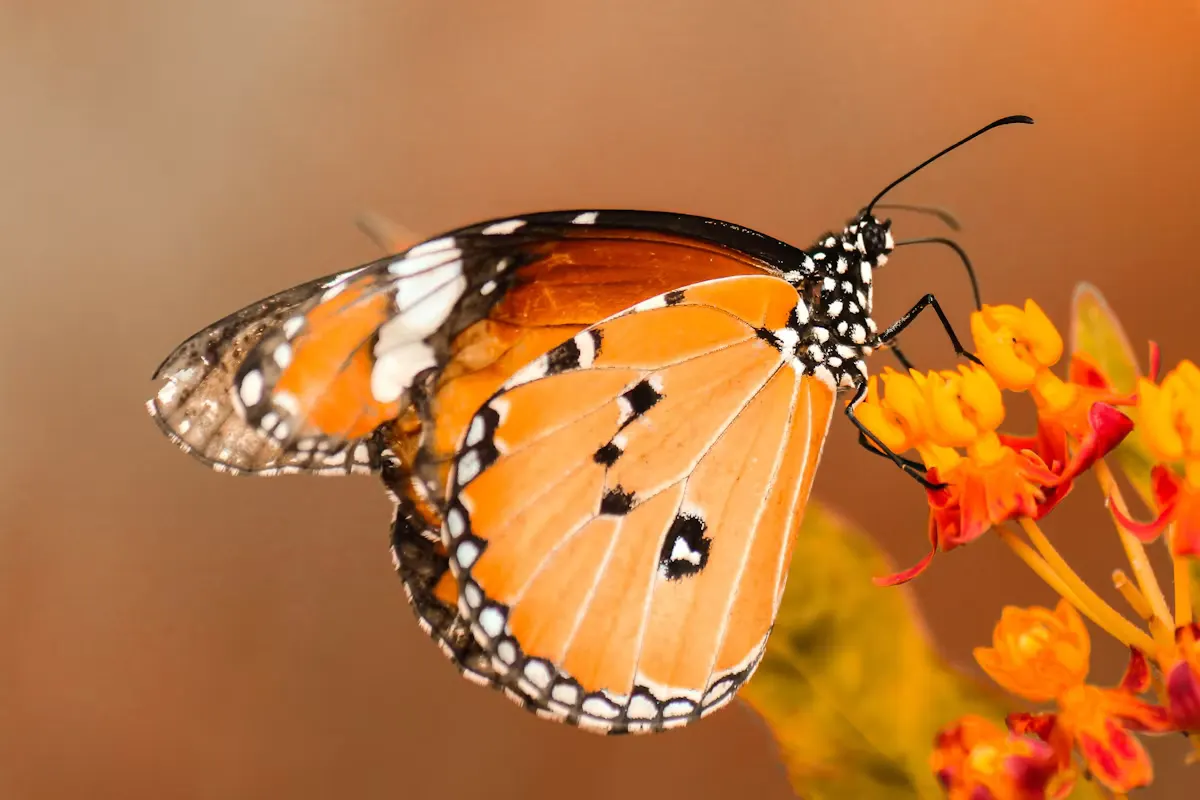
Bullet Ant
Paraponera clavata

Hercules Beetle
Dynastes hercules
Related Animal Comparisons
Compare similar looking predators or ecological counterparts living in or around Amazon Rainforest: