
Galápagos Islands
An isolated volcanic archipelago where evolutionary biology and marine-terrestrial symbiosis unfold.
19°C to 30°C (66°F - 86°F)
Garúa mist in highlands; arid coastal scrub
Warm wet season (Jan-May) and cool dry Garúa season (Jun-Dec)
Ecuador
Ecosystem Structure & Biodiversity
Located 1,000 km off the Ecuadorian coast at the confluence of three major ocean currents (Humboldt, Cromwell, Panama), the Galápagos hosts extraordinary evolutionary endemism where tropical reptiles and polar penguins coexist.
- ✓Over 80% of land birds and 97% of reptiles in the Galápagos are found nowhere else on Earth.
- ✓Galápagos animals have no instinctive fear of humans due to evolving without large mammalian land predators.
- ✓Charles Darwin's 1835 voyage aboard the HMS Beagle here laid the foundations for the theory of natural selection.
Rulers of the Food Chain
Invasive rats and feral goats consuming endemic hatchling eggs, illegal long-line shark fishing in marine buffers, and tourism biosecurity risks.
Wildlife Inhabiting Galápagos Islands
Browse profiled species, adaptations, canopy layers, and conservation status
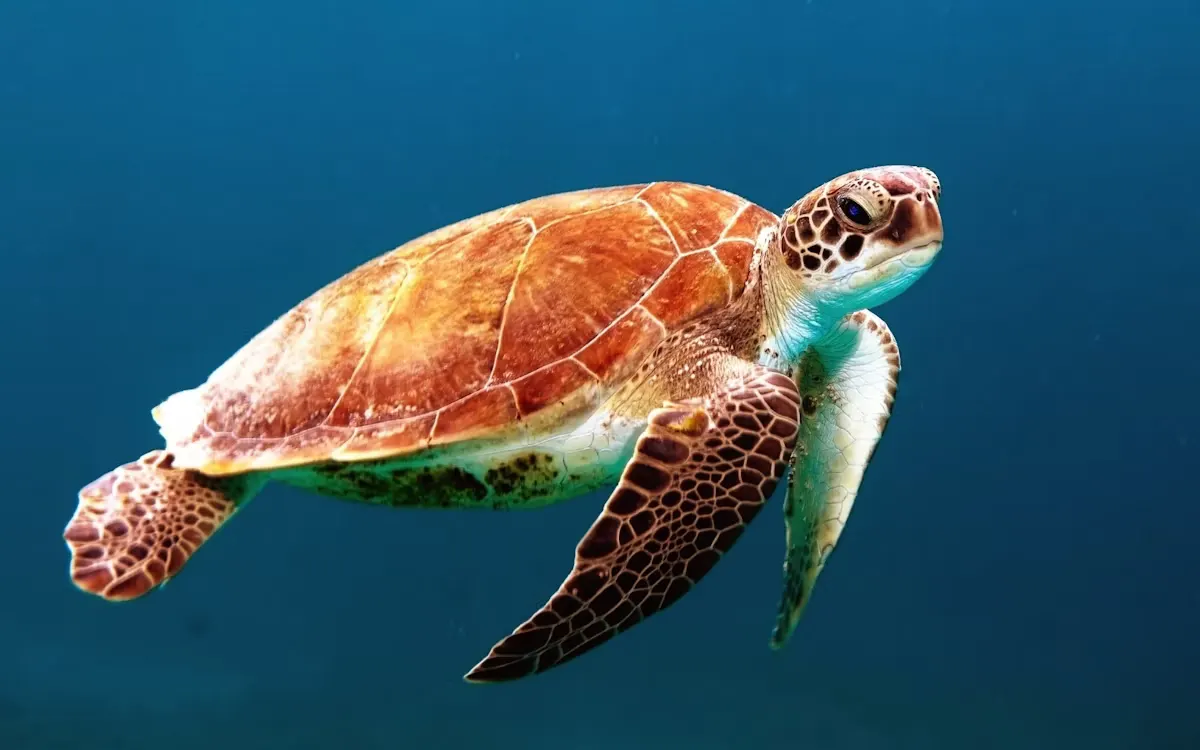
Galápagos Sea Lion
Zalophus wollebaeki
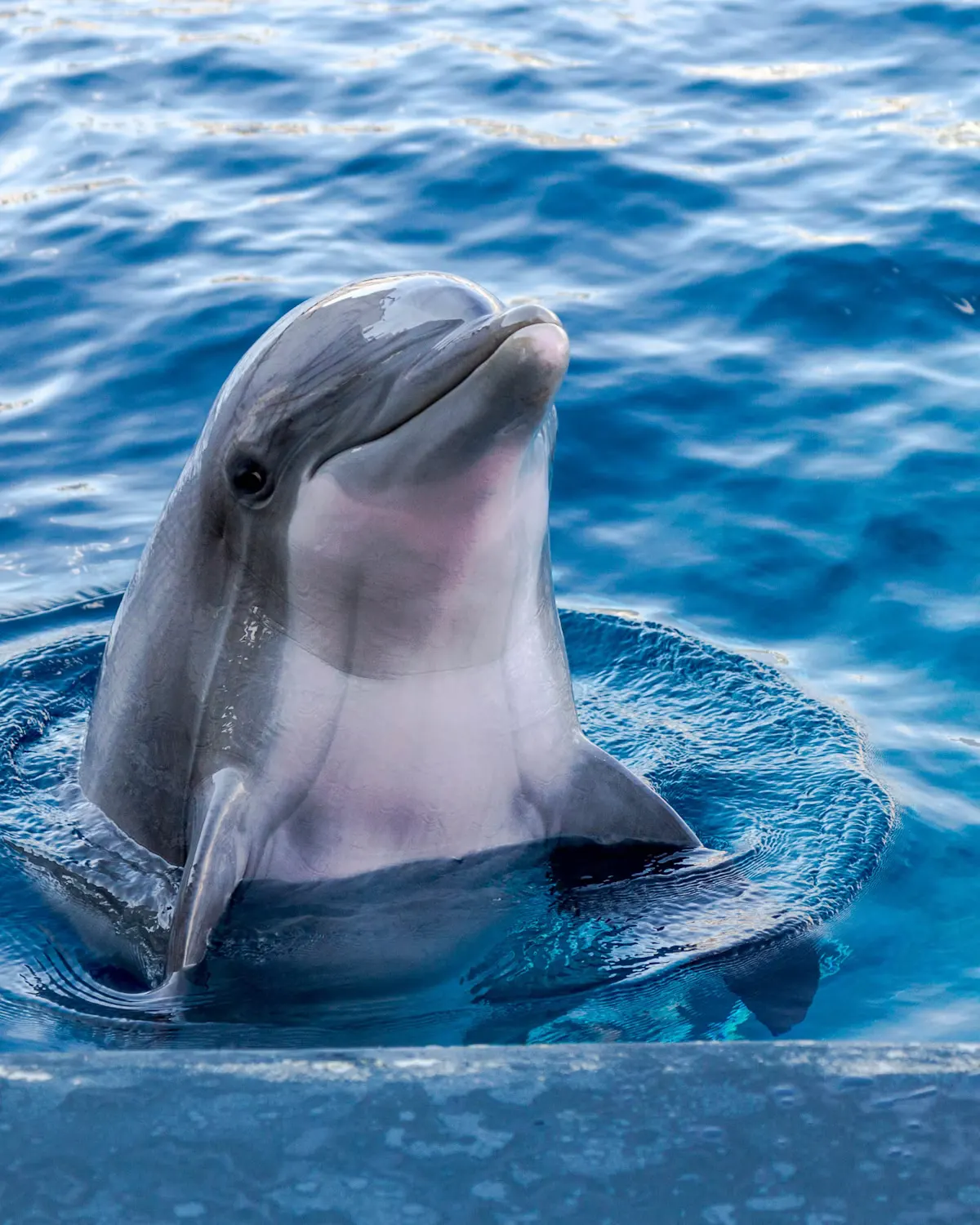
Galápagos Fur Seal
Arctocephalus galapagoensis
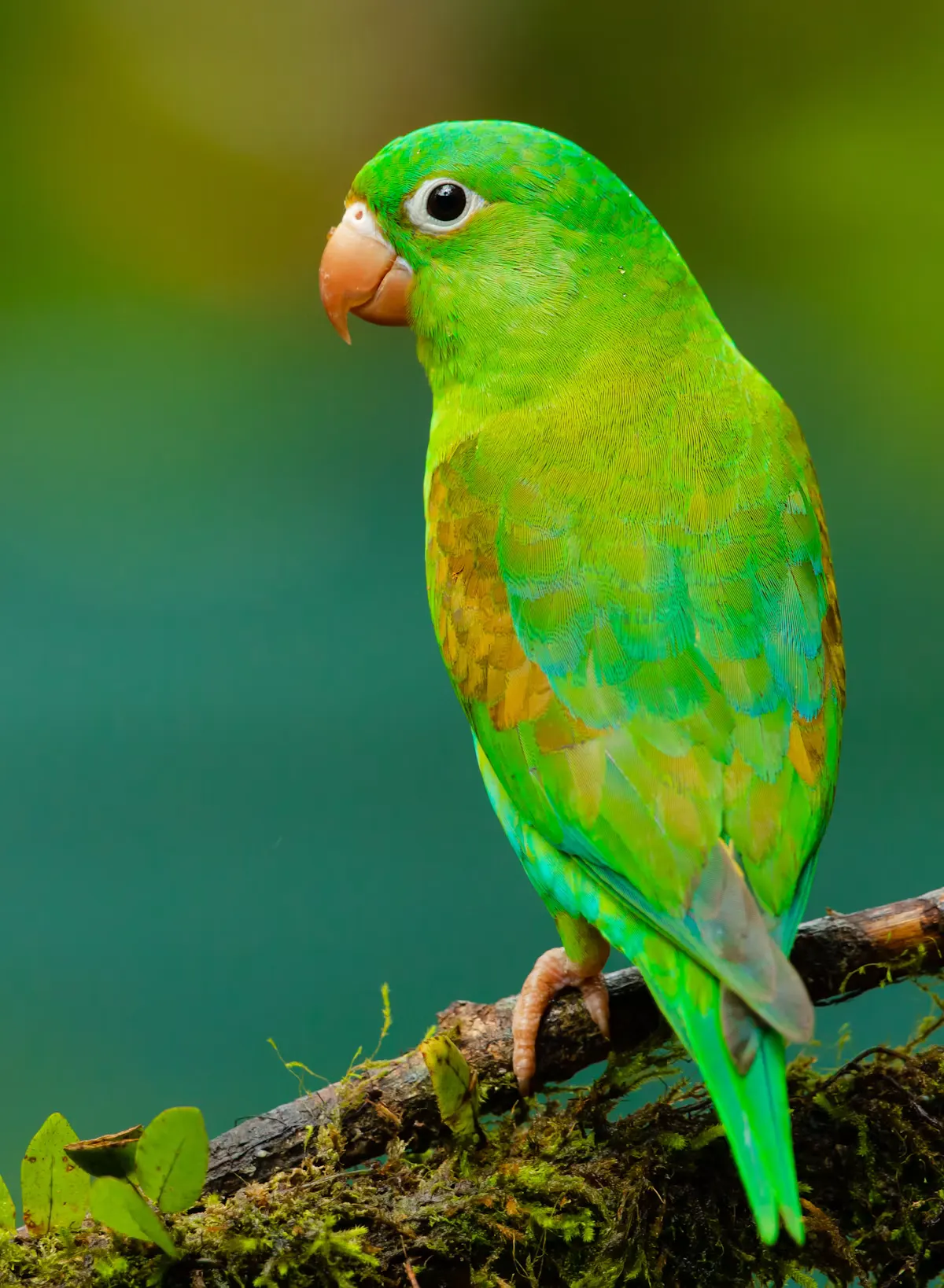
Blue-footed Booby
Sula nebouxii
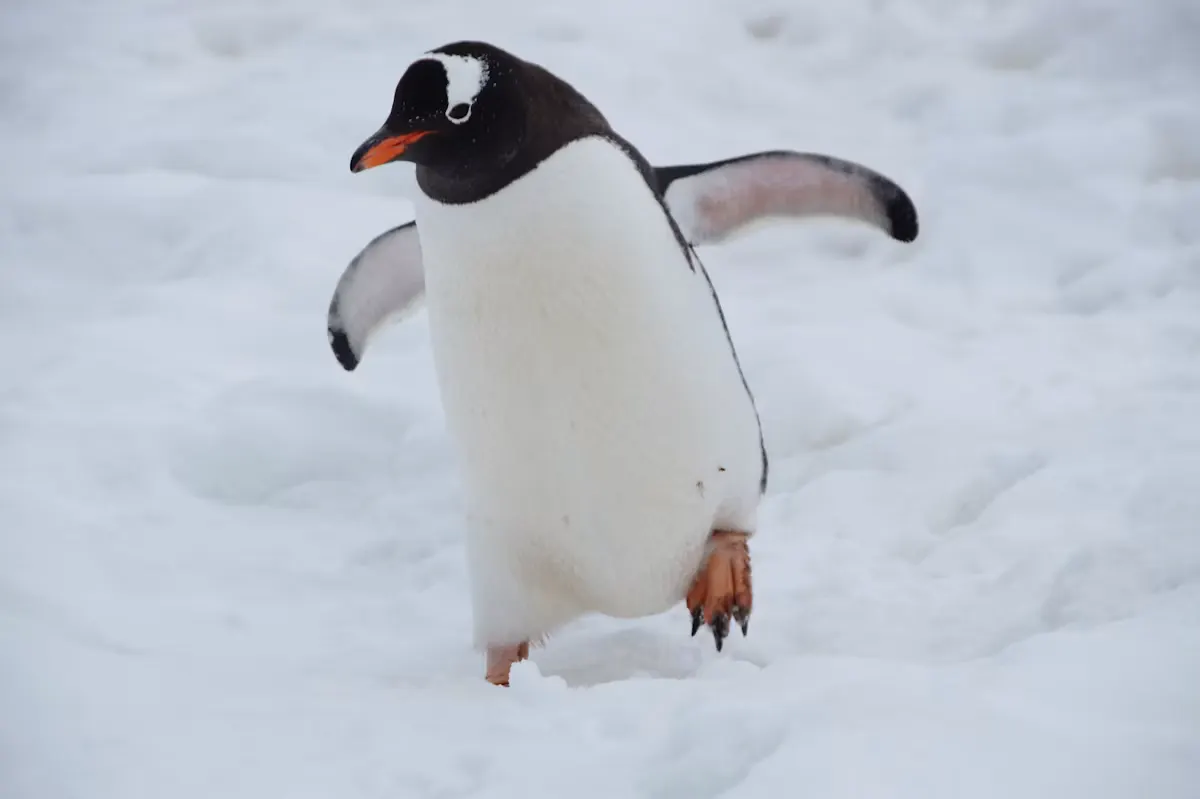
Galápagos Penguin
Spheniscus mendiculus
Flightless Cormorant
Phalacrocorax harrisi

Darwin’s Finches (Medium Ground Finch)
Geospiza fortis
Galápagos Marine Iguana
Amblyrhynchus cristatus
Galápagos Giant Tortoise
Chelonoidis niger
Galápagos Lava Lizard
Microlophus albemarlensis
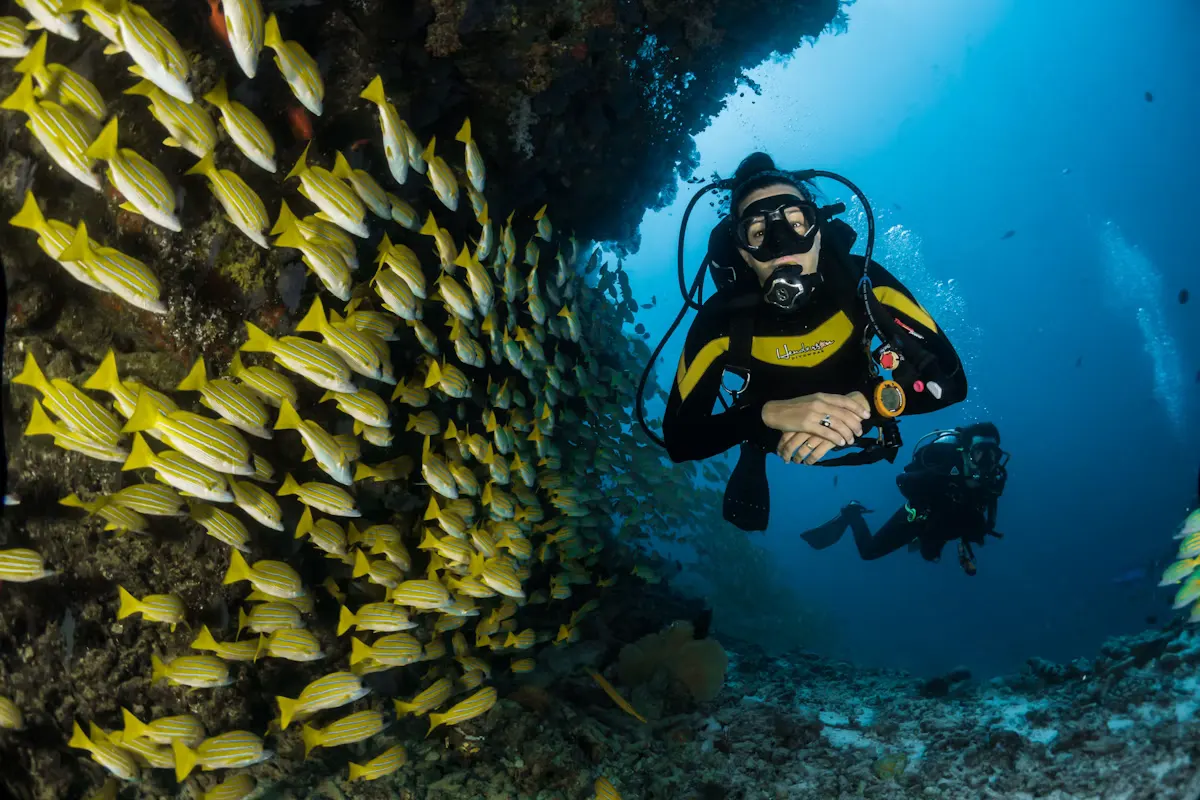
Scalloped Hammerhead Shark
Sphyrna lewini
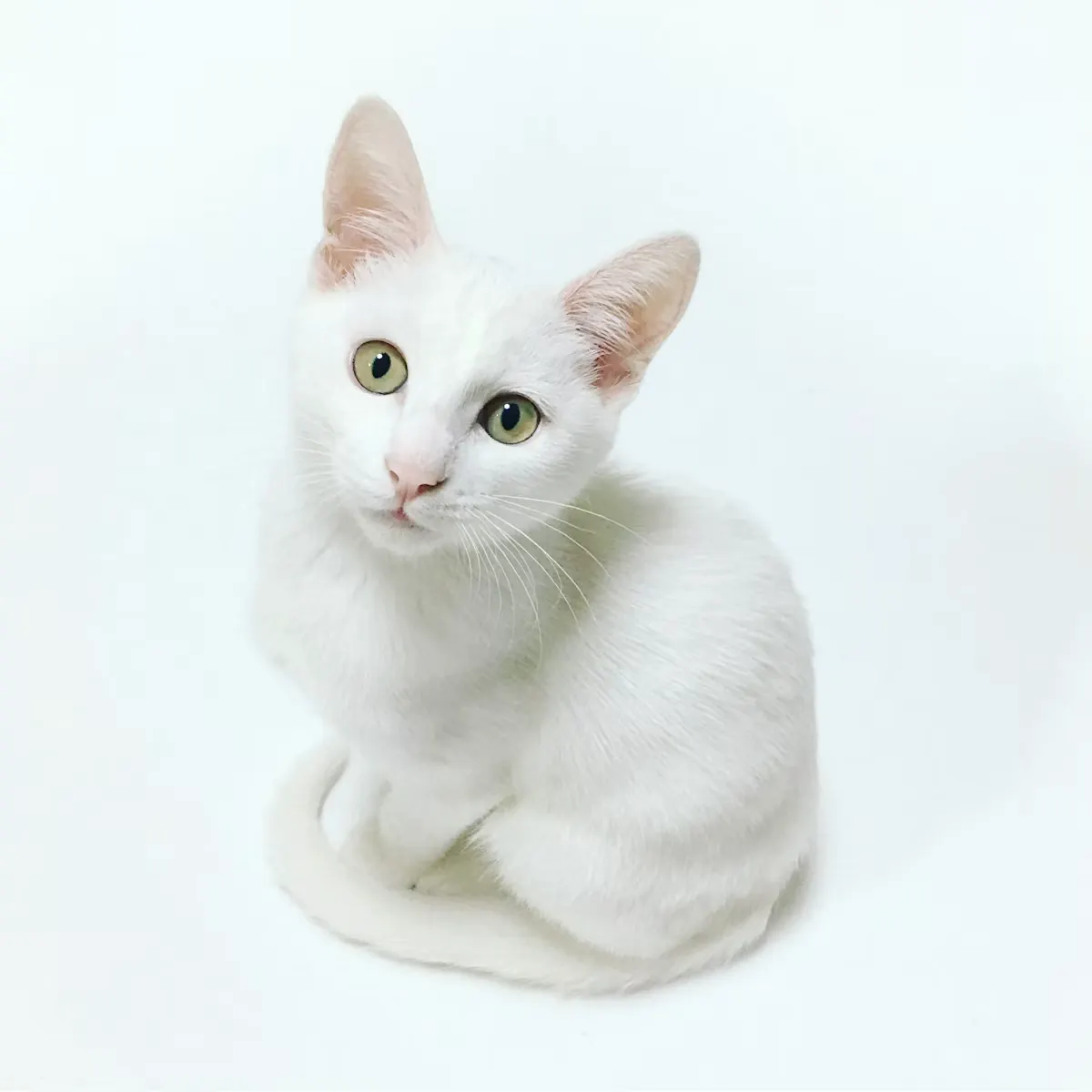
Red-lipped Batfish
Ogcocephalus darwini
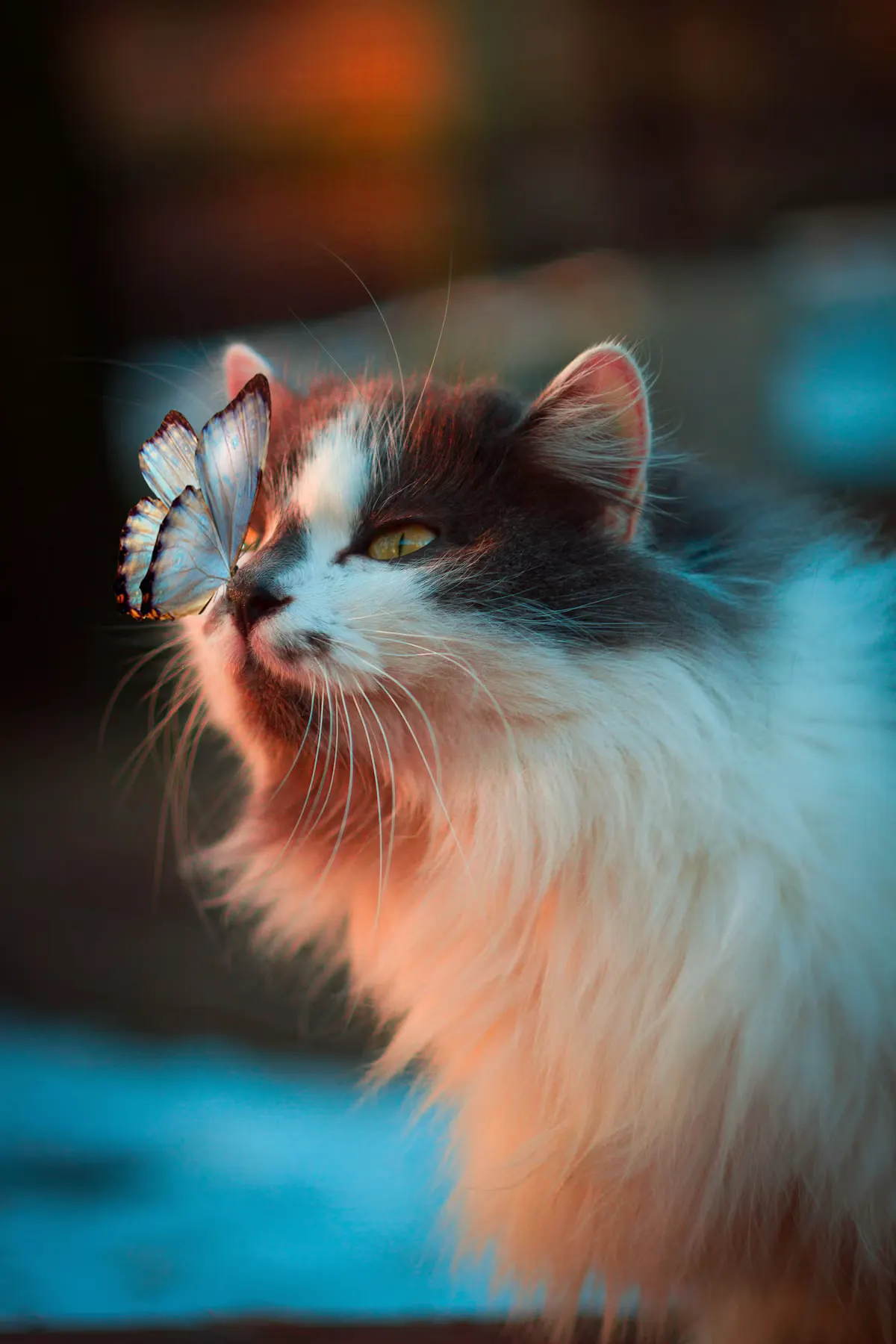
Sally Lightfoot Crab
Grapsus grapsus
Related Animal Comparisons
Compare similar looking predators or ecological counterparts living in or around Galápagos Islands: