Animal ID
🏔️
Himalayan Mountains & Alpine
🏔️Alpine & High MountainAsia
Biodiversity Index: 88/100
What Animals Live in the Himalayas?

Himalayan Mountains & Alpine

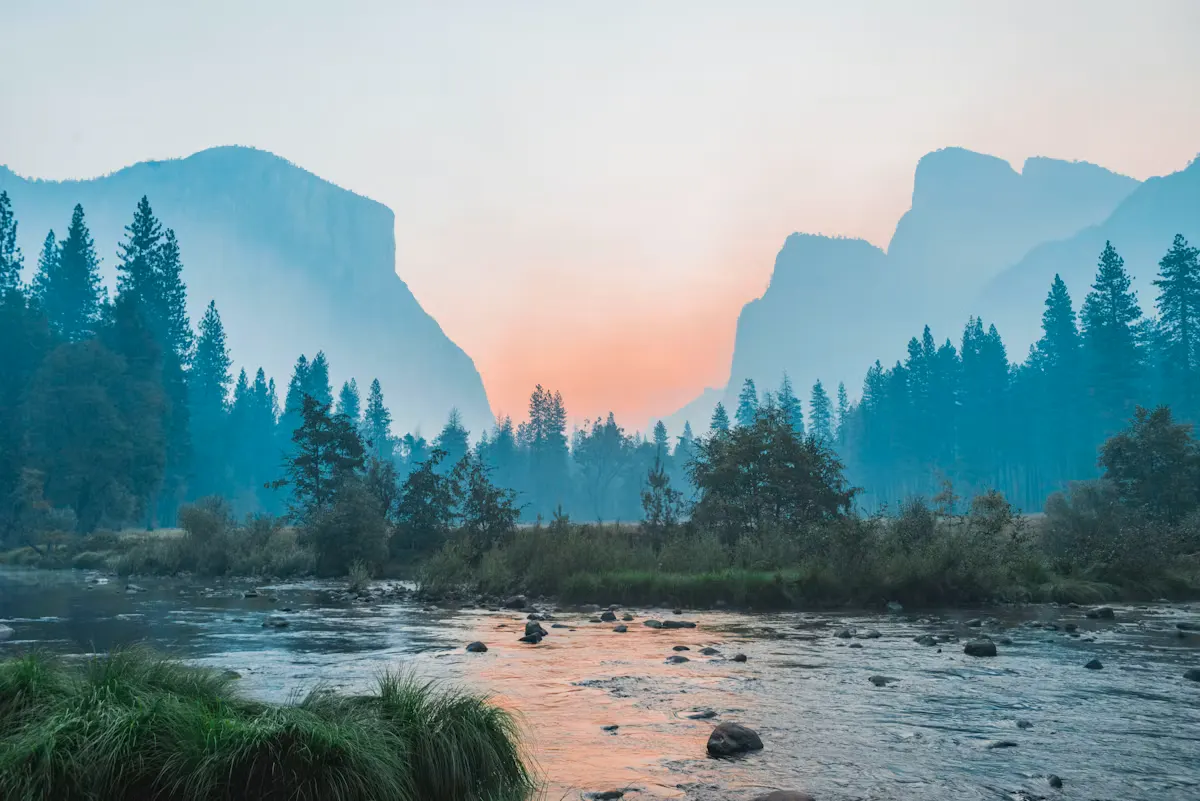
The roof of the world, spanning high-altitude alpine meadows, cold scree steppes, and rhododendron valleys.

Temperature Range

-30°C to 15°C (-22°F - 59°F)

Annual Precipitation

Snowfall dominant above 4,000m; southern monsoon below

Humidity & Seasonality

Extreme severe winters with brief subalpine summer blooming

Countries & Territories

Nepal, India, Bhutan, China (Tibet), Pakistan

Ecological Profile

Ecosystem Structure & Biodiversity

Rising from subtropical foothills to peaks above 8,000 meters, the Himalayas create dramatic elevation-based ecological zones. Animals here exhibit extreme physiological adaptations to thin oxygen, freezing katabatic winds, and vertical cliff terrain.

Key Wildlife Facts:
  • Mount Everest (8,848 m) and all 14 of the world's peaks over 8,000 meters are located in the Himalayan-Karakoram belt.
  • The Himalayas are geologically young and continue to rise approximately 5 mm every year due to tectonic collision.
  • The region feeds major river systems (Indus, Ganges, Brahmaputra, Yangtze) that supply fresh water to over 1.4 billion people.
Apex Predators

Rulers of the Food Chain

Snow LeopardTibetan WolfHimalayan Brown BearBearded Vulture
Threats & Conservation

Glacial retreat and permafrost thawing due to global heating, retaliatory poaching by livestock herders, and linear infrastructure dividing fragile valleys.

Wildlife Inhabiting Himalayan Mountains & Alpine

Browse profiled species, adaptations, canopy layers, and conservation status
🐾
Snow Leopard
Apex PredatorVulnerable

Snow Leopard

Panthera uncia

Habitat Stratum: SnowlineCrepuscular
Key Evolutionary Adaptation: Smoky-gray rosette camouflage, wide snowshoe paws with fur-cushioned pads, and a 1-meter thick tail used for balance and facial warming.
🐾
Red Panda
HerbivoreEndangered

Red Panda

Ailurus fulgens

Habitat Stratum: CanopyCrepuscular
Key Evolutionary Adaptation: Modified wrist bone acting as a "false thumb" to grip bamboo stalks in high-altitude temperate cloud forests.
🐾
Bharal (Himalayan Blue Sheep)
Keystone SpeciesLeast Concern

Bharal (Himalayan Blue Sheep)

Pseudois nayaur
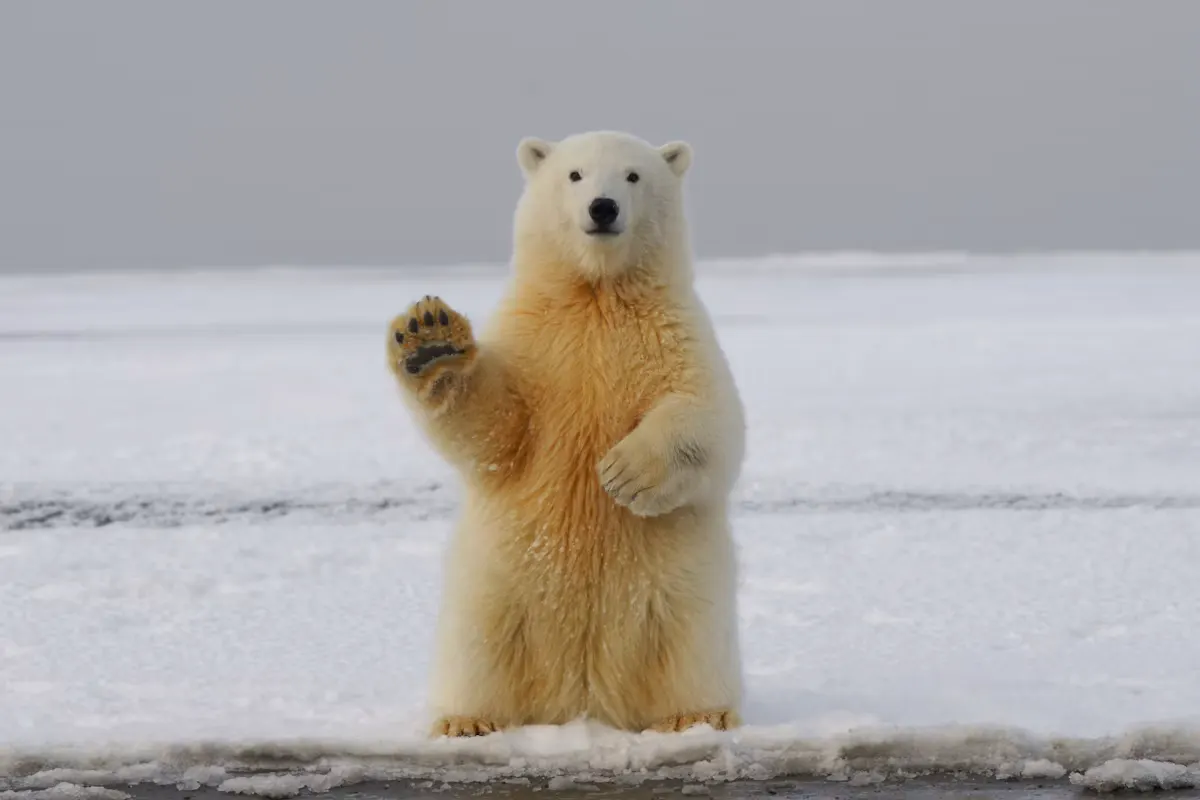
Habitat Stratum: SnowlineDiurnal
Key Evolutionary Adaptation: Concave rubbery hooves providing traction on 60-degree sheer cliffs; primary prey base sustaining snow leopard populations.
Endemic Wildlife Summary
🐾
Himalayan Brown Bear
Apex PredatorCritically Endangered

Himalayan Brown Bear

Ursus arctos isabellinus
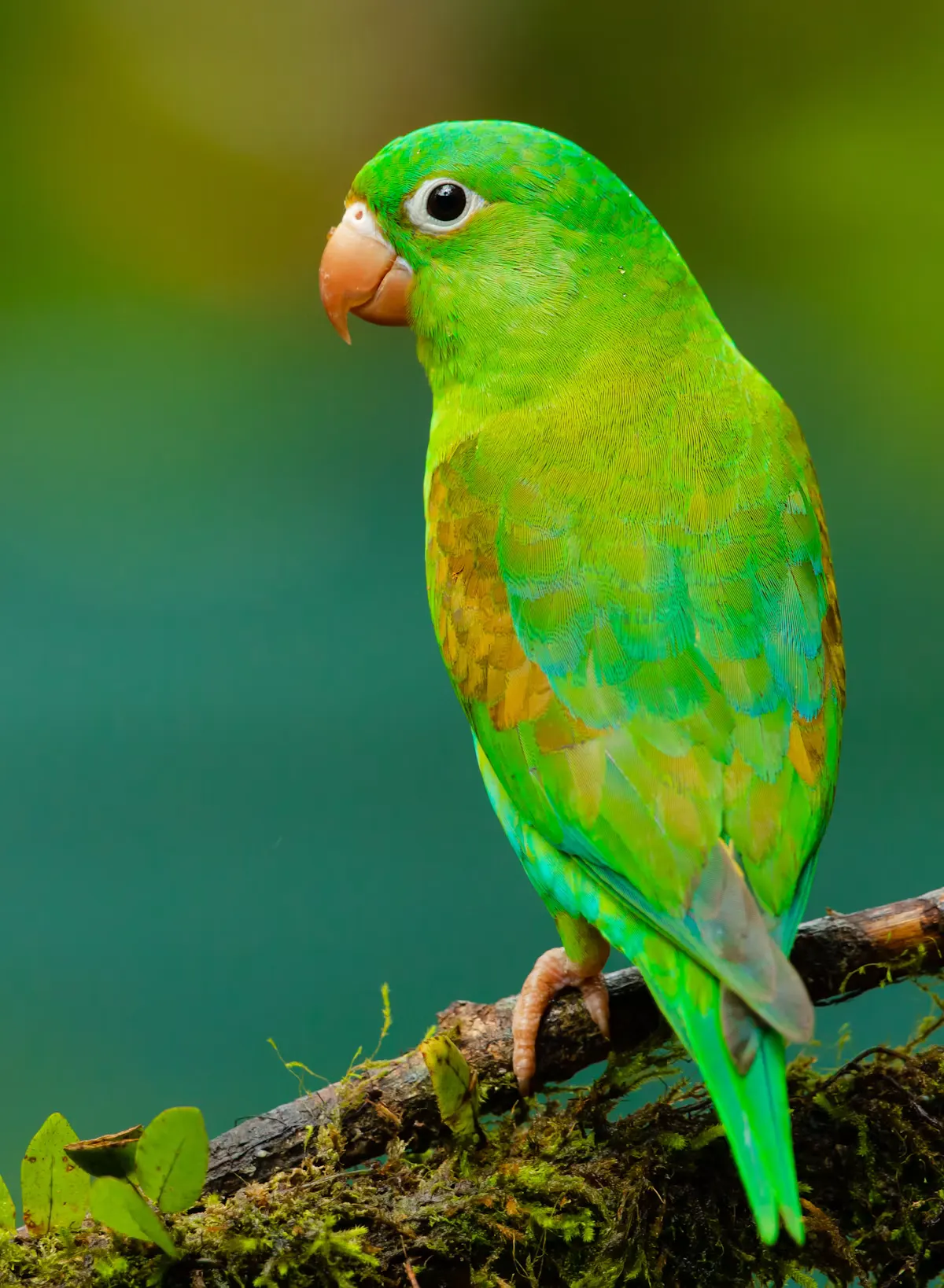
Habitat Stratum: Forest FloorDiurnal
Key Evolutionary Adaptation: Hibernates in sub-zero caves for up to 7 months a year, foraging subalpine roots and marmots in brief summers.
Endemic Wildlife Summary
🐾
Himalayan Monal (Danphe)
Indicator SpeciesLeast Concern

Himalayan Monal (Danphe)

Lophophorus impejanus

Habitat Stratum: UnderstoryDiurnal
Key Evolutionary Adaptation: Iridescent rainbow plumage reflecting thin UV radiation, and heavy curved bill used to dig high-altitude tubers from snow.
Endemic Wildlife Summary
🐾
Bearded Vulture (Lammergeier)
Indicator SpeciesNear Threatened

Bearded Vulture (Lammergeier)

Gypaetus barbatus

Habitat Stratum: AirDiurnal
Key Evolutionary Adaptation: Diet consists of 85-90% bones; drops large mammal bones from 100 meters onto rocks to shatter them into swallowable pieces.
Endemic Wildlife Summary
🐾
Himalayan Pit Viper
Apex PredatorLeast Concern

Himalayan Pit Viper

Gloydius himalayanus
Habitat Stratum: SnowlineDiurnal
Key Evolutionary Adaptation: Found at elevations up to 4,900m (highest of any snake), utilizing heat-sensing pits to hunt rodents in cold rocky crevices.
Endemic Wildlife Summary
🐾
Himalayan Salamander
Indicator SpeciesLeast Concern

Himalayan Salamander

Tylototriton verrucosus

Habitat Stratum: River/AquaticNocturnal
Key Evolutionary Adaptation: Only salamander native to the Indian subcontinent, thriving in freezing glacial tarns and mossy highland bogs.
Endemic Wildlife Summary
🐾
Snow Trout (Asela)
Common NativeVulnerable

Snow Trout (Asela)

Schizothorax richardsonii

Habitat Stratum: River/AquaticDiurnal
Key Evolutionary Adaptation: Streamlined torpedo body and muscular ventral mouth with horny jaw plate to scrape algae off torrential glacial boulders.
Endemic Wildlife Summary
🐾
Himalayan Giant Honeybee
PollinatorData Deficient

Himalayan Giant Honeybee

Apis laboriosa

Habitat Stratum: AirDiurnal
Key Evolutionary Adaptation: Largest honeybee on Earth (up to 3 cm); builds massive single-comb hives suspended under sheer 100-meter cliffs.
Endemic Wildlife Summary
Regional Wildlife Matchups

Related Animal Comparisons

Compare similar looking predators or ecological counterparts living in or around Himalayan Mountains & Alpine:

Field Comparison

Leopard vs Snow Leopard

Compare →
Explore Other High-Biodiversity Ecosystems:
Himalayan Mountains & Alpine Animals — Species & Wildlife Guide | AnimalIDFinder