What Sound Do Rabbits Make? 10 Rabbit Sounds and What They Mean
Rabbits are quiet animals, but they are not silent. From soft tooth purring to a loud warning thump, each rabbit sound makes more sense when you read it together with body language and the situation.
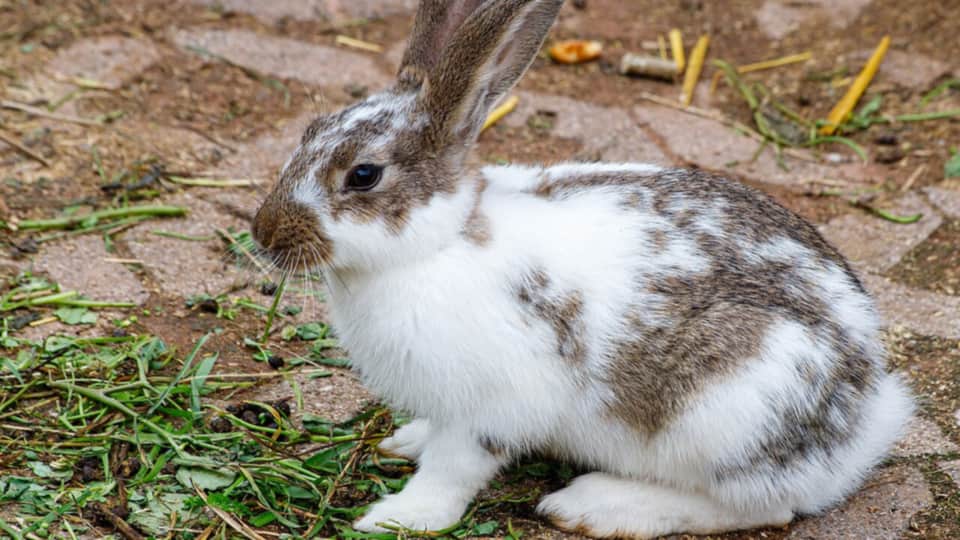
Quick answer
Rabbits are mostly quiet, but they do make sounds. Common rabbit sounds include soft purring (gentle teeth chattering), honking or oinking, grunting, growling, hissing, snorting, thumping, sighing, and—rarely—screaming. Soft, relaxed sounds usually mean contentment, while loud teeth grinding, screaming, or noisy breathing can signal pain, fear, or illness.
Quick reference: 10 rabbit sounds
| Sound | What it sounds like | What it usually means | Concern level |
|---|---|---|---|
| Purring | Soft teeth chattering or clicking | Content, relaxed | Normal |
| Honking / oinking | Soft, rhythmic honks or oinks | Excited, wants food or attention, courtship | Normal |
| Grunting | Short, low grunt | Annoyed, territorial | Give space |
| Growling | Low rumble | Upset, feels threatened | Give space |
| Hissing | Sharp puff of air | Defensive or angry | Give space |
| Squealing / screaming | High-pitched shriek | Extreme fear, pain, or injury | Urgent — call a vet |
| Loud teeth grinding | Harsh, grating crunch | Possible pain or illness | Contact a vet promptly |
| Snorting | Short nasal huff | Irritation or mild alarm | Watch for breathing signs |
| Thumping | Loud thud of the back feet | Alarm, warning, annoyance | Check for a trigger |
| Soft noises / sighs | Gentle sighs, clucks, whimpers | Settling, satisfied, or mildly unhappy | Read the context |
Rabbit Sound Identifier
Heard a noise? Pick the closest match, then tap a card for the full explanation.
- PurringHappy
Sounds like: Soft, quiet teeth chattering or clicking
Usually means: Content and relaxed, often while being petted
What to do: Keep doing what you are doing
- Honking / oinkingHappy
Sounds like: Soft, rhythmic "honk" or "oink," often while circling
Usually means: Excitement, wanting food or attention, or courtship
What to do: Normal; spaying or neutering can reduce hormonal honking
- GruntingWarning
Sounds like: Short, low "hmph"
Usually means: Annoyed, territorial, or "leave me alone"
What to do: Pause and give space; a lunge or nip may follow
- GrowlingWarning
Sounds like: Quiet, low rumble
Usually means: Upset or feeling threatened
What to do: Back off calmly; do not reach toward the face
- HissingWarning
Sounds like: Sharp puff of air, "hsss"
Usually means: Defensive or angry, often toward another rabbit
What to do: Separate calmly if two rabbits are squaring off
- Squealing / screamingCall a vet
Sounds like: High-pitched, shrill shriek
Usually means: Extreme fear, pain, or injury
What to do: Make the area safe and contact a vet urgently
- Loud teeth grindingCall a vet
Sounds like: Harsh, grating crunch (louder than purring)
Usually means: Possible pain or illness
What to do: Check eating and droppings; contact a vet promptly
- SnortingContext
Sounds like: Short nasal "hff" or huff
Usually means: Irritation or mild alarm
What to do: Watch body language; repeated sneezing needs a vet check
- ThumpingWarning
Sounds like: Loud thud of the back feet
Usually means: Alarm, warning, or strong annoyance
What to do: Look for what startled them; never punish thumping
- Soft noises / sighsContext
Sounds like: Gentle sighs, quiet clucks, or whimpers
Usually means: Settling or satisfied; whimpering can mean unhappy handling
What to do: Read the context and body posture
Rabbit Sound Examples: Listen to Real Recordings
Below are two real recordings of pet rabbits from Wikimedia Commons, hosted on this page so they play without leaving the site. We have deliberately not included recordings of screaming or pain sounds.
When you watch rabbit videos online, check the rabbit's body language as well as the audio — many clips labeled as "purring" or "happy" actually show a tense or hunched rabbit.
Rabbit oinking and squeaking
A pet rabbit making a run of soft oinks and small squeaks (about 39 seconds). The owner notes it sounds a bit like a guinea pig — which is a common surprise for new rabbit owners.
Listen for: Short, repeated "oink" or honk-like sounds. This is the kind of vocal sound many rabbits make when excited or asking for food or attention.
Recording: kessir (via Freesound / Wikimedia Commons) · CC0 1.0
House rabbit playing and moving around
A house rabbit that is active and playful (about 27 seconds). Much of what you hear from a pet rabbit is movement, not a voice.
Listen for: Scampering, rustling, and small non-vocal noises. Rabbits communicate far more with actions and posture than with calls.
Recording: Fiver, der Hellseher (Wikimedia Commons) · CC BY-SA 4.0
What Does a Rabbit Sound Like in Words?
Rabbits do not have one famous sound the way dogs "woof" or cats "meow," so there is no standard word for a rabbit noise. Picture books sometimes use "squeak" or "sniff," but real rabbits make a range of quiet sounds. The table below gives rough human spellings so you can recognize them — they are approximations, not exact recordings.
Rabbit sounds written as words (human approximations only)
| Sound | Written as | Notes |
|---|---|---|
| Purring | "chk-chk-chk" or a soft "crrr" | Very quiet; you may feel whisker or jaw movement more than you hear it |
| Honking / oinking | "honk-honk" or "oink-oink" | Often rhythmic and in time with circling or hopping |
| Grunting | "hmph" or "unh" | One short sound, sometimes with a lunge |
| Growling | a quiet "grrr" | Much softer than a dog growl |
| Hissing | "hsss" or "pfft" | A burst of air rather than a voice |
| Screaming | "eeeee!" | Shrill and unmistakable; rare |
| Loud teeth grinding | "crrk-crrk" | Grating and harsh, not gentle |
| Snorting | "hff" or "pfff" | Through the nose |
| Thumping | "THUMP" or "thud" | Made with the back feet, not the voice |
| Sighing | "hhhhh" | A soft exhale when settling down |
1. Rabbit Purring: Soft Teeth Chattering
Rabbit purring is not the same as a cat purr. Instead of coming from the throat, it is made by lightly rubbing or chattering the teeth together, and it is very quiet. You will often hear or feel it when a rabbit is being stroked on the forehead or cheeks, sometimes with a slight whisker or jaw movement.
Purring usually means your rabbit feels safe and content. The key is that the rest of the body matches: loose muscles, relaxed ears, and soft or half-closed eyes.
2. Honking or Oinking: Excitement and Courtship
Honking — also described as oinking — is a soft, rhythmic sound a bit like a tiny pig. The House Rabbit Society describes it as a "love song" that is also used to ask for food and attention. You will often hear it at feeding time or when a rabbit is circling your feet.
Rabbits that are not spayed or neutered honk more, often together with circling and spraying urine. Spayed and neutered rabbits may still honk and circle when excited or happy. Some rabbits honk a lot; others almost never do.
3. Grunting: "Leave Me Alone"
A grunt is a short, low sound that usually means a rabbit is annoyed or feels its space is being invaded. Common triggers include reaching into their pen, rearranging their setup while cleaning, or trying to pick them up when they do not want to be held.
Grunting can be followed by a lunge, a front-paw swat, or a nip. If you hear a grunt, pause and let the rabbit move away rather than pushing ahead.
4. Growling: Upset or Threatened
Rabbit growling is a quiet, low rumble — much softer than a dog growl. It generally means the rabbit is upset or feels threatened. According to the House Rabbit Society, growling or snorting in anger may be just a warning, or it may come right before a grunt-lunge-bite.
Growling tends to be predictable. Notice what triggers it (handling, a certain spot, food) so you can avoid the situation or change how you approach.
5. Hissing: Defensive or Angry
A hiss is a sharp burst of air rather than a voice. It is most often heard when rabbits meet an unfamiliar rabbit or feel cornered, and it usually comes with ears pressed flat back and a tense, forward body.
If two rabbits are hissing at each other during an introduction, slow down. Separate them calmly with a barrier — never with bare hands between fighting rabbits — and restart introductions more gradually.
6. Squealing or Screaming: Extreme Distress
A rabbit scream is a high-pitched, shrill shriek that is rare and hard to forget. Rabbit welfare organizations describe it as a sound of extreme fear, pain, or injury — for example, being caught by a predator or badly hurt.
If a rabbit screams, calmly make the area safe, check for obvious injury without forcing handling, and contact a veterinarian urgently. Some rabbits make smaller squeaks during excitement or mild protest; a true scream is louder and far more intense.
7. Teeth Grinding: Soft vs Loud
Teeth grinding is the most important rabbit sound to understand because it can mean opposite things. Soft grinding (purring) is a sign of comfort. Loud grinding can be a sign of pain. Veterinary references describe a rabbit in pain chattering or grinding its teeth while sitting hunched.
Dental problems, digestive slowdown (gut stasis), and other painful conditions can all cause loud grinding. Because rabbits hide illness, loud grinding together with a hunched posture, reduced eating, or fewer droppings should be treated as a reason to call a vet the same day.
Soft tooth purring vs loud teeth grinding
| Sign | Soft tooth purring | Loud teeth grinding |
|---|---|---|
| Volume | Very quiet, gentle clicking | Louder, harsh, grating |
| Posture | Loose, relaxed, may flop or loaf | Hunched, tense, tucked up |
| Eyes | Soft, half-closed | Often wide open, squinting, or dull |
| When it happens | During petting or calm rest | While sitting still, often away from you |
| Appetite and droppings | Normal | May be eating less, fewer or smaller droppings |
| What to do | Nothing — your rabbit is comfortable | Contact a rabbit-savvy vet promptly |
8. Snorting: Irritation or Alarm
A snort is a short, sharp huff through the nose. In behavior terms it usually signals irritation or mild alarm, and it can sit alongside growling in an angry rabbit.
A single snort during an annoying moment is not a health concern. Repeated sneezing, snuffly or noisy breathing, or discharge from the nose or eyes is different: these can point to a respiratory problem and need a vet check.
9. Thumping: A Warning Signal
Thumping is not a vocal sound — a rabbit slams one or both back feet against the ground to make a loud thud. In the wild it warns other rabbits in the warren that something may be dangerous. At home, rabbits thump at sudden noises, unfamiliar smells, other pets, wildlife outside, or things you may not notice at all.
Thumping can also express annoyance. The San Diego House Rabbit Society notes that a rabbit that turns its back to you and thumps or flicks its feet as it hops away is likely offended. Never punish thumping; instead look for the trigger and help your rabbit feel secure.
10. Soft Noises and Sighs
Rabbits also make small, easy-to-miss sounds. Owners often hear a soft sigh as a rabbit flops or settles after exercise. Oxbow describes a quiet, low cluck associated with satisfaction, often while eating a favorite food.
A soft whimper is different: it is often linked to fear or unhappiness, such as being held when the rabbit does not want to be. As with every rabbit sound, the body language around it tells you which meaning applies.
Happy Rabbit Sounds
The sounds most often linked to a happy rabbit are:
- Soft tooth purring during petting or calm rest.
- Honking or oinking, especially with circling or hopping around your feet.
- Quiet clucking while eating something they like.
- Soft sighs as they flop onto their side or stretch out.
- Happy rabbits also show it without sound: binkies (jumping and twisting in the air), flopping, and relaxed loafing.
Scared Rabbit Sounds
Fear in rabbits often shows as stillness first — freezing with wide eyes and ears up — before any sound. Sounds linked to fear include:
- Thumping to warn of possible danger.
- Whimpering during unwanted handling.
- Screaming in extreme fear or pain (rare and urgent).
- Reduce fear by keeping noise down, giving hiding places, and letting the rabbit approach you rather than grabbing it.
Angry Rabbit Sounds
Angry or defensive rabbits give clear audio warnings before most bites:
- Grunting — the most common "back off" sound.
- Growling — a low rumble when threatened or handled.
- Hissing — often toward another rabbit.
- Snorting — irritation, sometimes with a turn away.
- Respect these warnings. A rabbit that is repeatedly ignored may skip the warning sound and go straight to lunging or biting.
Rabbit Sounds at Night
Rabbits are not nocturnal. PDSA vets explain that rabbits are crepuscular — most active around dawn and dusk — but they have short bursts of activity through the day and night. That is why owners often hear rabbits in the evening, early morning, or during the night.
Most night-time rabbit noise is movement, not a voice: digging, chewing, rustling hay, drinking, throwing toys, or biting pen bars for attention. Honking may happen around feeding time. Night thumping usually means the rabbit heard or smelled something — a household pet, wildlife outside, or an unfamiliar noise. Loud teeth grinding at night is not normal activity and should be checked the same way as during the day.
Loud Rabbit Sounds
Because rabbits are normally quiet, loud sounds deserve attention. The loudest rabbit sounds are:
- Thumping — loud, but usually a warning rather than a medical sign.
- Screaming — rare and urgent; seek veterinary help.
- Loud teeth grinding — may indicate pain.
- Noisy, wheezy, or rattling breathing — rabbits normally breathe quietly through the nose; open-mouth or labored breathing is an emergency.
What Noise Do Bunnies Make? Rabbit vs Bunny Sounds
"Bunny" is simply an informal, affectionate word for a rabbit, so bunnies make exactly the same sounds as rabbits: purring, honking, grunting, growling, hissing, snorting, thumping, sighs, and — rarely — screaming. Baby rabbits are properly called kits or kittens, and they can make small squeaks, especially when they are very young.
Hares are a different group of animals from rabbits, although they are related. This guide focuses on domestic and European rabbits, which are the rabbits most people keep as pets.
Rabbit Sounds, Situation, and Body Language
The same rabbit sound can mean different things in different situations. Use this table to combine the sound with what is happening and what the rabbit's body is doing.
Rabbit sounds + situation + body language
| Sound | Common situation | Body language to look for | Likely meaning |
|---|---|---|---|
| Purring | Being stroked on the head or cheeks | Loose body, relaxed ears, half-closed eyes | Contentment |
| Honking | Feeding time, playtime, near a bonded partner | Circling feet, hopping, tail up | Excitement or courtship |
| Grunting | Reaching into the pen, cleaning, moving toys | Ears back, body forward, front-paw swat | Annoyed; "back off" |
| Growling | Being handled or cornered | Tail up, ears back, lunging | Threatened; may bite |
| Hissing | Meeting an unfamiliar rabbit | Ears flat back, crouched, facing off | Defensive or aggressive |
| Screaming | Grabbed by a predator, injured, severe fear | Frozen or struggling, wide eyes | Extreme distress |
| Loud grinding | Sitting quietly away from others | Hunched, fur fluffed, not eating | Possible pain |
| Snorting | Annoyed during grooming or handling | Ears back, quick turn away | Irritation |
| Thumping | Sudden noise, new smell, a pet or wildlife nearby | Upright, alert ears, tense body | Alarm or warning |
| Sighing | Lying down after exercise | Stretched out, flopped, relaxed | Settling and comfortable |
Rabbit Sounds You Should Not Ignore
Some sounds and signs mean you should contact a rabbit-savvy veterinarian rather than wait and see. A sound cannot tell you the cause — only an exam can — but these are strong reasons to get help:
- Screaming or shrieking.
- Loud teeth grinding, especially with a hunched posture.
- Noisy, wheezing, clicking, or open-mouth breathing.
- Repeated sneezing or discharge from the nose or eyes.
- Grunting or grinding when picked up around the belly, together with not eating — Vets Now lists these among the signs of gut stasis, which is an emergency.
- No droppings for more than 12 hours or a sudden drop in appetite, even without any sound.
Rabbit Sounds for Kids
Bunnies are quiet, so you have to listen carefully! Here is a simple guide. If a bunny thumps, grunts, growls, or screams, give it space and tell a grown-up.
Rabbit sounds for kids
| Bunny sound | What it sounds like | What the bunny might be saying |
|---|---|---|
| Purr | A tiny click-click of teeth | "I feel cozy and safe." |
| Honk / oink | A little "honk-honk" while hopping in circles | "Yay! Is that a snack?" |
| Grunt | A short "hmph" | "Please stop, I don't like that." |
| Growl or hiss | A small "grrr" or "hsss" | "I'm upset. Give me space!" |
| Thump | A loud THUMP with the back feet | "Something scared me — be careful!" |
| Sigh | A soft "hhhh" when lying down | "Ahh, time to rest." |
| Scream | A very loud "eeee!" | "Help! I'm scared or hurt." — tell a grown-up right away |
Frequently asked questions
What sound do rabbits make?+
Rabbits make quiet sounds such as soft tooth purring, honking or oinking, grunting, growling, hissing, snorting, sighing, and clucking. They also thump their back feet as a warning. Rarely, a rabbit in extreme fear or pain will scream.
Are rabbits quiet animals?+
Yes. Rabbits communicate mostly through body language and posture, so they are much quieter than dogs or cats. Most of the noise people hear from pet rabbits is movement — digging, chewing, and thumping — rather than vocal sounds.
What sound does a happy rabbit make?+
A happy rabbit may softly purr by chattering its teeth, honk or oink when excited, make a quiet cluck while eating, or sigh as it settles. Happy rabbits also binky, flop, and lie stretched out.
Why is my rabbit honking or oinking?+
Honking usually means excitement, wanting food or attention, or courtship. Rabbits that are not spayed or neutered often honk while circling. If honking comes with sneezing, discharge, or difficulty breathing, have a vet check your rabbit.
What does it mean when a rabbit grunts?+
A grunt usually means the rabbit is annoyed or protecting its space — for example when you reach into its pen or move its things. It can be followed by a lunge or nip, so pause and give the rabbit room.
Why does my rabbit thump its back feet?+
Thumping is an alarm or warning signal. Rabbits thump at sudden noises, new smells, other animals, or things humans cannot sense. Some also thump when annoyed. Look for the trigger and help your rabbit feel safe; never punish thumping.
Is teeth grinding in rabbits bad?+
Soft teeth grinding (purring) during petting is normal and means contentment. Loud, harsh grinding — especially with a hunched posture, eating less, or fewer droppings — can indicate pain and needs prompt veterinary attention.
Why do rabbits scream?+
Rabbits scream only in extreme fear, pain, or injury, such as being caught by a predator. It is rare. If your rabbit screams, make the area safe and contact a veterinarian urgently.
Do rabbits purr like cats?+
Not exactly. A rabbit "purr" is made by gently chattering or rubbing the teeth together, not in the throat like a cat. It is quieter than a cat purr and usually happens when the rabbit is relaxed and being stroked.
Can rabbits growl or hiss?+
Yes. Rabbits growl with a quiet, low rumble and hiss with a sharp puff of air when they feel threatened or angry. These are warnings, often seen with ears back and a forward, tense body.
Why is my rabbit noisy at night?+
Rabbits are crepuscular, meaning they are most active around dawn and dusk, with bursts of activity at night. Night noise is usually digging, chewing, eating hay, or thumping at something they heard or smelled. Loud teeth grinding at night is not normal and should be checked.
What noise do bunnies make?+
Bunnies make the same noises as rabbits, because "bunny" is just an informal word for a rabbit. Common bunny noises are purring, honking, grunting, thumping, and soft sighs. Baby rabbits (kits) can also make small squeaks.
Can you tell if a rabbit is sick from its sounds?+
Sounds can be warning signs but cannot diagnose a problem. Loud teeth grinding, screaming, noisy breathing, or repeated sneezing are reasons to see a vet, especially with a hunched posture, reduced appetite, or fewer droppings. Only a veterinary exam can find the cause.
Final takeaway
Rabbits are quiet, but they are always communicating. Soft sounds with a relaxed body — purring, honking, clucking, and sighs — usually mean a comfortable rabbit. Grunts, growls, hisses, and thumps are warnings to give space. Screaming, loud teeth grinding, and noisy breathing are the sounds you should never ignore.
Whatever you hear, read it together with posture, ears, eyes, and appetite. When in doubt about a rabbit's health, a rabbit-savvy veterinarian is the right next step.
Sources
Educational summary drawn from rabbit welfare organizations and veterinary references:
- House Rabbit Society — Rabbitspeake (rabbit sounds and body language)
- San Diego House Rabbit Society — Why Does My Rabbit Do That?
- Merck Veterinary Manual — Illness of Rabbits (pet owner version)
- Merck Veterinary Manual — Management of Rabbits (pain signs, veterinary version)
- Best Friends Animal Society — Pet Rabbit Body Language and Bunny Behavior
- Oxbow Animal Health — Rabbit Sounds and Noises: What Do They Mean?
- PDSA — Vet Q&As: Are rabbits nocturnal?
- Vets Now — Rabbit gut stasis: symptoms, causes and treatment
Identify animal sounds & explore guides
Heard a mystery noise outdoors? Try the animal sound identifier, browse the animals encyclopedia, or return to the guides hub.